About Us
 Meet Our Team
 Our Facilities
 Videos
 Newsroom
 Scholarship
 FAQ
FAQ Blog
Blog
 Newport Beach

 Long Beach


 Meth Rehab
 Outpatient Rehab
 IOP Rehab
 Virtual IOP
 PHP Rehab
 LGBTQ Friendly Rehab
 Device Friendly Rehab
 Pet Friendly Rehab
 Couples Drug Rehab
 Reiki Therapy
 Holistic Addiction Therapy
 Addiction Therapy
 Group Addiction Therapy
 EMDR Therapy
 CBT Therapy
 Mood Disorder Treatment
 Panic Disorders/Drinking Problems Treatment
 Addictive Personality Disorder Treatment
 Hyperfixation Treatments
 Hyper Independence Treatment
 Check My Insurance
 Rehab Insurance Coverage
 Financing Options
 Cigna
Cigna













Read More…
Exploring Everyday Routines in Recovery-Focused Residential Settings
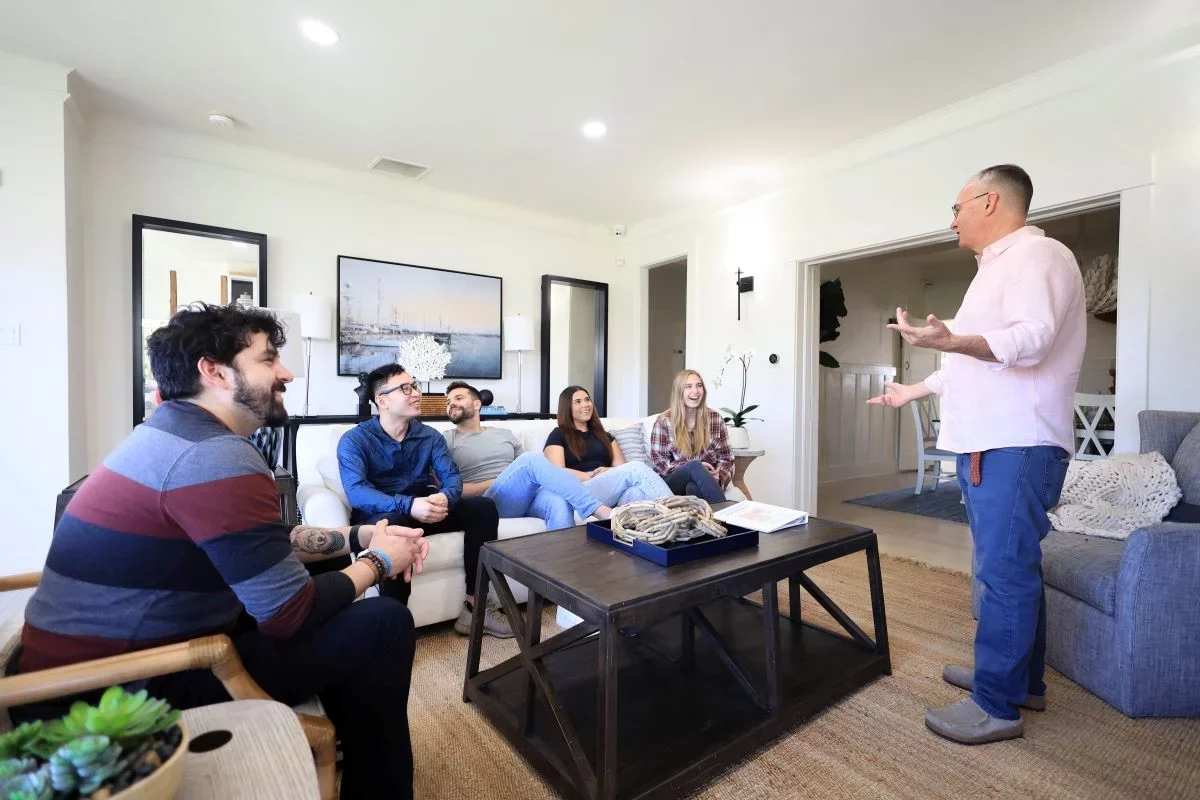
Experiences within sober homes blend rehabilitation elements with opportunities for maintaining work or school commitments while preserving financial independence. Support meetings and peer networks form essential foundations, although residents maintain complete freedom for coming and going. Established curfews, strict no-substance policies, and clear community standards foster environments where people can thrive within supportive, encouraging spaces.
Bridge housing functions as the connection between intensive treatment and full independence, which explains the halfway house terminology. Rather than simply sharing living space with others in recovery, these homes provide less restrictive supervision than treatment facilities while offering more guidance than returning to unsupervised living situations. Critical life skills develop through structured programs, equipping residents for independent living through capabilities such as:
- EMPLOYMENT ACQUISITION
- POST-TREATMENT HOUSING SEARCH
- MAINTAINING HOME SOBRIETY
- INTERPERSONAL ABILITIES
- RELATIONSHIP RESTORATION
- COMMUNITY CONNECTIONS
- TRIGGER MANAGEMENT
- EDUCATIONAL ADVANCEMENT
Contrasting Sober Living Communities with Halfway Houses
Recovery-oriented housing options include both sober living facilities and halfway houses, each designed for people overcoming substance use challenges. Common features exist between these residential models, yet important differences require thoughtful evaluation when selecting appropriate support.
Post-treatment transition environments define sober living homes, mainly accommodating those who have completed formal addiction programs while pursuing independent living and continued sobriety. Enhanced flexibility sets these communities apart from halfway houses, providing residents with greater freedom concerning curfews, visitor policies, and device usage. Sobriety commitment, group involvement, household participation, and financial responsibility represent fundamental expectations for residents.
Court-ordered programs frequently employ halfway houses, which generally feature stricter supervision and regulated procedures. Individuals completing residential treatment who need additional monitoring and guidance during community reintegration commonly reside in these facilities. Required curfews and routine substance screenings demonstrate the more rigid rules governing halfway house occupants.
Available services create another key distinction between these housing alternatives. Therapeutic access and peer group participation characterize both settings, although halfway houses might provide more comprehensive clinical interventions and healthcare services addressing particular mental health needs.
Secure, nurturing environments for establishing recovery foundations describe both sober living homes and halfway houses, helping individuals develop healthy, meaningful sobriety-centered lifestyles. Personal situations, individual requirements, and required support intensity determine the best residential choice for sustaining long-term recovery achievements.
- Employment Acquisition
- Post-Treatment Housing Search
- Maintaining Home Sobriety
- Interpersonal Abilities
- Relationship Restoration
- Community Connections
- Trigger Management
- Educational Advancement
Benefits of Selecting Sober Living Communities
Positive Environment
Examining relationships becomes typical for people recovering from substance dependencies, frequently discovering that numerous connections revolved around drug or alcohol consumption. Pursuing recovery within sober living settings surrounds you with individuals committed to sobriety and adopting substance-free approaches. Mutual support, responsibility systems, and motivating environments offer essential help when managing recovery’s difficult transition phases within these residential settings.
Complete Support
Initial recovery stages create challenges for many people moving from structured rehabilitation directly into independent living arrangements. Community managers supervise daily functions within sober living facilities, while other residents provide guidance as you advance toward independent sober living.
Trained Staff
Carefully screened and credentialed team members work in sober living communities, providing reliable support system assurance for residents. Professional relationships with licensed, qualified specialists relevant to personal recovery paths may also be arranged through community staff connections.
Lower Relapse Risk
Difficult recovery transition periods managed within sober living settings may reduce relapse chances that could undermine progress before building stability. Addiction represents a chronic, recurring brain condition, with documented relapse rates spanning from 40% to 60%, similar to other chronic health conditions. Improved long-term sobriety opportunities exist through Gratitude Lodge’s California sober living programs.

Timeline Recommendations for Sober Living Stays
Standard sober living residencies average 90 days, although longer arrangements meet individual requirements. Challenges after rehabilitation with maintaining sobriety in personal home settings, or unsupportive family perspectives toward recovery efforts, make sober living or halfway houses ideal options for staying dedicated to recovery objectives. Expert support within these settings helps manage major life transitions while establishing suitable residency periods.
Engaged recovery participation, community guideline compliance, and financial responsibility fulfillment typically allow extended sober living community stays as required. Individual addiction recovery journeys differ considerably among people, encouraging the finest communities to use adaptable methods accommodating various needs.

Financial Coverage for Sober Living Programs
Personal rent payments and household duty responsibilities generally define sober living home expectations. Coverage exceptions remain uncommon since government classifications don’t identify these facilities as medical treatment centers. Medical services absence separates sober living homes from rehabilitation programs, though this seeming limitation actually encourages ongoing responsible financial practices through rent payment duties.
Outpatient treatment programs accessed during sober living stays may receive insurance coverage. Coverage restrictions regarding provider choices or expense-sharing requirements might exist depending on specific insurance policies. Deductible levels and co-payment responsibilities affect final expenses, with most treatment centers providing insurance qualification evaluations for outpatient care.

California’s Recovery Housing Environment
Increasing demand defines California sober living alternatives for people recovering from substance use challenges. Encouraging, organized spaces support independent living transitions while actively maintaining sobriety commitments within these specialized California settings.
Wide-ranging services and features offered through California sober living communities include:
- Individual and group counseling service access
- 12-step program and recovery support group connections
- Educational service provision
- Professional skill development
- Employment placement assistance
Targeted programming for co-occurring mental health conditions or special individual needs might also be offered through selected California sober living communities.
Valuable peer connections among fellow recovery participants, plus access to meaningful sober activities and wellness resources encouraging personal growth, represent additional advantages these California homes offer for people recovering from substance dependencies.
Outdoor environment access characterizes most California sober living community sites, supporting flourishing rather than simply surviving methods for California sobriety acceptance.
Note: California sober living terminology describes particular residential settings common throughout California that have achieved international recognition. Regulated, responsible marijuana usage within legal states while maintaining sobriety from other substances defines the California sober living approach for people in addiction recovery. Marijuana dependency concerns require evidence-based treatment contact with Gratitude Lodge in Southern California.
FREQUENTLY ASKED QUESTIONS ABOUT CALIFORNIA SOBER LIVING
California sober living inquiry interests can be addressed through common questions received at Gratitude Lodge in Southern California.
What constitutes sober living?
What changes result from embracing sober lifestyle choices?
What does the sober living experience feel like personally?
What elements define sober living houses?