About Us
 Meet Our Team
 Our Facilities
 Videos
 Newsroom
 Scholarship
 FAQ
FAQ Blog
Blog
 Newport Beach

 Long Beach


 Meth Rehab
 Outpatient Rehab
 IOP Rehab
 Virtual IOP
 PHP Rehab
 LGBTQ Friendly Rehab
 Device Friendly Rehab
 Pet Friendly Rehab
 Couples Drug Rehab
 Reiki Therapy
 Holistic Addiction Therapy
 Addiction Therapy
 Group Addiction Therapy
 EMDR Therapy
 CBT Therapy
 Mood Disorder Treatment
 Panic Disorders/Drinking Problems Treatment
 Addictive Personality Disorder Treatment
 Hyperfixation Treatments
 Hyper Independence Treatment
 Check My Insurance
 Rehab Insurance Coverage
 Financing Options
 Cigna
Cigna











Read More…
Understanding Daily Life In A Sober Living Environment
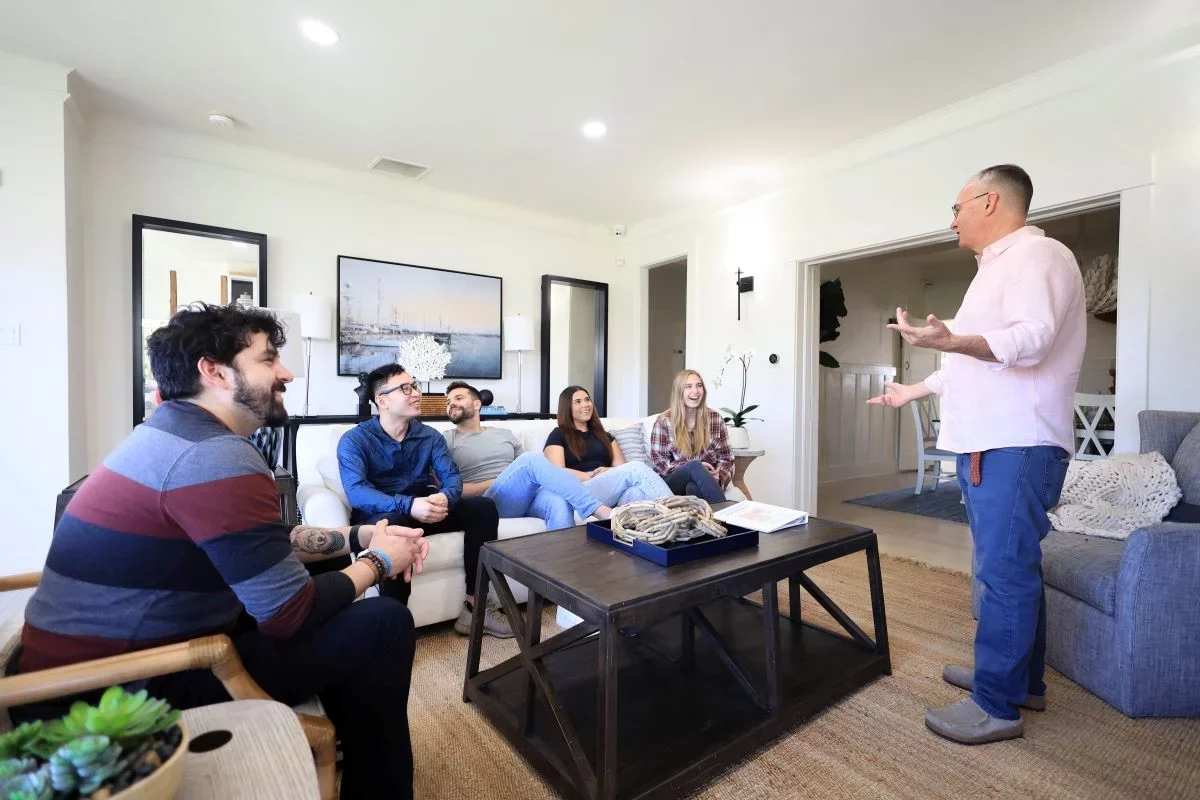
Residential sober living offers an experience comparable to rehabilitation facilities, though residents maintain employment or educational pursuits while preserving financial autonomy. Group sessions and peer support networks remain integral components, yet freedom to leave and return to the residence exists at will. Established curfews, zero-tolerance substance policies, and structured guidelines ensure inhabitants flourish within an uplifting, constructive atmosphere.
Transitional housing represents the midpoint of recovery, earning its halfway house designation. Beyond simply cohabitating with individuals in recovery, these environments deliver reduced structure and increased autonomy compared to rehabilitation centers, while providing enhanced guidance over returning to unmonitored settings. Essential life competencies are developed through sober living programs before residents achieve complete independence, including:
- SECURING EMPLOYMENT
- LOCATING POST-TREATMENT HOUSING
- MAINTAINING SOBRIETY AT HOME
- DEVELOPING SOCIAL CAPABILITIES
- REPAIRING FAMILY BONDS
- BUILDING SUPPORT SYSTEMS
- HANDLING RELAPSE TRIGGERS
- ADVANCING EDUCATIONAL GOALS
Distinguishing Sober Living From Halfway Houses
Recovery-focused residential facilities and halfway houses both serve individuals transitioning from addiction treatment programs. Shared characteristics exist between these community types, yet significant distinctions warrant careful consideration.
Structured sober living environments typically cater to individuals who have successfully finished formal addiction treatment programs and are progressing toward independent living while preserving sobriety. Greater flexibility characterizes sober living facilities compared to halfway houses, permitting residents increased autonomy regarding curfews, guest policies, and technology access. Sobriety maintenance, group participation, and household contribution remain expected while residents cover personal expenses.
Court-mandated treatment programs frequently utilize halfway houses, which maintain stricter operational structures. Enhanced supervision and support characterize these facilities for individuals completing residential treatment who require additional oversight during community reintegration. Mandatory curfews and regular drug screenings may apply to halfway house residents under more rigid regulations.
Service provision and support levels create another fundamental distinction between sober living environments and halfway houses. Both residential options may provide counseling access and support group connections, though halfway houses frequently deliver intensive therapeutic services and medical care addressing specific psychological health requirements.
Ultimately, both residential environments can establish supportive, secure foundations for recovery-focused individuals building healthy, fulfilling sober lifestyles. Choosing between these options depends upon individual circumstances, specific requirements, and the structural support level necessary for maintaining sobriety.
- Securing Employment
- Locating Post-Treatment Housing
- Maintaining Sobriety At Home
- Developing Social Capabilities
- Repairing Family Bonds
- Building Support Systems
- Handling Relapse Triggers
- Advancing Educational Goals
Advantages Of Choosing Sober Living
Constructive Atmosphere
Recovery journeys frequently involve reassessing personal relationships and friendships, revealing connections previously centered around substance use. Continuing recovery within sober living communities surrounds residents with peers dedicated to sobriety and embracing substance-free lifestyles. Peer support, accountability measures, and encouraging environments assist individuals navigating challenging recovery transitions at sober living facilities.
Comprehensive Support
Early recovery phases often present challenges when transitioning from structured residential rehabilitation directly into independent living arrangements. House managers oversee daily operations at sober living facilities, while fellow residents provide assistance as individuals progress toward independent sober living situations.
Qualified Personnel
Vetted and credentialed staff members employed by sober living communities ensure robust support system confidence. Professional connections to licensed and accredited specialists relevant to individual recovery journeys may also be facilitated by sober living community staff.
Reduced Relapse Risk
Pursuing challenging recovery transitions through sober living communities may decrease relapse probability before recovery gains momentum. Addiction represents a chronic and relapsing brain disorder with relapse rates between 40% and 60% comparable to other chronic medical conditions. Enhanced sustained sobriety opportunities are available by contacting Gratitude Lodge for California sober living programs.
Duration Of Sober Living Residence
Typical sober living stays average 90 days, though extended arrangements can be accommodated when necessary. Concerns about maintaining sobriety within personal home environments post-rehabilitation, or family negativity toward recovery efforts, make sober living or halfway houses excellent solutions for staying committed to recovery goals. Professional guidance assists residents navigating significant life changes within sober living environments. Appropriate stay duration recommendations are also provided through professional consultation.
Active recovery pursuit, community rule compliance, and financial obligation fulfillment allow residents to remain in sober living communities for necessary durations. Individual recovery experiences from drug or alcohol addiction vary significantly, and optimal sober living communities accommodate this through flexible programming approaches.

Insurance Coverage For Sober Living Facilities
Rent payment and household chore responsibilities are typically required by most sober living facilities. Insurance coverage eligibility for sober living homes is generally unavailable due to government classification as non-treatment facilities. Treatment services comparable to rehabilitation facilities are not provided by sober living homes. Financial responsibility for rent can actually reinforce responsible spending habits despite appearing disadvantageous.
Outpatient rehabilitation programs attended during sober living residence may qualify for insurance coverage. Provider limitations or cost-sharing requirements may apply under certain insurance policies. Expenses depend upon policy deductibles and co-payment structures. Insurance eligibility for outpatient rehabilitation can typically be determined through treatment facility assistance.

Sober Living In California
California recovery communities have gained popularity among individuals recovering from addiction. Supportive and structured environments designed for recovery transition back to independent living while actively maintaining sobriety characterize California sober living facilities.
Various services and amenities may be offered by California sober living homes, including:
- Individual and group counseling service access
- 12-step program connections and recovery support group links
- Educational service provision
- Career development opportunities
- Employment placement assistance
Specialized programming for co-occurring mental health conditions or unique individual needs may also be available through certain California sober living communities.
Beyond these services, California sober living facilities help individuals recovering from drug or alcohol addiction develop meaningful peer relationships with others in recovery, plus access to engaging sober activities and wellness resources promoting personal development.
Natural environment access characterizes most California sober living community locations, encouraging thriving rather than mere survival within California sober living experiences.
Note: California sober living terminology refers to specific recovery environments prevalent in California that have gained worldwide recognition. Individuals recovering from addiction can maintain sober lifestyles while responsibly using marijuana in controlled manners within states where marijuana use is legal under the California sober living concept. Marijuana addiction development requires evidence-based treatment available through Gratitude Lodge in Southern California.
CALIFORNIA SOBER LIVING FAQS
California sober living exploration interests can be addressed through frequently asked questions received at Gratitude Lodge in Southern California.
How is sober living defined?
What occurs when sober life is embraced?
How does sober living feel?
What constitutes a sober living house?