Long Beach Cocaine Rehab & Addiction Treatment

Long Beach Cocaine Rehab & Addiction Treatment

Compassionate Cocaine Addiction Treatment in Long Beach

At Gratitude Lodge in Long Beach, we focus on specialized cocaine dependency treatment utilizing research-backed methods. Our services tackle the complex challenge of conquering addiction while managing psychological health issues. That’s why our comprehensive diagnosis strategy provides you the resources to rebuild and recover from every element of dependency.

It typically starts with thorough evaluation and detox (when required), accompanied by treatments like cognitive behavioral therapy, pharmaceutical assistance, and collective sessions that foster bonding and strength. The objective isn’t simply to halt destructive patterns, but to establish enduring transformation and improved habits.

Our stunning oceanside setting also provides a calm and rejuvenating natural backdrop for healing to occur. With a substantial regional recovery community and numerous enjoyable drug-free pursuits to experience, Long Beach is an excellent location to obtain care.

Beyond simply treatment, rehabilitation provides connection with a network of assistance that helps people understand they are not isolated. By merging research-based care with motivation and direction, rehabilitation makes sustainable recovery and a refreshed sense of meaning genuinely achievable.

Our creators have completely experienced recovery personally and now flourish in  their professions assisting others accomplish the same. Cocaine dependency is not the conclusion; there is restoration and optimism for you here.

Allow us to be the initial step toward a healing journey directed by experts, sustained by colleagues and honored in fellowship. 

Read More…

What is The Safest Way to Detox?

The safest way to detox cocaine is under the supervision of trained medical professionals in a clinical treatment center. Detoxing from coke in a medical setting ensures that you receive proper medical care and support throughout the withdrawal process. Medical staff can monitor your vital signs, manage any potential complications, and provide medications to ease discomfort and cravings. A detox for cocaine in a controlled environment greatly reduces the risk of relapse and medical emergencies, ensuring a safer and more successful recovery journey.

A woman sits with her hand on her head to represent cocaine detox symptoms.

SYMPTOMS OF COCAINE WITHDRAWAL

The symptoms of cocaine withdrawal can vary in severity and duration, depending on the individual’s cocaine use patterns and overall health. Some common symptoms experienced during cocaine withdrawal include:

  1. Intense cravings: Strong urges to use cocaine, especially during the early stages of withdrawal.
  2. Fatigue and sleep disturbances: Feelings of exhaustion and disrupted sleep patterns, including insomnia or oversleeping.
  3. Anxiety and agitation: Restlessness, nervousness, and feelings of unease.
  4. Depressed mood: Persistent feelings of sadness, hopelessness, or lack of interest in activities once enjoyed.
  5. Increased appetite: A surge in hunger and food cravings.
  6. Irritability: Easily provoked or annoyed reactions to situations or people.
  7. Vivid dreams: Intense and sometimes disturbing dreams during sleep.
  8. Lack of pleasure: Difficulty experiencing pleasure or anhedonia, which can contribute to feelings of emptiness.
  9. Paranoia: Suspicious thoughts or feelings of being watched or targeted.
  10. Dysphoric mood: Feelings of emotional discomfort or unease.


Cocaine withdrawal symptoms can be both physical and psychological, and they can be challenging to cope with without professional help and support. Detoxing from cocaine in a clinical medical treatment center provides the safest and most effective environment for managing these symptoms and increasing the likelihood of a successful recovery journey.


COCAINE DETOX TIMELINE

1. Crash phase (within 6 hours of discontinuing use)

The crash phase is the initial stage of cocaine detox and can begin as soon as six hours after the last use. During this phase, early cocaine detox symptoms manifest in the form of intense cravings, fatigue, increased appetite, and mood swings.

2. Withdrawal phase (up to 4 days)

The withdrawal phase of coke detox is characterized by more intense symptoms as the brain and body adjust to the absence of cocaine. Symptoms during this phase may include depression, anxiety, agitation, vivid dreams, paranoia, and dysphoric mood.

3. Acute withdrawal (1 to 3 weeks)

For those with a history of heavy and prolonged cocaine use, acute withdrawal symptoms may persist for one to three weeks. These symptoms can be severe and may include continued cravings, sleep disturbances, depression, and difficulty experiencing pleasure.

4. PAWS (post-acute withdrawal syndrome) – (weeks to months)

Some individuals may experience a prolonged withdrawal phase known as PAWS (post-acute withdrawal syndrome). During this period, symptoms may come and go for weeks to months after the last use. Common PAWS symptoms include anxiety, irritability, mood swings, and intermittent cravings.


Cocaine withdrawal is a common experience for individuals who develop dependence on this substance. Dependence occurs when prolonged cocaine use leads to a reliance on the drug for normal functioning.

Today, you will learn:

  • How long does cocaine withdrawal last?
  • What are cocaine withdrawals?
  • What are the signs of cocaine withdrawal?
  • What are the symptoms of cocaine withdrawal?
  • What is the cocaine withdrawal timeline?
  • How to connect with cocaine withdrawal treatment in Southern California.

Cocaine Withdrawal Symptoms

Although stimulant withdrawal typically lacks severe withdrawal symptoms [1] and immediate medical complications, certain individuals may be prone to experiencing debilitating dysphoria characterized by depression and overwhelming negative thoughts and feelings. This intense dysphoric phase [2] may be associated with suicidal thoughts and may increase the likelihood of relapse on cocaine. For those with a history of drug abuse, withdrawal symptoms may be even more pronounced, making professional support essential.

While many withdrawal symptoms of cocaine tend to subside within several days of discontinuing stimulant use, some individuals may endure a more prolonged withdrawal, experiencing troublesome symptoms for weeks. Protracted withdrawal is characterized by the persistence of withdrawal signs and symptoms that are substance-specific and extend beyond the expected timeframe.

The severity of withdrawal symptoms may vary significantly among individuals and is influenced by factors such as age, overall health, duration, and quantity of cocaine use crack cocaine withdrawals may be more intenseroute of administration, and concurrent substance use.

Withdrawal symptoms can be so intense that individuals may be driven to use cocaine again solely to alleviate the discomfort of coke withdrawal. Common cocaine withdrawal symptoms [3] include:

  • Cocaine cravings
  • Fatigue
  • Anxiety
  • Irritability
  • Depression
  • Disrupted sleep patterns
  • Increased appetite
  • Slowed thoughts or movements
  • Poor concentration
  • Paranoia

A man sits on a couch with his hand on his face to represent symptoms of cocaine withdrawal.

Cocaine Withdrawal Timeline

Detoxing from cocaine occurs as follows:

Days 1 to 3

Intense cravings for cocaine, fatigue, increased appetite, and restlessness may be experienced. These cravings can be strong and contribute to the difficulty of the withdrawal process.

Days 3 to 7

Anxiety, irritability, and depression often peak during this period. Heightened levels of anxiety and restlessness, accompanied by irritability and mood swings, may be prevalent. Depressive symptoms, such as feelings of sadness, hopelessness, and lack of motivation, can also be pronounced during this time.

Sleep pattern changes, such as increased sleeping or hypersomnia, may occur. Some individuals may find themselves sleeping more than usual, experiencing excessive daytime sleepiness, or having difficulty staying awake.

Days 7 to 14

Physical symptoms, including slowed thoughts and movements, may manifest and persist. Cocaine withdrawal can lead to cognitive and physical slowing, making it challenging for individuals to think clearly, concentrate, and carry out daily tasks.

Day 14 to Day 60

Poor concentration and cognitive difficulties may be experienced. Individuals may struggle with memory, attention span, decision-making, and problem-solving during this time. These cognitive challenges can significantly impact daily functioning and may require time and support to improve.

Paranoia and mood disturbances may gradually improve over time but can persist. Heightened levels of suspicion, paranoia, and irrational thoughts may be present during withdrawal. Mood swings, including feelings of anger, frustration, and emotional instability, may also be experienced.

The cocaine withdrawal timeline can vary for each individual, and not everyone will experience all cocaine withdrawal stages. Factors such as the duration and intensity of cocaine use, overall health, and individual differences can influence the duration and severity of withdrawal symptoms. Seeking professional assistance and support during this time can greatly contribute to a successful recovery journey.

Cocaine Withdrawal Timeline Infographic

Cocaine Withdrawal FAQs

How long does cocaine withdrawal last?

The duration of cocaine withdrawal can vary due to biological differences and variability in drug usage, but it typically lasts for a few days to a couple of weeks. However, some individuals may experience lingering psychological symptoms, such as cravings and mood swings, for several weeks or even months.

What are cocaine withdrawals?

Cocaine withdrawals are a set of symptoms that occur when a person stops using cocaine after prolonged use. These symptoms can include fatigue, depression, anxiety, cravings, and increased appetite.

Are crack cocaine withdrawals the same as cocaine withdrawals?

Withdrawal symptoms from crack cocaine are generally similar to those of powdered cocaine. However, crack cocaine withdrawals may be more intense due to the faster and more intense high produced by crack cocaine.

Is quitting cocaine difficult?

Quitting cocaine can be challenging due to the addictive nature of the drug and the withdrawal symptoms that may arise. However, with proper support and treatment, recovery is possible.

Treatment for Cocaine Withdrawals

For individuals struggling with cocaine addiction, cocaine detox and withdrawal treatment are important parts of the recovery process. Seeking professional substance abuse treatment can provide the necessary support and resources to navigate withdrawal safely and effectively.

Although withdrawal from stimulants is not always severe, it can still pose challenges for individuals seeking recovery. Effective management of cocaine withdrawal can be achieved through professionally managed detox interventions.

Medically supervised detox allows individuals to safely eliminate stimulants from their system while receiving monitoring and support from healthcare professionals. Although there are no medications currently approved for cocaine withdrawal treatment, some medications may be beneficial during detox for managing withdrawal symptoms like insomnia.

Exercise, rest, and a healthy diet are often utilized to address withdrawal symptoms. For individuals experiencing severe and persistent depression during withdrawal, antidepressant medications and psychotherapy may be beneficial. Given the intense drug cravings during cocaine withdrawal, the risk of relapse is high. Behavioral therapeutic interventions like CBT, contingency management, and relapse management techniques can help tackle these challenges.

Detox alone is not a comprehensive rehabilitation program for cocaine withdrawal treatment but rather an initial step in the treatment of substance use disorder. Detox prepares individuals for a subsequent level of care that focuses on addressing all aspects of stimulant use disorder.

Get Treatment for Cocaine Addiction at Gratitude Lodge

At Gratitude Lodge in Southern California, we specialize in helping individuals overcome cocaine addiction and address associated mental health conditions. Our pet-friendly rehab centers in Newport Beach and Long Beach, CA, are designed to facilitate comprehensive recovery for the mind, body, and soul.

With our supervised medical detox program, we offer a safe and seamless pathway for detoxification, ensuring your system is cleansed of addictive substances. Following detox, you can seamlessly transition into one of our specialized treatment programs for cocaine addiction and cocaine withdrawal treatment:

Our treatment programs incorporate a range of evidence-based interventions ideal for cocaine addiction treatment, including:

  • Medication-assisted treatment
  • Psychotherapy
  • Group therapy
  • Individual counseling
  • Family therapy
  • Holistic therapies

To support your journey from active cocaine addiction to ongoing recovery, place your trust in Gratitude Lodge. Contact our admissions team at 844-576-0144 to take the first step towards a drug-free life.

Sources

[1] https://pubmed.ncbi.nlm.nih.gov/7841859/

[2] https://pubmed.ncbi.nlm.nih.gov/29717793/

[3] https://pubmed.ncbi.nlm.nih.gov/15925122/

Cocaine Detox in Long Beach

Cocaine Use Patterns in Long Beach & Number of Outpatient Programs

Cocaine use trends in Long Beach reflect both national patterns and unique local dynamics. With 9,148 people estimated to have struggled with addiction in 2023, it highlights the importance of having treatment options that are adaptable and responsive to the needs of different age groups and lifestyles.

To meet these demands, Long Beach is home to a growing network of inpatient detox treatment programs. Inpatient care plays a vital role by offering immersive residential stays and evidence-based support.

Number of Drug Rehab Treatment Centers in Long Beach that Treat Cocaine Addiction:

  • 30 – 50 cocaine addiction programs in Long Beach provide residents with multiple pathways to recovery, whether they are stepping down from a higher level of care, managing co-occurring mental health concerns, or seeking support while balancing work, school, and family responsibilities.

This accessibility ensures that more individuals can find treatment that fits into their lives while still addressing the complexities of cocaine use and recovery.

Location Overview

Our clean and modern facilities are located near beautiful beaches and a thriving sober community. Clients enjoy easy access to local hiking spots, beaches, restaurants & more nearby.

News Coverage on Substance Abuse in Long Beach

In Long Beach, news outlets regularly report on cocaine abuse as both a public health issue and a community challenge. Articles often focus on rising cocaine overdose rates, shifting drug trends, and the strain placed on local healthcare and emergency services. Coverage also highlights legislative efforts, law enforcement activity, and policy debates that influence how the region responds to addiction.

  • In 2023, there were ~10 news stories covering events involving cocaine abuse in Long Beach. These reports provide residents with critical insight into the scope of the issue and the steps being taken to address it.

Alongside the hard news, many stories showcase personal and community perspectives. Features on prevention programs in schools, profiles of treatment providers, and recovery success stories help reduce stigma while encouraging more people to seek help. By balancing urgent reporting with stories of progress, media coverage in Long Beach shapes public opinion and helps guide future investment in treatment, education, and recovery support.

Our Admissions Process

Gratitude Lodge Rehab Admission Process: Step-by-Step

Step 1Share your story: Connect with us and let us understand your background, challenges, and goals for recovery.
Step 2Complete a simple pre-screening: Answer a few questions so we can assess your needs and coverage.
Step 3Get your personalized treatment plan: We’ll recommend the program best suited to your situation and goals.
Step 4Coordinate your journey: Our team helps you arrange travel, admissions details, and next steps.
Step 5Begin your recovery: Arrive at your chosen facility and start the healing process with confidence.

Gratitude Lodge Recovery Center Accreditations

JCO 2025 Registered
DHCS 2025 Registered
LegitScript 2025 Registered
LMFT 1
CADC II 3
RAC 2
RADT 1
AMFT 3
SUDRC 1
SUDCC 1
APCC 1
StaffPosition TitleCertification and/or License
Sean O’NeillClinical DirectorLMFT
Monica HernandezProgram DirectorCADC ll
Nicholas TrolleyOperations DirectorCADC ll
Jayla PierceOperations TeamRAC
Sierra NicodemusOperations TeamRADT
Tiffany StevensCase ManagerCADC ll
Kayla LugoTherapistAMFT
Emma PsomasAssociate TherapistAMFT
James KrierCase ManagerRAC
Jesus DominguezCase ManagerSUDRC
Ryan NarrimanCase ManagerSUDCC
Joseph PenninoAssociate TherapistAPCC, AMFT

Addictions Gratitude Lodge Treats

Adderall addictionBath salts abuseDexedrine addictionKratom addictionOpioid addiction
Ambien addictionBarbiturate addictionHalcion addictionLithium addictionOxyContin abuse
Amphetamine addictionBenzodiazepine addictionHydrocodone addictionLSD addictionStimulants abuse
Alcohol addictionCocaine addictionInhalant addictionRitalin addiction 
Ativan addictionCodeine addictionPrescription drug addictionMarijuana addiction 
Painkiller addictionPercocet addictionKetamine abuseMeth addiction 

Addictions Gratitude Lodge Treats

Adderall addictionBath salts abuse
Ambien addictionBarbiturate addiction
Amphetamine addictionBenzodiazepine addiction
Alcohol addictionCocaine addiction
Ativan addictionCodeine addiction
Painkiller addictionPercocet addiction
Dexedrine addictionKratom addiction
Halcion addictionLithium addiction
Hydrocodone addictionLSD addiction
Inhalant addictionRitalin addiction
Prescription drug addictionMarijuana addiction
Ketamine abuseMeth addiction
Opioid addictionStimulants abuse
OxyContin abuse 

Levels of Addiction Treatment

Medical detox
Residential & inpatient addiction treatment
Partial hospitalization program (PHP)
Intensive outpatient program (IOP)
Outpatient Program (OP)
Aftercare rehabilitation services

Drug Rehab Therapies

What They Are

Cognitive Behavioral Therapy (CBT)Helps individuals recognize and change negative thought patterns that drive addictive behaviors.
Dialectical Behavior Therapy (DBT)Teaches emotional regulation, mindfulness, and coping skills to manage distress and improve relationships.
Motivational Interviewing (MI)Encourages self-motivation by exploring personal goals and reducing ambivalence about change.
Contingency ManagementUses incentives and rewards to reinforce positive behaviors like staying sober.
12-Step FacilitationProvides structured peer support rooted in the principles of Alcoholics Anonymous and similar programs.
Eye Movement Desensitization and Reprocessing (EMDR)Uses guided eye movements to process and heal trauma linked to substance use.
Family Therapy

Involves loved ones in the recovery process to improve communication and repair relationships.

Group Therapy

Provides peer support, accountability, and shared learning in a guided therapeutic setting.

Holistic Therapy

Incorporates practices like yoga, meditation, art, and music to heal mind, body, and spirit.

Trauma-Informed Care

Addresses the role of past trauma in addiction and helps build healthy coping strategies.

Medication-Assisted Treatment (MAT)

Combines FDA-approved medications with counseling to reduce cravings and withdrawal symptoms.

Cocaine Rehab in Long Beach

Cocaine craving management

Evidence-based therapies for stimulant addiction

Dual diagnosis support for co-occurring mental health conditions

Flexible scheduling options

Navigating Long Beach Inpatient Residential Detox Rehab Options: Distance vs. Insurance Access

Finding the right rehab can be stressful, especially when considering distance, local treatment options, and insurance coverage.

Many people face transportation issues, few nearby programs, or uncertainty about what their insurance will cover. It’s a frustrating process when you’re ready to start getting help.

Sober Activities to Explore Around Long Beach

Recovery is strengthened by engaging in healthy, fulfilling activities that bring purpose and peace. Long Beach is home to several substance-free spaces where you can unwind, connect, and recharge.

Explore these sober-friendly destinations near Long Beach:

  • Sender One Climbing: A supportive indoor rock climbing gym that builds confidence, strength, and community. (1441 S Village Way, Santa Ana, CA 92705)
  • Tru Brew Orangic Coffee: 
  • Huntington Central Park: One of the largest city parks in Orange County, perfect for walking, birdwatching, or relaxing in nature. (18000 Goldenwest St, Huntington Beach, CA 92647)

Want help finding more sober activities nearby? Just let me know your interests or location!

Whether you're reconnecting with family or building new friendships in recovery, Long Beach's community spaces offer peaceful, uplifting environments to help you grow stronger through shared experiences.

What Makes Our Long Beach Cocaine Treatment Center Unique

Our Cocaine treatment program in Long Beach was developed by people who genuinely comprehend the path—those who’ve experienced it firsthand. At Gratitude Lodge, care starts with secure, medically supervised detox, followed by an organized residential experience centered on sustainable healing and development.

We provide extensively individualized treatment that combines counseling, clinical supervision, and wellness approaches. For those requiring it, our staff may include medication-assisted therapy (MAT) to minimize withdrawal and decrease urges, helping establish a solid foundation for recovery.

Selecting our Cocaine rehab means you’re entering a dedicated team that accompanies you through each phase—providing care, guidance, and genuine hope for enduring transformation.

Why Trust Us With Your Care

Lives Treated

0 +
Real people. Real recovery. Real impact.

Certified/Licensed Professionals

0
Experienced, compassionate, and committed to your healing.

States Served

0 +
Patients have traveled from almost every state to come to our California Rehab.

Verified Reviews

0 +
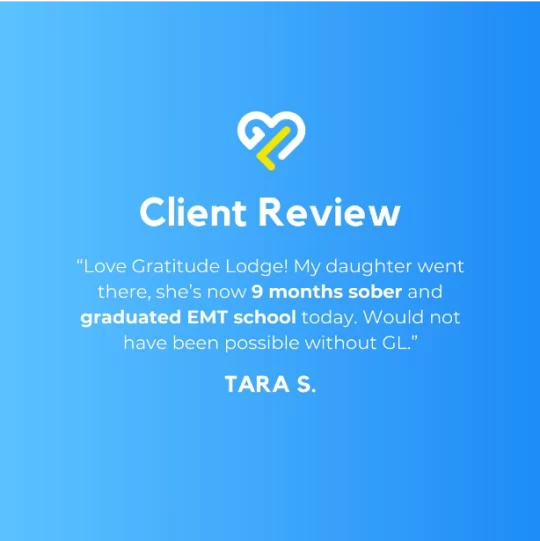
Clients trust us and share their stories.

Why Choose Our Cocaine Rehab in Long Beach?

At Gratitude Lodge, you can receive substance-specific treatment designed for the unique challenges of cocaine addiction. Our therapists understand the withdrawal process, cravings, mental health struggles, and other barriers to recovery that cocaine often presents.

Each treatment plan is tailored to your individual needs, addressing both physical health and mental well-being. Through our dual diagnosis approach, we treat co-occurring mental health conditions alongside substance misuse, helping you get to the root of addiction. With evidence-based therapies like CBT and DBT, paired with whole-person skill building and coping strategies, you’ll be equipped for lasting success.

Cocaine addiction can bring troubling side effects and difficult withdrawal symptoms—but you don’t have to go through it alone. Our cocaine rehab in Long Beach is rooted in compassion, personalized care, and a supportive community to guide you toward long-term recovery.

The Reality of Relapse: Why Rehab Matters

85%

Relapse in the first year without treatment.

Most people struggling with substance use disorder who do not get treatment relapse within months.

40-60%

With treatment, relapses drop significantly within the first year.

Recovery rates improve with each level of care completed in the addiction treatment journey. 

How We Treat Addiction at Our Long Beach Cocaine Rehab

Our Cocaine rehab center in Long Beach offers advanced addiction care rooted in proven, modern clinical methods. From your first day to the final stages of aftercare, our compassionate and culturally sensitive staff tailors treatment to fit your lived experience and long-term recovery goals. We’re dedicated to helping you heal while staying true to who you are.

Cognitive Behavioral Therapy (CBT)

CBT helps individuals identify and change negative thought patterns and behaviors that contribute to addiction and mental health challenges. By learning practical coping strategies, clients gain healthier ways to manage stress and triggers in daily life.

DBT focuses on building emotional regulation, mindfulness, and interpersonal effectiveness skills. It is especially effective for those dealing with intense emotions, self-destructive behaviors, or co-occurring mental health conditions.

MAT combines FDA-approved medications with counseling and behavioral therapies to treat substance use disorders. This approach reduces cravings and withdrawal symptoms, helping clients stay engaged in recovery.

These sessions create a supportive environment where clients can share experiences, build communication skills, and strengthen relationships. Family involvement helps repair trust, improve understanding, and create a healthier foundation for recovery.

Levels of Care in Addiction Treatment

In addiction recovery, it’s important to receive the right level of treatment based on your individual needs. By calling our addiction counselors, you can get help in finding the right level of care for you based on the severity of your addiction. These levels range from highly structured inpatient programs to more flexible outpatient services, providing the most effective treatment for long-term sobriety.
Medically-Supervised Detox

A supervised medical process that manages withdrawal symptoms to prepare individuals for ongoing treatment.

A live-in program that delivers intensive, round-the-clock care and therapy to address substance use or mental health disorders in a structured setting.

A structured, full-day treatment program that provides intensive therapy without requiring overnight stays.

A flexible treatment option offering several hours of therapy per week while allowing clients to maintain daily responsibilities.

A step-down level of care with scheduled therapy sessions that support continued recovery while living independently.

Ongoing support and resources that help individuals maintain long-term sobriety and stability after completing formal treatment.

Gratitude Lodge Admissions

Starting your journey toward recovery at Gratitude Lodge is simple, fast, and fully supported. We offer same-day and next-day admissions, because when you’re ready to get help, there shouldn’t be any delays. Walk-ins are also welcome we’re here when you’re ready to take that first step. From the moment you reach out, our compassionate admissions team will guide you through every part of the process, from insurance verification to creating a personalized treatment plan tailored to your needs. Our goal is to make the process stress-free, so you can focus on what matters most: your healing and recovery.

Our Treatment Network Locations Across US

Gratitude Lodge belongs to a trusted network of addiction & mental health recovery centers across the nation. Visit www.districtbehavioralhealth.com to learn more.

*Red Pins: Our Locations / Blue Pins: States Patients Have Traveled From

Related Pages

4.9

Detox & Inpatient Treatment

Our Los Angeles facility provides a safe and welcoming space in a convenient location. This center is ideal for individuals looking for structure, community, and healing.

4.7

PHP, IOP, & OP Treatment

Located in the heart of Orange County, our flagship center offers full outpatient treatment, mental health support, and dual diagnosis care. Enjoy a peaceful, professional setting just minutes from the coast.

Connect on Our Socials

Check out our social content for facility videos, client interviews, recovery content, & more!

What Our Clients Say

Cocaine Rehab in Long Beach FAQs

What makes Cocaine treatment in Long Beach different from other locations?
What types of therapies are used in Cocaine treatment programs?
Do Cocaine centers in Long Beach offer detox programs?
How long is a typical Cocaine treatment program?
Is family involvement part of the treatment process?
What does a typical day look like in Cocaine treatment?
Are holistic treatments part of the care plan?
What are the living arrangements like?
Is insurance accepted for Cocaine treatment in Long Beach?
What happens after I complete treatment?
Can I stay connected to work or school while in treatment?

We Work With Most Major Insurance Plans

Our quick insurance verification process makes it easy to understand your benefits. We partner with the majority of leading insurance providers to help reduce your out-of-pocket expenses and get you started on treatment without delays.

Scholarship Opportunity

At Gratitude Lodge, we’re committed to helping individuals reach their full potential and build brighter futures. Our $1,000 scholarships are one way we give back, empowering students to achieve their goals. With a 500-word essay, you can apply for 2025. Click below to learn more, hear from past winners, and apply today!

Contact Us

Insurance Verification Form

[tracking]