


Detox Couples Rehab Treatment

Inpatient Couples Rehab Treatment

Specialized Couples Rehab & Drug Detox Centers

Authored By:

Cynthia Chacon

Edited By:

Amy Leifeste

Medically
Reviewed By:

Sean O'Neill
MS, LMFT 112879

An image of Karena Mathis, author for gratitude lodge
Authored By:

Karena Mathis

Edited By

Amy Leifeste

Sean O'Neill
Medically Reviewed By

Sean O'Neill
MS, LMFT 112879

We understand recovery, we can help

Table of Contents

Couples Drug Rehab Focused on Healing Together

Addiction often reshapes a relationship in painful ways due to fractured trust, disrupted communication, and connection turned into conflict or distance. Many couples want to recover together but fear that treatment will separate them or ignore the relational wounds created by substance use. Couples drug therapy provides a space where both partners can feel seen and supported, allowing healing to happen not just individually, but within the relationship itself.

  • Addiction frequently creates cycles of conflict, secrecy, or codependency
  • Substance abuse damages trust and emotional security
  • One partner’s recovery can feel unstable without shared understanding
  • Unresolved relationship stress can increase relapse risk
  • Healing together can restore connection, accountability, and hope

At Gratitude Lodge in the District Behavioral Health network, couples drug therapy is offered within our residential treatment setting when clinically appropriate. Each partner receives individualized addiction care while also participating in joint therapy sessions focused on communication, boundaries, and rebuilding trust. Our clinical team uses evidence-based and trauma-informed approaches to help couples understand how addiction has affected their relationship and how to create healthier patterns moving forward. 

Within a calm, structured environment, couples are given the time and space to stabilize, reconnect, and build a stronger foundation for long-term recovery—together.

See more below for more information on couples’ drug therapy. 

Get Personalized Addiction Care at The Gratitude Lodge

Our rehab centers support men and women struggling with substance use and co-occurring mental health disorders. Gratitude Lodge specializes in inpatient residential treatment and the initial detox phase of drug rehab, providing individualized, evidence-based care in serene, structured environments throughout Southern California to help individuals stabilize, begin healing, and build a strong foundation for lasting recovery.

Couples Rehab: Complete Guide to Joint Addiction Treatment Programs

Addiction doesn’t just affect individuals—it devastates relationships, fractures trust, and can destroy the foundation couples have built together. When substance abuse enters a relationship, both partners suffer, whether one or both are actively using. Traditional addiction treatment programs focus solely on the individual, often leaving the relationship dynamics that contributed to or resulted from addiction unaddressed.

Couples rehab offers a revolutionary approach that treats both the addiction and the relationship simultaneously. This comprehensive guide explores everything you need to know about joint addiction treatment programs, from evidence-based methodologies to insurance coverage, helping you understand whether couples rehab might be the right path for your recovery journey.

Research consistently shows that couples who undergo addiction treatment together achieve higher success rates and maintain sobriety longer than those who pursue individual treatment alone. With the proper program, couples can not only overcome substance use disorder but emerge with a stronger, healthier relationship than ever before.

What Is Couples Rehab and How Does It Work?

Couples rehab represents a specialized approach to addiction treatment that addresses both individual substance use disorders and the relationship dynamics that fuel addiction cycles. Unlike traditional drug and alcohol rehab programs that treat patients in isolation, couples addiction treatment recognizes the intimate partner as both a potential risk factor and a powerful recovery resource.

The core definition of couples rehab encompasses structured addiction treatment programs where both members of a romantic relationship engage in recovery services simultaneously. These programs maintain explicit goals of reducing or eliminating substance use, improving relationship functioning, strengthening communication skills, and creating mutual support systems for long term recovery.

Couples rehab programs typically combine individual therapy sessions with joint couples therapy sessions, creating a comprehensive treatment approach. During individual counseling, each partner addresses personal addiction issues, trauma, and mental health concerns. The joint therapy sessions focus specifically on relationship dynamics, communication patterns, and building healthy coping strategies together.

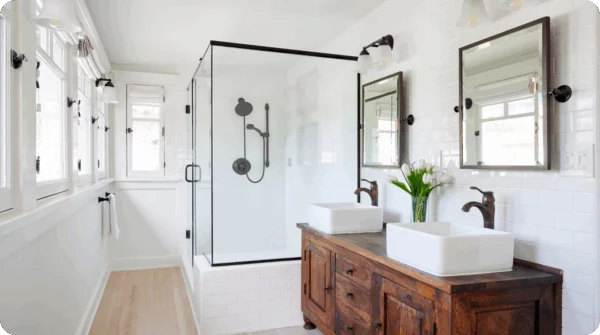
Where You’d Be Staying

We strive to provide a comfortable, home-like environment during your recovery journey. Browse our facility images below to take a look at our upscale residential facilities.

Treatment Modalities and Program Structure

Most couples rehab centers utilize evidence-based treatment approaches, particularly Behavioral Couples Therapy for substance use disorders. This methodology has over 30 years of research demonstrating its effectiveness. The treatment typically includes daily recovery contracts where both partners commit to sobriety and supportive behaviors, structured communication training, and shared activities that reinforce positive relationship interactions without drugs or alcohol.

The residential treatment option involves both partners living at the same facility for 30 to 90+ days, participating in daily programming that includes medical care, individual therapy, group therapy sessions, and couples counseling. Outpatient programs allow couples to live at home while attending treatment sessions several times per week, making it possible to maintain work and family responsibilities during recovery.

A critical distinction exists between true couples rehab and parallel individual treatment. While some facilities may treat both partners simultaneously in separate programs, genuine couples addiction treatment requires structured conjoint work that specifically addresses relationship patterns, substance use triggers within the relationship, and mutual accountability systems.

How Addiction Impacts Relationships and Why Joint Treatment Matters

Substance abuse creates devastating ripple effects throughout intimate relationships, fundamentally altering communication patterns, trust levels, and emotional connection between partners. When addiction takes hold, couples often develop destructive cycles where one partner’s substance use triggers the other’s enabling behaviors, criticism, or emotional withdrawal—responses that unintentionally maintain or worsen the addiction.

Research reveals that substance use disorders significantly increase relationship breakdown rates. Studies show that couples where only one partner seeks individual addiction treatment experience higher rates of separation and divorce compared to couples who pursue recovery together. The non-using partner often feels isolated, resentful, and unable to trust their partner’s commitment to sobriety when excluded from the treatment process.

The Codependency Cycle

Addiction frequently creates codependency patterns where partners become enmeshed in unhealthy relationship dynamics. The non-addicted partner may develop enabling behaviors, such as covering for their partner’s substance use, managing consequences without accountability, or taking on excessive caregiving roles. These patterns, while intended to help, often remove natural consequences that might otherwise motivate change.

Conversely, the partner with substance use disorder may manipulate, lie, or become emotionally distant to protect their ability to continue using. This creates emotional distance and erodes the foundation of trust essential for healthy relationships. Traditional individual treatment often fails to address these ingrained relationship patterns, leaving couples vulnerable to relapse even when the individual achieves initial sobriety.

Evidence for Joint Treatment Effectiveness

Meta-analytic research examining significant-other involvement in addiction treatment demonstrates statistically significant improvements in substance use outcomes compared to individual-only approaches. Couples who participate in joint treatment show fewer days of substance use, longer periods of continuous abstinence, and better treatment retention rates when followed for 6, 12, and up to 24 months post-treatment.

Beyond substance use outcomes, couples rehab produces measurable improvements in relationship functioning. Partners report higher relationship satisfaction, better communication skills, reduced conflict frequency, and lower rates of intimate partner violence. These relationship improvements aren’t just quality-of-life benefits—they directly support long-term sobriety by reducing the relational triggers that commonly precipitate relapse.

Benefits of Couples Rehab Programs

Couples rehab programs offer unique advantages that extend far beyond what individual addiction treatment can achieve. The most significant benefit lies in creating mutual accountability systems where both partners actively support each other’s recovery goals. This shared responsibility transforms the dynamic from one person carrying the burden of change to a unified team approach.

Enhanced Recovery Success Rates

Research consistently demonstrates that couples who undergo treatment together achieve superior outcomes compared to individual treatment approaches. Behavioral Couples Therapy studies show participants experience fewer substance-related problems, maintain abstinence for longer periods, and report significantly higher relationship satisfaction scores. The partner becomes a “recovery resource” who reinforces sobriety, supports medication assisted treatment adherence, and participates in relapse prevention strategies.

The accountability factor proves particularly powerful in maintaining sobriety. Daily recovery contracts, where both partners commit to abstinence and supportive behaviors, create consistent reinforcement for healthy choices. The partner can help monitor high-risk situations, participate in trigger identification, and co-create a recovery-oriented home environment that supports long term sobriety.

We Accept Most Major Insurance

View our wide selection of accepted providers.
Don’t see yours? Call our admissions team for help.

View our wide selection of accepted providers. Don’t see yours? Call our admissions team for help.

Struggling with addiction? We can help.

Our insurance-covered rehab offers premier treatment for drug addiction, alcohol addiction, & mental health disorders. Call our friendly team today to get started.

Improved Communication and Relationship Skills

Joint therapy sessions focus intensively on communication skills training, teaching couples how to express needs, resolve conflicts, and rebuild intimacy without substances. Many couples discover that their substance use masked underlying relationship issues or prevented them from developing healthy coping strategies. Couples therapy sessions provide a safe space to process resentments, betrayal, and loss of trust while learning constructive communication techniques.

The therapeutic process helps partners understand how addiction affected both individuals and teaches them to rebuild emotional connection. Couples learn to identify destructive patterns, such as criticism-withdrawal cycles or enabling behaviors, and replace them with mutual support and healthy boundaries.

Cost-Effectiveness and Practical Benefits

Treating both partners simultaneously often proves more cost-effective than sequential individual treatments. Many insurance plans cover couples rehab under substance abuse treatment benefits, and some facilities offer discounted rates when both partners enroll. This approach also reduces the time both partners spend away from work or family responsibilities compared to staggered individual treatment episodes.

The supportive community aspect of couples rehab creates additional benefits. Group therapy sessions with other couples facing similar challenges provide peer support and reduce the isolation that often accompanies addiction. Couples learn from others’ experiences and develop a network of relationships that can provide ongoing support throughout the recovery process.

Evidence-Based Treatment Approaches in Couples Rehab

Modern couples rehab programs rely heavily on evidence-based methodologies that have demonstrated effectiveness through rigorous clinical research. The foundation of most quality programs rests on Behavioral Couples Therapy, which has been refined over more than 30 years and validated through multiple randomized controlled trials.

Behavioral Couples Therapy (BCT) Methodology

BCT operates on social learning and behavioral principles, assuming that partner behavior can be shaped to reward sobriety and healthy interaction while extinguishing substance-related and destructive relationship behaviors. The approach typically involves 15-20 weekly sessions, though residential programs may adapt this into more intensive daily programming.

Core BCT elements include substance-focused interventions, such as recovery contracts where the patient commits daily to abstinence while the partner responds with constructive, supportive behaviors. Relationship-focused interventions emphasize communication skills training, problem-solving techniques, reinforcement of positive behaviors, and planned shared activities that don’t involve alcohol or drugs.

The methodology has demonstrated consistent superiority over individual-only treatment across multiple studies. Participants show better drinking and drug use outcomes, higher relationship satisfaction, reduced intimate partner violence, and improved children’s psychosocial functioning when compared to individual treatment approaches.

Integrated Therapeutic Approaches

Quality couples rehab programs integrate multiple evidence-based modalities beyond BCT. Cognitive Behavioral Therapy adapted for couples addresses distorted thinking patterns that contribute to both addiction and relationship dysfunction. Partners learn to identify negative thought patterns, challenge irrational beliefs, and develop healthier coping strategies together.

Trauma-informed care recognizes that many couples dealing with addiction have experienced shared traumatic events or individual traumas that affect the relationship. Treatment may incorporate EMDR (Eye Movement Desensitization and Reprocessing) or trauma-focused cognitive behavioral therapy, carefully titrated to avoid destabilizing early recovery.

Family therapy principles may be integrated when couples have children or extended family heavily involved in their lives. Multi-generational trauma patterns, parenting skills, and family systems dynamics all receive attention to create comprehensive healing.

Individual vs Group Therapy Components

Effective couples rehab programs carefully balance individual and joint therapeutic work. Individual therapy sessions allow each partner to address personal addiction issues, mental health concerns, and individual trauma without the presence of their partner. This private space ensures that each person can speak freely about sensitive topics and receive individualized treatment for co-occurring disorders.

Joint couples therapy sessions focus specifically on relationship dynamics, communication patterns, conflict resolution, and shared recovery planning. These sessions address topics like rebuilding trust, managing triggers within the relationship, and coordinating recovery activities.

Group therapy sessions with other couples provide peer support and normalize the challenges of recovery. These groups may focus on psychoeducation about addiction’s impact on relationships, skills practice in communication techniques, or shared problem-solving around common challenges couples face in recovery.

Many programs also include individual and group sessions that address specific issues like relapse prevention strategies, stress management, and building healthy social networks outside the relationship.

When Couples Rehab Is and Isn’t Appropriate

Couples rehab isn’t suitable for every relationship affected by addiction. Treatment centers conduct comprehensive assessments to determine whether joint treatment will be beneficial or potentially harmful. Understanding the criteria for appropriate candidates helps couples make informed decisions about their treatment approach.

Ideal Candidates for Couples Rehab

The most suitable candidates for couples rehab are committed relationships where both partners genuinely want to recover and repair their relationship. Both individuals must demonstrate motivation to address their substance use and willingness to examine their relationship patterns honestly. The relationship should have a foundation of love and commitment that can withstand the challenges of recovery work.

Couples who benefit most from joint treatment typically have stable living situations, absence of severe mental illness that would interfere with couples work, and the ability to participate safely in joint sessions. The presence of children often strengthens the case for couples treatment, as research shows improved outcomes for children when parents recover together.

Assessment criteria include each partner’s readiness for change, their individual addiction severity, presence of co-occurring mental health disorders, and their relationship’s overall stability. Treatment centers evaluate whether the couple has sufficient relationship skills to build upon or whether individual work should precede couples treatment.

Warning Signs and Contraindications

Behavioral Couples Therapy and similar approaches are contraindicated when severe, uncontrolled intimate partner violence is present. Any history of physical abuse, threats, or patterns of coercive control requires individual treatment and safety planning before couples work can be considered. The safety of both partners must be ensured before joint treatment begins.

Unwillingness from either partner represents another significant contraindication. If one person is being pressured or coerced into treatment by their partner, the therapeutic process becomes compromised. Both partners must voluntarily consent to participate and demonstrate genuine motivation for change.

Severe psychiatric conditions in either partner may require stabilization through individual treatment before couples work begins. Active psychosis, uncontrolled bipolar disorder, or severe personality disorders can interfere with the couples therapy process and may require specialized individual attention first.

Substance use patterns also influence appropriateness. If one partner uses substances that create immediate physical danger (such as intravenous drug use with infectious disease risk), medical stabilization and individual treatment may need to precede couples work.

Different Living Arrangements During Treatment

Couples rehab programs offer various living arrangement options depending on the couple’s needs and the facility’s structure. Same facility, same living quarters works well for couples with similar treatment needs and stable relationship dynamics. This arrangement maximizes mutual support and allows for immediate application of skills learned in therapy sessions.

Same facility, separate housing arrangements provide more intensive individual focus while maintaining coordinated care. This option benefits couples who need significant individual work on trauma, mental health issues, or addiction severity before intensive couples work begins. Partners can participate in joint sessions while maintaining separate living spaces for reflection and individual growth.

Some programs coordinate care between different facilities, allowing partners to receive specialized treatment for their individual needs while scheduling regular joint sessions. This approach works when partners have significantly different treatment requirements or when one facility specializes in specific addiction types or co-occurring disorders.

Each arrangement offers distinct benefits and challenges. Same quarters maximize mutual support but may create pressure or enable avoidance of individual issues. Separate arrangements allow for individual focus but require stronger communication and coordination between treatment teams.

Types of Couples Rehab Programs Available

Couples rehab programs span the full continuum of addiction treatment services, from intensive residential treatment to flexible outpatient options. Understanding the different program types helps couples select the level of care that best matches their needs, circumstances, and addiction severity.

Residential Treatment Programs

Residential couples rehab represents the most intensive level of care, with both partners living at the treatment facility 24/7 while receiving comprehensive addiction treatment programs. These programs typically last 30, 60, or 90 days, with longer durations generally producing better long-term outcomes.

Thirty-day programs provide intensive detox, initial stabilization, and introduction to recovery skills. These shorter programs work best for couples with less severe addictions, strong motivation, and solid support systems. Sixty to 90-day programs allow for deeper therapeutic work, more comprehensive skill development, and better integration of couples therapy techniques.

Residential facilities provide round-the-clock medical supervision, structured daily programming, and immediate access to crisis intervention if needed. The immersive environment removes external triggers and pressures, allowing couples to focus entirely on recovery work. Daily programming typically includes individual therapy, joint couples sessions, group therapy, educational workshops, and recreational activities that promote healthy relationship bonding.

Luxury rehab facilities offer premium accommodations, private rooms, gourmet meals, and additional amenities like spa services, fitness programs, and recreational activities. While these amenities don’t directly impact treatment outcomes, they can improve comfort and motivation for couples who prefer upscale environments.

Outpatient Treatment Options

Intensive Outpatient Programs allow couples to live at home while attending treatment sessions 3-6 days per week for 3-4 hours per session. IOP works well for couples with less severe addictions, stable housing, and strong commitment to recovery. The ability to maintain work, childcare, and other responsibilities makes IOP attractive for many couples.

Partial Hospitalization Programs provide daily treatment sessions 5-7 days per week for 6-8 hours per day while allowing couples to return home each evening. PHP offers more intensive support than IOP while maintaining the flexibility of living at home. This level of care suits couples who need significant structure but have safe, stable home environments.

Standard outpatient treatment involves 1-2 sessions per week and works best as step-down care after completing residential or intensive programming. Some couples begin with outpatient treatment if their addiction severity is mild and their relationship is relatively stable.

Each outpatient option requires careful consideration of the home environment. If the couple’s living situation contains triggers, enables substance use, or lacks safety, residential treatment may be necessary before transitioning to outpatient care.

Medical Detox and Withdrawal Management for Couples

Many couples entering rehab require medical detox to safely manage withdrawal symptoms from alcohol, opioids, or other substances. Medical detoxification involves 24/7 medical monitoring, medication management, and supportive care during the acute withdrawal phase.

When both partners need detox, treatment centers may stagger the process for safety reasons or provide parallel detox services with coordinated care. Medical professionals assess each partner’s withdrawal risk, substance use history, and overall health to determine the safest approach.

Medication assisted treatment plays a crucial role for couples dealing with opioid addiction. Methadone, buprenorphine, and naltrexone can significantly improve treatment outcomes when integrated into couples rehab programs. Some couples participate in MAT programs together, with both partners receiving medication and participating in structured couples counseling.

The emotional support between partners during detox provides significant benefits. Having a loved one present during this challenging period can reduce anxiety, improve treatment compliance, and strengthen motivation for continued recovery. However, medical teams carefully monitor these interactions to ensure both partners’ safety and avoid enabling behaviors.

Withdrawal symptoms vary depending on the substances used, duration of use, and individual health factors. Medical teams provide medications to manage symptoms like anxiety, nausea, sleep disturbances, and pain while monitoring for serious complications like seizures or delirium.

Insurance Coverage and Cost Considerations

Understanding the financial aspects of couples rehab helps couples make informed decisions about treatment options and plan for the recovery process. Insurance coverage varies significantly between plans, and costs can range from several thousand to tens of thousands of dollars depending on the program type and duration.

Average Treatment Costs

Current industry data shows that Intensive Outpatient Programs average $4,939 per person, making the total cost for couples approximately $9,878 for IOP treatment. Residential treatment programs average $9,766 per person, creating total costs of roughly $19,532 for couples pursuing inpatient care.

These averages vary considerably based on geographic location, facility amenities, program length, and included services. Luxury residential facilities can cost $30,000-$100,000 per month per person, while basic residential programs may range from $5,000-$20,000 per month per person.

Additional costs may include medical detox (typically $1,500-$5,000 per person), psychiatric evaluation and medication management, family therapy sessions, and continuing care services. Some facilities offer package pricing that includes multiple services, while others bill separately for each component.

Insurance Coverage and Verification

Most commercial health insurance plans cover substance abuse treatment under mental health benefits, with coverage rates typically ranging from 50-80% of costs. Major insurance providers that commonly accept couples rehab include BlueCross BlueShield, Cigna, Aetna, and TRICARE for military families.

The verification successful waiting period varies by insurance provider, but most require pre-authorization for residential treatment and may limit the length of covered stays. Insurance plans cover couples rehab under individual substance use disorder benefits for each partner rather than as a separate couples service category.

Coverage typically includes medical detox, inpatient or outpatient treatment, individual therapy, group therapy, and medication management. Couples therapy sessions are often covered when provided as part of substance abuse treatment rather than general relationship counseling.

Before beginning treatment, couples should contact their insurance provider to verify benefits, understand co-payment requirements, obtain pre-authorization for residential care, and confirm that their chosen facility participates in their insurance network.

Payment Options for Uninsured Couples

Couples without insurance coverage or with limited benefits have several options for managing treatment costs. Many treatment centers offer sliding scale fees based on income and ability to pay, payment plans that spread costs over several months, and financial assistance programs for qualifying couples.

Some facilities provide discounted rates when both partners enroll simultaneously, recognizing the benefits of treating couples together. Financing companies specialize in medical treatment loans with competitive interest rates for addiction treatment.

State-funded programs may provide services for couples who meet income requirements, though availability varies by location and demand often exceeds capacity. Some employers offer Employee Assistance Programs that include addiction treatment benefits beyond standard insurance coverage.

Couples should consider treatment as an investment in their relationship and future well-being. The costs of untreated addiction—including legal problems, job loss, medical complications, and relationship breakdown—often exceed treatment expenses many times over.

Aftercare and Long-Term Recovery Support

Successful couples rehab extends far beyond the initial treatment episode. Long-term recovery requires ongoing support, continued skill development, and maintenance of healthy relationship patterns established during treatment. Comprehensive aftercare planning begins during the initial treatment phase and continues for months or years after program completion.

Structured Aftercare Components

Quality couples rehab programs develop detailed aftercare plans that include ongoing couples therapy sessions, individual therapy maintenance, support group participation, and regular check-ins with treatment teams. The aftercare plan addresses potential relapse triggers, identifies warning signs of relationship stress, and provides specific action steps for managing challenges.

Ongoing couples therapy sessions, typically scheduled weekly or bi-weekly initially, help couples apply recovery skills to real-world situations. These sessions address new stressors like job changes, family conflicts, or financial pressures that could destabilize recovery. The frequency of sessions may decrease over time as couples demonstrate stable recovery and healthy relationship functioning.

Relapse prevention strategies specifically designed for couples include joint relapse prevention planning, mutual monitoring systems, and coordinated responses to high-risk situations. Couples learn to identify each other’s warning signs, communicate concerns without blame or criticism, and activate support systems when needed.

Support groups provide ongoing community connections and accountability. Some couples participate in groups specifically for couples in recovery, while others may attend separate individual support groups while maintaining their couple’s recovery work. Popular options include 12-step programs, SMART Recovery groups, and secular recovery communities.

Alumni Programs and Peer Support

Many treatment centers offer alumni programs that connect couples with others who completed treatment at the same facility. These programs provide ongoing education, social activities that support sobriety, and peer mentorship opportunities where more experienced couples support newer graduates.

Alumni events, online support forums, and regular check-in calls help maintain connection with the treatment community and provide ongoing encouragement. Research shows that couples who maintain connections with their treatment community experience better long-term outcomes than those who isolate after program completion.

Peer support relationships often develop naturally among couples in treatment together. These friendships provide mutual encouragement, accountability partners, and social connections that support recovery. Having friends who understand the challenges of couples recovery reduces isolation and provides practical support during difficult times.

Building Healthy Relationship Patterns in Sobriety

Recovery requires couples to establish new routines and activities that support sobriety while strengthening their relationship. This process involves replacing substance-centered activities with healthy alternatives that provide enjoyment and bonding opportunities.

Communication techniques learned during treatment must be practiced and refined in daily life. Couples learn to use “I” statements, active listening skills, and conflict resolution strategies consistently. Regular relationship check-ins, scheduled weekly or monthly, help maintain open communication and address issues before they escalate.

Conflict resolution skills prevent relationship-triggered relapses by teaching couples how to manage disagreements constructively. Rather than avoiding conflict or allowing it to escalate dangerously, couples learn to address differences directly while maintaining respect and emotional safety.

Establishing new social networks that support recovery becomes crucial for long-term success. This may involve ending relationships with people who use substances, joining new social groups centered around healthy activities, and building friendships with other couples in recovery.

The ongoing therapy maintenance schedule typically involves weekly sessions initially, gradually decreasing to monthly or quarterly check-ins as couples demonstrate stability. Some couples continue periodic sessions indefinitely as a form of relationship maintenance and relapse prevention.

Success Rates and Treatment Outcomes

Understanding the effectiveness of couples rehab requires examining both substance use outcomes and relationship functioning improvements. Research consistently demonstrates superior outcomes for couples who pursue joint treatment compared to individual-only approaches across multiple measures of success.

Comparative Success Rates

Behavioral Couples Therapy research spanning over 30 years shows that couples participating in joint treatment achieve significantly better outcomes than those receiving individual-only care. Studies tracking participants for 6, 12, and up to 24 months post-treatment consistently find fewer days of substance use, longer periods of continuous abstinence, and fewer substance-related problems among couples treatment participants.

Meta-analytic research examining significant-other involvement in addiction treatment demonstrates statistically significant, clinically meaningful improvements in substance use outcomes compared to individual treatments alone. These benefits include better treatment retention, greater continuous abstinence rates, and reduced relapse rates during follow-up periods.

Industry estimates suggest that couples rehab success rates, defined broadly as reduced substance use combined with improved relationship satisfaction and sustained recovery, may range from 30-70% depending on program quality, treatment intensity, and aftercare participation. These ranges reflect the complexity of measuring success in addiction treatment, where complete abstinence represents only one possible positive outcome.

Factors Contributing to Successful Recovery

Several factors predict successful outcomes in couples rehab programs. Treatment completion strongly predicts better long-term results, with couples who complete their full program showing significantly better outcomes than those who leave early. Program length also correlates with success, with 90-day programs generally achieving better results than shorter 30-day programs.

The quality and intensity of aftercare services significantly impact long-term success. Couples who participate in ongoing therapy, maintain support group involvement, and follow through with continuing care recommendations show better outcomes at one and two-year follow-up assessments.

Relationship factors also influence success rates. Couples with stronger pre-treatment relationship satisfaction, absence of domestic violence, and mutual motivation for change typically achieve better outcomes. The presence of children often provides additional motivation and improved treatment outcomes for couples.

Individual factors such as addiction severity, co-occurring mental health disorders, and previous treatment history affect success rates. However, the mutual support provided in couples treatment often helps compensate for individual risk factors that might predict poor outcomes in individual treatment.

Long-Term Relationship Improvements

Beyond substance use outcomes, couples rehab produces measurable improvements in relationship functioning that continue long after treatment completion. Research studies show higher relationship satisfaction scores, reduced conflict frequency, and lower rates of separation or divorce among couples who complete joint treatment compared to individual-only treatment participants.

Communication skills improvements persist over time, with couples maintaining better conflict resolution abilities and emotional intimacy measures at follow-up assessments. The ability to address relationship stressors constructively reduces the likelihood that relationship problems will trigger relapse episodes.

Studies also document reductions in intimate partner violence and improved family functioning, including better outcomes for children in the household. These improvements benefit not just the couple but their entire family system and social network.

Common Challenges and Success Factors

The first year following couples rehab presents unique challenges that couples must navigate successfully to maintain their recovery and relationship gains. Common challenges include adjusting to sober socializing, managing stress without substances, rebuilding trust damaged by addiction, and learning to enjoy intimacy without chemical enhancement.

Financial stress often emerges as couples address the financial damage caused by their addiction while managing treatment costs and potential income reduction during recovery. Learning to manage money responsibly and communicate about financial decisions becomes an important recovery skill.

Social relationship changes create additional challenges as couples may need to end friendships with people who use substances and build new social networks that support recovery. This process can feel isolating initially but ultimately leads to healthier, more supportive relationships.

Successful couples develop strategies for managing these challenges together, including regular relationship check-ins, proactive stress management, continued therapy participation, and maintaining connections with their recovery community. Those who view recovery as an ongoing process rather than a one-time achievement tend to achieve better long-term outcomes.

How to Choose the Right Couples Rehab Program

Selecting the appropriate couples rehab program requires careful evaluation of multiple factors including clinical quality, program structure, staff qualifications, and practical considerations. The decision significantly impacts treatment outcomes, making thorough research essential for couples seeking treatment.

Essential Evaluation Criteria

When evaluating potential treatment facilities, couples should verify proper licensing and accreditation from recognized organizations such as the Commission on Accreditation of Rehabilitation Facilities (CARF) or The Joint Commission. These accreditations ensure that facilities meet established standards for safety, clinical care, and ethical practices.

Staff qualifications represent another crucial factor. Quality programs employ licensed addiction counselors, licensed marriage and family therapists, and medical professionals with specialized training in couples addiction treatment. Ask specifically about staff experience with behavioral couples therapy or other evidence-based couples treatment modalities.

Clinical programming should include both individual and joint therapy components, with clear protocols for couples work. Programs should use evidence-based treatment approaches like Behavioral Couples Therapy rather than relying solely on general relationship counseling. Ask about the specific methodologies used and the research supporting their effectiveness.

Program Structure and Services

Comprehensive couples rehab programs provide medical detoxification services, psychiatric evaluation and medication management, individual counseling for each partner, structured couples therapy sessions, group therapy with other couples, family therapy when children are involved, and robust aftercare planning.

The daily schedule should balance individual and joint therapeutic work while providing sufficient time for skill practice and relationship building. Quality programs also include educational components about addiction’s impact on relationships, communication skills training, and relapse prevention planning specifically designed for couples.

Medical services become particularly important when both partners require detox or have co-occurring mental health disorders. Ensure that the facility can provide appropriate medical supervision and has protocols for managing complex cases where both partners have significant medical or psychiatric needs.

Location and Practical Considerations

Treatment location affects both cost and outcomes. Local programs allow for easier family involvement and continued connection with existing support systems, but may also present more triggers and distractions. Out-of-state programs provide complete separation from triggers but may complicate insurance coverage and aftercare planning.

Consider the proximity to supportive family members and friends who can provide encouragement during treatment. However, also evaluate whether local connections might enable substance use or create treatment resistance.

The facility environment should feel safe, comfortable, and conducive to healing for both partners. Some couples prefer luxury amenities that make treatment feel less like punishment and more like an investment in their relationship. Others prioritize clinical quality over accommodations.

Financial Planning and Insurance Considerations

Before making treatment decisions, couples should verify their insurance coverage for each partner separately, understand pre-authorization requirements for residential treatment, clarify what services are covered and what requires separate payment, and explore payment plan options for uncovered expenses.

Contact potential facilities to discuss costs transparently and understand exactly what services are included in quoted prices. Ask about additional fees for medical services, extended stays, or specialized therapies that might be recommended during treatment.

Consider the long-term financial benefits of successful treatment, including reduced legal costs, improved employment stability, better health outcomes, and avoided relationship breakdown costs. Quality treatment represents an investment that typically pays dividends many times over through improved life outcomes.

The confidential assessment process at quality facilities includes comprehensive evaluation of both partners, relationship dynamics assessment, individual addiction and mental health evaluation, and personalized treatment planning. This thorough assessment ensures that the recommended program level and services match the couple’s specific needs and circumstances.

Taking the first step toward couples rehab requires courage, but the evidence consistently shows that couples who pursue recovery together achieve better outcomes than those who face addiction alone. The combination of individual healing and relationship repair creates a strong foundation for lasting recovery and a healthier, more fulfilling partnership.

Whether you’re just beginning to consider treatment options or ready to take action, remember that seeking treatment together demonstrates commitment to both individual recovery and relationship health. The journey may be challenging, but thousands of couples have successfully rebuilt their lives and relationships through comprehensive couples addiction treatment programs.

If you’re ready to explore couples rehab options, contact treatment centers in your area to discuss their programs and begin the assessment process. Your path to recovery and a healthier relationship can begin with a simple phone call or online inquiry. Don’t wait—the sooner you begin treatment, the sooner you can start rebuilding your life together in sobriety.

Related Blogs

Check out our addiction recovery blog to learn more about substance use disorders and how to get effective treatment.

Hydromorphone Addiction: Signs, Symptoms, & Treatment Drug Rehab

Hydromorphone, marketed under the brand names Dilaudid and Exalgo, is a potent semi-synthetic opioid pain reliever utilized in hospital settings and as a comp...

Hydromorphone Addiction: Signs, Symptoms, & Treatment Drug Rehab

Hydromorphone, marketed under the brand names Dilaudid and Exalgo, is a potent semi-synthetic opioid pain reliever utilized in hospital settings and as a comp...

Hydromorphone Addiction: Signs, Symptoms, & Treatment Drug Rehab

Hydromorphone, marketed under the brand names Dilaudid and Exalgo, is a potent semi-synthetic opioid pain reliever utilized in hospital settings and as a comp...

What Our Clients Say
5 Star Google Reviews

Where You’ll Be Staying

We strive to provide a comfortable, home-like environment during your recovery journey. Browse our facility images below to take a look at our upscale residential facilities.

Paying Out Of Pocket without Insurance

Range $5,000 to $60,000

If you can’t pay your co-pay amount

If you can’t pay your co-pay amount

Paying Out Of Pocket with Insurance

Range $0 to $12,000

(Depending on insurance plan)

If you can’t pay your co-pay amount

We Accept Most Major Insurance

View our wide selection of accepted providers. Don’t see yours? Call our admissions team for help.

Begin your journey to recovery.

Get evidence-based treatment in a peaceful location, with a team of dedicated, expert staff.

Related Pages

Insurance Verification Form