About Us
About Us


Locations 
Locations

Our rehab centers help men, women who are struggling with addictions, substance abuse and co-occurring disorders.
800-692-9850


What We Treat
What We Treat


Mental Health
Mental Health



Admissions
ContactOur rehab centers help men, women who are struggling with addictions, substance abuse and co-occurring disorders.
800-692-9850

Our rehab centers help men, women who are struggling with addictions, substance abuse and co-occurring disorders.
800-692-9850


Detox Veterans Rehab Treatment
Inpatient Veterans Rehab Treatment
We understand recovery, we can help


Cynthia Chacon

Amy Leifeste

Sean O'Neill
MS, LMFT 112879
Have you served your country and come home carrying wounds that don’t show up on any medical chart? For many veterans, substance use begins as a response to combat trauma, moral injury, hypervigilance, and the profound disorientation of returning to a civilian life that no longer feels familiar. Finding a veteran’s drug rehab program that understands that context is the difference between treatment that sticks and treatment that misses the mark entirely. We know the specific concerns that may be holding you back:
What if the staff has no understanding of military culture or combat experience?
Will I be expected to open up in group settings with civilians who can’t relate to what I’ve been through?
What if my PTSD and addiction are treated as separate problems instead of connected ones?
Can I access quality veteran-specific care without it destroying me financially?
These are hard-won instincts from experiences with systems that haven’t always shown up for you. You deserve treatment that honors your service, understands your history, and meets the layered complexity of what you’ve carried home.
At Gratitude Lodge, we appreciate that veteran recovery requires more than a standard clinical model with a flag on the wall. Our team is trained to address the intersection of trauma, identity, and addiction that defines so many veterans’ experiences with the cultural competence and clinical depth it demands.
Read more below.
Our rehab centers support men and women struggling with substance use and co-occurring mental health disorders. Gratitude Lodge specializes in inpatient residential treatment and the initial detox phase of drug rehab, providing individualized, evidence-based care in serene, structured environments throughout Southern California to help individuals stabilize, begin healing, and build a strong foundation for lasting recovery.
For many veterans, returning to civilian life after service can be one of the most challenging transitions they face. Experiences such as combat exposure, chronic stress, loss, and the abrupt shift from structured military life to civilian routines can leave lasting emotional and psychological impacts. When these challenges go unaddressed, some veterans turn to alcohol, prescription medications, or illicit substances as a way to cope. Over time, what begins as a coping strategy can develop into addiction.
Gratitude Lodge offers detox and residential treatment programs designed to support veterans in a safe, structured, and trauma-informed environment. Our approach recognizes that addiction among veterans is often deeply connected to mental health concerns such as post-traumatic stress, anxiety, depression, and difficulties adjusting after service. Rather than treating substance use in isolation, we focus on the full picture—addressing both addiction and the underlying experiences that contribute to it.
Veterans represent an important part of our community, and many face unique stressors that can increase vulnerability to substance use. Research and clinical observations suggest that veterans may experience higher rates of alcohol and prescription drug misuse than the general population, particularly among those who have been deployed or exposed to combat. Injuries sustained during service, ongoing physical pain, and long-term use of prescribed medications can further complicate recovery if not carefully managed.
Mental health and addiction are often closely linked for veterans. Conditions such as PTSD, depression, and anxiety frequently co-occur with substance use disorders. In many cases, substances are used to manage intrusive memories, emotional numbness, sleep disturbances, or chronic hypervigilance. While these behaviors may provide short-term relief, they often worsen symptoms over time and increase dependence.
At Gratitude Lodge, veterans receive individualized care guided by licensed clinicians who understand military culture and the emotional realities of service. Our residential programs provide 24/7 support in peaceful settings located in California, Florida, and Tennessee. Treatment includes medically supervised detox when needed, followed by inpatient care that integrates individual therapy, group counseling, and trauma-informed approaches. Veterans are supported in developing healthier coping skills, regulating emotions, and rebuilding a sense of stability and purpose.
Another challenge many veterans face is the loss of camaraderie and support after leaving the military. In treatment, peer connection plays an important role. Group therapy and shared recovery experiences can help restore a sense of belonging and mutual understanding, reducing isolation and shame.
Recovery is possible. With the right environment, structure, and compassionate care, veterans can address both addiction and mental health concerns together. Gratitude Lodge is committed to honoring veterans’ experiences while providing the support needed to heal, reconnect, and move forward with long-term stability and renewed hope
Check out our addiction recovery blog to learn more about substance use disorders and how to get effective treatment.

Hydromorphone, marketed under the brand names Dilaudid and Exalgo, is a potent semi-synthetic opioid pain reliever utilized in hospital settings and as a comp...

Hydromorphone, marketed under the brand names Dilaudid and Exalgo, is a potent semi-synthetic opioid pain reliever utilized in hospital settings and as a comp...

Hydromorphone, marketed under the brand names Dilaudid and Exalgo, is a potent semi-synthetic opioid pain reliever utilized in hospital settings and as a comp...
Posted on Google
 Nancy L1 days ago
Trustindex verifies that the original source of the review is Google.
My experience at Gratitude Lodge Chatwin House has been absolutely wonderful. I am so grateful for the support, compassion, and care I received throughout my journey. My case manager, James, was amazing, and my therapist, Jenn, was incredible. The entire staff was AMAZING and truly went above and beyond to support me every step of the way. The group therapy was instrumental to my recovery. It gave me the opportunity to learn from others, feel understood, and gain tools that I can continue to use when life becomes overwhelming. The outings were also so much fun and gave us time to bond and build meaningful connections with the other clients. The house itself is beautiful, comfortable, and clean, which made the environment feel safe and welcoming. One thing that meant so much to me personally was that they provided a safe and welcoming place for me to bring my cat, Widdy, along on my journey. Having him with me provided comfort and companionship during such an important time in my life, and I will always be grateful that I didn’t have to go through this part of my journey without him. I want to personally recognize everyone because each person played a role in making my experience so meaningful: Liz, Mario, Ryan, Megan, Jeff, Anthony, Eva, Raquina, Laura, Dillon, Jesse, and of course Sierra. They all went above and beyond to help me on my journey, and I am truly grateful for every one of them. I hope that I didn’t forget anyone, because they were all incredible. I highly recommend Gratitude Lodge Chatwin House to anyone who is struggling with mental health or substance use and is looking for treatment and support. I came away from this experience with so many valuable tools, a stronger foundation for my recovery, and an incredible amount of gratitude. Thank you to everyone at Chatwin House for being part of my journey. I will always be grateful for you all. ❤️Posted on Google Jayla B1 days agoMy time at gratitude lodge has been such an amazing experience, from the staff, to the food, to all the skills I’ve learned about myself along the way. The group facilitators are one of a kind, supportive, compassionate, and they have all changed my outlook of what I want for my future. As for the staff, Vinney has been a fantastic support through this, he always made me feel at home, like I wasn’t just another person passing through this house. Nixon and Maya are the best faces to see when I wake up, they are always on top of it, making sure everything is in order, and always brought warmth into my life, and a great start to the day. Tiffany is a fantastic case manager, she’s very thorough with everything you need to set up for yourself, can always give great advice on any situation you might be having, and one of the sweetest people I’ve ever met. All of my therapy sessions were so helpful, Amir always made me feel so comfortable and relaxed, I would talk to him about anything and everything. So smart and would always breaks down my problems so I really understood my mental health, and what was the cause of it. Overall, I really have hope for my future, this place and these people has impacted my life in a way I never thought was possible. I recommend Gratitude Lodge to anyone who needs treatment and a very good support system to come with it.Posted on Google
 August G1 days agoThis was not my first time in treatment, but with the help and care of the staff here, hopefully my last. It was extremely structured, educational, and therapeutic. Vinney, Ally, Maya, Nixon, Amir, and Tiffany are people i consider staples in my recovery journey. As well as the rest of the staff there. I was guided, motivated, encouraged, listened to, and helped whenever i needed. This is a great facility that i hold near and dear to my heart and hope other people struggling with mental health or substance abuse get the privilege of attending!Posted on Google
 Rhonda S7 days agoHello I'm Rhonda Alcoholic I Can Actually Say Gratitude Lodge did it's work on person like myself. This place I will give Millions thumbs up. I felt at work was welcome with opening arms. The Case Manager Roger and The Therapist Joe Is truly appreciate and amazing. Brung me back to reality helped me understand that I wasn't alone through this addiction I am battling. If You or Anyone looking for a detox and rehab this is the most beautiful place to get back we're you need to be.. All the team Staff's is so so amazing not just one all of them show so much support and love to everyone.. Give Gratitude Lodge a 💯Posted on Yelp
 James K12 days ago
Verified
Gratitude Lodge is a great organization for anyone looking for a safe, supportive place to begin their recovery journey. If you're looking for a safe detox followed by a 30-day residential treatment stay, Gratitude Lodge provides an environment where you can step away from the chaos, find yourself, and surround yourself with supportive and encouraging people who genuinely want to see you succeed. The facility provides a safe, clean environment with wraparound case management, therapy, peer support, and a strong focus on helping each person become mentally, physically, and emotionally stable. Recovery isn't easy, but having the right environment and the right people around you can make a huge difference. If you or someone you love is struggling, reach out to Gratitude Lodge and take that first step. Five-star. Top-of-the-line treatment. A place where recovery is taken seriously. Respectfully, James T KrierPosted on Google Taylor13 days agoBest program i have been in as far as treatment is concerned.Posted on Google
 Angela C21 days agoGreat facility. Staff was very supportive of my friend who went there. Tiffany was the staff member who updated us. You can tell she really cares and very knowledgeable. I would definetly recommend to anyone needing change.Posted on Google
 Mike S22 days agovery nice and welcoming placePosted on Google
 Trevor R27 days agoI had an incredible experience at Gratitude Lodge during my 30-day alcohol treatment program. From the moment I arrived, I felt welcomed, supported, and genuinely cared for. The staff was absolutely amazing—from the facilitators and clinical team to the people who helped with transportation and the day-to-day experience. Everyone I interacted with was compassionate, professional, and truly invested in helping me succeed. The facility itself is a really comfortable, welcoming home rather than feeling like a traditional treatment facility. The amenities were great, the food was excellent, and the overall environment made it much easier to focus on recovery and personal growth. I also really appreciated the variety of panels, groups, and facilitators throughout the program. Having transportation available to the gym, AA meetings, and other activities was incredibly helpful and allowed us to stay active and connected to the recovery community. One of the things that really stood out to me was the extracurricular activities. Recovery wasn’t just about sitting in groups all day. We had opportunities to get outside and enjoy some of the incredible surroundings, including trips to the beach, paddle boarding and kayaking in the Back Bay, visits to Crystal Cove, and having lunch together on the Balboa Peninsula. Those experiences created some great memories and gave us opportunities to connect with each other in a completely different setting. Most importantly, I left Gratitude Lodge feeling like I had been given the tools, support, and perspective I needed to continue my recovery. I am extremely grateful for the experience and for everyone there who played a part in it. I would highly recommend Gratitude Lodge to anyone who is looking for help with drug or alcohol addiction. If you’re willing to put in the work, I believe this is a place where you can feel supported, comfortable, and surrounded by people who genuinely want to see you succeed. Special shout outs to Roger and Joe on the clinical team, and the techs; McKayla, Claire, Luke, Felipe, Josh, Jordan, and Ayden!Posted on Google
 Ben C34 days ago
Trustindex verifies that the original source of the review is Google.
I came to Gratitude Lodge after struggling with mental health issues along with alcohol and 7-OH addiction. After my first phone call with them I could tell that they care. I was able to admitted within a few days and was prescribed detox medication as soon as I arrived! After they made my detoxification as comfortable as possible I was able to start attending their individually and group therapy. The staff are all kind and knowledgeable. They also have a professional chef who makes the most amazing food. I'll be forever grateful for Gratitude Lodge for showing me how to live life again without substances.Posted on Google Scotty R35 days agoStaff was extremely nice and helpful throughout my whole stay and would definitely recommend to family or friends if they needed treatment or help .Posted on Google
 Callie M40 days agoI love all the stuff here specifically Felipe, Jordan, who did my intake and all the clients here were immensely helpful to making me feel as if I truly do wanna stay soberPosted on Google
 Jake40 days agoI had a great experience at Gratitude Lodge, Newport Beach. Attentive staff and great location which considerably helped me in my recovery. Felipe, Michaela, Aiden and Josh were instrumental in this experience as they went above and beyond. Highly reccomend!Posted on Google
 Abby L41 days agoGratitude Lodge is truly a special place. The compassion, patience, and genuine care shown by the staff make such a difference for people who are going through one of the most difficult and vulnerable times in their lives. What stands out most is the way people are treated—with dignity, understanding, and without judgment. The staff go beyond simply providing a service; they create an environment where people can begin to feel safe, supported, and hopeful about what comes next. Recovery is never easy, and having people that truly cares can mean everything. Gratitude Lodge Detox is a place where compassion is more than just a word—it is reflected in the way people are cared for every day. I’m incredibly grateful that a place like this exists for those who need support, understanding, and a fresh start.Posted on Google
 Neil R42 days agoMy loved one had a really positive experience at Gratitude Lodge. They felt comfortable there and had a lot of good things to say about the staff and the support they received. It was nice knowing they were somewhere they felt cared for and could actually focus on themselves. Really grateful for everyone who was there for them during that time.Posted on Google
 August M44 days agoI would highly recommend Gratitude lodge to anyone seeking treatment for substance use. The staff are beyond exceptional and made me feel very comfortable in a new environment. The group and individual therapy are organized very well and definitely helped me a lot.Posted on Google
 Pascual A48 days agoI had the pleasure of touring this detox and residential treatment facility, and I was truly impressed. From the moment I arrived, I was warmly greeted by the staff and clinical team. It was clear that they genuinely care about the people they serve and take the time to engage with each individual, making you feel like more than just a number. They also have a chef on-site who was cooking while I was there, and the delicious smell throughout the house made the environment feel even more welcoming and comforting. The location is amazing—just minutes away from Long Beach, with beautiful views of the water that create a peaceful, relaxing, and therapeutic atmosphere. Overall, I was amazed by this facility and would highly recommend it to anyone struggling with substance abuse and/or mental health challenges. The staff, environment, and level of care truly stood out to me.Posted on Google
 Julie R49 days agoMy brother went to this treatment facility and he is still sober til this day ! He always talked about his case manager Jesse and how the staff here at gratitude lodge truly made him feel cared for and made him feel that achieving long term sobriety was achievable.Posted on Google
 William D49 days agoI had a good friend go to Gratitude Lodge for substance abuse issues earlier this year, and he’s been sober ever since. I truly believe Gratitude Lodge played an integral part in helping him start his journey in sobriety. The staff was great, the house was always clean, and they kept the clients involved. Staff would take them on weekend activities around SoCal, bring them to meetings during the week, and encouraged my friend to get a sponsor, who he still has today. I’m extremely grateful for the role Gratitude Lodge played in helping my friend get his life back on track.Posted on Yelp
 Richard A49 days agoI had the pleasure of touring this detox and residential treatment facility, and I was truly impressed. From the moment I arrived, I was warmly greeted by the staff and clinical team. It was clear that they genuinely care about the people they serve and take the time to engage with each individual, making you feel like more than just a number. They also have a chef on-site who was cooking while I was there, and the delicious smell throughout the house made the environment feel even more welcoming and comforting. The location is amazing--just minutes away from Long Beach, with beautiful views of the water that create a peaceful, relaxing, and therapeutic atmosphere. Overall, I was amazed by this facility and would highly recommend it to anyone struggling with substance abuse and/or mental health challenges. The staff, environment, and level of care truly stood out to me.Posted on Google
 Esau M50 days agoGratitude Lodge saved my life; the staff are the pillars that help support my sobriety and taught me the tools I need in order to live a better and cleaner way of life! Felipe, Jordan, Nixon, Maya, Joe (overnight), Josh and Ayden! These staff members have listened and took the time to give me the wisdom and knowledge I so desperately needed! I will always cherish our talks and moments together as I move forward in my life instilled with the gift of sobriety given to me by these Men and Women. I would not be the man I am today without these individuals and for that I will forever be grateful to them and the service they have so willingly provided to have gone above and beyond for me and the house in general! They all deserve a $10 raise !!Posted on Google
 Dylan M56 days agoThis place is a great place to stay sober,the staff are very sincere and the people cool 😎 it's a great decision to make to stay clean, the house is very nice and the neighborhood clean and it's 10 minutes away from the beach.Posted on Google
 Jay C56 days agoGreat place to get sober and learn how to live. Loved Tiffany and Vinnie. All staff was great.Posted on Google
 Jessica R71 days agoEveryone was helpful and generous. They were supportive and kind with any questions or concerns I came to them with. Staff is especially attentive and scheduled when responsibilities or matters need to be handled.Posted on Google
 Dustin A75 days agoGratitude Lodge was a great facility to start my recovery journey. The staff was great to work with and truly cares about the clients. The cook is top notch and it was difficult to not gain 20 pounds. They bring in facilitators that know what they are talking about and are pertinent to recovering from addiction.Posted on Google
 Ray D76 days agoGratitude Lodge is a place that makes you feel at home. I would like to specifically give recognition to Joe our therapist, our technicians who stood out and went above and beyond who are Felipe, Mikayla, Josh, Vinny, and Debbie. Case managers Ryan and Roger were amazing as well.Posted on Google
 Regina G91 days agoThe toughest day was taking our daughter to rehab in California, questioning was it the right place so many miles away. We feel so blessed in finding Gratitude Lodge.. Our daughter has came away with the tools to continue her road of recovery. ReginaPosted on Google
 Shaun E93 days agoThis place has saved my life twice now. All around an amazing place for anyone struggling with addiction. Solid staff, amazing clinical team and a safe and peaceful environment to recovery and build a life beyond your wildest dreams.+6Posted on Google
 Kevin B93 days agoMy experience at Gratitude Lodge truly changed my life. I was treated with compassion, dignity, and respect. The staff genuinely cared about my recovery and created a safe and supportive environment where I could focus on healing. A special thank you to my case manager!!! Her dedication, encouragement, and willingness to go above and beyond made all the difference during my recovery journey. She always took her time to listen, helped me navigate every step of the process, and never stopped believing in me—even when I struggled to believe in myself.Posted on Google
 Sofia P97 days agomy favorite place i’ve been to yet 😻😻5 stars!!!!!Posted on Google
 Eric M106 days agoGreat place to get away and focus on your recovery. Awesome support team and great food. You also get your phone after a week.fun activites such as beach and bowling.. 5 starsPosted on Google
 Mike K117 days agoIf you are looking for a solid foundation for recovery, staff that knows exactly where you are coming from, and support 24/7, this is absolutely the place for you. Staff at gratitude lodge has gone above and beyond making sure that I have made it to my outside commitments, and paved the way for my success. This isn’t my first walk down treatment lane, so I am well versed in recovery settings. This is by far the best location I have been in, the staff, and facilitators tirelessly work for their clients. There is no direct pressure at any time. Tiffany has been outstanding in leading the way to my recovery journey, as well as many other staff members. For 20 years, I have been battling alcoholism and other drugs at times. Most all of the other treatment centers have all felt the same. There are ridiculous expectations, times that you can or cannot have access to the fridge or amenities. Gratitude lodge sets the bar when it comes to comfort, health, and well being. My SDI was filed the same day I came in which was also a huge relief and weight off of my shoulders. Once again, Tiffany to the rescue. Seeing first hand the success stories of staff who are also employed here, and there time in sobriety is extremely motivating for me and other clients. Trust me when I say that gratitude lodge is the place for anyone in recovery, no matter what the circumstances. Semper Fidelis Mike KPosted on Google
 Jason L118 days agoGratitude lodge Long Beach was a wonderful experience. I was in a 30 day detox program and the staff was amazing. I really was treated well and the process was fantastic. I learned all the tools to sobriety and now know it is possible!Posted on Google
 Raven S119 days agoGratitude Lodge California Addiction Rehab for Drugs & Alcohol delivers exceptional, evidence‑based treatment in a supportive and highly professional environment. Their team of licensed clinicians, counselors, and recovery specialists provides individualized care that addresses both addiction and co‑occurring mental health needs. The facility is clean, modern, and thoughtfully designed to promote healing. Treatment programs are structured, comprehensive, and rooted in proven therapeutic approaches. I was especially impressed by the balance of clinical rigor and stands out for its commitment to recovery. Gratitude Lodge‑term successfully care.Their aftercare planning, relapse‑prevention strategies, and alumni support network ensure that clients leave with the tools they need to maintain sobriety. I highly recommend Hero Image to anyone seeking high‑quality, trustworthy addiction treatment in California.Posted on Google
 Nathaniel P119 days agoExcellent staff, what recovery should truly be like in the world of addiction. Much love for this place and its peoplePosted on Google
 Grace P121 days agoAmazing facility, loving staff, and great care!Posted on Google
 Amanda C124 days agoGreat facility, staff, chef, clean house, groups, meetings. All aspects of my time at GL were great!!Posted on Google
 Anthony S128 days agoThis treatment center helped me with my addiction and how to set up a plan after I leave to maintain my sobriety and how to avoid negative behaviors that could cause a relapse. They several groups throughout the day at the house to help you open up and get to the bottom of your addiction and how to correct it. The therapist Emma helped address my mental health issues and gave me honest and useful advice about how to deal with my past that has gave me a new perspective on how to handle my relationships both personal and familial. The house is also very spacious and comforting thanks to the staff.Posted on Google
 Sarah D128 days agoOur journey to Gratitude Lodge was truly by divine intervention. We searched for places for our amazing son. I thought I was calling Orange County, VA. Instead, I was calling Orange County, CA. I hung up once I realized my error. A few minutes later, I received a call back from Robby. He shared his journey and offered insights, information and hope. Thus began our official journey with Gratitude Lodge. Ryan H. and Ryan N. have been pivotal in this journey for our son. Even though hardships continue for our talented son, we realize his innovative brain has been hijacked by drugs. Ryan H. and Ryan N. have been communicative, assuring, and honest about the healing process of addiction. I praise God for bringing them into our path. I pray that our son will TRULY accept this dynamic care and help. I know all the folks at Gratitude desire newness of life for our son.Posted on Yelp
 Ashley B129 days agoGreat place to do treatment in. Amazing staff, great groups. I had an amazing experience.Posted on YelpAshley B129 days agoGreat place to do treatment in. Amazing staff, great groups. I had an amazing experience.Posted on Google
 Virginia Z136 days agoThis is the best treatment center I have ever been too. I love the area, the staff are so friendly and caring. The ratio of staff to clients gives you a 1/1 feeling. I would definitely recommend this facility!!Posted on Google
 Jd138 days agoSaved my life and gave me the tools I need to be a better person. The entire staff (you know you are) and everyone there was essential in rebuilding myself. Thank you for everything and looking forward to a better future because of this. Cant recommend enough.Posted on Google
 Elias G141 days agoMy stay was amazing, I have no complaints. It was wonderful this is a great place. Nixon, Dargan, all the staff greatPosted on Google
 Chris G142 days agoGratitude Lodge has been outstanding since I arrived. They met my needs and were patient through my entire stay. All the staff is welcoming and understanding of addiction and mental health and they most certainly helped me.Posted on Google
 Tyler J145 days agoGratitude Lodge provides a compassionate and supportive detox experience for individuals beginning their recovery journey. The staff is caring, knowledgeable, and committed to making clients feel safe and comfortable throughout the process. The facility offers a peaceful environment, quality care, and personalized support that helps set a strong foundation for long-term sobriety. Highly recommended for anyone seeking addiction treatment in Orange County.Posted on Google
 Drea B149 days agoThis place has done wonders! 10000/10 recommend.Posted on Google
 Shayla W155 days agoGratitude was with me every step of the way. This can be a very hard and scary decision to make but one that I am so grateful that I did. Everyone was completely by my side from them moment I called from the intake to airport pick up. The Behavioral heath technicians (Amazing),Case Manager (Amazing), In house Therapist (Amazing), Group Facilitators (Amazing) They are all in it for you 100% Things can be hard but this TEAM is the one you want to be onPosted on Google
 Patrick M159 days agoI've been in many treatment centers and this was the best thing that has ever happened to me. I am confident that I will succeed in my sobriety from now on and the rest of my life. If you are struggling with addiction and need help contact them immediately and let them guide you through the process. Thank you gratitude lodge and all the staff for helping me save my life. Sincerely.Posted on Google
 Bob163 days agoKudos to Tiffany, Amir, Mya, Kenny, Megan they were the best and helped me a lot through my recovery. These people deserve a raise.Posted on Yelp
 Amy T165 days agoI called and Pramod was the name of the attendant on the addiction hotline and he was the best help . So kind and helpful when forwarding me to what i needed to do next With a list of places that could help ..Posted on Yelp
 Judy B166 days agoGreat place I was welcomed with open arms and hearts and I felt like a queen living there. They cater to your addiction, mental health, spiritual help whatever you need. Oh and the chef is top notch so you get nourishing food as well cooked for youPosted on YelpJudy B166 days agoAwesome environment very conducive to recovery. Everyone( clients and staff) are very welcoming and they care!! Highly recommended and if I could give 100 stars, I wouldPosted on Google
 Greg G166 days agoJust wanted to let anyone that is looking for a 5⭐️ treatment center that multi accredited Facility. All the staff were amazing.Especially brian and keith and counselor joe , some of the best people i've ever worked with , especially all the employees that they have in technicians Nixon, Andrew, Mikyla MeganPosted on Google
 Michael K169 days agoI am convinced that Tiffany, the Case Manager at Gratitude Lodge makes the entire program. Tiffany is honestly the best part of my entire experience at Gratitude Lodge. She's the kind of case manager who makes you feel like you're her only priority even when you know she's juggling a hundred other things. I came in completely overwhelmed by paperwork, insurance nonsense, and life in general, and Tiffany just stepped in and handled it all with this calm confidence that made me feel like I could actually breathe again. She believed in me before I believed in myself, and that made all the difference. Gratitude Lodge is lucky to have her, and so was I.Posted on Google
 Vanessa B169 days agoI cannot recommend Gratitude Lodge enough. I have grown so much in my mental health journey and even in this short time, I feel the most hopeful for my future than I have in years. Coming here was a blessing that I will be forever grateful for. I didn’t feel like another addict or a burden, I was treated like a human being with thoughts and feelings that deserve to be heard. To the next person struggling - I hope you can find a place like this to help you move onto the right path. Here are some of the best parts of my stay. -Staff went above and beyond to ensure my safety and emotional wellbeing were taken care of while I was here. (Tiffany, Maya, Philipe, etc.) -Was encouraged to challenge my thinking and thought processes that led to my admission here. -The therapist here (Amir) is absolutely amazing, I’ve never felt more comfortable sharing my shame with someone before and he helped me face the things I don’t like talking about.Posted on Google
 Eric173 days agoChoosing a treatment center is one of the hardest decisions you can make, but Gratitude Lodge truly saved my life. From the moment I walked through the doors, I felt seen, heard, and supported. The staff here is exceptional—they don't just treat you like a patient; they treat you like a human being with a future. The environment is safe, clean, and incredibly conducive to healing. The clinical team provided me with the tools I needed to understand my addiction and, more importantly, the strength to move past it. The blend of professional care and genuine empathy is what sets this place apart. If you or a loved one are struggling with alcohol or drugs, I cannot recommend Gratitude Lodge enough. It gave me a second chance at life, and for that, I am forever grateful.Posted on Google
 Keith J178 days agoGratitude Lodge has been a life saver for myself towards my recovery. The staff is not just professional their actually care about everyone in their care. They are the first of many steps to getting started and I am happy with all of the assistance they have provided towards my sobriety. I highly recommend Gratitude Lodge if you are struggling with alcohol or substance abuse. Thank you Gratitude Lodge!!!Posted on Google
 Phil E179 days agoUpdate: 4/9/2026 Still extremely excited and grateful about my new sobriety journey, and my time at Gratitude Lodge!! I am currently in their aftercare program known as Renaissance, and I love it. My program is known as the Intensive Outpatient Program (IOP), and I have reconnected with some of my dear friends, staff and facilitators from my stay at Gratitude Lodge. I feel extremely blessed to have been directed by God to such an amazing place, and I would highly encourage anyone (who has been struggling for an extended time to stay clean and sober) to check out "The Lodge." Please don't try to go it alone with this hideous disease. I assure you that you will not be disappointed... Phil E. 12/18/2025 OMG, where do I begin?! My time at Gratitude Lodge was an unbelievably great experience, one I will never forget. I have been sober for 43 days now, which is a miracle in and of itself, and I owe most of it to God and the staff at Gratitude Lodge. I was frightened to death to even go through the front door, but before I even got there I was greeted outside. From that point on, I felt as though I was at home, as the house itself was very beautiful, warm and inviting, and the staff were second to none. They loved on me and made the transition from detox, to sober living, to emancipation a very seamless and smooth one. Through the many fantastic groups, panels, and individual therapy, I learned a great deal about how to stay clean and sober, regardless of my circumstances, and to live life on life's terms. I would like to name all of the staff members, as well as the residents, that helped me on my journey at Gratitude Lodge, but the list would be way too extensive. In short, I am quite certain that I have made many good friends for life. Suffice it to say that if you are contemplating getting help for your addiction, I highly recommend Gratitude Lodge...it changed my life, and I am forever grateful!! Phil E.Posted on Google
 Jeremy W184 days agoVery great comforting, comfortable place with fantastic staff . They are very helpful with all of your needs and knowledgeable about sobriety. They have very good facilitators. Tiffany the case manager is awesome and the chef Christina make all the meal with all her heart, very delicious 😋 they also have a very good therapist Amir. I highly recommend this place to anyone struggling with addiction.Posted on Google
 Chris M185 days agoDefinitely helped me in my recovery process. It was a lot more comfortable than I was expecting. Staff were friendly and I met a good bunch of people, too. If I ever relapse I know where I'll be coming lolPosted on Google
 Terry R189 days agoThis place is 5 🌟 🌟 🌟 🌟 🌟Posted on Google
 Juan G190 days agoGratitude Lodge is a supportive and caring place for people working on recovery. The staff are kind, understanding, and truly want to help you succeed. The environment feels safe and welcoming, which makes it easier to focus on healing. It helped me meet my goals and really set me up for long-term recovery. It’s a great place for anyone looking to improve their mental health and overcome substance abuse.Posted on Google
 David F190 days agoThis place is life changing. All the staff are amazing, especially Jay, Mia, Vinny, Amir and Tiffany. Thank you so much for all your help!Posted on Google
 Keith K195 days agoOne of the best experiences I have ever had, not at all what I expected. Staff were wonderful. They were very educated in the issues that I was dealing with and understanding when I needed it most. All were awesome but special thanks to Ryan, Joe, Nixon and David. Really appreciate you guys and pray that everyone has the experience i did.Posted on Google
 Sarah M198 days agoGratitude Lodge is an amazing place with amazing people who care.Posted on Google
 Genevieve R198 days agoAbsolutely wonderful place. It saved my life. Beautiful luxurious home, private chef and incredible outings to super fun places. Most importantly, The staff and Housemates are phenomenal. The staff truly cares for you and your well being. I cannot recommend this place enough. Tiffany and Amir are life savers. ❤️❤️❤️Posted on Google
 Samanthe B200 days agoVery professional, comfortable and supportive place to detox.Posted on Google
 Joshua P203 days agoThe best detox I’ve ever been too, great support and community.Posted on Google
 Jennifer T204 days agoGratitude Lodge is a first-rate treatment center for anyone seeking top-notch care for substance use detox and residential care. You can immediately feel that you’re in the hands of people that genuinely care. Their facilities make you feel at home and every location is perfect for healing, both inside and out. In addition to the excellent support staff, the therapists, case managers and facilitators are knowledgeable, resourceful and engaged. They truly make Gratitude Lodge a safe space for ALL and are invested in the healing and growth of every clients. Beyond individualized care, they work closely with every client to provide comprehensive aftercare to ensure long-term success. Highly recommended. They change lives.Posted on Google
 Dieselmosher2019 M204 days agoOn July 12, 2023 I decided it was time to make a change and to give up drinking. On 13 July, I arrived at gratitude Lodge, and started my journey in recovery. My very first morning I met with Tiffany, my case manager. For my very first conversation, she made me realize this was the right thing to do and then I was going to take my life back. Since then, I am 979 days sober without a single relapse. Not only Tiffany for gratitude Lodge was the start and biggest reason I’m sober to this day. I wish more people that needed help would reach out the same way I did and get exactly what I got from gratitude Lodge. To this day, I still have communication with Tiffany because that is the kind of person she is. After leaving, I ended up becoming a house manager and a recovery tech. And even though I have moved on from those positions, I still continue to help people the way Tiffany and gratitude Lodge has helped me.Posted on Google
 Michelle D205 days agograditude lounge they are amazing the staff is amazing and they make u feel welcome and like a family I love all the staff Chris Tiffany Tony Brent Matt Kim and everyone else I didn't mention from klein and Orchard I love all of you guys thanks for supporting me in my journey to sobriety I appreciate every1 of you I wanna come back there I miss u ❤️ but I'm 27 months clean still pushing there is no better place than here to go I really loved it and if your bringing your pet it's a great place and they are more than professional they actually really care about the people. If it wasn't for them I wouldn't have got my life back.❤️ 💙 💜 ♥️Posted on Google
 Chelsea D208 days agoI visited gratitude lodge in July 2023 and had the best experience. I was kept comfortable throughout the entirety of my stay there. The house was so nice and they kept it full of all the things I loved for snacks and food. In my short time there, the staff became family and they were amazing people. They really helped me throughout my detox and made me feel at home while I was away from home. It was a great foundation for my recovery and I can’t recommend them enough!Posted on Google
 Lars G208 days agoMy experience was great! Staff are all awesome and caring especially Tiffany! Highly recommended to anyone WANTING help don't waste their time if you aren't ready to change! Much love -LCGPosted on Google
 Queen B210 days agoGreat place, great staff lots of great opportunities! Beautiful location and home, simply a peaceful place for sobriety. Very accommodating and a powerhouse of inspiration and a great community that lives, works and is the name of “gratitude”. I am truly grateful for the opportunity and blessing to be here amongst such wonderful individuals in treatment and the program staff and facilitators!Posted on Google
 Nicole E212 days agoOrchard at gratitude lodge has been a huge eye opener for me. When I first got here I was burnt out from life. ALL the staff here went above and beyond to make my stay here comfortable and I can be more confident in my journey. I’d like to give a special shout out to Tiffany and Amir for being extremely patient with me. I thank all you guys! #RehabTime #SoberAFPosted on Google
 Sierra Q215 days agoEveryone at Gratitude Lodge was super sweet and helped me detox and dealt with me being grumpy the first couple days. I’ve been through a lot of detox and they are definitely one of the best everyone there genuinely cares about you and that makes a real differencePosted on Google
 Omar H216 days agoGreat supportPosted on Google
 Craig R219 days agoI Highly recommend sober partners. My experience there was very positive. I learned alot about my addiction and how to cope with it. I feel good I look good and im clear headed. I made close bonds with other clients and the staff were phenomenal. My whole experience with groups, outings, my stay , and the food was good. You never go hungry lol. If you need help with your addiction please call sober partners.Posted on Google
 Deserj B220 days agoBy far the best detox treatment I’ve experienced. From the administrative Keith welcoming in with open arms and making me feel comfortable . And to the techs Felipe, David, Vinny, Debra, Heather, Nixon, Claire and Mikayla that have been very supportive, caring and understanding to me. I’m truly grateful that I was blessed with this staff. Also, I can’t forget about my case manager Ryan and therapist Joe for extending extra arms and legs lol for going out of their way to help my needs and wants. I didn’t have to worry about anything else but just being sober. And that’s what we need, no problems just working on getting ourselves together. I will miss all you of you guys and thank you for this wonderful experience.Posted on Google
 Jackson Z220 days agoGreat place. Lovely staff and environment!Posted on Google
 Brannon M223 days agoDuring my time at Gratitude lodge in Orange County , I was greeted with exceptional service and kindness from getting picked up at the airport by Mario and meeting the staff at my house. Cooper, Kenneth and the whole staff and the psychiatrist Joe and staff were the best. Gratitude lodge was a very exciting experience for me to conduct my recovery and help me pursue my Masters degree in Addiction Counseling. I was so excited in my recovery that I did not want to leave Gratitude Lodge that I wanted to complete my entire detox and recovery at Gratitude Lodge due to my housemates and the staff and groups were amazing. The group counselors really are genuinely grateful and they have the deepest respect and gratitude to help anyone who needs to go through recovery. Remember break the stigma and get help. These systems are in place for a reason so take charge and change your life because you can make the choice to change your life and you will have the support and support network to help you become successful. I’m a testament of Gratitude lodge. Thank you all! Brannon MinniefieldPosted on Google
 Connor W230 days agoGreat place great staff. Helped me with all my problems. Thank youPosted on Google
 Julio C231 days agoGreat place, I felt like I was at home here , staff is great I loved it now Iam going to miss it , like thank you gratitude for everythingPosted on Google
 Starchild232 days ago10/10 these folks saved my life, without gratitude lodge id be out on the streets wandering wondering what am I gonna do with my life. Every-time I reached a hard point in my life I was met with absolute kindness and understanding.The house is beautiful, the beds comforting, the chef makes amazing food and I've met wonderful clients who helped to keep me afloat.Thanks to the staff in on my way to a better life, you won’t regret getting help here!Posted on Google
 Leslie S233 days agoOh man let me tell ya bout this Gratitude Lodge in Long Beach, it is very very very amazin place! I mean, I am been thru some stuff, and this spot done changed my life for the bettr. The whole vibe is very very clean and comfy, like a home away from home but way bettr cause no drama. Huge shout out to Mr. James and Peter, them owners of the house they very very smart fellas who made this place feel like heaven on erth. They care so much, always smilin and makin sure everythin runs smooth. Without them, wouldnt be no Gratitude Lodge! And dont get me started on the nurses, they work so hard! Meghan Trinity Mario Maya Ryan Lily and André yall are very very very angels. They keep the place very spotless cleanin up evry corner like its they own house. I seen em scrubbin and wipin with smiles on they face very very dedicated. If you need help, they right there very kind and very patient. If you strugglin with stuff, go to Gratitude Lodge Long Beach, it very very the best! Thank yall from the bottom of my big heart. ❤️Posted on Google
 Matthew B233 days agoHighly recommend Gratitude Lodge Detox Residential Rehabilitation Programming, Staff, Therapists, and overall experience was absolutely life changing.Posted on Google
 Navy C236 days agoGratitude Lodge is a awesome Rehab Facility. I have been to three Rehab Facilities like Combound Facilities and refurbished Mental Hospitals. Those two treated over 130 Clients and very seldomly had one on ones like Gratitude Lodge. Here I was able to be my stand be vulnerable with my Counselor , Doctor and Therapist. I love my experience here and highly recommend this Facility to everyone. Thank you!!+0Posted on Google
 Conner R236 days agoI had an unbelievable experience here in treatment. I planned on going to detox for 5 days. I ended up staying for 30 days. I got a lot out of talking to the counselors in group. I decided to go back to 12 step program. My other housemates were amazing. The staff were amazing. And the owners and founders of the facility became my best friends. ❤️ I’m so gRaTeFuLPosted on Google
 Kala L238 days agoGreat place to be for treatment. An awesome program, groups and staff at Marino! Made me feel comfortable and at home with the medical treatment I received. Best place to go!!Posted on GoogleSamanthe B241 days agoGratitude Lodge, Orchard House, Newport Beach. Best rehab I’ve ever been to!Posted on Google
 Matthew K242 days agoGratitude Lodge was an amazing experience. The staff is friendly, group size is small and intimate, the facility is great. Wonderful place to get well.Posted on Google
 Lexi V246 days agoGratitude Lodge was awesome I really loved Casey he was so nice made the stay feel very welcoming as well as David, Claire, Vinny, and Heather they’re just all freaking cool!Posted on Google
 Erica R246 days agoAwesome place Claire rocksPosted on Yelp
 Jasmine B253 days agoThis was my first time in treatment and I felt like I got a lot from it. The staff is super nice and seem to actually care. The house was clean and felt safe. The chef's meals are amazing and the snack and fridge were always stocked. I also loved that we had weekend outings like bike riding and kayaking.Posted on Google
 Kyle S254 days agoI Absolutely Loved this place, I been to 4 other rehabs in my days and let me day this is the best one for sure, All the staff are Amazing, especially Tiffany ( she is the best ) & Christiana and Amir & Makayla & Lilly , again I Highly recommend this place to anyone who is serious about getting help with Detox and recovery.Posted on Google
 Kevin B265 days agoGratitude Lodge (Moreno House) detox residential drug and alcohol facility truly exceeded my expectations. From the moment I arrived, I felt safe, supported, and treated with genuine care and respect. The environment is clean, calm, and focused on healing, which made a huge difference during such a difficult time. David and KC went above and beyond in their roles. Their compassion, professionalism, and encouragement helped me stay grounded and motivated throughout the process. They took the time to listen, answered questions with patience, and made sure I never felt alone in my recovery. I am incredibly grateful for the staff and the level of care provided here. If you or a loved one are seeking a place that offers real support, understanding, and a strong foundation for recovery, I highly recommend this facility. Moreno House is the Best....Posted on Google
 Trudie C271 days agoI liked so many things about Gratitude Lodge. The staff is wonderful. They are kind, available, and knowledgeable. The group setting was full of great info regarding my alcoholism.Posted on Google
 Will E271 days agoGratitude Lodge is awesome! The techs, the group facilitators, the chef and all other staff made my stay here comfortable and productive. I was here through the holidays and the techs especially made me feel at home as best as they could and went above and beyond to make each day special. The groups were dynamic and engaging. We did yoga, sound baths, dbt therapy, baked cookies, music therapy, made 2026 vision boards and many more. Chef Mike prepares a variety of foods and everything I had was delicious! Too many techs to shout out individually, they were all great. Thanks for getting me on the right track Gratitude Lodge!Posted on Google
 Shayne D273 days agoGratitude Lodge Newport Beach was a really supportive and memorable experience for me and I’m grateful for everything the staff did and honestly everything they put up with along the way. Ryan my case manager was great and always had my back making sure things stayed on track and that I was supported when I needed it. Joe my therapist was also amazing. He was straightforward understanding and helped me work through a lot in a way that actually felt real and useful. Huge thank you to the techs who handled the day to day and kept the place running smoothly. Darghan, Heather, Max, David, Vinny, Claire, Harrison, Nixon, Ayden and anyone I may be forgetting. You all showed patience consistency and kindness even during stressful moments and it really didn’t go unnoticed. I also want to thank the facilitators Payton, Mike, Brian and Lisa for the groups and guidance and a special thank you to Alex the reiki lady for bringing a calming and grounding presence. I’m very thankful for my time at Gratitude Lodge Newport Beach and for the people there who made the experience supportive and meaningful.Posted on GoogleShayne D273 days agoGratitude Lodge Long Beach was a really positive experience for me and I’m grateful for the people there who made my time so meaningful. James my case manager was incredible and always made sure I was taken care of and supported. Peter my therapist was great. He was honest thoughtful and genuinely cared which helped me a lot throughout the process. I also want to thank all the techs who made the day to day experience feel safe comfortable and welcoming. Meghan, Trinity, Mario, Andrew, Maya, Lily, Ryan, Harrison, Eli… and I’m sorry if I missed anyone. You all brought patience kindness and good energy even on tough days. I’m very thankful for my experience at Gratitude Lodge and would absolutely recommend it to anyone looking for support and a solid recovery environment.Posted on Google
 Caden M280 days agoI had a truly great experience at Gratitude Lodge! The staff were kind, supportive, and genuinely cared about my recovery from day one. The house is beautiful, calm, and a really comfortable place to heal. I felt respected, supported, and encouraged throughout my stay, and I’m leaving stronger and more hopeful than when I arrived. I’m very grateful for my time here and would highly recommend it to anyone seeking recovery in a supportive environment :)Posted on Google
 Ayden C280 days agoMy stay at Gratitude Lodge was truly an amazing experience. From the moment I arrived, I felt welcomed, supported, and genuinely cared for. The environment is peaceful and thoughtfully maintained, which made it easy to feel comfortable and focused on personal growth and reflection. The staff went above and beyond every day they’re compassionate, attentive, and clearly passionate about what they do. I’m incredibly grateful for my time at Gratitude Lodge and for the positive changes that came from the experience. I would highly recommend this place to anyone looking for a supportive, healing, and life-changing environment.Posted on Google
 Caitlin G280 days agoGratitude Lodge in Orange County is truly an exceptional place for anyone seeking substance use detox and residential treatment. From the moment you walk in, you can feel how much the staff genuinely care. The support staff go above and beyond every single day — they are compassionate, attentive, and always willing to help, no matter how small the need. The clinical team is outstanding. They are knowledgeable, professional, and deeply invested in each client’s recovery. You never feel like just a number here; treatment is thoughtful, individualized, and grounded in real care and expertise. The groups are incredibly impactful — engaging, insightful, and led by clinicians who truly know how to connect and create a safe space for growth and healing. Gratitude Lodge does an amazing job of balancing structure, support, and compassion. It’s clear that this program is built on integrity and a true commitment to helping people change their lives. I would highly recommend Gratitude Lodge to anyone looking for high-quality treatment in Orange County.Posted on Google
 Helen D281 days agoI came to Gratitude for treatment after failing at staying sober after multiple treatment centers. After leaving Gratitude, I’ve been able to maintain sobriety, I got my license back in order, I’ve bought myself a car, I started a job as a BHT at a treatment center in my hometown, and my boyfriend and I bought our first house! I truly thank Gratitude lodge for everything. I was never able to stay sober after leaving treatment, but this time felt different. My case manager, James Krier, really pushed me to pursue sober living and I remember how mad I was at him because he pushed me to go. I just want everyone to know how awesome everyone is at Gratitude Lodge. Special shout out to James, Jayla, Steven, and Dallas in admissions! Thank you for everything!Posted on Google
 Marie D289 days agoWhen I got online to search for rehab places near me, I ended up getting a call, giving my info, and boarding a flight to Cali. I was scared, ashamed, and at the lowest point in my life. From the moment I was greeted after deboarding my plane until my last day at GL, I felt safe, cared for, a heard. Micheala, Jordan, Tiffany, Amir, Fin, etc. were all major players in my care team and the reason I’m heading out back in to the wild confident about my sobriety and recovery. If you hit your rock bottom and your looking for help, I HIGHLY recommend you look in to Gratitude Lodge. The staff, facilities, and treatments are nothing short of amazing. I’m eternally grateful I took the giant leap and ended up changing my life for the better. WE DO RECOVER!!!Posted on Yelp
 Michelle R289 days agoFrom the very beginning of connecting with a Gratitude, Lodge Recovery Admissions Representative your journey is so smooth. Representatives like John, Blake Lynn, and Kendall provide a safe, private, and secure feeling. All you need to do is pack a bag and go to the airport or drive yourself to Gratitude Lodge. Everything is already set up for you so all you need to do is get to the location. Staying at gratitude Lodge is one of the most wonderful experiences I have ever had. Not only do they help you in your recovery but they teach you so many skills to keep you sober. The staff is truly amazing and there is not one person on the staff who isn't kind, thoughtful, funny, and truly wants their clients to succeed. Yes, they work hard but they have gigantic hearts . The house is not only decorated beautifully, but it is clean and organized. You get to take field trips to fun places every Saturday as a group and if you need an eye doctor appointment, at dental appointment, or need to go to the physician they are more than happy to make sure they take time out to do so. Every Sunday is takeout night and you can take a vote as a group about what the house wants to eat for dinner. The therapist and case manager also have big hearts and they make sure you are comfortable and also seen and heard. If anyone in my family or my circle of friends needs help in recovery. It's a no-brainer for me. Gratitude Lodge is who I will always refer them to. A very, very pleased client, Michelle Brown .Posted on Google
 Sonya S289 days agoI can’t say enough about how amazing the whole staff is!!! They treated us with kindness and respect through our whole stay. This is my first facility and I had no idea what to expect!! The house is always immaculate, the food is gourmet prepared by a chef and there are Saturday outings. The case worker and therapist goes above and beyond their job requirements! If anyone ever was seeking inpatient detox I would absolutely recommend Gratitude Lodge hands down!!+4Posted on Yelp
 Sonya S290 days agoI can't say enough about how amazing the whole staff is!!! They treated us with kindness and respect through our whole stay. With only 6 clients in the house at a time we are a family not just another person in the facility! This is my first facility and I had no idea what to expect!! The house is always immaculate, the food is gourmet prepared by a chef and there are Saturday outings. The case worker and therapist go above and beyond their job requirements! If anyone ever is seeking inpatient detox I would absolutely recommend Gratitude Lodge hands down!!Posted on Google
 Addi K292 days agoThis place helped me throughout my detox from opiates. The staff are really kind and honestly do genuinely care. Most staff have been through or seen it themselves and use that careful knowledge to help their clients. The house I was in was kept very clean and laundry was always going, from clients to weekly house blankets, towels etc. Im very impressed with my stay and would recommend Gratitude Lodge (Redlands), for any friends or my family members. From simple kindness to detox remidies, they have helped me throughout everything and even got me hooked up on my plan for aftercare. They also help you decide aftercare. The staff also help with anything, regarding treatment, meds, stay length, aftercare. It's all done to your specific needs and they involve you with everything. This is my first 5 star rating and I can confidently say that Gratitude Lodge is the best choice I made for myself and towards saving my future. Thank you Gratitude Lodge, im so grateful for everything you have guided me towards and gifted me.Posted on Google
 Hailey A295 days agoGreat experience! Ryan the case manager is absolutely awesome and therapist joe helped me so much! Heather helped me a lot by talking with me about problems and Vinny always helped everyone get out of their heads by making us laugh 24/7! My experience was great and I would recommend to anyone going through treatment:)Posted on GoogleNicole E299 days agoMy name is Nicole. I was going through a rough patch in my life. I wasn’t making the best choices for myself and my loved ones. It was life or death. So, I’ve decided to make a massive choice that scared me the most. To get into rehabilitation ASAP. Through the grace of God and some google research, I got in touch with Jon Varana from Admissions for Gratitude Lounge! I told him exactly what was going on with myself and never in my life have I felt so understood by a human I’ve never even met in person. He listens to my issues and I could tell he cared so much about my well being. He told me all about the program before leaving home and he remained consistent and very patient with me. I felt in my heart everything will be okay all thanks to John. I was more confident when I stepped into that plane. I finally made it to the rehabilitation center, nervous and so scared, missing my children. David, Makayla, Mitch, and Harrison made me feel safe and heard. They understood me. The next day I met. AA Dargen, max, heather, Ayden and my great friend Vinny (all these people I’ve mentioned are part of the staff that works at the house I was staying in), I didn’t feel pressured nor forced. The connection came so naturally with all of them! Days just went by and my stay just got better and better. If you or a loved one is stuck in the endless circle of addiction of any kind, alcoholic, drugs, anything, and are willing to go to any lengths to get the help we all truly deserve, please give the Marino house through gratitude lounge a chance! Your therapist will be Joe, and he’s the best therapist I’ve ever had in my life and he is truly an inspiration to me. He will understand you just by asking a few simple questions. Joe is an angel through God. There’s nothing you can tell him that would make you feel unheard. He will truly work with you as he did for me. Your case manger will be Ryan that works with Joe! And them together will create a plan that you feel will be right for you! Ryan will give you the best advice and Ryan knows how addiction can be. My best advice from my own personal experience here at gratitude lounge is be completely open and honest with the staff of your choice and most importantly with Joe and Ryan as they are all your armor to sobriety. Make the next right choice for yourself and give Gratitude lounge a call right now if you are suffering from any kind of addiction. You will gain all the knowledge and tools and there’s always an option to complete this program and turn over to sober living! Ryan will definitely support you and he is available to guide you through everything. This can be your family too, just come here. They are all waiting for you and your loved ones ❤️ best of luck. #SobrietyNowTrending #RehabTimePosted on Google
 Jennifer D299 days agoJames Krier (my case manager ) at Gratitude Lodge was so kind, knowledgeable and helpful and genuinely cares about clients. All the Techs especially Trinity, Luna, Meghan , Brandy ,Nate Eric and Ryan from Belmont and Chatwin and Keith who does their PHP program are also amazing and go above and beyond to take care of clients. Highly recommend this place for residential.Posted on Google
 Ryan B300 days agoExceeded my expectations couldn’t have been a better facility.Posted on Google
 Jaime B303 days agoThis was the best sobering experience one could have!!! Beautiful living, great food by Christina!! My case manager Tiffany was amazing! Therapist Amir can get to your feelings out and work with them!!! House techs were wonderful! Thank you Micheala and Jay for handling my moods at the beginning of all this! I love all of Yall ! I feel so blessed to have graduated threw this Program!! THANK Y'ALL!!!❤️Posted on Google
 Dustin D306 days agoAn absolutely wonderful place to get your mind, body and soul right. When you think you have no more options and at your lowest bottom, please first check this place out. Top to bottom amazing people. Support staff, night and day. Therapists, counselors, and case managers. They all actually care. Nothing is forced or pushed but welcoming and heart filled care. It’s bittersweet to be leaving, and in ways odd because in just a few short 30 days I can say I have really made lasting relationships. I’ve tried other places, they pass the buck, don’t answer questions, and many times feel it’s just their job. Gratitude Lodge is the exact opposite. And this place saved my life, and they have saved hundreds of others and I don’t see any reason why they won’t keep doing that in the future. Before you think there is no hope, and trust me I understand, call gratitude, it will be worth it.Posted on Google
 Hector T306 days agoThis rehab program has truly been life-changing. It saved my life. Everyone here from the staff to the therapists and my case worker was incredibly supportive, caring, and professional. They made me feel seen, understood, and guided every step of the way. I’m genuinely grateful for everything they’ve done for me. I couldn’t have asked for a better place to start my recovery. A special thank you to Cynthia from admissions for checking up on me on a daily basis prior to coming to treatment. Thank you so much to Tiffany, Monica and Amir you guys played a huge huge part in my recovery .Posted on Google
 Ryan K307 days agoThis is Kari K. After spending time with Gratitude Lodge at the Chatwin house I would recommend this program to anyone looking to better themselves through sobriety. The staff and facilitators all genuinely care about success for each and every one of us and are supportive and encouraging for us to get all the help and resources we need.Posted on YelpKari K307 days agoThis is Kari K. After spending time with Gratitude Lodge at the Chatwin house I would recommend this program to anyone looking to better themselves through sobriety. The staff and facilitators all genuinely care about success for each and every one of us and are supportive and encouraging for us to get all the help and resources we need.Posted on Google
 Monika B308 days agoI had a really positive experience here. The home itself is cozy and comfortable, which made the transition into treatment a lot less overwhelming. The staff is genuinely amazing — they were always available, patient, and willing to help with anything I needed. It was clear they actually care about the people staying here, not just the routine. I came in for alcohol use, and they handled my taper safely and thoughtfully. I never felt rushed or overlooked. I want to give a special shout-out to Peter, who is an incredible therapist and really helped me understand myself better. Also to James, the case manager — he handled appointments, answered every question I had (even the small ones), checked in on me regularly, and made sure I was on the right medications when I needed them. And honestly, huge appreciation to Ryan, Mario, Andrew, Justin, Trinity, and Lee. They each played a part in making my time here smoother and more grounded. Overall, I’m grateful I chose this place. They helped me feel supported, safe, and actually cared for during a really tough part of my life.Posted on GoogleJaime B309 days agoAmazing!! Coming here was scary for me! Upon arrival i was greeted with open arms, and warm hearts! Micheala was and has remained absolutely loving and caring! The case worker Tiffany is phenomenal! Our chef Christina's food has been amazing i hate to leave Her!!! I'm gonna miss this place! I have graduated to the next step of my journey! Thank each and everyone of you!!!Posted on Google
 Randy J313 days agoHighly recommended. The staff are top notch in all areas and are amazing. Beautiful area and location with all the support one could wish for.Posted on Google
 Owen B314 days agoAmazing recovery home! All the staff were resourceful and supportive, no lack of respect or care from anyone. Staff of note were Megan, Luna, Nate, Erik, Emma, Kari, Jesse, Chef Mike, Mark, Maya, and Eli. The techs and facility both showcased intense integrity and dedication to their clients to the utmost degree. I will never hesitate to reach out to the team for assistance or follow up.Posted on Google
 Oliver L314 days agoLovely staff, techs and counselors alike assisted in my mental and physical recovery! An amazing home with beautiful people and the best chef!Posted on Google
 Ellie J317 days agoThe staff and structure of this program is incredible. Tiffany, the case manager is amazing. Each staff member here makes you feel absolutely encouraged and supported, completely free of any judgement. So thankful for gratitude lodge!Posted on Google
 Jesse E324 days agoWhat can I say? My stay at Gratitude Lodge was beyond my expectations. This was my first exposure to treatment so I was nervous; nonetheless, I was treated with the utmost respect and compassion. ❤️ From the start, the house was definitely a second home for me having traveled from the Midwest. I was warmly received on the first night and settled in comfortably. So many staff members impacted my experience...from the start, Ryan, meeting my at the airport and providing sound advice for tlnext steps in my recovery, Peter for his fantastic music therapy sessions, James for his sincere commitment to my casework, Mario always for his listening skills, Trinity, Justin, Andrew...and everyone beyond.Posted on GoogleJaime B325 days agoOne day my life was falling apart, and i called for help... i ended up on the phone with the kindest most calming voice!!! John from Gratitude Lodge told me everything was gonna be ok!! I believed, and trusted Him!! Not knowing i was gonna end up in California with a house full of support and help! He probably told me but i was broken! I find myself here 11 days later feeling better than ever!! Gratitude Lodge is changing my life!! Tools that We alcoholic and addicts need, im learning on a daily basis!! All the Staff here has been amazing!! Living conditions are beautiful!! We go to the gym everyday (optional) we go to meetings, beach meetings on Sunday!! Our drivers are awesome!! Case worker is absolutely amazing, if you start feeling a certain way we can go straight to Her and she'll help us threw!!! We have a Chef that comes EVERYDAY and cooks for us!! She hasn't made anything that we havent TORE UP Yet!! Weekends She prepares food that the Staff reheats for us!! She's deserves the weekends off!! I just want to Thank John and his Team of Beautiful People for taking me in and carrying me threw this time of need!! I Love each and every one of you from the bottom of my heart!! THANK YOU❤️Posted on Google
 Vivi330 days agoBest experience of my sober life. I want to personally thank, Trinity, Justin, Mario, Ryan, Eli, Megan, Andrew, Lee, Kyle, James and Peter for everything and that they do. The best staff at any program I’ve ever been to (and I’ve been to a bit over my fair share). They actually care, they love you and they truly want to see you succeed. A special shout out to James, for always and I mean ALWAYS being in my corner. A shoutout to Trinity for being my confidant when I felt alone in the beginning. To Peter, who listened to all my bullshit with a smile on his face and some music in the background. The best place to get sober and the best people to ever be around. Truly a sober environment, where you learn how to be sober. Not just get sober but BE sober. I’ll forever remember my time here with love, respect and of course plenty of GRATITUDE!!!!!!!Posted on Google
 Lucy L332 days agoI had such a great experience here. I've been to alot of rehabs and I cant say the same for most of those. I didn't know if I wanted to come in or even be sober and James and Megan stayed out front with me for a long while, patiently helping me to make the right decision to come in and I am so glad I did. They have such a great team of people and I couldn't thank you guys enough. Shout out to James for always staying late and convincing me to not AMA lol i even decides to stay longer, you can tell he really pours his heart into his job and wants to help. Same goes for Megan and Ryan you guys are really the best.Posted on Google
 Christopher R334 days agoHi! Don’t feel scared or hopeless because this place definitely will show you that you are loved , worth it and will help you rediscover your your full potential. My experience from the first call, until my last day here was unforgettable and will be ever lasting. The amount of love and professionalism , hope and help that I received was unbelievable. I have made some lifelong friends here that I will never forget and keep in Touch with. The The staff is unbelievable and treated me with so much respect and love every day. The chef is amazing. The clinical team is beyond brilliant.. The techs management are phenomenal. They teach you the life skills that you need in order to have the beautiful life that you deserve. The yoga and meditation instructors and facilitators are awesome. In addition, they help you sort out your financial and private responsibilities. I had some major trust issues and reservations before I made the call along with a long history of addiction and mental health diagnosis. I feel I was respected, taking seriously and receive some of the best help and treatment here that I’ve ever experienced. Remember, you’re awesome amazing and you are worth it. Start your journey to recovery at this place. Be open minded and adopt a willing attitude to start your journey. Be kind and loving to yourself and enjoy your beautiful life. You will not forget it. XOXO ChrisPosted on Google
 Trisha C337 days agoI am so thankful for Gratitude Lodge Los Angeles and Every one of the staff members there that helped my husband through his journey to sobriety. James kept me informed and up to date, which I really appreciated, because when he left, I had NO idea where he was going. James also helped my husband and I work through some really hard things during his first week at Gratitude Lodge. I had given up hope that my husband would ever be who I once knew but James promised me, he would return a new man and husband, reluctantly I agreed to be patient and see how he would transform and become clean and sober and be a great husband and father once again....To my surprise James was more than right!!! My husband returned home a better man, husband, and father than I've ever known him to be. Peter was also extremely instrumental in helping my husband which in turn helped our family reunite, and for that I'll always be thankful to both of them especially, but also all of the staff that played a part in his transformation. I had the pleasure of visiting and found it to be so welcoming and a wonderful experience. So much work went into each person there, I was amazed. It's truly a great program with excellent staff.Posted on Google
 Grace G343 days agoWonderful Facility— best facility i’ve seen so far— they do an excellent job at making sure everyone stays and feels safe.Posted on Google
 Lizzy G344 days agoThis place is incredible! I've felt supported, loved, and safe here. It's an excellent support system. The groups and therapies helped me a lot with my emotional, legal, and other issues. The staff truly cares about you.Posted on Google
 Jen J347 days agoMy Experience at Gratitude Lodge, Long Beach I don’t even know where to begin, because every single person here has touched my heart in such a powerful way. Justin — my protector. There’s something grounding and steady about him. You can feel his strength and loyalty in the way he looks out for everyone. Ryan — an incredible soul. He carries such light and calm energy, the kind that makes you feel safe just being around him. Eli — drops so much knowledge. He has a way of speaking that makes you stop, think, and feel. You walk away from every conversation with him a little wiser. James, our case worker — honestly, James should be running this place. He’s pure of heart and has truly come up from the streets, so he gets it. He understands what people here have gone through and meets everyone with empathy and respect. Monica — I can’t thank her enough. She’s absolutely real and makes sure our stay feels like home. Her warmth and authenticity set the tone for everything here. Peter, the therapist — incredible. He listens with compassion and challenges you in all the right ways. Mario — super knowledgeable, with great taste in music and genuine care for his patients. He’s got that “rancher energy,” grounded and confident, and for the ladies — yes, he’s single! Trinity — a powerhouse of strength and wisdom. She truly felt like a sister, someone who walked beside me through this journey. Andrew and Megan — I can’t speak highly enough about them. They shine so brightly and always make sure we have everything we need. Jayla — so sweet and kind. She runs the medication program and helps from a higher level, but still takes the time to connect personally. That’s rare. Even the higher-ups here deserve a shoutout — they care enough to give us cultural outings, to spoil us a little, and to make sure we have everything from toiletries to groceries. They’ve built something special. The homes at Gratitude Lodge are clean, cozy, and beautiful. It feels like family here. And for anyone who’s struggling — whether it’s a chemical imbalance or addiction — this place gives you a real chance to heal. I’ve been to twelve rehabs in my life, and this is the first one I’ve ever stayed through to completion. That says everything. Leaving is actually hard because I’ve felt so at home and so inspired. The groups, the facilitators — Lisa, Mike, Neeman, Austin, Alec — every single one of them brings heart, honesty, and hope. It’s a small community — just six of us in the house — but that’s what makes it so special. There’s real connection here. If you’re ready to get clean, to find peace, and to remember who you are, Gratitude Lodge is the place to do it. I never thought I could make it, but I did — because of them.Posted on GoogleLizzy G350 days agoThis is am amaizing place. I’m so blessed that I got the opportunity to be here. I highly recommend to come here to detox and recover, is gonna change your lifePosted on Google
 Anthony J354 days agoStaying at GratitudeLodge was a great and safe experience the the staff , case managers , therapist , and the class facilitators , a were awesome, very loving and caring about my sobriety, wish I could of stayed longer , but they will always have a place in my heart ❤️ 💙Posted on Google
 Edgardo G357 days agoProgram was awesome from start to my discharge. From intake with Sierra, a warm friendly smile and constant encouragement from Heather and Mikaila to real talks and sharing during down time with David, Vinny and Nixon. Thank you to the rest of the staff for your invaluable contribution to my recovery. You have forever changed the trajectory of my life for the better!Posted on GoogleJen J357 days agoReview for Megan at Gratitude Lodge When I first arrived at Gratitude Lodge, I was scared and completely lost. Megan picked me up from the airport and immediately made me feel at home. She goes above and beyond every single day — she keeps the house spotless, drives us to the best meetings where we can actually find real sponsors and real help, and mentors us through some of the hardest moments. Megan sets such a powerful example of strength, compassion, and dedication. Because of her support and the environment she’s helped create, I’m about to hit 30 days sober — something I never thought I’d be able to say. Thank you, Gratitude Lodge, and thank you, Megan, for helping me find my footing and start a new chapter of my life.+0Posted on YelpJennifer A357 days agoReview for Andrew at Gratitude Lodge Andrew has truly made a huge impact on my recovery journey. In the beginning, whenever I had a bad day, my first instinct was to run -- but because of Andrew's wisdom, honesty, and support, I've learned to stay, face things, and grow through them. He's full of love, insight, and humor, and he's become like family to me during my time here. Andrew keeps it real, makes us laugh when we need it most, and genuinely cares about everyone in this program. Thank you, Andrew, for being such a real, caring, and funny presence -- you've helped me more than you'll ever know.+1Posted on Google
 Brent H357 days agoMy experience here was without a doubt life saving. The staff here was always there for me during my ups and downs. The house itself was always clean and comfortable. I was comfortable throughout my entire stay here. I've created some great memories here because of people like David, Vinny,Dargan, Jordan, Mitchell, Sierra, Heather and Claire. Joe and Ryan were top notch professionals and great guys. Gratitude Lodge has given me a foundation to build on, and the strength to move forward with determination!! Thanks to everyonePosted on Google
 Michael C359 days agoIf i could give more stars i would! This place was amazing to say the least, chef prepared meals, outings to the beach and museums every weekend, taken to meeting every night and group sessions throughout the day. If you are serious about cleaning up your life this is the #1 place! The staff was the most amazing part of the month i spent here, Mario, Justin, Ryan, Nate, Megan were especially supportive and extremely compassionate and helpful while going though this with me and I cannot thank them enough. James and Peter were my life lines while i was there, James was always there to go to bat for me when there were any issues and was extremely supportive and Peter's therapy sessions were very in depth and healing. I cannot thank Gratitude Lodge enough and the amazing group of kind people that work there. Thank you again for helping me get my life back on the right track!!!Posted on Google
 Debbie O366 days agoGreat place.Posted on Google
 Kevin B368 days agoOnce if the best decision I have ever made. Truly caring staff and clean house to help you in your recovery. Well in the understanding of what needs to be done to make yourself whole again.Posted on Google
 Maryclaire D371 days agoI turned 30 this year—and it felt like my world fell apart. I lost my best friends, the trust of my family, and eventually, my grip on reality. I hit psychosis. I was paranoid, scared, and lost. One day, in desperation, I filled out a quick form online. Within minutes, Gratitude Lodge called me. The very next day, I was at the Chatwin House. It was my first time in treatment—and I ended up spending 39 days there. I genuinely enjoyed every minute of it. Sure, it was hard at first. Doing nothing but working on yourself is no easy task—but it was exactly what I needed. The staff made the process not just bearable, but empowering. I want to give a huge shoutout to James, Ryan, Mario, Justin, Harrison, my boy Andrew, Eli, and Trinity. These incredible people helped me feel like me again. They gave me peace. They gave me hope. They believed in me—and that helped me believe in myself. My therapist, Peter, helped me face and process trauma I hadn’t spoken about in seven years. Therapy has never been easy for me, but Peter made it feel safe. He listened. He guided me through the hard parts. James was always checking in, making sure I was okay and keeping my family updated. He truly was the light of the house. Chef Mike deserves his own shoutout—always whipping up delicious meals that made the days better. Ayden brought humor and always made sure we had what we needed—especially that the places we went were safe. Their care went beyond the job. They valued our lives like their own. That’s something rare and amazing. The support here is undeniable and honestly jaw-dropping. I also want to thank Lisa, Alex, and Mike for leading phenomenal group sessions. I learned so much in those rooms. I loved my time at Gratitude Lodge. I was genuinely sad to leave. But I left with something I didn’t have when I arrived: peace, strength, and a renewed sense of hope.Posted on Google
 Julia S372 days agoStaff was very accommodating from the start of the admissions process. Very caring and to the point. When you arrive everyone is very warm and welcoming and non judgmental. Techs are very supportive and helpful. Thank you to everyone at gratitude lodge! <3Posted on Google
 Alexandra S373 days agoGratitude Lodge changed my life. The environment was beautiful and the staff was even better. They made me feel so at home and truly made the whole experience so amazing for me. The clinical team is absolutely amazing. Ryan and Joe are truly amazing people and helped me grow so much. The techs are all so amazing. They welcomed me with open arms and i am forever grateful for them. Specifically Dayvid, Brian, Nixon, Hayley, Dargan, Mitchell, Vinney, Sierra, Heather and Jordan. Overall, my experience here has been absolutely life changing and i will never forget it.Posted on Google
 Jennifer M380 days agoThe resident care staff, facilitators, therapists, case managers, doctor, chef, and management team are all driven by experience, expertise, and most importantly compassion at a time when we come to the doors beaten, broken, and dissassociated from normal living. I have been to 4 treatment centers and have never been treated with such respect and understanding. Gratitude Lodge is a place where lives are truly changed and the wisdom we learn and receive has eternal purpose. As a patient who was hesitant to stay longer, a spiritual change happened that allowed me to surrender and stay to get the best foundation. The home is cozy and the staff goes out of their way to get things you love, like rootbeer and yogurts..lol.. Me. The level of loving care I received was incomparable to any facility I've been to. Thank you to the whole team. Each one of you created a memory and special place in my heart. I was and am inspired and empowered to work the steps and do what I've never done before for true and lasting change. This may sound too mushy, but it's all 100% FACTS!!!!! I ❤️ you all and will miss seeing you daily.+0Posted on Google
 Kala L380 days agoAwesome facility!! Great staff and treatment. Highly recommend.Posted on Google
 Janet O381 days agoI am grateful for an amazing experience at Gratitude Lodge. The staff and case manager went above and beyond for their clients, providing full support and tools during my stay. I forever grateful for such kind and caring people. Upper management should understand that they represent their establishment. Maybe get to know their clients and provide a warmer experience and more approachablePosted on Google
 Kristina K386 days agoThis place truly saved my sister’s life. The house was spotless, the staff was incredibly supportive, and the care provided exceeded our expectations. My family and I are beyond grateful for everything they did. I would wholeheartedly recommend this place to anyone in need of help.Posted on Google
 Jacqueline B387 days agoGratitude Lodge is a wonderful treatment center. The staff goes above and beyond and the care they provide is top notch. The experience my friend had here was excellent and it gave him the tools he needed to live a happy, healthy, sober life.Posted on Google
 Eric G387 days agoMy friend was here. I could tell that the staff was very kind and the facilities were very well taken care of, everything was great and I highly recommend this location.Posted on Google
 Kael T387 days agoEven though I haven’t personally been through Gratitude Lodge, I know people on the team—like Mario, Eli, and James—and can say firsthand that they’re incredibly compassionate and committed to helping others. Their dedication and character shine through in everything they do, which gives me confidence that this is a place where people are treated with care and respect. From what I’ve learned, the staff here works hard to create a supportive and transparent environment, and that means a lot for anyone starting such an important journey. I’d recommend reaching out to Gratitude Lodge if you or a loved one are considering recovert.Posted on Google
 Andrew A387 days agoForever grateful for this place! The staff here really cares about you they helped me so much. I made life times friends here that I still keep in touch with to this day. I would recommend this place to anyone needing help 100/10Posted on Google
 Chris S387 days agoAmazing program. The staff is super supportive, the groups aren't cookie cutter and the doctor actually works with you to get your medications right rather than just prescribing some generic regimen.Posted on Google
 Graham S387 days agoThis facility in Long Beach is amazing! The staff is incredibly welcoming, and the home is very clean. There isn’t a single negative thing I can say about Gratitude Lodge. If you or your loved one is struggling with addiction and want to learn a new way to live, this is by far the best place to start.Posted on Google
 Rick B387 days agoGratitude Lodge helped me understand so much more about myself than I could’ve on my own. The house (chatwin) that I was in always had food stocked and the chef was extremely friendly and passionate about his work. The techs always had a great attitude and were motivated to help me with anything I asked for, and even things that I didn’t. My case manager James was super helpful with getting all my medical paperwork completed and he was very motivating on the days I needed it. I would highly recommend Gratitude to anyone in need of help.Posted on Google
 Kari P390 days agoGratitude Lodge is truly amazing! From the beautiful facility to the incredible staff, I can’t say enough good things. I felt safe, supported, and truly heard throughout my stay. The case manager and counselor were both outstanding, and the client support team was so kind and welcoming. If you’re looking for help, I wholeheartedly recommend Gratitude Lodge.Posted on Google
 Joseph F391 days ago⭐️⭐️⭐️⭐️⭐️ My experience at Gratitude Lodge in Long Beach was truly life-changing. From the moment I walked through the doors, I felt supported, cared for, and understood. The staff here go above and beyond—special thanks to Emm, my therapist, who guided me with compassion and honesty. The BHTs Nate, Kerry, Trinity, and Luna were incredible—always patient, encouraging, and there for me when I needed someone most. One of the biggest highlights for me was the connection I built with my peers. The sense of community and support among us made all the difference, and I’ll carry that love and respect with me forever. I also want to give a big shoutout to Cooper in aftercare—his dedication and guidance have given me the tools and confidence to continue my journey outside of treatment. Gratitude Lodge isn’t just a treatment center—it’s a place where you feel seen, supported, and truly cared for. I’ll always be thankful for the time I spent here and the amazing people who helped me along the way. --- Love, JoePosted on Google
 Timothy R395 days agoMy time at Gratitude Lodge has been nothing short of transformational. From the moment I walked in, I was welcomed with warmth, compassion, and professionalism. This isn’t just a treatment center—it’s a family. Every single staff member made an impact on my recovery, and they all deserve recognition. Admissions Team Starting with Jimmy and Keith, who made the intake process smooth and comforting. They met me at one of the hardest points in my life and made me feel safe and supported right from the beginning. Leadership & Therapy Cierra, the house manager, balanced structure and kindness in a way that made the house feel like a real home. Tiffany, my case manager, helped me break down overwhelming problems into achievable steps, and her guidance kept me moving forward. Kaila, my therapist, was insightful and compassionate—our sessions truly helped me uncover the roots of my struggles and gave me tools I’ll carry forever. Support Staff Kevin, the driver, deserves credit for making even the small things matter. Every ride was calm, respectful, and another reminder of how much the staff here care. Chef Kristina, the chef, was a gift to us all. Her cooking was not only amazing, but she brought so much personality to every meal—humble, sweet, and full of genuine care. The kitchen became more than a place to eat; it was a place of comfort because of her. Techs The tech team went above and beyond daily: • Claire was steady and approachable. • Jay kept things grounded and reliable. • Finn had the most uplifting “good mornings” that set the tone for each day. • Micheala was incredibly caring and genuine—she deserves a raise and promotion for the heart she puts into everything. • Cody constantly challenged me to be my best self, and I’m grateful for that. • Vinny showed endless compassion and sincerity in everything he did. • Mitch was approachable and genuine, someone I always felt comfortable around. • Justin, on 3rd shift, was the very first to welcome me, making me feel comfortable and at ease immediately. • Dave, also on 3rd shift, was consistent, steady, and always ready to check in. • Haley carried a calming patience that was so helpful during difficult days. • Harrison projected steady confidence that gave me a sense of security. • Brian, though new and a little nervous, is already proving himself to be caring and dedicated. Group Leaders The groups were one of the highlights of my experience, and that’s because of the amazing leaders: • Peyton and Carmyne brought a wealth of knowledge while keeping things engaging and entertaining. • Alex truly changed my life—caring, receptive, and inspiring, all with a beautiful British accent that made her wisdom even more memorable. • Emily was grounded, genuine, and incredibly helpful in guiding me through tough discussions. • Lisa shared an amazing story that was both powerful and inspiring. *Dave the comedy guy was amazing and really showed the importance of laughter in recovery *Scott led some amazingly useful groups on CBT Final Thoughts The program at Gratitude Lodge is perfectly structured, balancing therapy, groups, accountability, and real-life tools for recovery. The environment is clean, comfortable, and welcoming—but what makes this place extraordinary is the people. I leave here not just sober, but stronger, more confident, and genuinely hopeful for the future. That’s because of the staff—their kindness, honesty, humor, and dedication are what make Gratitude Lodge so special. To everyone—Jimmy, Keith, Cierra, Tiffany, Kaila, Kevin, Kristina, Claire, Jay, Finn, Micheala, Cody, Vinny, Mitch, Justin, Dave, Haley, Harrison, Brian, Peyton, Carmyne, Alex, Emily, and Lisa—thank you for giving me not just recovery, but a second chance at life. I’ll carry your impact with me always.Posted on Google
 Marisa L397 days agoThis was a once and a life time opportunity for me. I am so grateful for this experience. Getting sober was a long time coming and I feel more alive and clear headed than I have felt in a very long time. The treatment I received for my mental health has helped me diagnose some of my disorders as well. The staff, case manager, therapist and facilitators are all amazing. I could not have asked for better help in my journey toward recovery. Highly recommend this service to anyone struggling with addiction or mental health issues.Posted on Yelp
 Ali W399 days agoJames Krier, the case manager at Gratitude Lodge, is the reason I am giving 5 stars. He goes above and beyond for every client, every day. He is changing lives for the better, one by one. Anyone who has James as a case manager is fortunate and has landed in the right place. Thank you for everything you do, James.Posted on Google
 Chris E401 days agoThis place saved my life. I have been to countless detoxes/inpatients and felt I was only an insurance check to the places. I was treated like a human being who deserves to gain his life back.Posted on Google
 Jon P401 days agoThis place changed my life.Wonderful experience. I would recommend this place to anyone who really wants to change their life and want to enjoy a sober healthy life.The groups were great .The facilitators were wonderful. They took us to AA and NA every night and also had sober panels that came in twice a week to tell there stories.The house was immaculate and the food was 5 star! Thank you to all the staff here especially Tiffany Kayla Jae Fin Michalea Mitch Vinny Brian and Sierra.This place changed my life!Posted on Google
 Timothy R401 days ago“My experience at Gratitude Lodge has truly been life-changing, and today I leave 41 days sober from meth. From the very beginning, I was welcomed at 1 AM by Justin on third shift—he had every reason to roll his eyes at me stumbling in at that hour, but instead he welcomed me with kindness and patience that I’ll never forget. Jimmy made the admissions process smooth and reassuring, while Keith genuinely cared about my future and helped me make the transition to the Renaissance PHP program where I’ll be restarting my life in Huntington Beach. And outside these walls, my amazing sponsor Danny has been a constant source of enthusiasm, encouragement, and belief in me—his energy reminds me daily that recovery can be both serious and joyful.” “Cierra, the house manager, kept the house running steady while still making time to personally care for us. Tiffany, my case manager, always knew how to listen and help me find direction when I was unsure. Kayla, my therapist, gave me insights and tools that truly changed the way I see myself and my recovery. The tech team deserves their own standing ovation—Jay was approachable and real; Finn kept us laughing when we needed it most; Claire’s kindness gave the house a calm center; Mitch was rock-solid reliable; Hayley’s encouragement was endless; Dave shared wisdom that stuck with me; Micheala brought warmth and compassion every single day; Vinny, with his genuine heart, reminded me of my worth and showed me what authenticity really looks like (the world needs more Vinnys, no doubt); Ayden stayed down-to-earth and easy to connect with; Cody was endlessly patient; Bryan (the new guy) jumped right in with a great attitude; Kevin, the weekend driver, made even car rides feel safe and cared for; and Harrison brought positivity and stability no matter what was going on.” “Gratitude Lodge gave me sobriety, hope, laughter, and a family of people I will never forget. With the support of this team—and my sponsor Danny cheering me on with his unstoppable enthusiasm—I am walking forward with strength, confidence, and a renewed sense of purpose.Posted on Google
 Gillian T402 days agoI love it here! The staff are very friendly and I enjoyed my time herePosted on Yelp
 Timothy R402 days ago"My experience at Gratitude Lodge has truly been life-changing, and today I leave 41 days sober from meth. From the very beginning, I was welcomed at 1 AM by Justin on third shift--he had every reason to roll his eyes at me stumbling in at that hour, but instead he welcomed me with kindness and patience that I'll never forget. Jimmy made the admissions process smooth and reassuring, while Keith genuinely cared about my future and helped me make the transition to the Renaissance PHP program where I'll be restarting my life in Huntington Beach. And outside these walls, my amazing sponsor Danny has been a constant source of enthusiasm, encouragement, and belief in me--his energy reminds me daily that recovery can be both serious and joyful." "Cierra, the house manager, kept the house running steady while still making time to personally care for us. Tiffany, my case manager, always knew how to listen and help me find direction when I was unsure. Kayla, my therapist, gave me insights and tools that truly changed the way I see myself and my recovery. The tech team deserves their own standing ovation--Jay was approachable and real; Finn kept us laughing when we needed it most; Claire's kindness gave the house a calm center; Mitch was rock-solid reliable; Hayley's encouragement was endless; Dave shared wisdom that stuck with me; Micheala brought warmth and compassion every single day; Vinny, with his genuine heart, reminded me of my worth and showed me what authenticity really looks like (the world needs more Vinnys, no doubt); Ayden stayed down-to-earth and easy to connect with; Cody was endlessly patient; Bryan (the new guy) jumped right in with a great attitude; Kevin, the weekend driver, made even car rides feel safe and cared for; and Harrison brought positivity and stability no matter what was going on." "Gratitude Lodge gave me sobriety, hope, laughter, and a family of people I will never forget. With the support of this team--and my sponsor Danny cheering me on with his unstoppable enthusiasm--I am walking forward with strength, confidence, and a renewed sense of purpose."Posted on Google
 Justian S403 days agogreat staff, made me feel very welcomed. i definitely recommend this rehabPosted on Google
 Vanessa O404 days agoI will be forever grateful for Gratitude Lodge Moreno house It saved me. This was my first time coming into treatment and I didn't know what to expect. I was nervous scared anxious and very sick. They went above and beyond and truly care about there clients I felt safe and received the medical help that I needed. Gratitude Lodge provides the necessary tools for you to succeed and to live a happy sober life. With that said I want to thank Ryan our case manager and Joe our therapist I also want to say thank you to Dayvid, Monica, Heather, Mitch, Sierra, Dargane, Vinny, Keith, Aidan, Brian, Harrison and overnight staff. Thank you for your support and love.Posted on Google
 Max S405 days agoI highly recommend gratitude lodge. All the staff are extremely nice and caring people who want to see you exceed. It is comfortable, and the food is great.Posted on Google
 Joanie K406 days agoIn what could have been a most uncomfortable and difficult time, going to treatment, I actually had an amazing experience at Gratitude Lodge. The staff made sure I was comfortable, heard and cared for, the entirety of my stay. I felt safe, nurtured and nourished. The food was in abundance and the snacks to help w cravings was always considered. The activities were fun while also healing. Ryan was the best case manager relieving the stress of anything medical, employment, travel etc. while I could focus on myself while I was there. Joe was an excellent therapist who seemed to just understand me as soon as I walked in the door. And most of all I was incredibly grateful for Dayvid and Mitch the fantastic tech team. Dayvid was so significantly impactful with understanding, compassion, patience and just an overall energy of calmness during an anxious time. He often shared his own stories and offered perspective and insight that helped change my day at times. And Dargen was a consistent helper as well on the beginning of a journey in my recovery. I'm incredibly grateful for each and everyone of the staff and the beautiful home that started me on the journey for a better rest of my life.Posted on Google
 Rosa H406 days agoHad a great experience with everyone at gratitude lodge. This place gave me my brother back. The home was clean, staff was great and activities were fun. Overall would definitely recommend this facility to anyone looking to get help for their loved one.Posted on YelpHudson L407 days agoGratitude Lodge was an amazing detox. The care and empathy the staff has here is off the charts. They have a quality medicine system that will help you with withdrawals. Good structure to bring you back to a normal life. I want to thank James, Taija, Mario, Andrew, Justin, Nate, Trinity, Eric, and Megan for their kindness, gentleness and willingness to help and serve. Thank you God and gratitude lodge.Posted on Google
 Ray P414 days agoGratitude Lodge saved my life. Staff are incredibly kind and compassionate. The home was clean and organized. They take care of aftercare/discharge coordination & medication management. I developed a beautiful community of sober friends, who I now consider family. Thank you GL!Posted on Google
 Alicia B415 days agoMy experience at Gratitude Lodge Chatwin has been truly amazing. This place has helped me in my recovery from addiction more than I could have ever imagined, and I’m forever grateful for the impact it’s had on my life. James and Taj were always there for me, listening and supporting me every step of the way. Megan was the sweetest and always made me feel so appreciated, while Andrew also made me feel genuinely cared for. Jala always took my concerns seriously and made me feel heard, which gave me so much comfort during my time there. Eli, Mario, Trin and Harrison were such a big part of my journey too — each of them offering kindness and encouragement that meant the world to me. Gratitude Lodge didn’t just give me tools for sobriety, it gave me hope. I’ve learned that yes, there may be hard times ahead, but staying positive and staying sober will get me through anything — because in sobriety, I won’t lose what truly matters. This place has left a lasting impact on my life, and I’ll carry the lessons and gratitude I found here with me forever.Posted on Google
 Jodi S415 days agoMy son is currently spending time at the gratitude lodge and doing very well. His case mgr, Jesse is very communicative and responsive to all my questions. I highly recommended gratitude lodgePosted on Google
 Isaiah G419 days agoGratitude Lodge was great! Here at gratitude Lodge, I had a tremendous experience with staff, case manager, therapist, and group facilitators. The place here is very clean, neat, and organized. The support staff was phenomenal. They were always on their game and always in support of anyone seeking care. James, who was the case manager, did an amazing job checking in with the patients, always making sure everyone was good and provided any type of care that was needed. He knew how to always get the job done! My experience with the staffs, such as Andrew, Harrison, Mario, Megan, Eric, and Lee, we’re always in support and there when we needed them. I couldn’t ask for a better support staff than that. They provided all the patients need and were also there for support when patients needed to talk. The therapist, Taija, provided the best therapy experience I’ve ever experienced. Overall, I couldn’t have asked for more than what gratitude already provides. Everyone here and the facility overall was the best experience I could have ever gained.Posted on YelpIsaiah G419 days agoGratitude Lodge was great! Here at gratitude Lodge, I had a tremendous experience with staff, case manager, therapist, and group facilitators. The place here is very clean, neat, and organized. The support staff was phenomenal. They were always on their game and always in support of anyone seeking care. James, who was the case manager, did an amazing job checking in with the patients, always making sure everyone was good and provided any type of care that was needed. He knew how to always get the job done! My experience with the staffs, such as Andrew, Harrison, Mario, Megan, Eric, and Lee, we're always in support and there when we needed them. I couldn't ask for a better support staff than that. They provided all the patients need and were also there for support when patients needed to talk. The therapist, Taija, provided the best therapy experience I've ever experienced. Overall, I couldn't have asked for more than what gratitude already provides. Everyone here and the facility overall was the best experience I could have ever gained.Posted on Google
 Cyril W422 days agoGreat place to get better. The employees were extremely helpful and did a great job. Everything was clean and the activities were fun and helped me become better.Posted on Google
 H T422 days agoGratitude Lodge was a turning point for my family. They treated my sister with so much care and respect, and we always felt supported throughout the process. The staff is kind, easy to talk to, and truly dedicated to helping their patients get better. They made a hard time feel a lot less overwhelming, and seeing my sister doing well again means everything to us.Posted on Google
 Pat S422 days agoMade the detoxing experience as pleasant as it can get. The cleanliness of the facility brought order and peace, and the food is good which is a bonus. The staff is all kind and professional.Posted on Google
 Cameron G422 days agoGreat place to get and stay sober. Super clean facilities and the staff are the best people I’ve ever met. 5/5Posted on Trustindex
 Dargan R422 days ago
Trustindex verifies that the original source of the review is Trustindex.
Gratitude Lodge is an amazing treatment program and the staff are great. I would highly recommend.Posted on Google Dylan427 days agoliterally the best detox, rehab I’ve ever been too , they allow you to have your phone and take you to the gym daily , great food, great location , land of opportunity, the therapist Joe , was the best therapist I’ve ever seen , case manager Ryan , made things happen , booked free dental appointments, helping look for tattoo removal , staff wise David was great and super helpful . 1000000 out of 10 .Posted on Google
 Jay428 days agoEveryone at the Marino house was great and I will always have a special spot in my heart for each and every one of you! 💞 I am truly blessed to have had this opportunity! Thank you and God bless. Love always Mama Jay 😘Posted on Google
 Junior436 days ago⭐⭐⭐⭐⭐ Exceptional Client Care and Outstanding Quality From start to finish, the level of client care provided was truly exceptional. The team demonstrated genuine compassion, attentiveness, and professionalism at every step, ensuring all needs were met promptly and thoughtfully. Communication was clear, respectful, and consistent, making me feel valued and understood throughout the process. The quality of care exceeded my expectations—every detail was handled with precision and expertise, reflecting a deep commitment to excellence. It’s evident that client wellbeing is the top priority here, and the results speak for themselves. I wholeheartedly recommend this service to anyone seeking top-tier care delivered with kindness and skill.Posted on YelpMario N437 days agoExceptional Client Care and Outstanding Quality From start to finish, the level of client care provided was truly exceptional. The team demonstrated genuine compassion, attentiveness, and professionalism at every step, ensuring all needs were met promptly and thoughtfully. Communication was clear, respectful, and consistent, making me feel valued and understood throughout the process. The quality of care exceeded my expectations--every detail was handled with precision and expertise, reflecting a deep commitment to excellence. It's evident that client wellbeing is the top priority here, and the results speak for themselves. I wholeheartedly recommend this service to anyone seeking top-tier care delivered with kindness and skill.Posted on Google
 Teta M438 days agoGratitude is a place from god,s send nice clean the staff is do professional & compassionate Monica is awesome human being sooo knowledgable do patient she understood my son she keep me posted very positive encouraging I mean super super therapist thank you Monica thank you gratitude iam praying to god my son with their help will come out a new clean person god bless you all awesome place with awesome workers & staff way to go Monica we are lucky we have you MonaPosted on Google
 Colten S441 days agoI came out here from across the country. I was scared, worried, anxious clueless about what recovery is. I was an addict an had been for years. I was having constant mental breakdowns an was losing my mind. When I got here my life began to change as I participated an worked the program to the best of my abilities. The staff is amazing an so is the house an accommodations.Posted on Google
 Lauren G442 days agogratitude lodge is a wonderful program with staff who go above and beyond to support their clients. i enjoyed my stay and it was a great start to my healing and recovery. i would recommend to anyone who is looking for the same thing!Posted on Google
 Matthew H474 days agoGratitude Lodge has completely changed my life. For the past 45 days, this place has been more than just a treatment center — it became my home, my safe space, and a true family. The love, support, and connection I’ve felt here are unlike anything I’ve ever experienced. From the moment I arrived, I was met with kindness and compassion. My case manager, Tiffany, is an absolute light — always bringing warmth, encouragement, and positive energy into every room. And my therapist, Kayla, helped me uncover things about myself I never understood before. She challenged me, supported me, and truly helped me grow. Every single staff member at Gratitude Lodge made an impact on me. They didn’t just do their jobs — they cared, they showed up, and they inspired me every single day. I laughed, I cried, I healed. I’m walking out of here with hope in my heart and a renewed sense of purpose — something I wasn’t sure I’d ever feel again. Gratitude Lodge gave me more than recovery… they gave me a second chance at life.Posted on Google
 Mr. T484 days agoGratitude lodge saved my life. Honestly, I wouldn't know where I'd be if I hadn't received this incredible gift and opportunity to live In the house. The staff and housemates are all extremely helpful, patient and just flat out rad. What an amazing place. Two thumbs up for surePosted on GoogleBrannon M503 days agoGratitude lodge at the Marino house had the best technicians and staff from Keith, Jay, David, Owen, Carie, Reagan, Sagan, and others and the therapist Joe, Monica, and Elise wet exceptionally great and they truly care about the clients. I would highly recommend Gratitude Lodge for recovery for anything alcohol or drug abuse to get treated. You cannot go wrong with the various programs at Gratitude lodge. It was a humble experience. Brannon MinniefieldPosted on Google
 Carey L509 days agoGratitude Lodge was absolutely amazing! Every single person there that I came into contact with had my well-being at heart, and it showed. I had been to other treatment centers, but none that were as thorough and caring as the people at Gratitude Lodge. Their counselors were par-excellent, and I learned so much each time I went to the groups. I am happy to say that everything they presented was so pointed and more than relevant for me. I thought I was only going to be there for 2 weeks. I decided to stay longer because I knew I was not ready to go home, and that I truly needed more of the treatment & love and care that Gratitude Lodge was providing. I stayed 30 days and did not miss one session, unless I was with my Counsellor or Case Manager. The other clients were awesome too and we all formed a special bond between us. We will be following up and keeping in touch with each other in the future. My case manager, Tiffany, was amazing! She helped me soooooo much! There is no better place to start your recovery journey. I recommend Gratitude Lodge whole-heartedly. I am sad to be leaving here today. I have never felt that way about any other program. Thank you Gratitude Lodge for giving me my courage back, finding my serenity again, and a new start to getting my life back. Thank you so much to all the wonderful staff there. Gratefully, Carey.+0Posted on Google
 Gary S513 days agoI have nothing but praise for the gratitude lodge (orchard house). From the first phone call, getting me flown across the country, to the staff everything was awesome. I have gotten more out of 30 days here then I did out of 90 day treatment facilities. I definitely would recommend Gratitude Lodge to anyone seeking substance abuse treatment.Posted on Google
 Rick H520 days agoStaff is excellent! Limted number of patients at their facilities. Very good experiencePosted on Google
 Danielle M520 days agoThe review of this place lies within in its name! I am very grateful for this facility. The staff are friendly, professional, and efficient. They are very attentive and helpful to your needs. In addition, the environment is clean, orderly, and safe. I would definitely recommend this place to anyone. Thank you for all that you do to make this place wonderful experience!Posted on Google
 Brandon F521 days agoI had such a great experience in such a hard time in my life. The staff was so supportive, friendly, and welcoming they knew exactly what I was going through and were so supportive. I would highly recommend Gratitude lodge to anyone who is struggling with substance abuse.Posted on Google
 Brian K521 days agoThe staff here are amazing. Especially Greg, Joe, Sierra, Keith, Raegan, David, Owen, Heather, JayPosted on Google
 Jordan U538 days agoHad a great time here. The staff made me feel supported during my stay and really enjoyed the groupsPosted on Google
 Sarah K539 days agoI can’t thank everyone here enough for help during the roughest time in my life. Everyone was so welcoming and the environment was so positive. Thank you!Posted on Google
 Samantha N540 days agoAmazing place. Awesome staff. In my time of need they were the one to go to. I've struggled for years before making into those doors. Most loving and attentive staff there ever could be!!!Posted on GoogleRick H544 days agoThis is an amazing place. Case manager and al staff are helpful and friendly. This was an excellent experience and excellent treatment.Posted on Google
 Aimee C547 days agoI've been to several treatment centers in my life and Gratitude Lodge is by far the best place I've been to. The staff is so kind, caring and made me feel welcome and safe. Too many to name but a few who really helped me are Emma, Luna, Finn, Abby, Erin, Eli, James ,Steven, Brandi, Quincy and Trish. I'm not sure I would have made it thru without each and every one of them. They took time out of their day to help me get thru difficult times. Even when I was detoxing and really bitchy, they were so patient and kind and never seemed frustrated with me. They make The detox process very safe and comfortable . You get in person therapy/ case management on site each week and the therapist and Case manager make themselves available to you whenever you need them. The only thing I didn't love was the catered food, it's not great. They do fill the house with lots of groceries tho so there is always something to eat or snack on. They take us on fun outings, to the gym, lots of walks on the beach which is only a block away. The house I was in was so beautiful, big and clean. It has a good sized yard so you always have somewhere to walk, feed the squirrels if you like, lay or sit in the sunshine. Everyone there from the techs all the way to the upper management really cares about each client and will do anything to support you. They also take us to good local meetings and have a panel come in from AA each week. The panels were amazing and helped so much when I was too anxious to leave the house. I'm so grateful I found this place. They create a great environment to get sober in. You can take a horse to water but you can't make it drink. If you don't want to be there, if you aren't willing to do the work to stay sober and follow suggestions then there's no treatment center in the world that will help you. If you're ready to make a change in your life, there's no better place you could find. If I had to send my child to treatment/detox, this is where I would send her. Thank you to everyone at Gratitude Lodge for helping me reach my goals and start a new journey in recovery. I will never forget any of you ❤️❤️❤️❤️❤️Posted on Google
 Eddie C548 days agoI was very satisfied overall with staff and got a good commodity from the clients there. Also, it’s a great place to go. I recommend it to anyone.Posted on Google
 Cody W551 days agoI can’t speak any more highly of my experience at Gratitude Lodge. From the moment I arrived, scared/sick/miserable and sad, everyone there welcomed me with open arms. And that same level of kindness and quality care was what got me through the toughest 30 days of my 39 years alive. From Anthony and Taj helping me get to the bottom of my mental health issues and subsequent substance abuse, to Mario, Q and the rest of the support staff always cheering me up with a smile, compliment, or other kind words that gave me a sense of self-worth and purpose that I hadn’t felt in a long time. I was extremely close to going to another facility but had a really bad phone call with their Director of operations and made a last minute pivot to GL. In a way, I’m so thankful for how poorly that call went and got unsupportive he was because otherwise I’d have gone there and not experienced everything that Gratitude offered me. If you’re reading this now, you’re likely in a place similar to where I was on March 3rd. Scared, guilt-ridden, humiliated and humbled. And while I deserved to hug the cactus for the poor choices I’d made, the support, administrative and medical staff gave me a sense of self-worth and determination - without which I could very well still be in the dark cloud that my life had become. I have a long road ahead to get to the life I, and my girlfriend, deserve but feel I’ve got the best head start and confidence to make whatever time I’ve got left on this earth the best it can be. You got this - all it takes is having faith in yourself and the team at GL that will guide you through the process of detoxing, getting sober, and uncovering the tools within yourself to make a full recovery.Posted on YelpCody W552 days agonow New I can't speak any more highly of my experience at Gratitude Lodge. From the moment I arrived, scared/sick/miserable and sad, everyone there welcomed me with open arms. And that same level of kindness and quality care was what got me through the toughest 30 days of my 39 years alive. From Anthony and Taj helping me get to the bottom of my mental health issues and subsequent substance abuse, to Mario, Q and the rest of the support staff always cheering me up with a smile, compliment, or other kind words that gave me a sense of self-worth and purpose that I hadn't felt in a long time. I was extremely close to going to another facility but had a really bad phone call with their Director of operations and made a last minute pivot to GL. In a way, I'm so thankful for how poorly that call went and got unsupportive he was because otherwise I'd have gone there and not experienced everything that Gratitude offered me. If you're reading this now, you're likely in a place similar to where I was on March 3rd. Scared, guilt-ridden, humiliated and humbled. And while I deserved to hug the cactus for the poor choices I'd made, the support, administrative and medical staff gave me a sense of self-worth and determination - without which I could very well still be in the dark cloud that my life had become. I have a long road ahead to get to the life I, and my girlfriend, deserve but feel I've got the best head start and confidence to make whatever time I've got left on this earth the best it can be. You got this - all it takes is having faith in yourself and the team at GL that will guide you through the process of detoxing, getting sober, and uncovering the tools within yourself to make a full recovery.Posted on GoogleSamantha N555 days agoCame from TN to Ca..Orchard House(pet and tech allowed) They kept me comfortable during my detox. They push you to learn about yourself and your addiction. Amazing house with beautiful clean environment to get you through the hardest life changing experience. They truly saved my life. Tiffany is amazing along with Carmine!!!! I wish I lived there but life continues on. If you're serious...check out this place. Can't forget about the amazing weekend outtings. Plus loads of groups to go to for meetings throughout the week. Much love and respect.Posted on Google
 Gloria A558 days agoI had an incredible experience at the Orchard house. Tiffany my counselor was compassionate and truly dedicated to helping me on my journey to recovery. They provided personalized treatment plans that addressed my specific needs, and I felt supported every step of the way. The group therapy sessions were insightful and fostered a sense of community among the residents. My favorite days were Saturdays which include outtings like the boat rides, sea world, bowling and mini golf etc. during these times it allows the clients to all connect with each others which made the Orchard house feel more like home. The facility itself was clean, comfortable, and had a peaceful atmosphere that made it easier to focus on healing. I highly recommend gratitude lodge- Orchard to anyone looking for a supportive environment to overcome their challengesPosted on Google
 Emily C561 days agoAll of the staff at GL were kind, patient and non-judgemental. I made a friend and we are still connected to this day almost a year later. A great experience and lots of support from the staff.Posted on Google
 Danielle A565 days agoGratitude lodge helped put me back together when I was ant the lowest point of my life. Everyone from the top down helped to make sure my experience here was successful. The house became a family, all of us working toward one goal. Although our journey through addiction may have looked different we were all here for the same reason- to get sober and clean. Gratitude Lodge (orchard) provided many opportunities for us to work with incredible group facilitators that helped us recover in mind, body and spirit. All well making sure we had outside experiences to keep us in touch with the outside world so that we were not completely blocked off. We did things such as go on Duffy boats we went to incredible beaches had the opportunities to kayak go to Seaworld take Hot air balloon rides. The staff here is one of a kind making you feel like you have step foot within a family unit providing care around the clock Even if it was just for a 3 AM talk. Their care stems from a place of recovery and kindness if you should ever find yourself in need of treatment please don’t hesitate to come here. I know it is hard to admit you may have a problem and I know it’s scary to take that first up but pick up the phone and call these people. Because gratitude Lodge Orchard has saved and changed my life for the better now it’s my turn to go take what I’ve learned into the world I am so grateful for all they have done, and all the helped guide me to do.Posted on Google
 Austin B568 days agoThe medical staff, the regular staff, and everyone else is phenomenal. I felt like I was truly cared for. The property was clean and welcoming, and they had great groups!Posted on Google
 Giovanni E568 days agoI had a life changing experience that showed me how much the team and place you go to get help matters so much and I would recommend 10/10 for anyone to go here first before anywhere else, care was second to none, almost one year later I’m still getting message from them checking on my well being!Posted on Google
 Leonel V569 days agoStaff is very supportive and truly engage 1 on 1 showing real concern and were able to relate to my situation, making my stay there very comfortable and gave me tools that are helping to this day. I really do appreciate all the staff for all that they do. If anyone is seeking help I would definitely recommend Graditute Lodge, you will walk out of there a better person. And although life may throw a curve ball at you just know you've got friends at Gratitude Lodge who will always have an ear to listen and reassure that you're not alone and it does get better... One day at a time. Thank you Elise, Renee, Marky, Matt, Angelica and the rest of Gratitude Lodge staff 👍🏼Posted on Google
 Jasmine A569 days agoI can't thank this treatment center enough for the incredible care they provided my brother. The staff was truly dedicated to his recovery. I had such outstanding communication with Greg and Monica. Monica’s, empathetic approach and Greg’s, unwavering support was so encouraging that I felt at ease with where my brother was and knew he was in great hands. The personalized treatment plans and consistent support made a huge difference in his progress. The team took the time to understand his unique needs and offered a compassionate, encouraging environment that helped him feel motivated every step of the way. The facilities were excellent, clean, and designed to promote healing. Thanks to their expertise, my brother made remarkable improvements and is now on a much better path. I highly recommend this center to anyone looking for top quality care. THANK YOU, Gratitude Lodge. 🤍Posted on Google
 Ronda M569 days agoWonderful staff and loved how the adjutant therapies were done.Posted on Google
 Mia E569 days agoI love this group of people so professional and caring. It’s like a resort vacation! It was a pleasure working with them.Posted on Google
 Jose L569 days agoThe staff had a curriculum and had us interact with each other and made us understand that there was something else to concentrate besides our addiction gave us an outlook for ourselves by having people come in and give there experience of there addiction and how they were able to adapt as a normal person with them always giving us guidance and prepare us when we accomplished the program I highly suggest for those that need the help to cope with there addiction to seek out to this program I am grateful to this program thank you so much .Posted on Google
 Lauren P569 days agoGratitude Lodge saved my life! The staff meet you with compassion and provide a supportive safe environment to begin the process of healing. The therapists, case managers and support staff are some of the best in the field. I loved the art classes, yoga/reiki, music therapy, groups, AA meetings and outings in nature. I’ve unfortunately been to a handful of facilities and can confidently say that Gratitude Lodge was the best facility I’ve been to with the best quality of care.Posted on Google
 Steve V569 days agoAmazing staff. Staff is very attentive and easy to get along with.Posted on Google
 Sheree F569 days agoGreat place for treatment it help guide me and my husband both If you need help, I highly recommend you go herePosted on Google
 Matthew A569 days agoWords are not enough for how grateful I am for gratitude lodge and the all the staff there! I can’t imagine a better place to have begun my journey through my challenges and to have the support I received from everyone! Thank you!Posted on Yelp
 Jessica S570 days agoI attended Gratitude Lodge for 30 days at the Long Beach house. Elise was a great house manager and made me feel very welcome. The house was also decorated nice for the holidays. The rest of the staff were great. Since most were in recovery, they understood what we were going through and were always available to help. Staff is available 24/7. The houses I stayed at were nice and clean and full of food (you could even request food you liked and they'd get it from the store for you). They have a tele dr and psychiatrist on call. The first week you are on detox so can't leave the house for AA/NA meetings or outings but after that you can go to the gym etc. They took us to lunch after a meeting and shopping around the holidays, which was nice. We'd go on walks, they'd have people in to teach yoga, hold sound baths, do art therapy, music therapy with a cat and educational classes about drugs effects. There was a jacuzzi tub in the one room which was nice :) I'd recommend a stay at Gratitude Lodge. But it's important to continue with your sobriety. I had to end up doing 6 months in residential and intensive outpatient due to legal issues and I do see the importance of longer stays (I know not feasible for most who work). I'm currently in recovery bridge housing (sober housing) and enjoying my outpatient program but I really enjoyed my time at Gratitude Lodge. If I would've still had insurance, I would've picked this over the Medi Cal facilities.Posted on Google
 Carrie F580 days agoI had an wonderful experience at Orchard. The staff were kind, knowledgeable, and considerate. The group facilitators are knowledgeable and personable. The weekend activities were amazing, including whale watching and crystal cove. I honestly wished I could have stayed longer. I remain close with several clients and staff.Posted on Google
 Ileana R586 days agoAt gratitude launch, I found peace, serenity I am so appreciative that I was able to find a rehab rehabilitation center. I stayed at the Orchard house and it was quite delightful. The staff and the other clients were amazing. Sincerely, Mr. Rick pellerinPosted on Google
 Crimson K590 days agoGratitude Lodge has been absolutely amazing. I feel so safe in environment, the staff reassured me that I’m mentally and physically ok. Every single one of my needs and services were met and I can trust this company a million percent. I highly recommend this to anyone who needs help. Thank you so much for everything you have done. It’s been absolutely wonderful.Posted on Google
 We H593 days agoMy name is Nik Everett, I had an amazing experience here, outstanding staff they are very open to suggestions. I learned a lot from this place and would highly suggest you go here, thank you Gratitude Lodge seriously!Posted on Google
 Karen I597 days agoStaff is wonderful all of them I was at The Orchard House. Tiffaney is so Great at her job and that is she is so authenic and how much she loves her job is so obvious she is such a caring lady. all the staff and are excellent. as are the group facilitators. very clear and organized. 10/10Posted on Google
 Joe S603 days agoLet me tell you that I use to escape any uncomfortable feeling see I had more than a drug problem I had a me problem. I had a hard time seeing I can make a choice that wouldn't make things worse. How can I live in the uncomfortable world of emotions. This place has literally saved my life because now I can see evidence that I'm worth saving. This placed cares and really believes in me til I started to believe in me too! Stopping drugs is easy staying stopped is hard but they really support you to help make the right choices. I will always have complete gratitude for themPosted on Google
 Astriti D603 days agoMy stay at the Orchard House was a lovely experience. The staff and clinical team have provided exemplary care. Tiffany and Kayla were an integral part of my stay, their advice and care have been invaluable. So much love and respect for this place, I highly reccomend it to anyone looking for treatment in south OC.Posted on YelpAmy M608 days agoThe staff at Gratitude Lodge is so kind and caring. Most of them are in recovery, so they really understood what I was going through, and were always available to talk or help me with whatever I needed. Treatment and therapy is very individualized, since no more than six clients are in a house at one time. Beds are comfy and the kitchen is huge! This is the only treatment center I found that is pet friendly, so I was able to bring my kitty cat, which meant I was able to stay longer than I otherwise would have been able. Food both catered and groceries stocked, and if you have food allergies (for example, I'm gluten intolerant), they make sure you have special meals. After detox, gym outings are offered daily, which feels great! We also got to go on a weekly fun outing to the beach, movies, or hiking. What I most appreciated was the staff. They really do go above and beyond to make sure clients feel comfortable and welcomed.Posted on Google
 Reynolds R610 days agoI had a wonderful experience at gratitude Lodge. Case manager was awesome, Techs were amazing, everybody there genuinely cares about the clients. My one complaint is Kolby or Colby...however you spell his name. He's a grumpy little man and He doesnt understand my HUMOR....this hurts me to the core. Kolby/Colby I have some words of advice to you. Smile morePosted on Google
 Lo L611 days agoI must say that I thought I was done with drinking and there I was .My highest power needed me to experience one last recovery 🙏 this recovery was different. More on the spiritual level for myself. Small with some of the most spiritual ✨️ 🙌 group of recovering ✨️ souls just like myself. The sounds and breathing techniques was what I needed. I am happy to say that I have my life back in full control with my dear beautiful husband ❤️. If your thinking 🤔 about getting help and your serious I recommend it.love to all.+0Posted on Google
 Genevieve C635 days agoThank you so much for providing a safe and healing place for my son, Anthony! I can't believe how accommodating and wonderful the staff was, I was able to sleep comfortably at night knowing he was safe and taken care of! He has over 3 months of sobriety now and without Gratitude Lodge I wouldnt know if he would make it another week. Now he is living his life. THANK YOUPosted on Google
 Cathy M635 days agoI am very grateful for Gratitude Lodge & Alcohol Rehab Center because of the excellent care they gave my grandson. He was very thin and in need of help for his drinking & depression. He now has put on weight, had some excellent counseling, classes and AA meetings. He is much more positive about life and wants to stay clean & sober. I’m grateful for getting my grandson back.Posted on GoogleGenevieve C635 days agoI don’t know where we would be without this place. Thank you for allowing us to get help. . He is truly stepping into a new life. We couldn’t have done it with out you. Last thought: I really admire how you allow, once striken patients to reform with sobriety & they give back by working or volunteering there time with you. 10 out of 10Posted on Yelp
 Kassy C638 days agoThe staff and facilitators took great care of me while I was a client and I felt all my wants and needs were met with complete satisfaction!Posted on Google
 Alex P638 days agoThis place was a lifesaver forever greatfull to them. All the staff are amazing they work so hard at their jobs. I gained strength through the struggle while being there. I learned how to cope with my problems. The case worker helped me a lot with after care and it was overall a great experiencePosted on Google
 Kenneth D638 days agoAmazing place and even more amazing people. I was in really bad way. Gratitude Lodge gave me a great place to start my journey. It’s been over a year now since I was at Gratitude and my life looks so much different. I have hope and aspirations that are now realistic! I am still in contact with the alumni coordinator Elise and she has been great and follows up with me often. I owe a big thank you to this Gratitude Lodge and The District.Posted on Google
 Michael V640 days agoGreat and helpful. Everyone is very caring and puts the client firstPosted on Google
 Robert N665 days agoAmazing staff! Great program! I would definitely recommend this place if you're serious about recovery.Posted on GoogleJoe S681 days agoThis is the place if you really want change and if you really want someone to care! I'm so grateful for all the staff here they truly cared for me through cancer, fentanyl addiction, codependency, ptsd and separation from my marriage. They are there for you and ACTUALLY listen to you! Therapy and case management is top notch! Special shout out the Elise for helping me with alumni support and Jayla for being able to see me through all the appts, needs, emotions and overall care! If there was anything I could say to anyone looking for a place look no further this is where you want/ need to go!Posted on Google
 Dalton P687 days agoThanks.Posted on Yelp
 Gerald S695 days agoThis place was my very first experience in getting treatment for my addiction. I have much gratitude for this place and the staff. I felt extremely comfortable, safe and openminded staying here. I was able to express myself honestly about my resentments and addiction(s) without being judged. Thank you for reminding me bad habits can be worked on and showing me the power of service on to others is what life is about. Shout out to Vinnie, taking me in after refusing my initial intake. I was coming down hard and everyone was so understanding about my situation. "No one comes here on a winning streak." I appreciate all of those who were very kind and supportive with my detox and rehabilitation journey. One love to Vinnie, Kalub, Chris, Keith, Jayla, Derrick, Sarah, Jay, Ray, Steven, Joe, Owen, Kolby and a huge shout out to the female housekeeper "Sierra". Also, to all of the facilitators, Julia, Carmine, Matt, Jeremy, Lisa, Lynn, Rapha, Alex and everyone else I missed. I appreciate you all! One Love GPosted on Google
 Chris V707 days agoReally positive impactful experience. Very easy for me to make personal connections with both clients and staff. Genuine people that truly care for whom I am eternally grateful for making such a difference in my life... Thank You Gratitude Lodge!Posted on Google
 Shelli M707 days agoHi. I have almost 15 months. Thanks to Gratitude Lodge for a great start to a new life. GOD is good. Love you Allisa.🥰Posted on Google
 Jordan O709 days agoI want to take a moment to share my heartfelt thoughts about my loved one, and their experience at Gratitude Lodge. Watching them navigate their journey through recovery has been a rollercoaster of emotions, but ultimately, it has been a truly inspiring process. I cannot express enough gratitude for Elise Main who played a pivotal role in my husband's recovery. She approached each interaction with genuine care and insight, helping to guide my loved one through some of the most challenging moments. Elise offered personalized support and encouragement, demonstrating a deep understanding of what my loved one was experiencing. The trust and rapport they built made a significant impact on his spirit and journey, allowing them to open up and engage more fully in the process. I recommend this facility to anyone who has a loved one struggling with addiction, and I hope they too can experience the unconditional love, understanding and grace that their staff offers. Thank you!!Posted on Google
 Remi S709 days agoThis was the experience that got my foot in the door and started my sobriety journey. The staff was kind, helpful, & pushed me to achieve my goals. I will always be grateful for all I learned and the home I had here. I would recommend to anyone who needs help.Posted on Google
 Vignesh K716 days agoGreat experience and jusy what I needed to help me detox and have a plan for the future. Love the staff. They were all helpful and they made me feel welcome.Posted on Google
 Manuel G750 days agoThis place really helped me in my time of need for treatment, honestly felt like home surrounded with people and staff willing to help no questions ask, the support I got really helped me get through a lot of things.Posted on Google
 Makenzi L750 days agoGratitude lodge was so supportive and helpful while being in treatment. The staff is beyond helpful and always there for you in hard times . Tiffany and Tony work very closely with you , showing you the amazing side of sobriety. I appreciate this program and every little thing they have done to make my recovery a success story.Posted on Google
 Angela M751 days agoI can not say enough positive things about my experience with Gratitude Lodge. I have been in a few different treatment centers and have never felt as cared about as I did here. Amenities were great and immediately taken care of if I had specific requests. Staff acts like we are all a family and treats everyone with respect and care. The techs will have you laughing in no time, and I was able to bring my dog. I feel as though I have been finally given the tools I need to live a long SOBER life. 11/10 stars, highly recommend this company if you're looking for somewhere to help you get sober! Special shout outs to Tiffany, Tony, Peter, Whitney, Lauren, Chris, Ellie, and Allie! Thank you all for being a part of my sobriety :)Posted on Google
 Karina S765 days agoIn my addiction and during my journey of finding Jesus Christ I was met with so much judgement, condemnation and lack of compassion. 99% of rehabs in California are in the business of profit and don’t truly care for the well being of those who fill their beds. But Gratitude Lodge is different. Specifically Elise. She made a profound impact on my life during the most vulnerable part of my journey. I don’t even remember how many times I’ve called her after I relapsed over and over. After hearing me out she helped me in the best way she could. Elise didn’t judge me, she didn’t preach to me, she didn’t tell me I’m a lost cause. I remember calling her after getting out of a dangerous situation, “Elise, I relapsed again, I know that I’ve reached out so many times before for the same reason but I don’t have anyone else to call, please help me.”. I will never forget what Elise told me “It’s okay, it also took me many tries”. People like Elise are almost nowhere to be found nowadays, because to have such compassion is to be a follower of Jesus Christ and many people claim to be Christian but they don’t do what Jesus said. Jesus said love surpasses all and He was the example of kindness and love. I can’t express how grateful I am for Elise, for Gratitude Lodge and God for never giving up on me. My life is completely changed now, I’ve kept my sobriety, became a Christian, have my own apartment and a full time job. Addicts already condemn themselves, they think no one cares or loves them. A little compassion can change someone’s life. It changed mine. Love you Elise!Posted on Google
 Sean C765 days agoIt’s the best place I’ve been in, and I’ve been in a bunch of detox and rehabs not that I’m proud of it. They have a variety of classes and different techniques to help u out w every thing u need. Great place.Posted on YelpJay M792 days agoI had been to several rehabs before Gratitude, it was by far the best. The entire staff truly cared and could relate to what I was going through. My every need was met, with a smile. Housing was more than adequate, the food supplied was very healthy and they even allowed pets. This place really changed my life.Verified by TrustindexTrustindex verified badge is the Universal Symbol of Trust. Only the greatest companies can get the verified badge who has a review score above 4.5, based on customer reviews over the past 12 months. Read more
Where You’ll Be Staying
We strive to provide a comfortable, home-like environment during your recovery journey. Browse our facility images below to take a look at our upscale residential facilities.

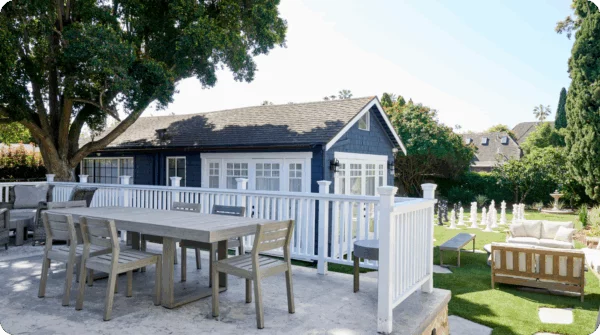
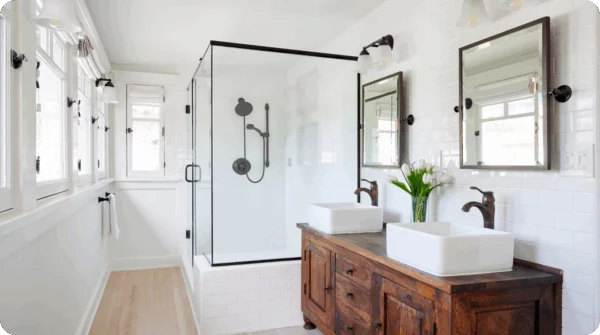
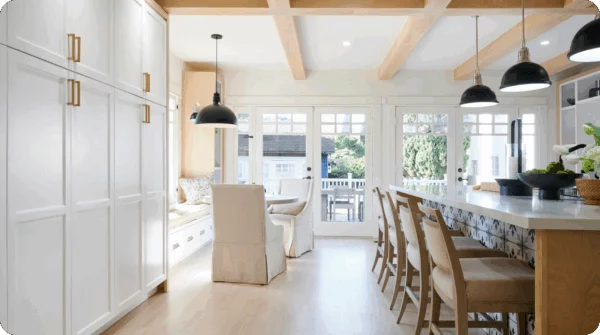

Can be as low as $0 (depending on your plan)

View our wide selection of accepted providers. Don’t see yours? Call our admissions team for help.