Drug & Alcohol Addiction Treatment with 12-Step Program
You want to break free from addiction but feel lost without a clear path, like you’ve tried everything but still end up in the same place. The 12-step approach gives you a proven structure with daily support to help you reset and rebuild from the inside out.
For people who feel stuck in the cycle of relapse
Offers clear structure with 12 steps and daily support
Helps reset old patterns and promote long-term recovery
Focuses on rebuilding from the inside out
Gratitude Lodge offers 12-step-based detox and inpatient treatment across California, Tennessee, and Florida. Clients begin with medically monitored detox before moving into residential care where they build a foundation using 12-step principles alongside individual and group therapy. Our safe, welcoming spaces help people develop accountability, healing habits, and a sense of hope again.
Structure matters when recovery feels overwhelming.
Click “Read More” to explore this treatment option.
Get Personalized Addiction Care at The Gratitude Lodge
Our rehab centers support men and women struggling with substance use and co-occurring mental health disorders. Gratitude Lodge specializes in inpatient residential treatment and the initial detox phase of drug rehab, providing individualized, evidence-based care in serene, structured environments throughout Southern California to help individuals stabilize, begin healing, and build a strong foundation for lasting recovery.
12 Step Rehab: How It Works, What to Expect, and Whether It’s Right for You
If you or someone you love is struggling with alcohol addiction, drug addiction, or a behavioral addiction, you’ve probably heard of 12 step rehab. It’s one of the most widely recognized approaches to addiction treatment in the world—but what does it actually involve?
Understanding the difference between attending a few community meetings and enrolling in a structured 12 step program can mean the difference between frustration and finding a path that truly works. In this comprehensive guide, you’ll learn exactly what 12 step rehab is, how it functions day-to-day, what the research says about its effectiveness, and how to determine if it’s the right fit for your situation.
What Is 12 Step Rehab?
12 step rehab refers to addiction treatment programs—whether residential programs, intensive outpatient, or other formats—that integrate the 12-step philosophy originally developed by Alcoholics Anonymous into their clinical framework. These programs go far beyond simply attending group meetings. They combine the spiritual principles and peer support of the 12 step model with professional medical care, structured therapy, and comprehensive treatment planning.
According to data from the Substance Abuse and Mental Health Services Administration (SAMHSA), nearly half of substance abuse treatment centers in the United States incorporate some form of 12-step programming into their services. This makes it one of the most commonly encountered approaches for people seeking help with alcohol use disorders, opioid addiction, or other substance use disorders.
What makes 12 step rehab distinct is its integration of multiple elements. The treatment plan typically includes:
Medical detoxification supervised by physicians and nurses to manage withdrawal safely
Individual counseling with licensed therapists addressing underlying issues and triggers
Group therapy sessions focused on addiction education, coping skills, and relapse prevention
Regular 12-step meetings (AA, NA, or other fellowships) held on-site or in the community
Step work guided by counselors, where clients begin working through the twelve steps with support
Aftercare planning that connects clients to ongoing community support and self help groups
The philosophy draws directly from Alcoholics Anonymous AA, founded in 1935, and has since been adapted for narcotics anonymous, cocaine anonymous, gamblers anonymous, and dozens of other fellowships addressing behavioral issues from overeating to compulsive gambling.
How 12 Step Rehab Differs From a Standard 12-Step Meeting
One of the most common points of confusion is the difference between attending community 12-step meetings and enrolling in formal treatment at a 12 step rehab facility. While both use the same foundational principles, they serve different purposes and offer very different levels of support.
Community meetings—whether Alcoholics Anonymous, Narcotics Anonymous NA, or other support groups—are peer-led, free, and available to anyone who wants to stop using. They provide community support, shared recovery stories, and a structured program of spiritual growth. However, they are not clinical treatment. There are no medical staff, no psychiatric evaluations, and no individualized treatment plan.
12 step rehab, by contrast, is a professional healthcare service that incorporates 12-step philosophy as one component of a broader clinical approach. Here’s how they compare:
Standard 12-Step Meeting:
Peer-led, no professional staff
Free and self-supporting through donations
Focus on sharing recovery stories and step work
Available ongoing, typically 1-2 hours per session
No medical or psychiatric services
12 Step Rehab Program:
Licensed clinicians, physicians, and counselors on staff
Costs money (private pay, insurance, or public funding)
Includes medical detox, psychiatry, individual counseling, and family therapy
Structured daily schedule lasting 28-90+ days
Integrates 12-step meetings as part of the treatment week
A typical 30-day inpatient rehab in the United States might include five AA or NA meetings per week, daily group therapy, twice-weekly individual counseling, psychiatric medication management if needed, and structured step-study groups—all within a 24-hour supervised environment. Compare this to someone attending only a local AA group three evenings a week while managing their recovery independently.
The 12 Steps in Rehab: A Practical Overview
The twelve steps form the spiritual and practical backbone of this approach. Originally written by Bill Wilson and early AA members in 1938-1939, they were published in the Big Book of Alcoholics Anonymous and have remained largely unchanged since.
In rehab settings, the steps are typically grouped into themes and introduced progressively. Modern programs often use inclusive wording and allow flexibility in how clients understand concepts like higher power, making the approach accessible to people of various faiths or no religious belief at all.
Steps 1-3: Admission and Surrender
Accepting addiction as a condition beyond willpower alone (“powerless over alcohol”)
Finding hope that a power greater than oneself can help restore us to sanity
Making a decision to seek help and follow a new path
These early steps are usually the focus during residential treatment, as clients move from denial toward accepting addiction as a real problem requiring real solutions.
Steps 4-7: Self-Examination and Change
Conducting a fearless moral inventory of past behaviors, resentments, and patterns
Sharing the exact nature of wrongs with another person (often a counselor or sponsor)
Becoming ready to have all these defects addressed
Humbly asked for help in changing
In rehab, this often takes the form of written inventories, honest group discussions, and therapeutic work on shame, guilt, and accountability.
Steps 8-9: Making Amends
Listing people harmed by addiction and becoming willing to make things right
Making direct amends wherever possible, except when doing so would cause further harm
Rehabs typically introduce the concept and planning for amends, with actual completion often happening after discharge.
Steps 10-12: Ongoing Growth and Service
Continuing personal inventory and when wrong promptly admitted it
Seeking conscious contact with a higher power through prayer, meditation, or reflection
Experiencing a spiritual awakening and carrying the message to help others
These maintenance steps become the foundation for long term recovery after formal treatment ends, practiced through ongoing meeting attendance and all our affairs.
History and Evolution of 12 Step Rehab
The roots of 12 step rehab stretch back to 1935 in Akron, Ohio, where Bill Wilson and Dr. Robert Smith—known as Bill W. and Dr. Bob—founded Alcoholics Anonymous. Both men had struggled with severe alcohol addiction and found that helping other alcoholics was crucial to maintaining abstinence.
AA drew on several influences, including the Oxford Group (a Christian movement emphasizing moral inventory, confession, restitution, and service) and the ideas of psychiatrist Carl Jung about the need for profound spiritual experiences in treating chronic alcoholism. The twelve steps codified these principles into a specific program of action.
Key milestones in the development of 12 step rehab include:
1939: Publication of the Big Book, formally titled Alcoholics Anonymous, which laid out the twelve steps and personal recovery stories
1940s-1950s: Hospital-based alcoholism units began incorporating AA meetings and principles into inpatient care. The Minnesota Model emerged, combining professional treatment with 12-step participation, becoming the template for modern addiction recovery programs
1953: Narcotics Anonymous was founded, extending the 12-step approach to drug addiction beyond alcohol
1960s-1970s: The Minnesota Model spread nationally, and 12-step integration became standard in many substance abuse treatment centers
1980s-Present: Expansion to include co occurring disorders treatment, trauma-informed care, medication-assisted treatment, and global growth of 12-step fellowships to over 130 countries
Today, 12 step rehab has evolved to incorporate psychiatric services, evidence-based therapies, and secular or modified step versions while maintaining core principles of peer support, honest self-examination, and spiritual growth.
Types of 12 Step Rehab Programs
12-step philosophy can be embedded across multiple levels of care, not just traditional “rehab hospitals.” Understanding the different formats helps you find the right fit for your situation, severity of addiction, and practical circumstances.
Residential / Inpatient 12 Step Rehab
24/7 supervised care in a treatment facility
Typical stays of 28-60 days, with some programs offering 90 days or longer
Structured daily schedule including groups, meetings, meals, and recreation
Best for people with severe substance use, need for medical detox, or unstable home environments
Example: A 28-day program in 2025 might include five AA/NA meetings per week plus daily step-focused groups and individual counseling
Partial Hospitalization (PHP) and Intensive Outpatient (IOP)
Treatment 3-5 days per week, several hours per day
Clients return home or to sober living each evening
12-step meetings integrated into weekly schedule, often 2-3 per week
Appropriate for those with stable housing who don’t require 24-hour supervision
Outpatient Counseling with 12 Step Facilitation
Weekly or biweekly sessions with a counselor trained in twelve step facilitation
Strong emphasis on attending meetings and getting a sponsor between sessions
Often used as step-down care after residential treatment or for milder substance use
Sober Living and Halfway Houses
Transitional housing with mandatory or strongly encouraged 12-step participation
Residents typically work or attend school while living in a structured, substance-free environment
Daily or weekly meeting attendance is usually required
Provides extended support during the critical early months of recovery
12 Step Rehab Day-to-Day: What to Expect
If you’re considering residential rehab, knowing what a typical day looks like can ease anxiety about the unknown. While schedules vary by facility, most 12 step–oriented inpatient programs follow a similar structure.
Morning (6:00 AM – 12:00 PM)
Wake-up and personal hygiene time
Morning meditation or reflection (some programs use AA’s Daily Reflections)
Breakfast in the dining hall
Morning group therapy (psychoeducation on addiction, coping skills, or step work)
Individual counseling session (typically 2-3 times per week)
Afternoon (12:00 PM – 6:00 PM)
Lunch and brief free time
Step-study group focused on a specific step (e.g., powerlessness, moral inventory)
Big Book study or literature discussion
Process group addressing topics like shame, relationships, or relapse triggers
Recreation, exercise, or art therapy
Evening (6:00 PM – 10:00 PM)
Dinner
On-site or off-site AA/NA meeting (often speaker meetings where members share recovery stories)
Free time for reading, journaling, or peer conversation
Evening check-in or reflection group
Lights out and quiet hours
The first few days typically focus on medical assessment, detoxification if needed, and orientation to the program. As clients stabilize, they move into deeper step work, relapse prevention planning, and preparation for aftercare.
Clients are encouraged to identify a temporary sponsor before discharge—someone with longer sobriety who can guide their continued step work in the community. Many programs arrange “bridge meetings” where community members come into the facility to connect with those about to leave.
How Long Does 12 Step Rehab Take?
One of the most common questions about formal treatment is timing. The short answer: rehab is time-limited, but 12-step involvement is designed to be ongoing.
Typical Rehab Durations:
28-30 days: The most common residential stay, often dictated by insurance coverage
60-90 days: Extended residential treatment for more severe cases or those with prior treatment failures
8-16 weeks: Typical duration for intensive outpatient programs, meeting several times weekly
Post-Discharge Involvement:
Many programs recommend “90 meetings in 90 days” after discharge to build habits and community connections
Ongoing weekly meeting attendance (often 2-4 meetings per week) is common for years or indefinitely
The time to complete all twelve steps varies widely—some finish with a sponsor in 6-12 months, others take several years
Progress is measured by sobriety, stability, and improved psychosocial functioning rather than finishing steps on a rigid schedule
The only requirement for membership in AA or NA is a desire to stop using, and new members can attend meetings at their own pace for as long as they find them helpful.
Does 12 Step Rehab Work? Evidence and Outcomes
The question of demonstrated efficacy is important for anyone investing time, money, and hope in a treatment approach. Research on 12-step mutual aid and formal 12-step facilitation programs has grown substantially over the past few decades.
A comprehensive 2013 review published in Social Work in Public Health found that twelve-step mutual support programs and clinically oriented 12-step facilitation interventions are among the most commonly used approaches for substance use disorders—and among the most effective when participants actively engage.
Key research findings include:
Greater 12-step meeting attendance and involvement are consistently associated with higher rates of maintaining abstinence and longer periods of sustained recovery
AA/NA surveys report median members abstinence of 5+ years among those attending 2-4 meetings weekly
Twelve step facilitation, when used as a professional intervention in treatment, produces outcomes at least comparable to—and sometimes superior to—alternative therapies like cognitive behavioural therapy or motivational enhancement therapy, particularly for long-term abstinence
Veterans Affairs research has found that 12-step facilitation combined with other evidence-based treatments leads to better outcomes for veterans with substance use disorders
Factors that predict greater likelihood of success include:
Early engagement during treatment (attending meetings, getting a temporary sponsor)
Frequent attendance after discharge
Active step work rather than passive attendance
Taking on service roles (chairing meetings, sponsoring new members) as stability grows
Building sober social networks through meeting involvement
The evidence is largely correlational but increasingly suggests causal benefits from structured 12-step involvement, particularly when combined with professional treatment. The National Institute on Drug Abuse recognizes 12-step facilitation as an evidence-supported approach.
Who Benefits Most From 12 Step Rehab?
12 step rehab can help a wide range of people, but outcomes often depend on individual factors including readiness, preferences, and personal circumstances.
Adults with moderate to severe alcohol or drug addiction are the primary population for whom this approach was designed. Those who have failed at attempts to quit using willpower alone, or who have tried detox-only stays without lasting success, often find that the structure and ongoing support of 12-step participation makes a critical difference.
Individuals with strong social support needs may particularly benefit. Research highlights that one of the primary mechanisms of 12-step programs is shifting social networks from using peers to sober peers. Such people who are isolated or whose social circles revolve around substance use find ready-made community in meetings.
People with co occurring disorders (mental health conditions alongside addiction) can access dual-diagnosis programs that integrate 12-step principles with psychiatric treatment. While traditional meetings alone may not address complex mental health needs, 12 step rehab programs increasingly offer comprehensive care.
Populations with specific considerations:
Women benefit from programs offering women-only groups and trauma-informed care
Youth and young adults often engage better with young people’s meetings and age-appropriate programming
Demographic characteristics like ethnicity and culture matter—culturally adapted meetings and bilingual groups improve engagement for ethnic minorities
Research consistently shows that matching treatment approach to client preferences and beliefs improves outcomes. For those who resonate with concepts like surrender, higher power, and peer fellowship, 12 step rehab offers a particularly strong fit.
Special Populations and 12 Step–Oriented Rehab
While the core 12-step model is consistent, specialized adaptations can dramatically improve outcomes for specific populations.
Women face unique barriers and needs in recovery. Women-only meetings provide safety from “13th stepping” (inappropriate romantic pursuit by longer-sober members) and space to discuss issues like trauma, domestic violence, and childcare. Many residential programs offer women’s tracks with specialized trauma-informed care and attention to the frequently higher rates of co occurring disorders among women in treatment.
Youth and young adults often find traditional meetings dominated by older members with different life experiences. Young people’s AA and NA meetings, held in communities across the U.S., UK, and internationally, address developmental needs like completing education, starting careers, and building healthy relationships. Programs may coordinate with schools and employers to support continued recovery.
Ethnic and cultural minorities benefit from culturally adapted approaches. Bilingual meetings exist in many languages; Native American adaptations incorporate traditional healing practices alongside the twelve steps. Programs that assess demographic characteristics and cultural preferences can better match clients with appropriate resources.
Individuals with dual diagnoses (addiction plus mental health conditions like depression, anxiety, PTSD, or bipolar disorder) need integrated treatment. Fellowships like Dual Recovery Anonymous, founded in the 1990s, and Double Trouble in Recovery specifically address co occurring disorders. Quality 12 step rehab programs provide psychiatric evaluation, medication management, and specialized groups alongside standard 12-step programming.
Consider Maria, a 34-year-old woman with alcohol addiction and PTSD from childhood abuse. A general 12 step rehab helped her stabilize, but her real breakthrough came when she transferred to a women’s program offering trauma-focused therapy alongside step work and connected with women-only AA meetings where she felt safe sharing her full story.
How 12 Step Rehab Helps: Mechanisms of Change
Understanding how 12 step rehab works—not just that it works—can help clarify whether it’s a good fit and how to get the most from it.
Social network shift is perhaps the most powerful mechanism. Active involvement in meetings replaces heavy-using friends with sober peers who model recovery and provide accountability. Research consistently identifies this shift as a primary driver of long-term abstinence.
Increased structure and routine reduces exposure to high-risk situations. Regular meeting schedules, sponsor contact, and service commitments create a framework that fills time previously spent obtaining and using substances.
Modeling of coping skills and hope comes from hearing recovery stories of people who have faced similar struggles and found solutions. Seeing aa members with years of sobriety demonstrates that lasting recovery is possible.
Opportunities for service and purpose build self efficacy and self-worth. As stability grows, members chair meetings, sponsor newcomers, and contribute to fellowship service—activities that combat the isolation and purposelessness common in active addiction.
Identity transformation occurs as people move from seeing themselves as “addicts” to “recovering individuals” with a meaningful story and community role.
In rehab, these mechanisms are activated through attendance requirements, structured step work, peer-led groups, and deliberate connection to community resources before discharge.
Barriers to 12 Step Rehab and How Programs Address Them
Despite its widespread use and evidence base, 12 step rehab isn’t without challenges. Understanding common barriers—and how modern programs address them—helps set realistic expectations.
Common concerns include:
Discomfort with “powerlessness” language, which some interpret as giving up agency
Religious or spiritual language (“God,” “higher power”) that doesn’t match personal beliefs
Mixed-gender settings where some feel unsafe sharing vulnerably
Fear of groups, public speaking, or sharing personal struggles with strangers
Skepticism about lifelong abstinence as the only acceptable goal
Logistical barriers include:
Transportation to off-site meetings after discharge
Scheduling conflicts with work, childcare, or other obligations
Cost of residential treatment (though meetings themselves are free)
Limited availability of specialized meetings (women’s, LGBTQ+, young people’s) in some areas
How modern programs respond:
Offering secular or higher-power-neutral interpretations, emphasizing “power greater” as the group, nature, or one’s own values rather than a deity
Providing women-only, LGBTQ+, or culturally specific groups when possible
Using motivational interviewing and psychoeducation to address ambivalence about 12-step principles
Training peer “bridges” who accompany new clients to their first community meetings
Expanding online and virtual meeting options for those with transportation or mobility barriers
Clarifying that while AA/NA promotes abstinence, engagement is always at one’s own pace
Acknowledging these barriers honestly rather than dismissing them helps clients make informed decisions and increases the likelihood of engagement.
12 Step Rehab and Other Treatment Approaches
Modern addiction recovery rarely relies on a single modality. Today’s best programs integrate 12-step philosophy with evidence-based clinical interventions.
Cognitive Behavioral Therapy (CBT) and Dialectical Behavior Therapy (DBT) address thinking patterns, emotional regulation, and coping skills. Many rehabs offer CBT groups alongside step work, recognizing that behavioral strategies complement spiritual principles.
Medication-Assisted Treatment (MAT) uses FDA-approved medications like buprenorphine, methadone, naltrexone, and acamprosate to reduce cravings, prevent relapse, and normalize brain function. Despite historical tensions in some 12-step circles, many modern programs explicitly support MAT. The medications address the biological dimension of addiction while 12-step work addresses behavioral, social, and spiritual dimensions.
Trauma-Focused Therapies like EMDR or trauma-focused CBT are essential for the many people whose substance use is intertwined with past trauma. Quality programs sequence trauma work appropriately, often after initial stabilization through detox and early step work.
Family Therapy engages loved ones in the recovery process. Family members may be encouraged to attend Al-Anon or similar support groups, and programs often include family education sessions and therapy.
Integration is the norm in 2024-2025: many U.S. and UK treatment centers combine 12-step facilitation with all of these modalities, creating comprehensive treatment plans tailored to individual needs.
Alternatives to 12 Step Rehab
For people who don’t resonate with 12-step philosophy—whether due to discomfort with spiritual language, preference for self-empowerment frameworks, or interest in harm reduction—alternatives exist.
SMART Recovery (Self-Management and Recovery Training) is a secular, CBT-based mutual support organization with global meetings and robust online groups. It emphasizes self-empowerment, rational thinking, and building motivation to change. Participants use tools like cost-benefit analysis and urge management rather than step work.
LifeRing Secular Recovery offers peer-led meetings built on a secular philosophy with no reference to higher powers or spirituality. The focus is on personal responsibility and building a “sober self.”
Refuge Recovery and Recovery Dharma draw on Buddhist principles and mindfulness practices, offering spiritual frameworks distinct from the Judeo-Christian roots of traditional 12-step language.
Harm reduction programs work with people who may not be ready for abstinence, focusing on reducing illicit drug use, harmful drinking, and associated risks while supporting movement toward healthier patterns at the client’s pace.
Some treatment centers market themselves explicitly as “non-12-step,” emphasizing self-management, personal choice, and skills training. Effectiveness depends on fit with the person’s values, beliefs, and readiness—there’s no one-size-fits-all answer.
It’s also worth noting that mixing resources is possible. Some people attend both SMART Recovery and AA, taking what helps from each. The goal is finding what supports your recovery process most effectively.
How to Choose a 12 Step Rehab Program
Selecting a treatment program is a significant decision. Here’s a practical framework for evaluating options:
Verify accreditation and licensing:
Look for Joint Commission accreditation, state health department licensing, or equivalent credentials in your country
Confirm that medical staff are properly credentialed and that the facility can provide appropriate medical care
Understand the program’s 12-step integration:
Ask how explicitly 12-step the program is (required meetings vs. optional)
Inquire about flexibility in higher-power concepts (traditional spiritual vs. secular interpretations)
Determine whether step work is structured or self-directed
Confirm clinical services match your needs:
Medical detox capabilities if you require supervised withdrawal
Psychiatric evaluation and medication management for co occurring disorders
Specialized tracks (trauma, women’s, young adults) if applicable
Assess staff qualifications:
Mix of licensed clinicians and staff with lived experience in 12-step recovery
Training in evidence-based practices alongside 12-step facilitation
Evaluate practical aspects:
Length of stay options and flexibility
Family involvement opportunities
Aftercare planning and how they connect patients with local meetings before discharge
Cost, insurance acceptance, and payment options
Do your research:
Read independent reviews and outcomes data when available
Ask for direct phone consultations—quality programs welcome questions
Talk to alumni if possible, not just marketing materials
Costs, Insurance, and Publicly Funded 12 Step Rehab Options
Understanding the financial landscape helps you access appropriate care without unnecessary financial hardship.
Private Residential Treatment:
U.S. costs typically range from $10,000 to $30,000+ for 28 days at private facilities
UK costs for private residential treatment range from £4,000 to £12,000+ for 28 days
Luxury or extended-stay programs can cost significantly more
Insurance Coverage:
The Affordable Care Act (ACA) in the U.S. requires most health plans to cover substance abuse treatment as an essential benefit
Private insurance, employer plans, and marketplace plans typically cover some portion of 12 step–oriented treatment
Pre-authorization is often required; verify coverage before admission
Government-Supported Options:
U.S. Medicare and Medicaid cover substance use treatment in qualifying facilities
State-funded rehab programs and county clinics often incorporate 12-step groups
Veterans Affairs (VA) substance use programs integrate 12-step meetings into care for eligible Veterans
In the UK, NHS treatment is available, though waiting times vary by region
Low-Cost and Free Options:
Salvation Army Adult Rehabilitation Centers provide residential treatment using a 12-step framework plus work therapy at no cost to participants
Faith-based programs often offer sliding-scale or donation-based treatment
12-step meetings themselves (AA, NA, etc.) are always free and available immediately
Contact SAMHSA’s National Helpline (1-800-662-4357) in the U.S. or equivalent services in your country for assistance navigating options.
Faith-Based vs. Secular 12 Step Rehab
The role of spirituality in 12 step rehab varies significantly between programs, and understanding these differences helps you find the best fit.
Traditional 12-Step Rehabs:
Allow broad interpretation of “higher power”
May include generic spirituality (meditation, nature, the group itself) without specific religious doctrine
Focus on spiritual principles like honesty, humility, and service without requiring theistic belief
Explicitly Faith-Based Rehabs:
Integrate scripture, prayer, and worship services with 12-step work
May be affiliated with specific denominations (Christian, Jewish, etc.)
Examples include Salvation Army Adult Rehabilitation Centers, Teen Challenge, and various church-affiliated programs
Can be deeply meaningful for those whose faith is central to their identity
Secular or Spiritually Open Programs:
Emphasize community, purpose, and values rather than deity-specific concepts
May use alternative language like “power greater than yourself” referring to the group or one’s own goals
May integrate secular alternatives like SMART Recovery alongside modified 12-step content
Who prefers each model:
People with strong religious faith often find familiar structure comforting and meaningful
Those who are atheist, agnostic, or have religious trauma may prefer secular or broadly spiritual approaches
Many fall in between, appreciating spiritual concepts without specific religious doctrine
Honest self-reflection about your beliefs and preferences will help guide your choice. Most programs will describe their approach if you ask directly during intake conversations.
Preparing for 12 Step Rehab: Practical Steps
Preparation improves the transition into treatment and helps you focus on recovery once you arrive.
Before Admission:
Complete an assessment with a GP, addiction physician, or licensed counselor to confirm appropriate level of care
Verify insurance benefits or funding approval, and confirm travel and admission dates
Arrange work leave (FMLA may apply in the U.S.)
Organize childcare, pet care, and handling of bills and housing during your absence
Notify trusted family members or friends who can provide support
Emotional Preparation:
Have honest conversations with family about your decision
Consider your openness to group sharing and connection with new members
Read introductory 12-step literature like AA’s Living Sober or the first 164 pages of the Big Book
Write down your reasons for seeking treatment to reference when motivation wavers
What to Pack (typical guidelines):
Comfortable, modest clothing appropriate for groups and outdoor activities
Approved reading materials (check with the facility about electronic devices)
Complete list of current medications with prescriptions
Emergency contacts and important phone numbers
Journal and writing supplies
Personal toiletries (often there are restrictions on items containing alcohol)
Life After 12 Step Rehab: Continuing Care
Discharge from residential treatment is not the end of recovery—it’s a transition to a new phase. Aftercare planning should begin before you leave.
Key Continuing Care Elements:
Ongoing 12-Step Involvement:
The “90 meetings in 90 days” recommendation helps solidify habits and community ties during the highest-risk period
Regular meeting attendance (often 2-4 times weekly) continues for months or years
Getting a permanent sponsor and beginning serious step work through Step 12
Professional Support:
Weekly or biweekly individual counseling to process challenges and maintain progress
Psychiatric follow-up if medications were prescribed during treatment
Alumni groups or check-ins offered by many rehab centers
Building a Recovered Life:
Gradual step up into service roles (chairing meetings, sponsorship) as stability grows
Rebuilding relationships with family and friends damaged by substance use
Returning to work, education, or vocational training
Developing healthy routines, hobbies, and sober social activities
Relapse Prevention:
Written relapse prevention plan identifying triggers, warning signs, and response strategies
Regular contact with sponsor and sober support network
Willingness to increase meeting attendance or return to higher levels of care if needed
Recovery is a process, not an event. Many people with long-term sobriety describe the first year after treatment as foundational—challenging but transformative.
When to Consider 12 Step Rehab
Knowing when to seek help is often the hardest part. Here are clear signs that formal treatment may be necessary:
Indicators that 12 step rehab may be appropriate:
Inability to control substance use despite serious consequences (job loss, legal problems, health scares, relationship damage)
Failed attempts to quit using willpower alone or after detox-only stays
Loved ones expressing significant concern about your drinking or drug use
A doctor, therapist, or other professional has recommended structured treatment
Prior treatment that didn’t “stick,” suggesting a need for longer or more intensive care
Taking the first step:
Attending an assessment or initial consultation poses little risk and can clarify whether 12 step rehab is appropriate
Visiting an open AA or NA meeting (open meetings welcome anyone) provides a low-commitment glimpse of what 12-step community feels like
Talking to a doctor or addiction counselor is always more reliable than self-diagnosing severity
If you’re reading this article and wondering whether you need help, that question itself may be a signal worth exploring with a professional.
Finding 12 Step Rehab and Getting Help Now
If you’ve decided to seek treatment, here’s how to move forward.
Locating Programs:
U.S.: Call SAMHSA’s National Helpline at 1-800-662-4357 (free, confidential, 24/7) for referrals to local treatment
UK: Contact the NHS drug and alcohol services or charities like Turning Point and Addaction
Search accredited treatment directories (SAMHSA’s treatment locator, Psychology Today, or CARF-accredited facility lists) that specify treatment philosophy and modalities
Ask local AA/NA members or counselors for recommendations of programs known to support 12-step recovery
When You Call:
Ask directly about 12-step integration, aftercare planning, and specialized services for your needs
Inquire about insurance verification, costs, and available dates
Request a phone assessment to determine appropriate level of care
If You’re in Crisis:
Call emergency services (911 in the U.S., 999 in the UK) if there’s immediate risk of harm
Reach crisis hotlines for mental health support while arranging treatment
Go to a hospital emergency room if experiencing severe withdrawal symptoms
The public health system, private treatment providers, and 12-step communities have helped millions achieve lasting recovery from alcohol addiction, drug addiction, and behavioral addictions. Effective 12 step rehab and alternative supports are available now—not someday, but today.
Key Takeaways
12 step rehab combines the peer support and spiritual principles of Alcoholics Anonymous with professional medical care, structured therapy, and comprehensive treatment planning
Unlike community meetings alone, residential programs offer detox, psychiatry, individual counseling, and intensive daily programming
The twelve steps address admission of the problem, self-examination, making amends, and ongoing spiritual growth and service
Research demonstrates that active participation in 12-step programs based treatment is associated with longer abstinence and improved psychosocial functioning
Modern programs integrate 12-step philosophy with cognitive behavioural therapy, medication-assisted treatment, and trauma-focused therapies
Alternatives exist for those who don’t resonate with 12-step language, including SMART Recovery and secular programs
Preparation, aftercare planning, and ongoing meeting attendance are crucial for long term recovery
Taking the first step—whether calling a helpline, scheduling an assessment, or walking into your first meeting—is often the hardest part. But millions of people have traveled this path before you, and effective help is closer than you might think. If you or someone you love is struggling, reach out today. Recovery is possible, and it starts with asking for help.
Related Blogs
Check out our addiction recovery blog to learn more about substance use disorders and how to get effective treatment.
Hydromorphone Addiction: Signs, Symptoms, & Treatment Drug Rehab
Hydromorphone, marketed under the brand names Dilaudid and Exalgo, is a potent semi-synthetic opioid pain reliever utilized in hospital settings and as a comp...
Hydromorphone Addiction: Signs, Symptoms, & Treatment Drug Rehab
Hydromorphone, marketed under the brand names Dilaudid and Exalgo, is a potent semi-synthetic opioid pain reliever utilized in hospital settings and as a comp...
Hydromorphone Addiction: Signs, Symptoms, & Treatment Drug Rehab
Hydromorphone, marketed under the brand names Dilaudid and Exalgo, is a potent semi-synthetic opioid pain reliever utilized in hospital settings and as a comp...
Amazing place for recovery. Going through addiction is hard, asking for help is harder, and being in a place like this made the difference in my recovery. I didn’t feel like a number, I didn’t feel alone, but I did feel like I mattered.
Makenzi Lanahan
3 weeks ago
Gratitude lodge was so supportive and helpful while being in treatment. The staff is beyond helpful and always there for you in hard times . Tiffany and Tony work very closely with you , showing you the amazing side of sobriety. I appreciate this program and every little thing they have done to make my recovery a success story.
Alex Kocher
7 July 2024
I had an amazing experience at Gratitude Lodge! Every staff really cared about their job and their patients. The facility was nice and comfortable. The programing was helpful and informative.
Albert Harrison Jr
5 months ago
This place helped me immensely. They set me up for success. Top notch clinical team and staff that really care about their clients this is not just your typical detox facility. If you truly want freedom from drugs and alcohol I would highly recommend this place. You gotta want it though!! This is where miracles happen and I’m living proof, it wasn’t easy but I took suggestion and most importantly I put in the work!!
ulysses nava
5 months ago
Amazing place for recovery. Going through addiction is hard, asking for help is harder, and being in a place like this made the difference in my recovery. I didn’t feel like a number, I didn’t feel alone, but I did feel like I mattered.
What Our Clients Say
5 Star Google Reviews
Where You’ll Be Staying
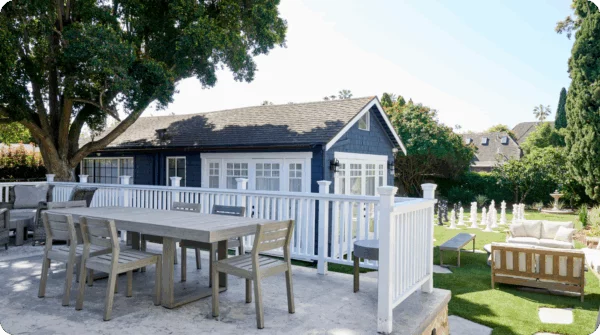
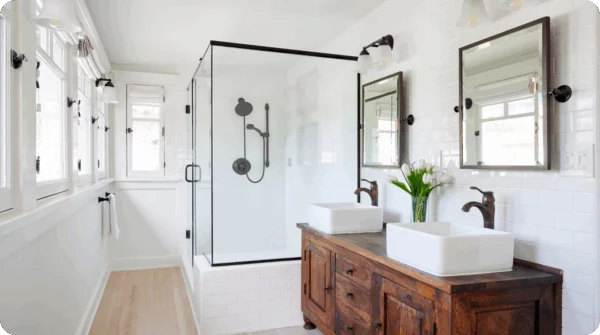
We strive to provide a comfortable, home-like environment during your recovery journey. Browse our facility images below to take a look at our upscale residential facilities.


 About Us
 Meet Our Team
 Our Facilities
 Videos
 Newsroom
 Scholarship
 FAQ
FAQ Blog
Blog


 Newport Beach
 Long Beach


 Meth Rehab
 Outpatient Rehab
 IOP Rehab
 Virtual IOP
 PHP Rehab
 LGBTQ Friendly Rehab
 Device Friendly Rehab
 Pet Friendly Rehab
 Couples Drug Rehab
 Reiki Therapy
 Holistic Addiction Therapy
 Addiction Therapy
 Group Addiction Therapy
 EMDR Therapy
 CBT Therapy

 Mood Disorder Treatment
 Panic Disorders/Drinking Problems Treatment
 Addictive Personality Disorder Treatment
 Hyperfixation Treatments
 Hyper Independence Treatment
 Check My Insurance
 Rehab Insurance Coverage
 Financing Options
 Cigna
Cigna