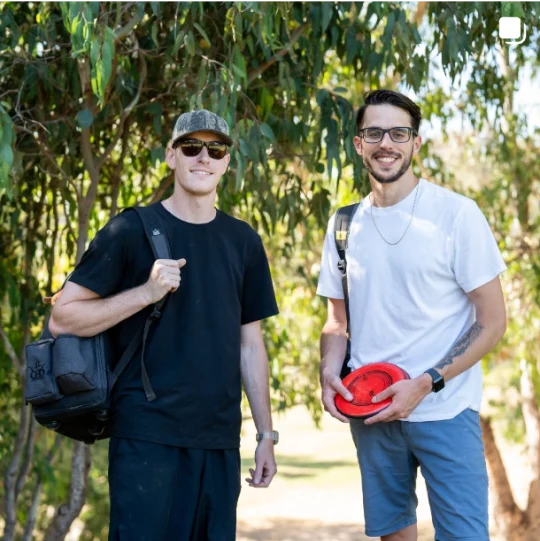
ust steps from the beach, this scenic park features picnic areas, sports courts, and ocean views—perfect for peaceful reflection or spending quality time with others. 100 Main St, Newport Beach, CA 92661
Why I should relocate for rehab?
Our rehab centers help men, women who are struggling with addictions, substance abuse and co-occurring disorders.
800-692-9850Why I should relocate for rehab?
Why I should relocate for rehab?
At Gratitude Lodge in Newport Beach, we focus on comprehensive cocaine dependency treatment utilizing research-backed methods. Our services tackle the complex challenge of conquering addiction while managing psychological health issues. That’s why our integrated diagnosis method provides you the resources to rebuild and restore from every element of dependency.
It typically starts with thorough evaluation and detoxification (when required), accompanied by treatments like cognitive behavioral therapy, pharmaceutical assistance, and collective meetings that foster relationships and strength. The objective isn’t simply to eliminate destructive patterns, but to establish permanent transformation and improved habits.
Our stunning oceanside setting also provides a calm and rejuvenating natural atmosphere for healing to occur. With an extensive regional recovery community and numerous enjoyable drug-free pursuits to experience, Newport Beach is an excellent location to obtain care.
Beyond simple treatment, rehabilitation provides relationships with a supportive network that assists people understand they are not isolated. By merging research-based treatment with motivation and direction, rehabilitation enables sustainable recovery and a refreshed sense of meaning truly achievable.
Our creators have completely experienced recovery personally and now flourish in their professions assisting others achieve the same. Cocaine dependency is not the conclusion; there is restoration and optimism for you here.
Allow us to become the initial phase toward a healing path directed by experts, backed by companions and honored in fellowship.
The safest way to detox cocaine is under the supervision of trained medical professionals in a clinical treatment center. Detoxing from coke in a medical setting ensures that you receive proper medical care and support throughout the withdrawal process. Medical staff can monitor your vital signs, manage any potential complications, and provide medications to ease discomfort and cravings. A detox for cocaine in a controlled environment greatly reduces the risk of relapse and medical emergencies, ensuring a safer and more successful recovery journey.
The symptoms of cocaine withdrawal can vary in severity and duration, depending on the individual’s cocaine use patterns and overall health. Some common symptoms experienced during cocaine withdrawal include:
Cocaine withdrawal symptoms can be both physical and psychological, and they can be challenging to cope with without professional help and support. Detoxing from cocaine in a clinical medical treatment center provides the safest and most effective environment for managing these symptoms and increasing the likelihood of a successful recovery journey.
The crash phase is the initial stage of cocaine detox and can begin as soon as six hours after the last use. During this phase, early cocaine detox symptoms manifest in the form of intense cravings, fatigue, increased appetite, and mood swings.
The withdrawal phase of coke detox is characterized by more intense symptoms as the brain and body adjust to the absence of cocaine. Symptoms during this phase may include depression, anxiety, agitation, vivid dreams, paranoia, and dysphoric mood.
For those with a history of heavy and prolonged cocaine use, acute withdrawal symptoms may persist for one to three weeks. These symptoms can be severe and may include continued cravings, sleep disturbances, depression, and difficulty experiencing pleasure.
Some individuals may experience a prolonged withdrawal phase known as PAWS (post-acute withdrawal syndrome). During this period, symptoms may come and go for weeks to months after the last use. Common PAWS symptoms include anxiety, irritability, mood swings, and intermittent cravings.
Cocaine withdrawal is a common experience for individuals who develop dependence on this substance. Dependence occurs when prolonged cocaine use leads to a reliance on the drug for normal functioning.
Today, you will learn:
Although stimulant withdrawal typically lacks severe withdrawal symptoms [1] and immediate medical complications, certain individuals may be prone to experiencing debilitating dysphoria characterized by depression and overwhelming negative thoughts and feelings. This intense dysphoric phase [2] may be associated with suicidal thoughts and may increase the likelihood of relapse on cocaine. For those with a history of drug abuse, withdrawal symptoms may be even more pronounced, making professional support essential.
While many withdrawal symptoms of cocaine tend to subside within several days of discontinuing stimulant use, some individuals may endure a more prolonged withdrawal, experiencing troublesome symptoms for weeks. Protracted withdrawal is characterized by the persistence of withdrawal signs and symptoms that are substance-specific and extend beyond the expected timeframe.
The severity of withdrawal symptoms may vary significantly among individuals and is influenced by factors such as age, overall health, duration, and quantity of cocaine use —crack cocaine withdrawals may be more intense—route of administration, and concurrent substance use.
Withdrawal symptoms can be so intense that individuals may be driven to use cocaine again solely to alleviate the discomfort of coke withdrawal. Common cocaine withdrawal symptoms [3] include:
Detoxing from cocaine occurs as follows:
Intense cravings for cocaine, fatigue, increased appetite, and restlessness may be experienced. These cravings can be strong and contribute to the difficulty of the withdrawal process.
Anxiety, irritability, and depression often peak during this period. Heightened levels of anxiety and restlessness, accompanied by irritability and mood swings, may be prevalent. Depressive symptoms, such as feelings of sadness, hopelessness, and lack of motivation, can also be pronounced during this time.
Sleep pattern changes, such as increased sleeping or hypersomnia, may occur. Some individuals may find themselves sleeping more than usual, experiencing excessive daytime sleepiness, or having difficulty staying awake.
Physical symptoms, including slowed thoughts and movements, may manifest and persist. Cocaine withdrawal can lead to cognitive and physical slowing, making it challenging for individuals to think clearly, concentrate, and carry out daily tasks.
Poor concentration and cognitive difficulties may be experienced. Individuals may struggle with memory, attention span, decision-making, and problem-solving during this time. These cognitive challenges can significantly impact daily functioning and may require time and support to improve.
Paranoia and mood disturbances may gradually improve over time but can persist. Heightened levels of suspicion, paranoia, and irrational thoughts may be present during withdrawal. Mood swings, including feelings of anger, frustration, and emotional instability, may also be experienced.
The cocaine withdrawal timeline can vary for each individual, and not everyone will experience all cocaine withdrawal stages. Factors such as the duration and intensity of cocaine use, overall health, and individual differences can influence the duration and severity of withdrawal symptoms. Seeking professional assistance and support during this time can greatly contribute to a successful recovery journey.
How long does cocaine withdrawal last?
The duration of cocaine withdrawal can vary due to biological differences and variability in drug usage, but it typically lasts for a few days to a couple of weeks. However, some individuals may experience lingering psychological symptoms, such as cravings and mood swings, for several weeks or even months.
What are cocaine withdrawals?
Cocaine withdrawals are a set of symptoms that occur when a person stops using cocaine after prolonged use. These symptoms can include fatigue, depression, anxiety, cravings, and increased appetite.
Are crack cocaine withdrawals the same as cocaine withdrawals?
Withdrawal symptoms from crack cocaine are generally similar to those of powdered cocaine. However, crack cocaine withdrawals may be more intense due to the faster and more intense high produced by crack cocaine.
Is quitting cocaine difficult?
Quitting cocaine can be challenging due to the addictive nature of the drug and the withdrawal symptoms that may arise. However, with proper support and treatment, recovery is possible.
For individuals struggling with cocaine addiction, cocaine detox and withdrawal treatment are important parts of the recovery process. Seeking professional substance abuse treatment can provide the necessary support and resources to navigate withdrawal safely and effectively.
Although withdrawal from stimulants is not always severe, it can still pose challenges for individuals seeking recovery. Effective management of cocaine withdrawal can be achieved through professionally managed detox interventions.
Medically supervised detox allows individuals to safely eliminate stimulants from their system while receiving monitoring and support from healthcare professionals. Although there are no medications currently approved for cocaine withdrawal treatment, some medications may be beneficial during detox for managing withdrawal symptoms like insomnia.
Exercise, rest, and a healthy diet are often utilized to address withdrawal symptoms. For individuals experiencing severe and persistent depression during withdrawal, antidepressant medications and psychotherapy may be beneficial. Given the intense drug cravings during cocaine withdrawal, the risk of relapse is high. Behavioral therapeutic interventions like CBT, contingency management, and relapse management techniques can help tackle these challenges.
Detox alone is not a comprehensive rehabilitation program for cocaine withdrawal treatment but rather an initial step in the treatment of substance use disorder. Detox prepares individuals for a subsequent level of care that focuses on addressing all aspects of stimulant use disorder.
At Gratitude Lodge in Southern California, we specialize in helping individuals overcome cocaine addiction and address associated mental health conditions. Our pet-friendly rehab centers in Newport Beach and Long Beach, CA, are designed to facilitate comprehensive recovery for the mind, body, and soul.
With our supervised medical detox program, we offer a safe and seamless pathway for detoxification, ensuring your system is cleansed of addictive substances. Following detox, you can seamlessly transition into one of our specialized treatment programs for cocaine addiction and cocaine withdrawal treatment:
Our treatment programs incorporate a range of evidence-based interventions ideal for cocaine addiction treatment, including:
To support your journey from active cocaine addiction to ongoing recovery, place your trust in Gratitude Lodge. Contact our admissions team at 844-576-0144 to take the first step towards a drug-free life.
[1] https://pubmed.ncbi.nlm.nih.gov/7841859/
[2] https://pubmed.ncbi.nlm.nih.gov/29717793/
[3] https://pubmed.ncbi.nlm.nih.gov/15925122/
Cocaine use trends in Newport Beach reflect both national patterns and unique local dynamics. With 1,531 people estimated to have struggled with addiction in 2023, it highlights the importance of having treatment options that are adaptable and responsive to the needs of different age groups and lifestyles.
To meet these demands, Newport Beach is home to a growing network of inpatient detox treatment programs. Inpatient care plays a vital role by offering immersive residential stays and evidence-based support.
Number of Drug Rehab Treatment Centers in Newport Beach that Treat Cocaine Addiction:
This accessibility ensures that more individuals can find treatment that fits into their lives while still addressing the complexities of cocaine use and recovery.
Our clean and modern facilities are located near beautiful beaches and a thriving sober community. Clients enjoy easy access to local hiking spots, beaches, restaurants & more nearby.
In Newport Beach, news outlets regularly report on cocaine abuse as both a public health issue and a community challenge. Articles often focus on rising cocaine overdose rates, shifting drug trends, and the strain placed on local healthcare and emergency services. Coverage also highlights legislative efforts, law enforcement activity, and policy debates that influence how the region responds to addiction.
Alongside the hard news, many stories showcase personal and community perspectives. Features on prevention programs in schools, profiles of treatment providers, and recovery success stories help reduce stigma while encouraging more people to seek help. By balancing urgent reporting with stories of progress, media coverage in Newport Beach shapes public opinion and helps guide future investment in treatment, education, and recovery support.
Gratitude Lodge Rehab Admission Process: Step-by-Step | |
|---|---|
| Step 1 | Share your story: Connect with us and let us understand your background, challenges, and goals for recovery. |
| Step 2 | Complete a simple pre-screening: Answer a few questions so we can assess your needs and coverage. |
| Step 3 | Get your personalized treatment plan: We’ll recommend the program best suited to your situation and goals. |
| Step 4 | Coordinate your journey: Our team helps you arrange travel, admissions details, and next steps. |
| Step 5 | Begin your recovery: Arrive at your chosen facility and start the healing process with confidence. |
Gratitude Lodge Recovery Center Accreditations | |
|---|---|
| JCO | 2025 Registered |
| DHCS | 2025 Registered |
| LegitScript | 2025 Registered |
| LMFT | 1 |
| CADC II | 3 |
| RAC | 2 |
| RADT | 1 |
| AMFT | 3 |
| SUDRC | 1 |
| SUDCC | 1 |
| APCC | 1 |
| Staff | Position Title | Certification and/or License |
|---|---|---|
| Sean O’Neill | Clinical Director | LMFT |
| Monica Hernandez | Program Director | CADC ll |
| Nicholas Trolley | Operations Director | CADC ll |
| Jayla Pierce | Operations Team | RAC |
| Sierra Nicodemus | Operations Team | RADT |
| Tiffany Stevens | Case Manager | CADC ll |
| Kayla Lugo | Therapist | AMFT |
| Emma Psomas | Associate Therapist | AMFT |
| James Krier | Case Manager | RAC |
| Jesus Dominguez | Case Manager | SUDRC |
| Ryan Narriman | Case Manager | SUDCC |
| Joseph Pennino | Associate Therapist | APCC, AMFT |
Addictions Gratitude Lodge Treats | ||||
|---|---|---|---|---|
| Adderall addiction | Bath salts abuse | Dexedrine addiction | Kratom addiction | Opioid addiction |
| Ambien addiction | Barbiturate addiction | Halcion addiction | Lithium addiction | OxyContin abuse |
| Amphetamine addiction | Benzodiazepine addiction | Hydrocodone addiction | LSD addiction | Stimulants abuse |
| Alcohol addiction | Cocaine addiction | Inhalant addiction | Ritalin addiction | |
| Ativan addiction | Codeine addiction | Prescription drug addiction | Marijuana addiction | |
| Painkiller addiction | Percocet addiction | Ketamine abuse | Meth addiction | |
Addictions Gratitude Lodge Treats | |
|---|---|
| Adderall addiction | Bath salts abuse |
| Ambien addiction | Barbiturate addiction |
| Amphetamine addiction | Benzodiazepine addiction |
| Alcohol addiction | Cocaine addiction |
| Ativan addiction | Codeine addiction |
| Painkiller addiction | Percocet addiction |
| Dexedrine addiction | Kratom addiction |
| Halcion addiction | Lithium addiction |
| Hydrocodone addiction | LSD addiction |
| Inhalant addiction | Ritalin addiction |
| Prescription drug addiction | Marijuana addiction |
| Ketamine abuse | Meth addiction |
| Opioid addiction | Stimulants abuse |
| OxyContin abuse | |
Levels of Addiction Treatment |
| Medical detox |
| Residential & inpatient addiction treatment |
| Partial hospitalization program (PHP) |
| Intensive outpatient program (IOP) |
| Outpatient Program (OP) |
| Aftercare rehabilitation services |
Drug Rehab Therapies | What They Are |
|---|---|
| Cognitive Behavioral Therapy (CBT) | Helps individuals recognize and change negative thought patterns that drive addictive behaviors. |
| Dialectical Behavior Therapy (DBT) | Teaches emotional regulation, mindfulness, and coping skills to manage distress and improve relationships. |
| Motivational Interviewing (MI) | Encourages self-motivation by exploring personal goals and reducing ambivalence about change. |
| Contingency Management | Uses incentives and rewards to reinforce positive behaviors like staying sober. |
| 12-Step Facilitation | Provides structured peer support rooted in the principles of Alcoholics Anonymous and similar programs. |
| Eye Movement Desensitization and Reprocessing (EMDR) | Uses guided eye movements to process and heal trauma linked to substance use. |
| Family Therapy | Involves loved ones in the recovery process to improve communication and repair relationships. |
| Group Therapy | Provides peer support, accountability, and shared learning in a guided therapeutic setting. |
| Holistic Therapy | Incorporates practices like yoga, meditation, art, and music to heal mind, body, and spirit. |
| Trauma-Informed Care | Addresses the role of past trauma in addiction and helps build healthy coping strategies. |
| Medication-Assisted Treatment (MAT) | Combines FDA-approved medications with counseling to reduce cravings and withdrawal symptoms. |
Many people face transportation issues, few nearby programs, or uncertainty about what their insurance will cover. It’s a frustrating process when you’re ready to start getting help.
Recovery is strengthened by engaging in healthy, fulfilling activities that bring purpose and peace. Newport Beach is home to several substance-free spaces where you can unwind, connect, and recharge.
Explore these sober-friendly destinations near Newport Beach:
Want help finding more sober activities nearby? Just let me know your interests or location!
ust steps from the beach, this scenic park features picnic areas, sports courts, and ocean views—perfect for peaceful reflection or spending quality time with others. 100 Main St, Newport Beach, CA 92661
A tranquil space with walking trails, native plant gardens, and educational exhibits—ideal for quiet moments and mindful walks. 1601 E 16th St, Newport Beach, CA 92663
While known for shopping, this open-air center also offers a welcoming atmosphere for casual strolls, people-watching, or enjoying a meal with loved ones. 401 Newport Center Dr, Newport Beach, CA 92660
Our Cocaine treatment program in Newport Beach was developed by people who genuinely comprehend the path—those who’ve experienced it firsthand. At Gratitude Lodge, care starts with secure, medically supervised detox, followed by a comprehensive residential experience centered on sustainable healing and development.
We provide extensively individualized treatment that combines counseling, clinical supervision, and wellness approaches. For those requiring it, our staff may include medication-assisted therapy (MAT) to alleviate withdrawal and minimize cravings, helping establish a solid foundation for recovery.
Selecting our Cocaine treatment means you’re partnering with a dedicated team that accompanies you through each phase—providing care, guidance, and genuine hope for enduring transformation.
Lives Treated
Certified/Licensed Professionals
States Served
Verified Reviews
At Gratitude Lodge, you can receive substance-specific treatment designed for the unique challenges of cocaine addiction. Our therapists understand the withdrawal process, cravings, mental health struggles, and other barriers to recovery that cocaine often presents.
Each treatment plan is tailored to your individual needs, addressing both physical health and mental well-being. Through our dual diagnosis approach, we treat co-occurring mental health conditions alongside substance misuse, helping you get to the root of addiction. With evidence-based therapies like CBT and DBT, paired with whole-person skill building and coping strategies, you’ll be equipped for lasting success.
Cocaine addiction can bring troubling side effects and difficult withdrawal symptoms—but you don’t have to go through it alone. Our cocaine rehab in Newport Beach is rooted in compassion, personalized care, and a supportive community to guide you toward long-term recovery.
Most people struggling with substance use disorder who do not get treatment relapse within months.
Recovery rates improve with each level of care completed in the addiction treatment journey.
Our Cocaine rehab center in Newport Beach offers advanced addiction care rooted in proven, modern clinical methods. From your first day to the final stages of aftercare, our compassionate and culturally sensitive staff tailors treatment to fit your lived experience and long-term recovery goals. We’re dedicated to helping you heal while staying true to who you are.
CBT helps individuals identify and change negative thought patterns and behaviors that contribute to addiction and mental health challenges. By learning practical coping strategies, clients gain healthier ways to manage stress and triggers in daily life.
DBT focuses on building emotional regulation, mindfulness, and interpersonal effectiveness skills. It is especially effective for those dealing with intense emotions, self-destructive behaviors, or co-occurring mental health conditions.
MAT combines FDA-approved medications with counseling and behavioral therapies to treat substance use disorders. This approach reduces cravings and withdrawal symptoms, helping clients stay engaged in recovery.
These sessions create a supportive environment where clients can share experiences, build communication skills, and strengthen relationships. Family involvement helps repair trust, improve understanding, and create a healthier foundation for recovery.
A supervised medical process that manages withdrawal symptoms to prepare individuals for ongoing treatment.
A live-in program that delivers intensive, round-the-clock care and therapy to address substance use or mental health disorders in a structured setting.
A structured, full-day treatment program that provides intensive therapy without requiring overnight stays.
A flexible treatment option offering several hours of therapy per week while allowing clients to maintain daily responsibilities.
A step-down level of care with scheduled therapy sessions that support continued recovery while living independently.
Ongoing support and resources that help individuals maintain long-term sobriety and stability after completing formal treatment.
4.9
Detox & Inpatient Treatment
4.7
PHP, IOP, & OP Treatment
Check out our social content for facility videos, client interviews, recovery content, & more!
Detox is the first step of the withdrawal treatment process. Clients will be medically monitored under 24/7 supervision as they go through withdrawal symptoms.
Newport Beach provides a tranquil atmosphere that promotes recovery, with access to both excellent care and a robust recovery community. The setting here is perfect for concentrated healing without significant distractions.
Programs typically include evidence-based approaches like CBT, DBT, trauma-focused care, group sessions, and holistic methods such as yoga, mindfulness, or creative therapy.
Yes, many facilities in Newport Beach start treatment with medically monitored detox to handle withdrawal safely and comfortably before moving into full residential care.
Program durations vary, but most Cocaine centers in Newport Beach provide 30, 60, or 90-day options, depending on your clinical requirements and individual objectives.
Yes, many programs promote family counseling or education to help relatives support your recovery and heal alongside you.
Daily routines usually include a combination of individual and group sessions, wellness activities, nutritious meals, recovery meetings, and personal reflection time.
Many Cocaine centers in Newport Beach incorporate holistic services—such as acupuncture, sound healing, exercise, and nature walks—alongside clinical care.
Facilities in Newport Beach often provide premium, residential-style accommodations with private or semi-private rooms, home-prepared meals, and comfortable shared spaces.
Most centers collaborate with major insurance companies and provide free verification services to determine coverage and reduce out-of-pocket expenses.
Many programs include discharge planning, relapse prevention strategies, and connections to outpatient services or sober living homes to support sustained recovery.
Some programs provide flexible schedules or outpatient options for individuals who need to maintain responsibilities while receiving care.
Our quick insurance verification process makes it easy to understand your benefits. We partner with the majority of leading insurance providers to help reduce your out-of-pocket expenses and get you started on treatment without delays.
At Gratitude Lodge, we’re committed to helping individuals reach their full potential and build brighter futures. Our $1,000 scholarships are one way we give back, empowering students to achieve their goals. With a 500-word essay, you can apply for 2025. Click below to learn more, hear from past winners, and apply today!
Why I should relocate for rehab?
Our rehab centers help men, women who are struggling with addictions, substance abuse and co-occurring disorders.
800-692-9850Why I should relocate for rehab?
Why I should relocate for rehab?