About Us
 Meet Our Team
 Our Facilities
 Testimonials
 Videos
 Newsroom
 Scholarship
 FAQ
FAQ Blog
Blog
 Newport Beach

 Long Beach


 Meth Rehab
 Outpatient Rehab
 IOP Rehab
 Virtual IOP
 PHP Rehab
 LGBTQ Friendly Rehab
 Device Friendly Rehab
 Pet Friendly Rehab
 Couples Drug Rehab
 Reiki Therapy
 Holistic Addiction Therapy
 Addiction Therapy
 Group Addiction Therapy
 EMDR Therapy
 CBT Therapy
 Mood Disorder Treatment
 Panic Disorders/Drinking Problems Treatment
 Addictive Personality Disorder Treatment
 Hyperfixation Treatments
 Hyper Independence Treatment
 Admissions Process
 Check My Insurance
 Rehab Insurance Coverage
 Financing Options
 What To Bring to Rehab
 Cigna
Cigna

















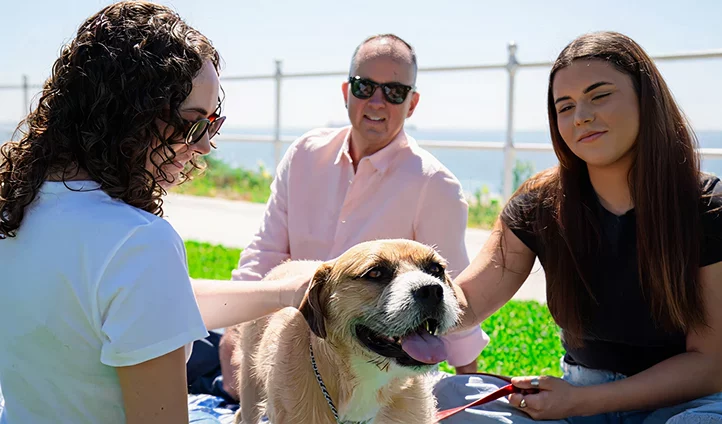
Pet-Inclusive Treatment Programs: Healing Solutions That Preserve Your Special Connection
Countless individuals contemplating recovery feel anxious about separating from their cherished animal companions during treatment. Animal friends frequently provide essential daily structure, emotional comfort, and consistent stability in their owners’ lives. Separation anxiety often creates significant obstacles to seeking necessary therapeutic intervention. Pet-inclusive recovery centers tackle this concern by accepting qualified companion animals within organized treatment settings, allowing people to focus on healing without facing additional emotional stress.
Emotional Support’s Role in Treatment Success
Healing paths commonly include moments of stress, doubt, and emotional instability. Pet welfare concerns can intensify these inherent difficulties and disrupt therapeutic concentration. Familiar companion presence helps reduce anxiety levels and promotes active involvement in recovery activities. Enhanced emotional stability generally leads to deeper engagement during individual counseling and group participation, which strengthens long-term recovery success.
Clinical Excellence in Compassionate Settings
Pet-welcoming programs uphold the same proven therapeutic methods used in traditional recovery facilities. Clients follow organized daily schedules including personal therapy, group meetings, and relapse prevention training. Comprehensive guidelines guarantee that safety protocols and cleanliness standards stay fully intact. Combined responsibility for personal growth and pet supervision builds accountability while establishing beneficial daily routines.
Creating Lasting Recovery Success
Durable sobriety achievement requires establishing consistency, practical coping skills, and supportive surroundings. Pet-inclusive treatment combines emotional reassurance with intensive therapeutic work. Clients develop stress reduction abilities, establish healthier behavioral patterns, and enhance prevention techniques while accompanied by their devoted companions. Continued outpatient support or step-down programs help maintain these achievements. By integrating structure with empathetic treatment, pet-friendly recovery programs offer effective paths toward lasting sobriety.