About Us
 Meet Our Team
 Our Facilities
 Testimonials
 Videos
 Newsroom
 Scholarship
 FAQ
FAQ Blog
Blog
 Newport Beach

 Long Beach


 Meth Rehab
 Outpatient Rehab
 IOP Rehab
 Virtual IOP
 PHP Rehab
 LGBTQ Friendly Rehab
 Device Friendly Rehab
 Pet Friendly Rehab
 Couples Drug Rehab
 Reiki Therapy
 Holistic Addiction Therapy
 Addiction Therapy
 Group Addiction Therapy
 EMDR Therapy
 CBT Therapy
 Mood Disorder Treatment
 Panic Disorders/Drinking Problems Treatment
 Addictive Personality Disorder Treatment
 Hyperfixation Treatments
 Hyper Independence Treatment
 Admissions Process
 Check My Insurance
 Rehab Insurance Coverage
 Financing Options
 What To Bring to Rehab
 Cigna
Cigna
















Pet-Friendly Addiction Treatment: Recovery Programs Designed for You and Your Cherished Animal Companion
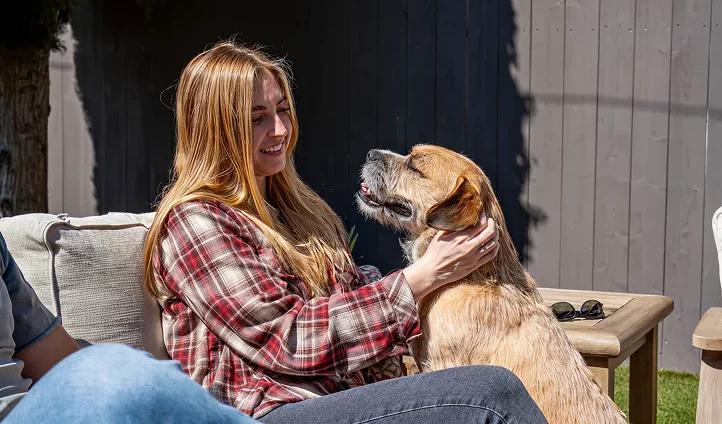
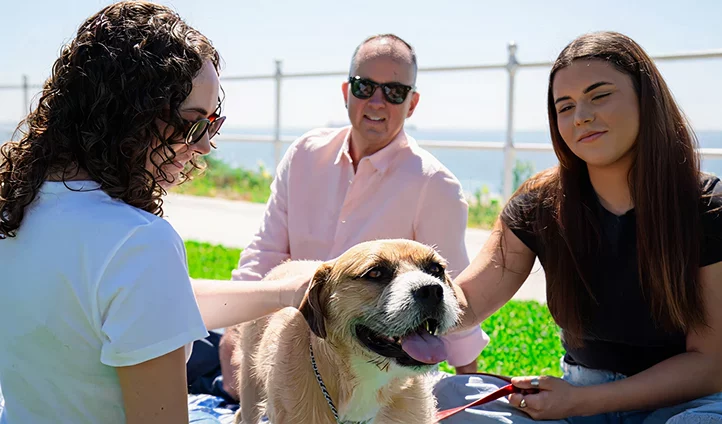
Pet-friendly addiction treatment offers hope for individuals who postpone seeking assistance because of worries about being separated from their cherished animal companions. These meaningful animal bonds provide emotional support, daily routine, and authentic comfort for numerous people. Fear of separation frequently becomes a major barrier to starting the healing process. Qualified companion animals may join clients in specialized residential settings, allowing concentrated recovery without pet-related stress.
Reducing Stress During Early Recovery Stages
Beginning the journey toward sobriety often appears overwhelming and intimidating. Changes in daily habits, emotional ups and downs, and questions about what lies ahead typically surface during the first treatment weeks. Worries about a companion animal’s wellbeing and safety can amplify these difficulties and hinder therapeutic progress. Qualified pets remaining with clients help lower stress levels and improve engagement in treatment activities. Consistent emotional support from animal companionship frequently results in more meaningful participation in both individual counseling and group therapy sessions.
Complete Treatment Approach With Proven Standards
Pet-friendly addiction treatment maintains the same clinical excellence found in traditional recovery programs. Structured daily therapeutic schedules including individual counseling, group sessions, and relapse prevention education continue as core components. Proven standards ensure safety, cleanliness requirements, and responsible animal care throughout the treatment center. Participants retain complete responsibility for their recovery journey while also caring for their animal companion, which strengthens personal accountability and daily routine.
Creating Long-Term Recovery Success
Sustained sobriety demands building effective coping skills and positive lifestyle habits. Pet-friendly addiction treatment supports this growth by providing emotional comfort while upholding strict therapeutic excellence. Techniques for managing cravings, skills for emotional stability, and strategies for preventing relapse develop within this supportive setting. Continued outpatient care or step-down living options frequently extend support after residential treatment ends. By combining intensive substance abuse treatment with considerate pet integration, pet-friendly addiction treatment allows people to begin their recovery path with greater emotional stability and hope.