ust steps from the beach, this scenic park features picnic areas, sports courts, and ocean views—perfect for peaceful reflection or spending quality time with others. 100 Main St, Newport Beach, CA 92661
Why I should relocate for rehab?
Our rehab centers help men, women who are struggling with addictions, substance abuse and co-occurring disorders.
800-692-9850Why I should relocate for rehab?
Why I should relocate for rehab?
Searching for an appropriate sober living facility in Los Angeles may seem daunting, yet support is available to guide you through this journey. Gratitude Lodge’s dedicated team works to streamline this experience, removing unnecessary stress from your decision-making process.
Our specialists will match you with secure, welcoming environments that align with your personal needs, financial considerations, and recovery objectives. Each facility we suggest undergoes thorough evaluation for organizational structure, supportive community atmosphere, and responsibility frameworks, ensuring confidence in your choice. Understanding the essential elements of an effective sober living setting, our team will direct you to an environment where continued growth thrives, meaningful connections flourish, and the foundation for sustained sobriety strengthens.
Residing in a sober living facility shares similarities with rehabilitation environments, yet here you maintain employment or educational pursuits while preserving financial autonomy. Group sessions and support networks remain integral components, though you enjoy the freedom to enter and exit the residence at will. Curfew requirements, zero-tolerance policies regarding substances, and established guidelines remain in effect to foster an atmosphere where residents can flourish within a constructive, uplifting community.
These transitional housing arrangements are often termed halfway houses since they represent the midpoint of your recovery journey. The experience extends beyond simply cohabitating with others in recovery. These facilities offer reduced structure and increased autonomy compared to rehabilitation centers, while providing enhanced guidance versus returning to an unregulated home environment. These communities prepare residents for success by developing essential life capabilities before independent living, including:
Both sober living communities and halfway houses serve as residential support systems for individuals recovering from addiction. Despite shared characteristics between these housing options, significant distinctions merit consideration.
Sober living facilities primarily serve individuals who have finished formal addiction treatment programs and are progressing toward independent living while preserving their recovery. These environments typically maintain less rigid structures than halfway houses, granting residents greater autonomy regarding curfews, guest policies, and technology access. Community members must sustain their sobriety, engage in group activities, fulfill household duties, and cover all personal expenses.
Conversely, halfway houses operate with increased structure and may serve as court-mandated treatment components. These facilities typically accommodate individuals who have completed residential treatment yet require additional supervision and support during community reintegration. Halfway house residents often face stricter regulations, including enforced curfews and mandatory substance screening.
The scope of support services represents another crucial distinction between these housing types. While both environments may provide counseling access and support group participation, halfway houses frequently deliver more comprehensive therapeutic and medical interventions to address particular mental health requirements.
Ultimately, both housing models create supportive, secure environments where individuals in recovery can establish foundations for healthy, meaningful sober lives. Selecting the appropriate residential environment depends on individual circumstances, needs, and the level of support and structure required to maintain recovery.
Individuals recovering from substance dependencies often reevaluate their personal relationships and friendships, frequently discovering that many connections centered around substance use. Continuing your recovery journey within a sober living community surrounds you with peers dedicated to sobriety and embracing substance-free lifestyles. Experience the encouragement, responsibility, and optimism of fellow residents while navigating this demanding transitional recovery phase.
Those in early recovery stages often struggle transitioning directly from structured residential rehabilitation to independent living. Within sober living communities, you benefit from house management oversight and can rely on fellow residents for assistance as you progress toward autonomous sober living.
Staff members within sober living communities undergo thorough vetting and credentialing processes, ensuring confidence in your support network. Community staff may also facilitate connections with other licensed and certified professionals relevant to your recovery path.
Choosing to navigate recovery’s challenging transitional phase within a sober living community may decrease relapse likelihood before your recovery gains momentum. Addiction represents a chronic, relapsing brain condition with relapse rates between 40% and 60%, comparable to other chronic medical conditions. Enhance your sustained sobriety prospects by contacting Gratitude Lodge for California sober living options.
Typical sober living stays average 90 days, though extended arrangements can be accommodated. If maintaining sobriety within your home environment post-rehabilitation seems challenging, or family members maintain negative attitudes toward your recovery, sober living or halfway house placement provides excellent support for staying on track. Within these environments, professionals assist you through significant life changes. They also help determine appropriate residence duration for your situation.
Provided you actively engage in recovery efforts, follow community regulations, and meet financial obligations, you should remain free to continue residence as needed. Each person’s addiction recovery experience is unique, and optimal sober living communities accommodate this through flexible approaches.
Most sober living facilities require residents to cover their own housing costs and participate in household responsibilities. Generally, these communities aren’t eligible for insurance coverage since government agencies don’t classify them as treatment facilities. This occurs because sober living homes don’t provide therapeutic services like rehabilitation centers do. While this may appear disadvantageous, rent payments help residents maintain responsible financial practices.
Nevertheless, outpatient rehabilitation services you might attend during sober living residence may receive insurance coverage. Some policies may restrict provider choices or require cost contributions. Expenses depend on your policy deductible and co-payment requirements. Most treatment centers can help determine outpatient rehabilitation insurance eligibility.

California sober living has gained popularity among individuals recovering from addiction. These California environments typically provide supportive, structured spaces for recovery-focused individuals transitioning toward independent living while actively maintaining sobriety.
California sober living communities may provide various services and features, including:
Some California sober living communities may provide specialized programming for individuals with co-occurring mental health conditions or other specific requirements.
Beyond these services, California sober living homes help those recovering from substance dependencies form supportive, meaningful relationships with recovery peers, while accessing enjoyable sober activities and wellness resources promoting personal development.
Additionally, most California sober living communities are situated in areas with convenient nature access, helping you embrace California sober living while thriving rather than simply surviving.
Note: California sober living describes a specific transitional housing model prevalent in California that has gained popularity elsewhere. This concept allows individuals recovering from addiction to maintain sober lifestyles while potentially using marijuana responsibly and controllably in states where marijuana use is legal. If you have developed marijuana dependency, contact Gratitude Lodge in Southern California for evidence-based treatment.
If you’re considering California sober living options, explore whether you can find answers among the most common questions we receive at Gratitude Lodge in Southern California.
Sober living typically describes maintaining a substance-free lifestyle without drugs or alcohol. This term primarily applies to individuals recovering from substance dependencies. Sober living involves consciously choosing to abstain from substances and frequently includes active recovery work through counseling participation, support groups, or other therapeutic approaches. Within sober living home contexts, this term specifically refers to living environments designed to support recovery by providing substance-free spaces with structured, supportive communities. Sober living house rules and guidelines encourage substance-free behavior and prevent relapse, with residents typically required to maintain sobriety while residing there. Sober living can represent an important transitional step for those who have completed inpatient treatment and are returning to everyday life.
Maintaining a sober lifestyle can positively impact your physical, emotional, and social wellness. Here are examples of what may happen when you live substance-free:
Sober living experiences vary for everyone and depend on factors including substance abuse history, sobriety duration, and specific challenges in maintaining recovery. Here are general experiences individuals in recovery may encounter while living substance-free:
A sober living house, also called a sober living community, provides residential settings where individuals recovering from substance dependencies can live in safe, supportive environments with peers undergoing recovery journeys and committed to sobriety. These houses often serve as transitional steps for people who have completed inpatient treatment but aren’t ready for everyday independent living. Sober living houses provide structured, substance-free environments with rules and guidelines helping residents maintain sobriety and develop life skills supporting recovery. These facilities typically employ house managers overseeing daily operations and enforcing regulations. Residents usually must participate in active recovery, which may involve attending outpatient therapy or engaging with peer support groups. Residents also share household chores and responsibilities. Sober living homes don’t provide addiction treatment and these communities don’t substitute for rehabilitation.
After completing inpatient treatment, many clients choose to continue their progress in sober living environments designed to support long-term recovery. There are roughly 450 to 700 sober living homes located within 10 miles of Los Angeles, offering safe, structured housing for individuals ready to transition toward greater independence. Our team helps each graduate connect with trusted local homes in their area that reflect the same sense of community, accountability, and stability fostered at Gratitude Lodge.
Sober Living Stats and Facts:
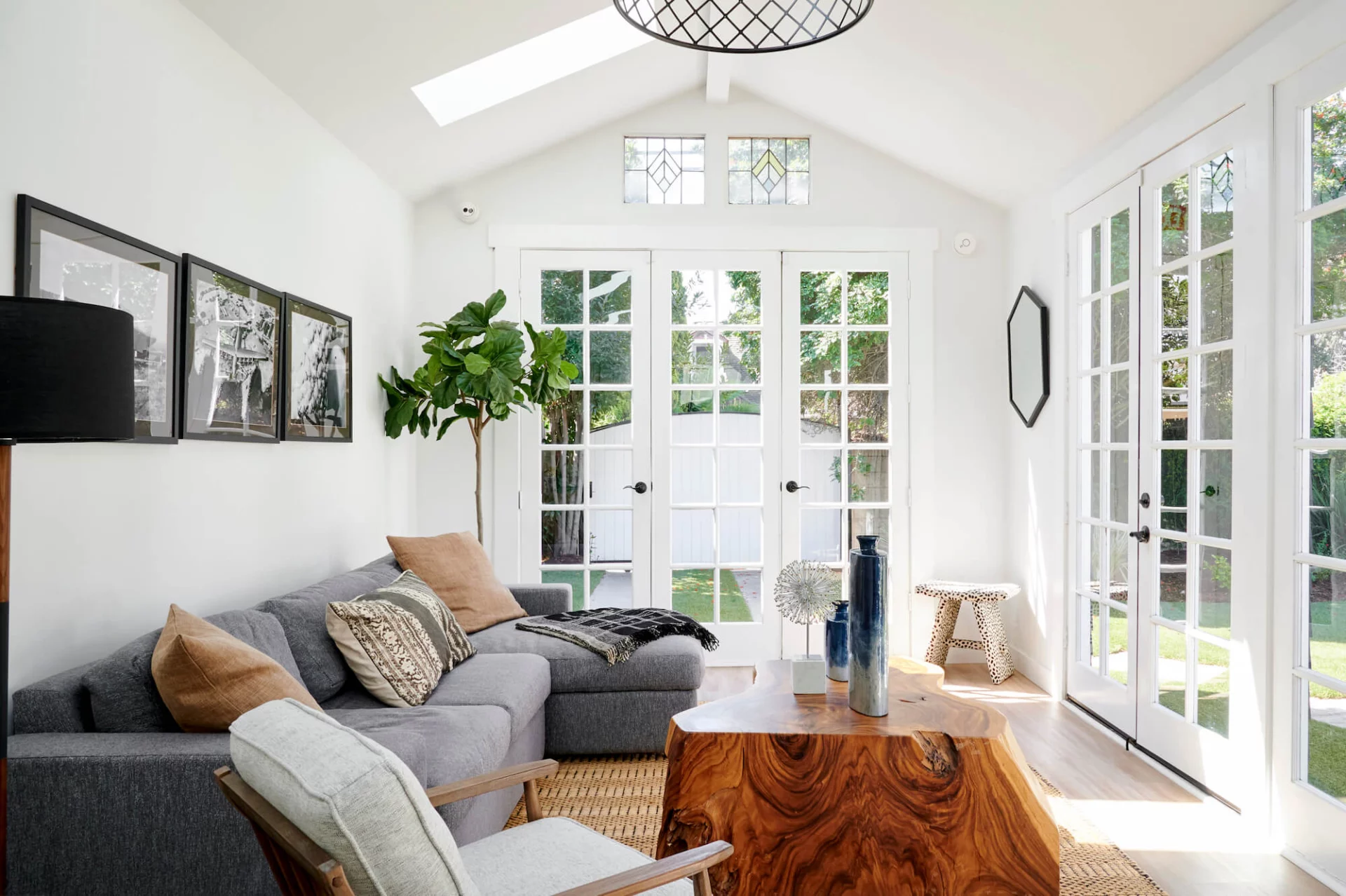
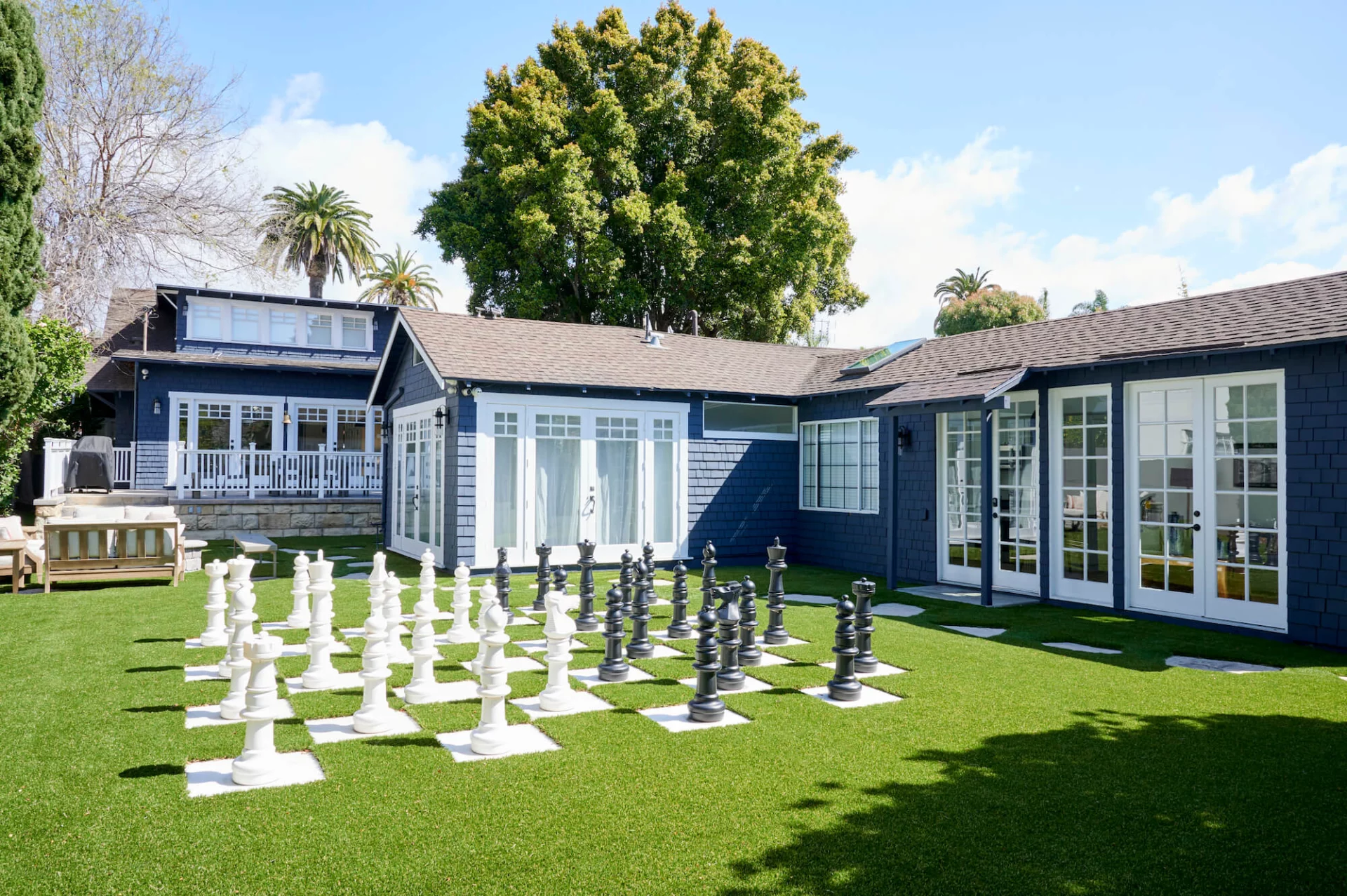
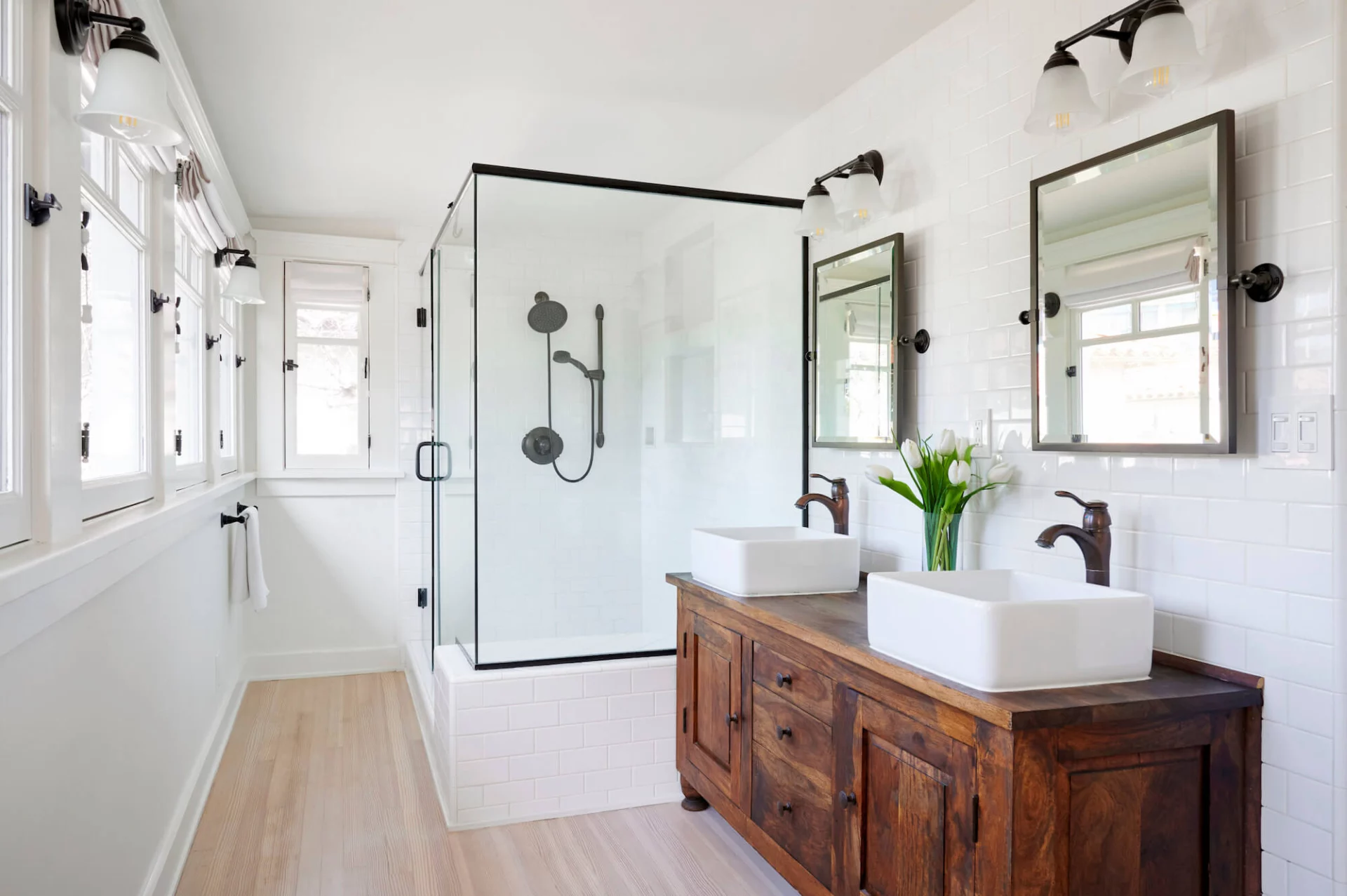
Our clean and modern facilities are located near beautiful beaches and a thriving sober community. Clients enjoy easy access to local hiking spots, beaches, restaurants & more nearby.
Accessing quality care after inpatient treatment shouldn’t depend on financial barriers. Some Los Angeles sober living homes are owned by drug rehab facilities and they will work with their patients to get them housing at their sober living facilities. This allows individuals to continue recovery in safe, structured environments that promote accountability, independence, and long-term stability. Our team can help you find trusted, homes that make the transition from treatment to everyday life more affordable and accessible—no matter where you live.
Sober Living Homes Owned By Drug Rehab Companies – Stats and Facts:
Gratitude Lodge Rehab Admission Process: Step-by-Step | |
|---|---|
| Step 1 | Share your story: Connect with us and let us understand your background, challenges, and goals for recovery. |
| Step 2 | Complete a simple pre-screening: Answer a few questions so we can assess your needs and coverage. |
| Step 3 | Get your personalized treatment plan: We’ll recommend the program best suited to your situation and goals. |
| Step 4 | Coordinate your journey: Our team helps you arrange travel, admissions details, and next steps. |
| Step 5 | Begin your recovery: Arrive at your chosen facility and start the healing process with confidence. |
Gratitude Lodge Recovery Center Accreditations | |
|---|---|
| JCO | 2025 Registered |
| DHCS | 2025 Registered |
| LegitScript | 2025 Registered |
| LMFT | 1 |
| CADC II | 3 |
| RAC | 2 |
| RADT | 1 |
| AMFT | 3 |
| SUDRC | 1 |
| SUDCC | 1 |
| APCC | 1 |
| Staff | Position Title | Certification and/or License |
|---|---|---|
| Sean O’Neill | Clinical Director | LMFT |
| Monica Hernandez | Program Director | CADC ll |
| Nicholas Trolley | Operations Director | CADC ll |
| Jayla Pierce | Operations Team | RAC |
| Sierra Nicodemus | Operations Team | RADT |
| Tiffany Stevens | Case Manager | CADC ll |
| Kayla Lugo | Therapist | AMFT |
| Emma Psomas | Associate Therapist | AMFT |
| James Krier | Case Manager | RAC |
| Jesus Dominguez | Case Manager | SUDRC |
| Ryan Narriman | Case Manager | SUDCC |
| Joseph Pennino | Associate Therapist | APCC, AMFT |
Addictions Gratitude Lodge Treats | ||||
|---|---|---|---|---|
| Adderall addiction | Bath salts abuse | Dexedrine addiction | Kratom addiction | Opioid addiction |
| Ambien addiction | Barbiturate addiction | Halcion addiction | Lithium addiction | OxyContin abuse |
| Amphetamine addiction | Benzodiazepine addiction | Hydrocodone addiction | LSD addiction | Stimulants abuse |
| Alcohol addiction | Cocaine addiction | Inhalant addiction | Ritalin addiction | |
| Ativan addiction | Codeine addiction | Prescription drug addiction | Marijuana addiction | |
| Painkiller addiction | Percocet addiction | Ketamine abuse | Meth addiction | |
Addictions Gratitude Lodge Treats | |
|---|---|
| Adderall addiction | Bath salts abuse |
| Ambien addiction | Barbiturate addiction |
| Amphetamine addiction | Benzodiazepine addiction |
| Alcohol addiction | Cocaine addiction |
| Ativan addiction | Codeine addiction |
| Painkiller addiction | Percocet addiction |
| Dexedrine addiction | Kratom addiction |
| Halcion addiction | Lithium addiction |
| Hydrocodone addiction | LSD addiction |
| Inhalant addiction | Ritalin addiction |
| Prescription drug addiction | Marijuana addiction |
| Ketamine abuse | Meth addiction |
| Opioid addiction | Stimulants abuse |
| OxyContin abuse | |
Levels of Addiction Treatment |
| Medical detox |
| Residential & inpatient addiction treatment |
| Partial hospitalization program (PHP) |
| Intensive outpatient program (IOP) |
| Outpatient Program (OP) |
| Aftercare rehabilitation services |
Drug Rehab Therapies | What They Are |
|---|---|
| Cognitive Behavioral Therapy (CBT) | Helps individuals recognize and change negative thought patterns that drive addictive behaviors. |
| Dialectical Behavior Therapy (DBT) | Teaches emotional regulation, mindfulness, and coping skills to manage distress and improve relationships. |
| Motivational Interviewing (MI) | Encourages self-motivation by exploring personal goals and reducing ambivalence about change. |
| Contingency Management | Uses incentives and rewards to reinforce positive behaviors like staying sober. |
| 12-Step Facilitation | Provides structured peer support rooted in the principles of Alcoholics Anonymous and similar programs. |
| Eye Movement Desensitization and Reprocessing (EMDR) | Uses guided eye movements to process and heal trauma linked to substance use. |
| Family Therapy | Involves loved ones in the recovery process to improve communication and repair relationships. |
| Group Therapy | Provides peer support, accountability, and shared learning in a guided therapeutic setting. |
| Holistic Therapy | Incorporates practices like yoga, meditation, art, and music to heal mind, body, and spirit. |
| Trauma-Informed Care | Addresses the role of past trauma in addiction and helps build healthy coping strategies. |
| Medication-Assisted Treatment (MAT) | Combines FDA-approved medications with counseling to reduce cravings and withdrawal symptoms. |
Many people face transportation issues, few nearby programs, or uncertainty about what their insurance will cover. It’s a frustrating process when you’re ready to start getting help.
ust steps from the beach, this scenic park features picnic areas, sports courts, and ocean views—perfect for peaceful reflection or spending quality time with others. 100 Main St, Newport Beach, CA 92661
A tranquil space with walking trails, native plant gardens, and educational exhibits—ideal for quiet moments and mindful walks. 1601 E 16th St, Newport Beach, CA 92663
While known for shopping, this open-air center also offers a welcoming atmosphere for casual strolls, people-watching, or enjoying a meal with loved ones. 401 Newport Center Dr, Newport Beach, CA 92660
Our approach to recovery emphasizes practical, everyday strategies that work in real situations. When you enter our sober living facility in Los Angeles, you’ll find yourself surrounded by a framework designed to foster responsibility, self-reliance, and meaningful development.
Each resident participates in a structured daily schedule featuring established curfews, regular drug screenings, household duties, and chances for community involvement. This organized environment strengthens positive behaviors and creates a solid base for sustained recovery.
Those managing employment, education, or outpatient treatment will find our setting accommodates flexible arrangements while upholding standards that support continued progress. If your goal is rebuilding self-assurance and stability without excessive limitations, sober living provides an ideal balance of autonomy with essential support for success.
Through emphasis on mutual support among peers and individual accountability, our program keeps you connected to your recovery objectives while smoothly preparing you for reintegration into daily life.
Lives Treated
Certified/Licensed Professionals
States Served
Verified Reviews
At Gratitude Lodge, we don’t just help you find a place to maintain sobriety —we guide you into a home built for recovery. Our team combines firsthand experience in recovery with clinical knowledge to ensure each placement offers structure, support, and community.
We screen sober-living homes to ensure safety, accountability, and a shared commitment to growth. Whether you’re relocating from afar or close by, we streamline logistics and assist with matching you to an environment that truly fits your needs and goals. With us, the next move isn’t just about housing—it’s about stepping into a new chapter with confidence and clarity.
Most people struggling with substance use disorder who do not get treatment relapse within months.
Recovery rates improve with each level of care completed in the addiction treatment journey.
CBT helps individuals identify and change negative thought patterns and behaviors that contribute to addiction and mental health challenges. By learning practical coping strategies, clients gain healthier ways to manage stress and triggers in daily life.
DBT focuses on building emotional regulation, mindfulness, and interpersonal effectiveness skills. It is especially effective for those dealing with intense emotions, self-destructive behaviors, or co-occurring mental health conditions.
MAT combines FDA-approved medications with counseling and behavioral therapies to treat substance use disorders. This approach reduces cravings and withdrawal symptoms, helping clients stay engaged in recovery.
These sessions create a supportive environment where clients can share experiences, build communication skills, and strengthen relationships. Family involvement helps repair trust, improve understanding, and create a healthier foundation for recovery.
A supervised medical process that manages withdrawal symptoms to prepare individuals for ongoing treatment.
A live-in program that delivers intensive, round-the-clock care and therapy to address substance use or mental health disorders in a structured setting.
A structured, full-day treatment program that provides intensive therapy without requiring overnight stays.
A flexible treatment option offering several hours of therapy per week while allowing clients to maintain daily responsibilities.
A step-down level of care with scheduled therapy sessions that support continued recovery while living independently.
Ongoing support and resources that help individuals maintain long-term sobriety and stability after completing formal treatment.
4.9
Detox & Inpatient Treatment
4.7
PHP, IOP, & OP Treatment
Check out our social content for facility videos, client interviews, recovery content, & more!
Detox is the first step of the withdrawal treatment process. Clients will be medically monitored under 24/7 supervision as they go through withdrawal symptoms.
Sober living facilities in Los Angeles provide a structured, drug-free setting that enables people in recovery to develop healthy habits and personal responsibility following detox or inpatient treatment. These homes serve as a crucial transition point between intensive therapeutic care and fully independent living.
Through consistent routines, structured daily activities, and peer support networks, sober living environments in Los Angeles help strengthen the behaviors and perspectives essential for maintaining sobriety. Residents can practice recovery techniques in practical situations while remaining connected to accountability systems.
Not at all – these residential programs accept people at different stages of their healing journey. While some residents are transitioning from residential treatment, others may return following a setback or utilize the supportive framework for continued guidance.
Absolutely – numerous sober living facilities in Los Angeles accommodate residents who maintain jobs or actively search for work. The structured environment provides necessary flexibility for professional commitments while upholding recovery standards and community obligations.
Guidelines differ between programs, though most facilities welcome visitors during designated times with proper authorization from staff. This approach maintains the protective recovery atmosphere while encouraging positive personal connections.
Standard expectations typically encompass evening curfews, regular substance screening, engagement in household duties or group sessions, and upholding courteous conduct. These structures establish a stable, secure environment where all residents can flourish in their recovery process.
Requirements vary – certain facilities mandate or suggest ongoing outpatient services, while others support more autonomous living arrangements. Many programs throughout Los Angeles provide connections to counseling or intensive outpatient programs when appropriate.
Response procedures differ among facilities, but typically involve brief removal from the program, professional assessment, or facilitated placement in more intensive care. The priority remains safeguarding the community while helping the individual reconnect with their recovery path.
Both arrangements are available throughout the area. Selecting the appropriate setting depends on individual preferences, personal background, and which environment feels most conducive to successful recovery outcomes.
Stay duration varies based on personal objectives and development. Some individuals remain for one to three months, while others extend their residence for six months or beyond to establish greater stability and self-assurance before moving to independent housing.
In contrast to living alone, sober living environments offer structured daily routines, built-in accountability measures, and continuous peer encouragement – elements that significantly decrease relapse risk. These recovery-centered settings are specifically designed to facilitate meaningful, lasting transformation.
Consider this option if you value ongoing support, structured accountability, and a protected environment for continuing recovery while reconstructing your daily routine. An initial assessment conversation can help evaluate whether this approach aligns with your specific circumstances and recovery objectives.
At Gratitude Lodge, we’re committed to helping individuals reach their full potential and build brighter futures. Our $1,000 scholarships are one way we give back, empowering students to achieve their goals. With a 500-word essay, you can apply for 2025. Click below to learn more, hear from past winners, and apply today!
Why I should relocate for rehab?
Our rehab centers help men, women who are struggling with addictions, substance abuse and co-occurring disorders.
800-692-9850Why I should relocate for rehab?
Why I should relocate for rehab?