
 About Us
 Meet Our Team
 Our Facilities
 Videos
 Newsroom
 FAQ
FAQ Blog
Blog
 Newport Beach

 Long Beach


 Meth Rehab
 Outpatient Rehab
 IOP Rehab
 Virtual IOP
 PHP Rehab
 LGBTQ Friendly Rehab
 Device Friendly Rehab
 Pet Friendly Rehab
 Couples Drug Rehab
 Reiki Therapy
 Holistic Addiction Therapy
 Addiction Therapy
 Group Addiction Therapy
 EMDR Therapy
 CBT Therapy
 Mood Disorder Treatment
 Panic Disorders/Drinking Problems Treatment
 Addictive Personality Disorder Treatment
 Hyperfixation Treatments
 Hyper Independence Treatment
 Check My Insurance
 Rehab Insurance Coverage
 Financing Options
 Cigna
Cigna














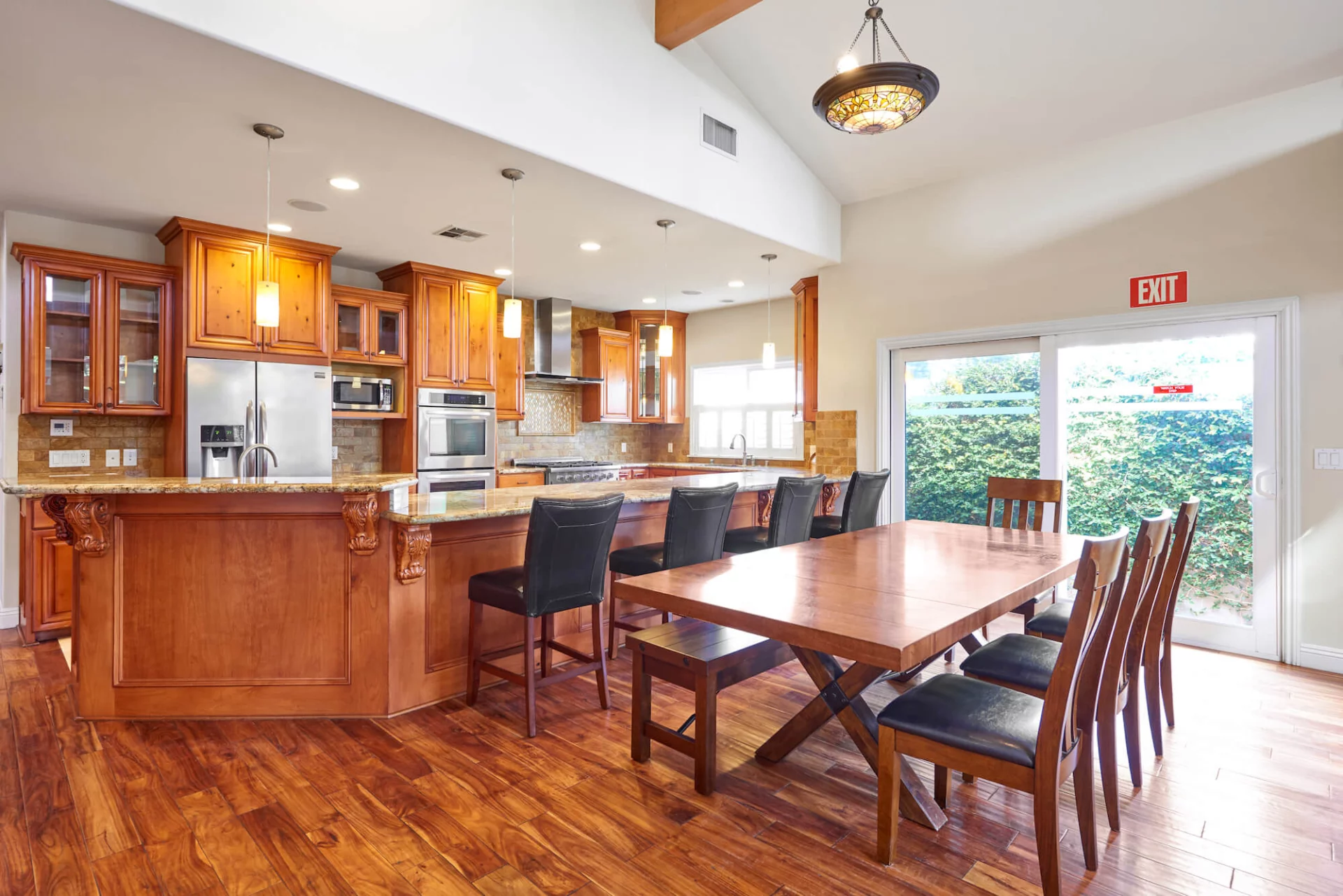







ust steps from the beach, this scenic park features picnic areas, sports courts, and ocean views—perfect for peaceful reflection or spending quality time with others. 100 Main St, Newport Beach, CA 92661
Read More…
Understanding Daily Life Within Sober Living Communities
Residence in a sober community mirrors aspects of rehabilitation while offering greater autonomy for work, education, and financial management. Group sessions and peer support remain integral components, though freedom to enter and leave exists within established boundaries. Curfew requirements, zero-tolerance substance policies, and structured guidelines create an atmosphere where residents flourish within supportive, motivational surroundings.
Transitional housing represents the midpoint of recovery, serving as a bridge between intensive treatment and complete independence. Beyond simply cohabitating with recovering individuals, these environments provide moderate structure compared to rehabilitation facilities while offering more guidance than immediate return to unregulated living situations. Essential life competencies are developed through comprehensive preparation programs, including:
- EMPLOYMENT ACQUISITION
- POST-TREATMENT HOUSING SEARCH
- MAINTAINING SOBRIETY AT HOME
- INTERPERSONAL COMMUNICATION
- REBUILDING FAMILY CONNECTIONS
- PEER SUPPORT NETWORKS
- TRIGGER MANAGEMENT
- EDUCATIONAL ADVANCEMENT
Distinguishing Sober Living From Halfway Houses
Residential recovery environments encompass both sober living communities and halfway houses, each serving individuals transitioning from addiction treatment. Similarities exist between these supportive housing options, yet significant distinctions merit careful consideration.
Therapeutic communities focus on supporting individuals who have successfully completed formal addiction treatment programs while working toward independent living and sustained sobriety. Greater flexibility characterizes these environments compared to halfway houses, offering residents increased autonomy regarding schedules, guest policies, and technology access. Sobriety maintenance, group participation, household contribution, and financial responsibility remain fundamental expectations.
Court-mandated programs frequently utilize halfway houses, which feature heightened structure and supervision requirements. Individuals completing residential treatment who need additional oversight during community reintegration typically qualify for halfway house placement. Stricter regulations govern these facilities, including mandatory curfews and regular substance testing protocols.
Service provision levels distinguish these two residential recovery models significantly. Counseling access and support group participation characterize both environments, though halfway houses typically provide intensive therapeutic interventions and medical services addressing specific mental health requirements.
Both residential recovery options create secure, supportive foundations for individuals building healthy, fulfilling sober lifestyles. Individual circumstances, specific requirements, and necessary support levels determine the most appropriate residential environment for maintaining long-term sobriety.
- Employment Acquisition
- Post-Treatment Housing Search
- Maintaining Sobriety At Home
- Interpersonal Communication
- Rebuilding Family Connections
- Peer Support Networks
- Trigger Management
- Educational Advancement
Advantages Of Sober Living Communities
Nurturing Environment
Recovery from substance dependency often requires reevaluating personal relationships and social connections, frequently revealing that many bonds were founded upon shared substance use. Continuing recovery within sober living facilities surrounds residents with peers dedicated to sobriety and embracing substance-free lifestyles. Peer support, accountability measures, and positive reinforcement assist individuals navigating this crucial transitional recovery phase.
Comprehensive Support
Early recovery presents challenges when transitioning directly from structured residential treatment to complete independence. House managers oversee daily operations within sober living communities, while fellow residents provide assistance as individuals progress toward independent sober living arrangements.
Qualified Personnel
Thoroughly vetted and credentialed staff members serve sober living communities, ensuring robust support system confidence. Professional connections to licensed and accredited specialists relevant to individual recovery journeys are often facilitated by community staff.
Reduced Relapse Risk
Pursuing recovery’s challenging transitional phase within sober living communities may decrease relapse probability before recovery gains momentum. Addiction constitutes a chronic, relapsing brain disorder with relapse rates ranging from 40% to 60%, comparable to other chronic medical conditions. Enhanced sobriety prospects await through Gratitude Lodge’s California sober living programs.

Duration Of Sober Living Residence
Typical sober living residence spans 90 days, though extended arrangements accommodate individual needs. Concerns about maintaining sobriety within personal home environments following treatment, or unsupportive family attitudes toward recovery, make sober living or halfway houses excellent solutions for sustained progress. Professional guidance within sober living environments assists residents navigating significant life changes while determining optimal residence duration.
Active recovery pursuit, community rule adherence, and financial obligation fulfillment typically permit indefinite sober living community residence. Individual recovery experiences from substance dependency vary significantly, with optimal sober living communities accommodating this diversity through flexible approaches.

Insurance Coverage For Sober Living Facilities
Self-funded rent payments and household responsibilities characterize most sober living arrangements. Generally, insurance coverage excludes sober living facilities since government classification doesn’t recognize them as treatment centers. Treatment services aren’t provided as rehabilitation facilities offer, though rent payment requirements help residents maintain responsible financial behaviors.
Outpatient treatment participation during sober living residence may qualify for insurance coverage. Policy limitations might restrict provider choices or require resident cost contributions. Expenses depend upon insurance deductibles and co-payment requirements. Treatment facilities typically assist in determining outpatient treatment insurance eligibility.

California’s Sober Living Opportunities
Growing popularity characterizes California’s sober living options for individuals recovering from addiction. Supportive, structured environments throughout California facilitate transitions toward independent living while actively maintaining sobriety commitments.
California’s sober living facilities may provide various services and amenities, including:
- Individual and group counseling service access
- 12-step program and recovery support group connections
- Educational service provision
- Career development assistance
- Employment support services
Specialized programming for co-occurring mental health conditions or unique individual needs may be available through some California sober living communities.
Beyond these services, California sober living facilities help individuals recovering from substance dependency form meaningful peer relationships while accessing engaging sober activities and wellness-promoting resources supporting personal development.
Natural environment access characterizes most California sober living community locations, encouraging residents to embrace thriving rather than merely surviving within California’s sober living culture.
Note: California sober living terminology describes specific sober living environments prevalent throughout California and gaining worldwide recognition. This concept permits individuals recovering from addiction to maintain sober lifestyles while responsibly and controllably using marijuana in legalized states. Marijuana addiction concerns warrant contacting Gratitude Lodge in Southern California for evidence-based treatment approaches.
CALIFORNIA SOBER LIVING FREQUENTLY ASKED QUESTIONS
California sober living exploration interests can be addressed through common inquiries received at Gratitude Lodge in Southern California.
How is sober living defined?
Drug-free and alcohol-free lifestyle choices generally define sober living terminology, primarily applicable to individuals recovering from substance dependency. Conscious abstinence decisions characterize sober living, frequently involving active recovery participation through counseling, support groups, or therapeutic interventions. Within sober living facility contexts, the term specifically describes living environments supporting recovery through substance-free spaces featuring structured, supportive communities. House rules and guidelines encourage sober behaviors and prevent relapse, with sobriety maintenance requirements for all residents. Important transitional recovery steps often include sober living for individuals completing inpatient treatment programs while transitioning toward everyday living situations.
What occurs during sober lifestyle adoption?
Numerous positive effects on physical, emotional, and social well-being result from sober living adoption. Examples of sober lifestyle benefits include:
- Enhanced physical wellness: Substance cessation allows bodily recovery from adverse effects caused by substance abuse. Better sleep patterns, increased energy levels, and improved overall health may result.
- Mental health improvements: Substance abuse negatively impacts mental health, contributing to depression, anxiety, and various mental health disorders. Sober living may produce better mental health, increased emotional stability, and enhanced well-being.
- Relationship strengthening: Addiction strains friendships and family connections. Sober living enables relationship rebuilding and formation of healthy new relationships not based on substance use.
- Enhanced productivity: Substance abuse interferes with work performance and productivity levels. Sober living may increase motivation, focus, and productivity, improving workplace performance.
- Financial improvements: Addiction expenses create financial difficulties for many struggling with substance abuse. Sober living can improve financial stability and security.
What does sober living feel like?
Individual sober living experiences vary based on substance abuse history, sobriety duration, and specific sobriety maintenance challenges. Common experiences individuals in recovery encounter while living sober include:
- Mental clarity: Increased mental clarity represents the most frequently reported sobriety benefit. Clear thinking and improved goal and priority focus result from substance-free living.
- Mood enhancement: Happiness and positivity increases are commonly reported following sobriety achievement and maintenance. Substance abuse-associated mood swings and emotional issues can be stabilized through sober living, promoting positive emotional states.
- Energy level increases: Physical drain, fatigue, and lethargy result from substance abuse. Sobriety may increase energy levels and enhance physical well-being sensations.
- Confidence improvements: Major accomplishments include achieving sobriety, with many individuals reporting pride and confidence extending positively into daily life.
What constitutes a sober living house?
Safe, supportive residential environments where individuals recovering from substance addiction live among peers committed to sobriety define sober living houses, also called sober living communities. Transitional steps for individuals completing inpatient treatment who aren’t ready for everyday living commonly utilize sober living houses. Structured, substance-free environments with established rules and guidelines help residents maintain sobriety and develop recovery-supporting life skills. House managers typically oversee daily operations and enforce regulations. Active recovery participation requirements usually include outpatient therapy attendance or peer support group engagement. Household chore and responsibility sharing expectations apply to residents. Addiction treatment isn’t provided by sober living facilities, and these communities don’t substitute for rehabilitation programs.