





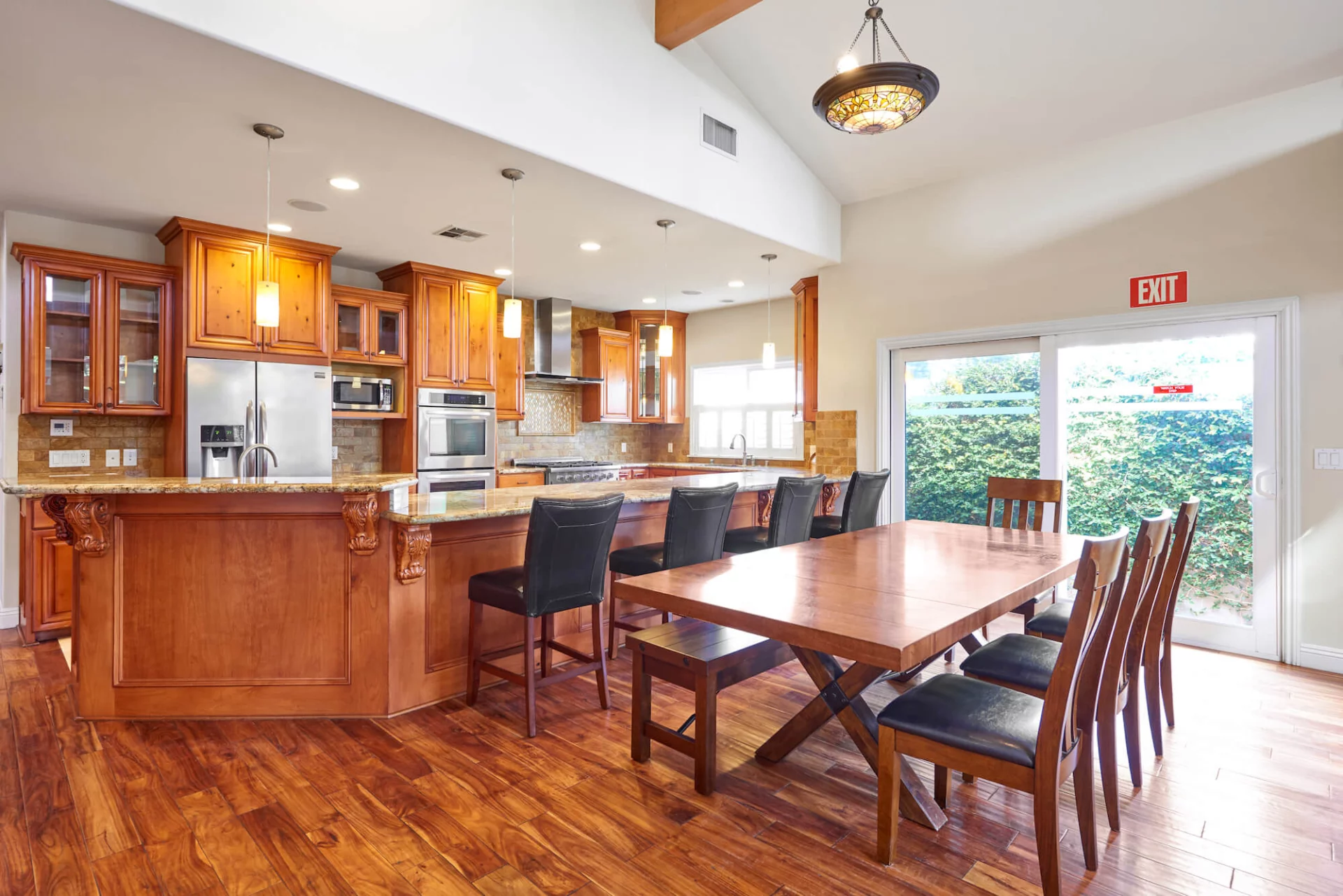




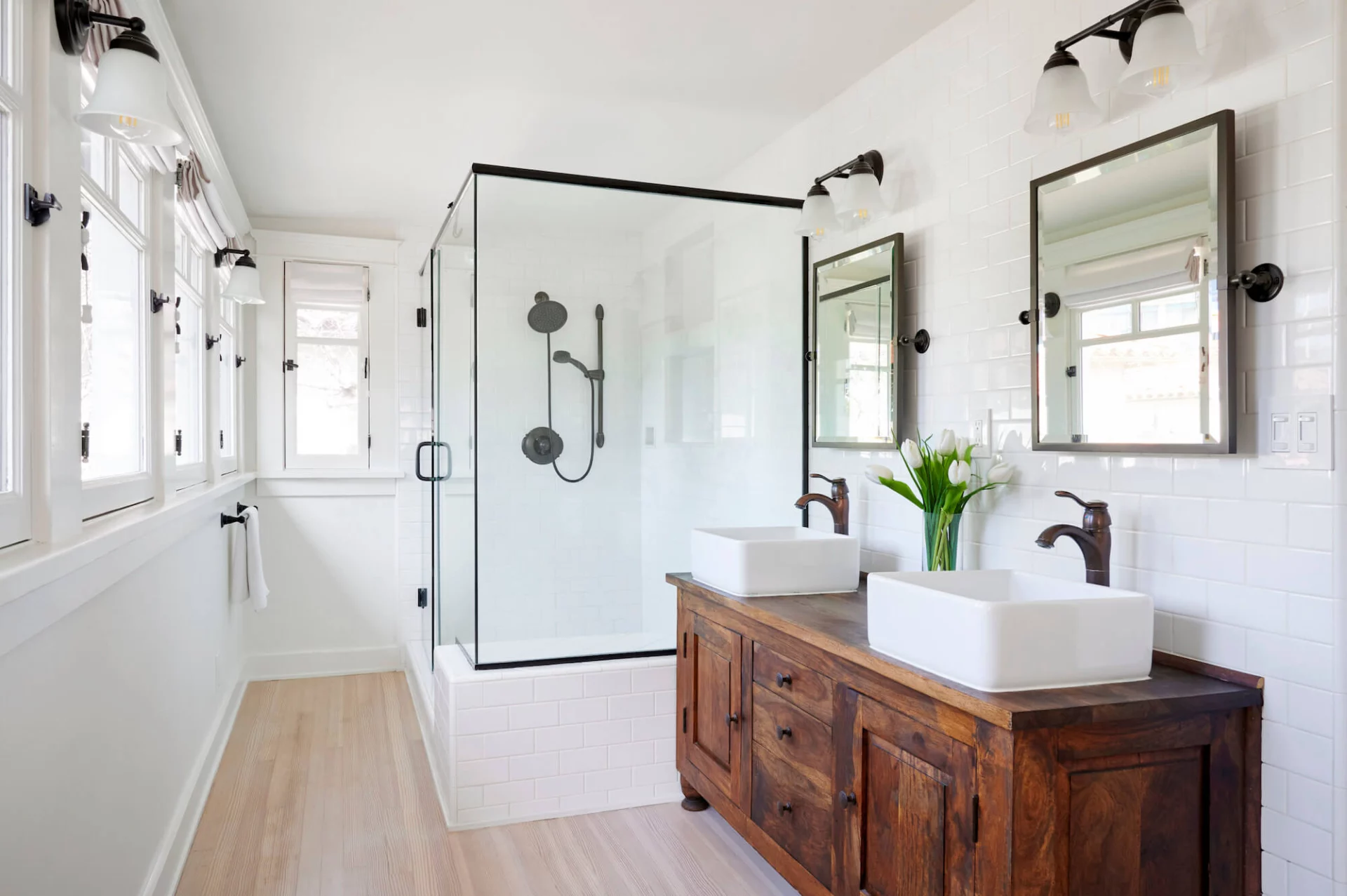

Long Beach Sober Living Homes

Expert Guidance for Sober Living in Long Beach

Searching for an appropriate sober living facility in Long Beach doesn’t have to be a daunting experience when you have proper support. The dedicated team at Gratitude Lodge is here to streamline this journey and eliminate unnecessary stress.

Our specialists will match you with secure, welcoming residences that align with your personal needs, financial considerations, and recovery objectives. Each facility in our network undergoes thorough evaluation for organizational structure, peer support, and responsibility systems, ensuring you can move forward with confidence. We understand the essential elements that create a truly nurturing sober living atmosphere and will direct you to an environment where continued growth, meaningful connections, and the development of a sustainable, substance-free lifestyle become achievable goals.

Read More…

What Does Life Look Like in a Sober Living Environment?

Residing in a sober living facility shares similarities with rehabilitation centers, yet here you maintain employment or educational pursuits while preserving financial autonomy. Group sessions and supportive networks remain integral parts of your routine, though you enjoy freedom to enter and exit the residence as desired. Curfew restrictions, zero-tolerance policies regarding substances, and additional guidelines remain in place to foster an atmosphere where residents can flourish within a constructive, uplifting community.

These transitional homes earn the “halfway house” designation because residents have progressed midway through their recovery journey. The experience extends beyond simply cohabitating with others in recovery. These environments offer reduced structure and increased independence compared to rehabilitation facilities, while providing more guidance than returning directly to an unstructured home setting. Residents gain essential life competencies before transitioning to complete independence, including:

  • SECURING EMPLOYMENT
  • LOCATING POST-TREATMENT HOUSING
  • MAINTAINING SOBRIETY AT HOME
  • DEVELOPING INTERPERSONAL ABILITIES
  • REBUILDING FAMILY CONNECTIONS
  • ESTABLISHING SUPPORT SYSTEMS
  • HANDLING RELAPSE TRIGGERS
  • ADVANCING EDUCATIONAL GOALS

Comparing Sober Living Facilities and Halfway Houses

Both sober living facilities and halfway houses serve as residential support systems for individuals recovering from addiction. Though these community types share common ground, several crucial distinctions merit consideration.

Sober living facilities primarily serve individuals who have finished formal addiction treatment programs and are progressing toward independent living while preserving their recovery. These homes typically maintain less rigid structures than halfway houses, granting residents greater autonomy regarding curfews, guest policies, and technology access. Residents must sustain their sobriety, engage in group activities, and handle household duties while covering all personal expenses.

Conversely, halfway houses operate with increased structure and may serve as court-mandated treatment components. These facilities often accommodate individuals completing residential treatment who need additional oversight and support during community reintegration. Halfway house residents face stricter regulations, including enforced curfews and mandatory substance screening.

Service levels and support offerings represent another significant distinction between these residential options. While both environments may provide counseling access and support group participation, halfway houses typically deliver more intensive therapeutic interventions and medical services targeting specific mental health requirements.

Ultimately, both residential models create secure, supportive settings for individuals in recovery to establish foundations for healthy, fulfilling sober lives. Selecting the appropriate residential environment depends on individual circumstances, needs, and the support level required to maintain recovery.

  • Securing Employment
  • Locating Post-Treatment Housing
  • Maintaining Sobriety at Home
  • Developing Interpersonal Abilities
  • Rebuilding Family Connections
  • Establishing Support Systems
  • Handling Relapse Triggers
  • Advancing Educational Goals

Advantages of Sober Living Communities

Constructive Atmosphere

Individuals recovering from substance use disorders often reevaluate their personal relationships and social circles, frequently discovering that many connections centered around substance use. Continuing recovery within a sober living community surrounds you with peers dedicated to sobriety and committed to substance-free living. Experience the encouragement, responsibility, and optimism of fellow residents while managing this demanding transitional recovery phase within a sober living environment.

Comprehensive Support

Individuals in early recovery often struggle transitioning directly from structured residential treatment to independent living. Sober living communities provide house managers who supervise daily operations, while fellow residents offer assistance as you progress toward autonomous sober living.

Qualified Personnel

Sober living community staff undergo thorough vetting and credentialing processes, ensuring access to reliable support systems. Community staff may also facilitate connections with other licensed professionals relevant to your recovery process.

Reduced Relapse Risk

Choosing to navigate recovery’s challenging transitional phase within a sober living community may decrease relapse likelihood before recovery gains momentum. Addiction represents a chronic, relapsing brain condition with relapse rates between 40% and 60%, comparable to other chronic medical conditions. Enhance your sustained sobriety prospects by contacting Gratitude Lodge for California sober living options.

Duration of Sober Living Residence

Typical sober living stays average 90 days, though extended arrangements are possible. If maintaining sobriety within your home environment post-rehabilitation seems challenging, or family attitudes toward recovery remain unsupportive, sober living or halfway houses provide excellent solutions for staying committed to recovery. Professional staff within these environments assist with navigating significant life changes while helping determine appropriate stay durations.

Provided you actively pursue recovery, follow community guidelines, and fulfill financial obligations, you may remain in sober living communities as long as necessary. Recovery experiences from substance use disorders vary individually, and quality sober living communities accommodate this through flexible approaches.

Insurance Coverage for Sober Living Communities

Most sober living communities require residents to cover rent and participate in household maintenance. Generally, insurance doesn’t cover sober living homes since government classifications don’t recognize them as treatment facilities. This occurs because sober living communities don’t provide treatment services like rehabilitation centers. While appearing disadvantageous, rent payments help residents maintain responsible financial practices.

However, outpatient rehabilitation services attended during sober living residence may receive insurance coverage. Insurance policies might restrict provider choices or require cost contributions. Expenses depend on policy deductibles and co-payment requirements. Most treatment facilities can verify insurance eligibility for outpatient services.

Verify My Insurance

Sober Living

California Sober Living Options

California sober living has gained popularity among individuals recovering from addiction. These California environments typically create supportive, structured spaces for recovery individuals transitioning toward independent living while actively maintaining sobriety.

California sober living communities may provide various services and features, including:

  • Individual and group counseling service access
  • 12-step program connections and additional recovery support groups
  • Educational opportunities
  • Career development
  • Employment assistance

 
Some California sober living communities offer specialized programs for individuals with co-occurring mental health conditions or unique requirements.

Beyond these services, California sober living homes help individuals recovering from substance use disorders build supportive, meaningful peer relationships while accessing enjoyable sober activities and wellness resources promoting personal development.

Additionally, most California sober living communities feature locations with convenient nature access, supporting your embrace of California sober living while thriving beyond mere survival.

Note: California sober living describes a specific residential environment type prevalent in California that has gained worldwide popularity. This concept allows individuals recovering from addiction to maintain sober lifestyles while responsibly using marijuana in controlled manners within states where marijuana use is legal. If you’ve developed marijuana addiction, contact Gratitude Lodge in Southern California for evidence-based treatment.

CALIFORNIA SOBER LIVING FREQUENTLY ASKED QUESTIONS

If California sober living interests you, explore these commonly asked questions we receive at Gratitude Lodge in Southern California.

What does sober living mean?

Sober living typically describes maintaining a substance-free lifestyle without drugs or alcohol. This term primarily applies to individuals recovering from substance use disorders. Sober living involves consciously choosing to abstain from substances, often including active recovery work through counseling, support groups, or therapeutic interventions. Within sober living home contexts, this term specifically references living environments designed to support recovery by providing substance-free spaces with structured, supportive communities. Sober living house rules and guidelines encourage sober behavior and prevent relapse, requiring residents to maintain sobriety while residing there. Sober living serves as an important transitional step for individuals completing inpatient treatment programs while transitioning back to everyday living.

What occurs when you embrace sober living?

Embracing sober living can positively impact your physical, emotional, and social wellness. Here are examples of potential sober living benefits:

  • Enhanced physical wellness: Stopping substance use allows your body to heal from adverse effects caused by substance abuse. You may experience better sleep, increased energy, and improved overall physical health.
  • Improved mental wellness: Substance abuse negatively affects mental health, contributing to depression, anxiety, and other mental health conditions. Sober living may improve mental health, increase emotional stability, and enhance overall well-being.
  • Healthier relationships: Addiction strains relationships with friends and family. Sober living enables rebuilding these relationships and forming new, healthy connections not based on substance use.
  • Enhanced productivity: Substance abuse interferes with job performance and productivity. Sober living may increase motivation, focus, and productivity, improving workplace performance.
  • Better financial stability: Addiction proves expensive, with many individuals experiencing financial difficulties as direct results. Sober living can improve financial stability and security.
How does sober living feel?

Sober living experiences vary individually and depend on factors including substance abuse history, sobriety duration, and specific challenges maintaining recovery. Here are general experiences individuals in recovery may encounter while living sober:

  • Mental clarity: Increased mental clarity represents one of sobriety’s most commonly reported benefits. Without substance influence, your mind feels clearer and you can better focus on goals and priorities.
  • Enhanced mood: Many individuals report feeling happier and more positive after achieving and maintaining sobriety. Substance abuse-associated ups and downs can cause mood swings and emotional issues. Sober living helps stabilize mood and promotes positive emotions.
  • Increased energy: Substance abuse can be physically draining, causing fatigue and lethargy. Sobriety may increase energy levels and enhance physical well-being.
  • Enhanced confidence: Achieving sobriety represents a major accomplishment, with many individuals reporting pride and confidence that positively impacts daily life.
What defines a sober living house?

A sober living house, also called a sober living community, provides residential settings where individuals recovering from substance use disorders can live safely and supportively with peers undergoing recovery journeys committed to sobriety. These houses often serve as transitional steps for individuals completing inpatient treatment programs who aren’t ready for everyday living. Sober living houses provide structured, substance-free environments with guidelines helping residents maintain sobriety and develop life skills supporting recovery. House managers typically oversee daily operations and enforce community rules. Residents usually must participate in active recovery through outpatient therapy sessions or peer support group meetings. Residents share household chores and responsibilities. Sober living homes don’t provide addiction treatment and aren’t rehabilitation substitutes.

Our Recovery Homes

Transitioning from Inpatient Care to Sober Living in Long Beach

After completing inpatient treatment, many clients choose to continue their progress in sober living environments designed to support long-term recovery. There are roughly 40 to 75 sober living homes located within 5 miles of Long Beach, offering safe, structured housing for individuals ready to transition toward greater independence. Our team helps each graduate connect with trusted local homes in their area that reflect the same sense of community, accountability, and stability fostered at Gratitude Lodge.

Sober Living Stats and Facts:

  • 40 to 75 verified sober homes within 5 miles of Long Beach
  • Even better, 30 to 63 of these sober living facilities are in residential houses, making them feel like home.
  • Residents who stay in sober living for extended periods show improved long-term recovery outcomes
  • Participants report better employment, reduced legal issues, and lower relapse rates within 18 months

Location Overview

Our clean and modern facilities are located near beautiful beaches and a thriving sober community. Clients enjoy easy access to local hiking spots, beaches, restaurants & more nearby.

Discounted Sober Living Options in Long Beach

Accessing quality care after inpatient treatment shouldn’t depend on financial barriers. Some Long Beach sober living homes are owned by drug rehab facilities and they will work with their patients to get them housing at their sober living facilities. This allows individuals to continue recovery in safe, structured environments that promote accountability, independence, and long-term stability. Our team can help you find trusted, homes that make the transition from treatment to everyday life more affordable and accessible—no matter where you live.

Sober Living Homes Owned By Drug Rehab Companies – Stats and Facts:

  • There are ~4 to 18 sober living facilities owned by rehab companies within 5 miles of Long Beach that may work with you to get you free or discounted housing because you are attending their drug rehab treatment program.
  • This helps reduce expenses while extending access to structured, supportive housing.
  • Many homes offer peer accountability, relapse prevention, and essential life skills development for lasting recovery.
Our Admissions Process

Gratitude Lodge Rehab Admission Process: Step-by-Step

Step 1Share your story: Connect with us and let us understand your background, challenges, and goals for recovery.
Step 2Complete a simple pre-screening: Answer a few questions so we can assess your needs and coverage.
Step 3Get your personalized treatment plan: We’ll recommend the program best suited to your situation and goals.
Step 4Coordinate your journey: Our team helps you arrange travel, admissions details, and next steps.
Step 5Begin your recovery: Arrive at your chosen facility and start the healing process with confidence.

Gratitude Lodge Recovery Center Accreditations

JCO 2025 Registered
DHCS 2025 Registered
LegitScript 2025 Registered
LMFT 1
CADC II 3
RAC 2
RADT 1
AMFT 3
SUDRC 1
SUDCC 1
APCC 1
StaffPosition TitleCertification and/or License
Sean O’NeillClinical DirectorLMFT
Monica HernandezProgram DirectorCADC ll
Nicholas TrolleyOperations DirectorCADC ll
Jayla PierceOperations TeamRAC
Sierra NicodemusOperations TeamRADT
Tiffany StevensCase ManagerCADC ll
Kayla LugoTherapistAMFT
Emma PsomasAssociate TherapistAMFT
James KrierCase ManagerRAC
Jesus DominguezCase ManagerSUDRC
Ryan NarrimanCase ManagerSUDCC
Joseph PenninoAssociate TherapistAPCC, AMFT

Addictions Gratitude Lodge Treats

Adderall addictionBath salts abuseDexedrine addictionKratom addictionOpioid addiction
Ambien addictionBarbiturate addictionHalcion addictionLithium addictionOxyContin abuse
Amphetamine addictionBenzodiazepine addictionHydrocodone addictionLSD addictionStimulants abuse
Alcohol addictionCocaine addictionInhalant addictionRitalin addiction 
Ativan addictionCodeine addictionPrescription drug addictionMarijuana addiction 
Painkiller addictionPercocet addictionKetamine abuseMeth addiction 

Addictions Gratitude Lodge Treats

Adderall addictionBath salts abuse
Ambien addictionBarbiturate addiction
Amphetamine addictionBenzodiazepine addiction
Alcohol addictionCocaine addiction
Ativan addictionCodeine addiction
Painkiller addictionPercocet addiction
Dexedrine addictionKratom addiction
Halcion addictionLithium addiction
Hydrocodone addictionLSD addiction
Inhalant addictionRitalin addiction
Prescription drug addictionMarijuana addiction
Ketamine abuseMeth addiction
Opioid addictionStimulants abuse
OxyContin abuse 

Levels of Addiction Treatment

Medical detox
Residential & inpatient addiction treatment
Partial hospitalization program (PHP)
Intensive outpatient program (IOP)
Outpatient Program (OP)
Aftercare rehabilitation services

Drug Rehab Therapies

What They Are

Cognitive Behavioral Therapy (CBT)Helps individuals recognize and change negative thought patterns that drive addictive behaviors.
Dialectical Behavior Therapy (DBT)Teaches emotional regulation, mindfulness, and coping skills to manage distress and improve relationships.
Motivational Interviewing (MI)Encourages self-motivation by exploring personal goals and reducing ambivalence about change.
Contingency ManagementUses incentives and rewards to reinforce positive behaviors like staying sober.
12-Step FacilitationProvides structured peer support rooted in the principles of Alcoholics Anonymous and similar programs.
Eye Movement Desensitization and Reprocessing (EMDR)Uses guided eye movements to process and heal trauma linked to substance use.
Family Therapy

Involves loved ones in the recovery process to improve communication and repair relationships.

Group Therapy

Provides peer support, accountability, and shared learning in a guided therapeutic setting.

Holistic Therapy

Incorporates practices like yoga, meditation, art, and music to heal mind, body, and spirit.

Trauma-Informed Care

Addresses the role of past trauma in addiction and helps build healthy coping strategies.

Medication-Assisted Treatment (MAT)

Combines FDA-approved medications with counseling to reduce cravings and withdrawal symptoms.

Benefits of Finding Sober Housing With Us

Private & Comfortable Accommodations

100% Confidential

Professional Recovery Guidance

Trusted, Verified Homes

Navigating Long Beach Inpatient Residential Detox Rehab Options: Distance vs. Insurance Access

Finding the right rehab can be stressful, especially when considering distance, local treatment options, and insurance coverage.

Many people face transportation issues, few nearby programs, or uncertainty about what their insurance will cover. It’s a frustrating process when you’re ready to start getting help.

Whether you're reconnecting with family or building new friendships in recovery, Long Beach's community spaces offer peaceful, uplifting environments to help you grow stronger through shared experiences.

The Structure of Our Long Beach Sober Living Program

Our approach to recovery emphasizes practical, everyday experiences. Upon entering our sober living facility in Long Beach, you’ll find yourself embraced by an environment designed to foster responsibility, self-reliance, and individual development.

Each resident maintains a structured daily schedule featuring established curfews, regular drug screenings, household duties, and chances for community involvement. This framework reinforces positive behaviors and establishes a solid base for sustained recovery.

Those juggling employment, education, or outpatient treatment will find our setting accommodates flexible arrangements while upholding standards that support recovery progress. If rebuilding self-assurance and stability appeals to you without excessive limitations, sober living provides an ideal balance of autonomy alongside essential guidance for success.

Through emphasis on mutual support and individual accountability, our approach keeps you connected to recovery objectives while smoothly reintegrating into daily life routines.

Why Trust Us With Your Care

Lives Treated

0 +
Real people. Real recovery. Real impact.

Certified/Licensed Professionals

0
Experienced, compassionate, and committed to your healing.

States Served

0 +
Patients have traveled from almost every state to come to our California Rehab.

Verified Reviews

0 +
Clients trust us and share their stories.

What Makes Our Sober Living Assistance Program Stand Out?

At Gratitude Lodge, we don’t just help you find a place to maintain sobriety —we guide you into a home built for recovery. Our team combines firsthand experience in recovery with clinical knowledge to ensure each placement offers structure, support, and community. 

We screen sober-living homes to ensure safety, accountability, and a shared commitment to growth. Whether you’re relocating from afar or close by, we streamline logistics and assist with matching you to an environment that truly fits your needs and goals. With us, the next move isn’t just about housing—it’s about stepping into a new chapter with confidence and clarity.

The Reality of Relapse: Why Rehab Matters

85%

Relapse in the first year without treatment.

Most people struggling with substance use disorder who do not get treatment relapse within months.

40-60%

With treatment, relapses drop significantly within the first year.

Recovery rates improve with each level of care completed in the addiction treatment journey. 

Treatment Therapies at Our Outpatient Rehab

Our outpatient rehab programs deliver cutting-edge addiction treatment grounded in the latest recovery science. Guided by a team of seasoned professionals, each client receives high-quality, evidence-based care designed to foster meaningful, lasting recovery.
Cognitive Behavioral Therapy (CBT)

CBT helps individuals identify and change negative thought patterns and behaviors that contribute to addiction and mental health challenges. By learning practical coping strategies, clients gain healthier ways to manage stress and triggers in daily life.

DBT focuses on building emotional regulation, mindfulness, and interpersonal effectiveness skills. It is especially effective for those dealing with intense emotions, self-destructive behaviors, or co-occurring mental health conditions.

MAT combines FDA-approved medications with counseling and behavioral therapies to treat substance use disorders. This approach reduces cravings and withdrawal symptoms, helping clients stay engaged in recovery.

These sessions create a supportive environment where clients can share experiences, build communication skills, and strengthen relationships. Family involvement helps repair trust, improve understanding, and create a healthier foundation for recovery.

Levels of Care in Addiction Treatment

In addiction recovery, it’s important to receive the right level of treatment based on your individual needs. By calling our addiction counselors, you can get help in finding the right level of care for you based on the severity of your addiction. These levels range from highly structured inpatient programs to more flexible outpatient services, providing the most effective treatment for long-term sobriety.
Medically-Supervised Detox

A supervised medical process that manages withdrawal symptoms to prepare individuals for ongoing treatment.

A live-in program that delivers intensive, round-the-clock care and therapy to address substance use or mental health disorders in a structured setting.

A structured, full-day treatment program that provides intensive therapy without requiring overnight stays.

A flexible treatment option offering several hours of therapy per week while allowing clients to maintain daily responsibilities.

A step-down level of care with scheduled therapy sessions that support continued recovery while living independently.

Ongoing support and resources that help individuals maintain long-term sobriety and stability after completing formal treatment.

Gratitude Lodge Admissions

Starting your journey toward recovery at Gratitude Lodge is simple, fast, and fully supported. We offer same-day and next-day admissions, because when you’re ready to get help, there shouldn’t be any delays. Walk-ins are also welcome we’re here when you’re ready to take that first step. From the moment you reach out, our compassionate admissions team will guide you through every part of the process, from insurance verification to creating a personalized treatment plan tailored to your needs. Our goal is to make the process stress-free, so you can focus on what matters most: your healing and recovery.

Our Treatment Network Locations Across US

Gratitude Lodge belongs to a trusted network of addiction & mental health recovery centers across the nation. Visit www.districtbehavioralhealth.com to learn more.

*Red Pins: Our Locations / Blue Pins: States Patients Have Traveled From

Related Pages

4.9

Detox & Inpatient Treatment

Our Los Angeles facility provides a safe and welcoming space in a convenient location. This center is ideal for individuals looking for structure, community, and healing.

4.7

PHP, IOP, & OP Treatment

Located in the heart of Orange County, our flagship center offers full outpatient treatment, mental health support, and dual diagnosis care. Enjoy a peaceful, professional setting just minutes from the coast.

Connect on Our Socials

Check out our social content for facility videos, client interviews, recovery content, & more!

What Our Clients Say

Journey Guidance for Sober Living in Long Beach FAQs

What role does sober living serve in Long Beach?
In what ways does sober living in Long Beach promote lasting recovery?
Do sober living homes in Long Beach exclusively serve newcomers to recovery?
Is employment possible while residing in a sober living facility in Long Beach?
Do sober living facilities in Long Beach permit guests?
What regulations exist within sober living programs in Long Beach?
Is active treatment required for residence in sober living homes in Long Beach?
How are relapses handled within sober living facilities in Long Beach?
Are sober living options in Long Beach mixed-gender or single-gender?
What is the typical duration for sober living residence in Long Beach?
How does sober living in Long Beach compare to independent housing?
How can I determine if sober living in Long Beach suits my situation?

Get up to 100% coverage for treatment.

View our wide selection of accpeted providers.
Don’t see yours? Call our admissions team for help.

Scholarship Opportunity

At Gratitude Lodge, we’re committed to helping individuals reach their full potential and build brighter futures. Our $1,000 scholarships are one way we give back, empowering students to achieve their goals. With a 500-word essay, you can apply for 2025. Click below to learn more, hear from past winners, and apply today!

Contact Us

Insurance Verification Form

[tracking]