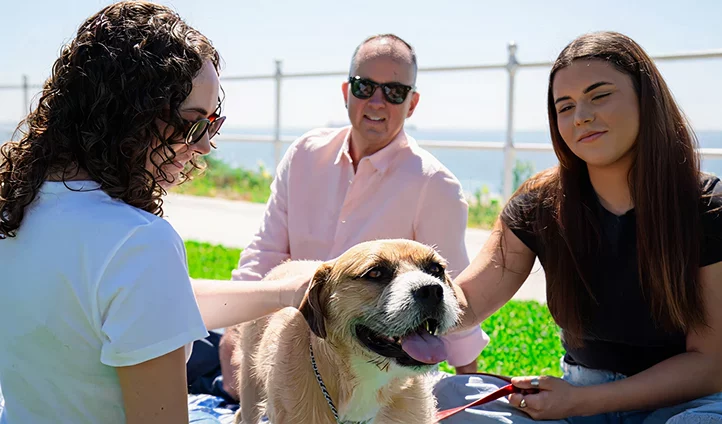








Animal Companions in Rehab: Treatment That Doesn’t Mean Goodbye
Looking for rehabilitation programs that welcome pets? Many individuals seeking treatment hesitate because parting with their furry friend feels unbearable. Countless people rely on their animals for routine, solace, and emotional stability. Anxiety about separation can postpone recovery efforts. Facilities offering pet-inclusive programming address this barrier by permitting qualified animals within their residential environment, enabling participants to concentrate on healing while keeping their beloved companion close.
How Emotional Comfort Strengthens Recovery Participation
Throughout early sobriety, individuals navigate emotional turbulence marked by apprehension, doubt, and resistance to change. Worries regarding your pet’s welfare can amplify these difficult feelings. Presence of a cherished animal companion can ease psychological tension and boost active involvement in therapeutic work. Greater emotional resilience typically translates into deeper commitment during individual sessions and peer-based activities, reinforcing sustainable recovery outcomes.
Evidence-Based Treatment with Professional Standards
Programs that accept animals maintain identical clinical rigor as conventional residential treatment centers. Structured daily routines incorporate personalized therapy appointments, collaborative group sessions, and prevention planning. Comprehensive policies protect facility sanitation and occupant wellbeing. Dual accountability—managing both personal wellness goals and animal care—cultivates responsibility and establishes beneficial everyday patterns.
Building Sustainable Recovery Through Integrated Care
Achieving permanent sobriety demands dedication, practical coping techniques, and an encouraging treatment environment. When rehab welcomes pets, it merges psychological comfort with clinical expertise. Throughout treatment, participants acquire stress-management abilities, cultivate constructive behavioral patterns, and establish prevention frameworks while maintaining their valued pet relationship. Following residential care, ongoing support services can deepen treatment gains. Through intentional balance of therapeutic structure and genuine compassion, animal-welcoming rehab facilities provide an accessible route to durable, meaningful recovery.