Substance-induced mood disorders are a type of mental health condition caused by the use of drugs, alcohol, or other substances. Mood disorders may also present during drug or alcohol withdrawal.
These disorders can trigger an array of mood-related symptoms, including depression, anxiety, irritability, and mania.
Substance-induced mood disorders can occur in people who use or abuse drugs, prescription medications, or alcohol. The symptoms of these disorders can vary widely depending on the substance involved, the individual’s genetics and other variables such as the amount and duration of substance use.
Some of the most common substances associated with substance-induced mood disorder are:
Alcohol
Stimulants (cocaine and meth)
Sedatives (benzos and barbiturates).
Opioids (heroin and prescription painkillers)
Hallucinogens (LSD and magic mushrooms)
Treatment for substance-induced mood disorders typically involves a combination of behavioral therapies, medication, and lifestyle changes.
This guide gives an overview of all types of mood disorders and the addictions that frequently co-occur with these conditions.
Get Personalized Addiction Care at The Gratitude Lodge
Our rehab centers support men and women struggling with substance use and co-occurring mental health disorders. Gratitude Lodge specializes in inpatient residential treatment and the initial detox phase of drug rehab, providing individualized, evidence-based care in serene, structured environments throughout Southern California to help individuals stabilize, begin healing, and build a strong foundation for lasting recovery.
people with SUD have a mood disorder that also needs treatment.
30-40%
people who have a depressive disorder and SUD.
58%
people with bipolar disorder had a lifetime SUD.
Alcohol-Induced Mood Disorder
Alcohol addiction is a serious problem across the United States and those dealing with alcoholism are more prone to struggle with alcohol-induced mood disorders. Some of the most common types of mood disorder and mental health problems associated with alcohol include:
Depression
Anxiety
Suicidal ideation
Social withdrawal
Along with mood disorders caused by alcoholism, another common form of substance-induced mood disorder is through opioids.
Opioid-Induced Mood Disorder
The Opioid Crisis has lead to widespread addiction problems throughout the country. While opioids are primarily used for pain management, they can have profound effects on an individual’s emotional well-being. Opioids interact with the brain’s reward system, affecting the release of neurotransmitters such as dopamine and serotonin, which play crucial roles in regulating mood and emotions.
similar to alcoholism, opioid addiction can cause opioid-induced mood disorder problems and can cause a number of mental health problems for people who abuse these drugs.
Symptoms of Susbtance-Induced Mood Disorder
The signs and symptoms of mood disorders vary widely depending on the type of substance-induced mood disorder and the age of the person.
Some common symptoms of depressed mood include:
Persistent sadness or anxiety
Problems in personal relationships
Reduced interest in everyday activities
Hopelessness
Helplessness
Worthlessness
Irritability
Hostility
Aggression
Low self-esteem
Excessive guilt
Insomnia
Changes to appetite and weight
Reduced energy levels
Sleeping too much
Trouble concentrating
Impaired decision making
Frequent physical health complaints
Suicidal ideation
If you are concerned about any mental health issues, you should consult your primary healthcare provider. They may provide a referral to a mental health professional so the issue can be diagnosed and addressed.
Common Disorders Co-Occurring With Substance Abuse
A mood disorder is a diagnosable mental health condition that chiefly impacts your emotional state. Mood disorders are associated with protracted periods of extreme sadness, extreme happiness, or both. Some mood disorders also involve other ongoing emotions like irritability and anger.
Some of the most common mood disorders include:
Generalized anxiety disorder
Major depressive disorder
Bipolar disorder
Panic disorder
While it is normal for mood to change according to the situation, symptoms of mood disorders typically present for several weeks or more.
Mood disorders can trigger behavioral changes, and may also impact your ability to meet personal and professional commitments.
Similar to generalized anxiety disorder (which is more common) social anxiety disorder, also known as social phobia, is an anxiety disorder that leads to fear or acute anxiety in social settings.
Those with social anxiety disorder normally have problems meeting new people, talking with people, or attending large social gatherings. They may feel wary of others scrutinizing or judging them.
Many people with social anxiety disorder realize that these fears are irrational, while at the same time feel unable to overcome them.
If compelled to interact with other people, those with social anxiety disorder may:
Tremble
Sweat
Blush
Heart rate may also increase, accompanied by a feeling of sickness to the stomach and a blankness of the mind.
It is common for those diagnosed with this mood disorder to avoid places where there are likely to be other people.
This disorder usually presents during late childhood, often resembling extreme shyness and involving the avoidance of social interactions and social situations. Social anxiety disorder occurs more often in women than in men, with this gender difference even more pronounced in young adults. Untreated, social anxiety disorder may last for many years.
Major Depressive Disorder – Depression
MDD (major depressive disorder) is the clinical descriptor for depression. This mood disorder can be especially disruptive to all areas of life.
Depression affects your mood and behavior, as well as physical processes like sleep and appetite.
Major depressive disorder is one of the most common mental health conditions in the U.S. Data from NIMH (National Institute on Mental Health) indicate that 8% of U.S. adults experienced at least one episode of major depression in 2020.
For a diagnosis of MDD, you must satisfy the criteria outlined in DSM-5-TR (the most current text of APA’s Diagnostic and Statistical Manual of Mental Disorders). According to the criteria:
Symptoms must persist for two weeks or more.
One symptom must be either reduced pleasure or interest, or depressed mood.
Previous functioning must be impaired.
Additionally, you must experience at least five of these symptoms during a period of two weeks or more:
Feeling irritable or sad most of the day, almost every day.
Reduced interest in activities you enjoyed.
Sudden changes to appetite or weight.
Difficulty falling asleep or sleeping more than normal.
Restlessness.
Decreased energy levels and feelings of tiredness.
Worthlessness or guilt.
Problems thinking, concentrating, or making decisions.
Thoughts of self-harm or suicide.
Bipolar Disorder
Bipolar disorder is a severe mood disorder associated with dramatic shifts in mood and energy, as well as reduced ability to think clearly.
Those with bipolar experience mania (high moods) and depression (low moods) that are more pronounced than the usual ups-and-downs of everyday life.
Research shows that bipolar typically presents at age 25, although it may occur in childhood or teenage years. Men and women are equally impacted by bipolar. Of the 3% of the U.S. population diagnosed with this mood disorder, over 80% of cases are diagnosed as severe.
If untreated, bipolar typically worsens. With an effective treatment plan that includes medications, psychotherapy, lifestyle changes, a regular routine and early diagnosis, outcomes can be favorable.
For a DSM diagnosis of bipolar, you must experience at least one episode of either mania or hypomania (a less intense form of mania). There are four types of bipolar that differ substantially in presentation:
Bipolar I: The most common type of bipolar, bipolar I is typically characterized by episodes of depression and mania. For a diagnosis of bipolar I, manic episodes must persist for a week or be severe enough to warrant hospitalization.
Bipolar II: Depressive episodes are mixed with hypomanic episodes, although mania does not present in bipolar II.
Cyclothymia: This chronically unstable mood state involves mild depression and hypomania that persist for two years or more.
Unspecified bipolar: Clinically significant periods of atypical mood elevation.
Panic Disorder
Panic disorder is characterized by frequent and recurring panic attacks over a period of one month.
Those with panic disorders are worried about having another attack, and may often change their behavior in an attempt to avoid triggering subsequent panic attacks.
Panic attacks present suddenly, involving intense cognitive and physical symptoms of anxiety. Attacks may be triggered by cues or may occur unexpectedly.
For a DSM diagnosis of panic disorder, you must experience more than one panic attack. The frequency of attacks may vary widely.
Panic disorders, like all mental health conditions, will typically get worse if untreated.
What Are The Treatment Options For Mood Disorders?
There are three treatment options for dual diagnosis disorder (also known as comorbidity). Sequential care treats mood disorders and SUD separately, while parallel and integrated care treat multiple disorders at the same time. Integrated treatment is known to have the most effective results, which is what we offer here at Gratitude Lodge.
Sequential
Some mood disorders require the SUD to be addressed before treating the substance-induced mood disorder. For example, someone who is depressed from drinking may need to detox first, receive medication, and then treat their major depression disorder separately.
Parallel
Unlike sequential treatment, parallel care treats mood disorders and substance simultaneously. Though a patient still receives therapy, doctors and therapists don’t collaborate and communicate as they do with integrated treatment.
Integrated
Integrated care is for those with two or more types of mental illness or substance abuse. Multiple disorders receive coordinated treatment, bundled interventions, and health care providers collaborate in rehab.
Get Help With A Mood Disorder
To get help with a co-occurring disorder or dual diagnosis, find out if your rehab center offers integrated, sequential, or parallel treatments. If you’re not sure if you have a mood disorder, you’ll want to ask the questions below to ensure you’ll receive the proper care.
Substance-Induced Mood Disorder Treatment At Gratitude Lodge
Here at Gratitude Lodge in Southern California, we have pet-friendly rehabs located in Newport Beach and Long Beach where you can receive treatment for substance-related mood disorders and drug addiction simultaneously. Moreover, we can help you find an inpatient mental health treatment center if you are looking for just mental health care.
All Gratitude Lodge treatment centers offer supervised medical detox programs, allowing you to withdraw from substances as comfortably as possible, and with robust emotional and clinical care available.
Whether you require the support and structure of inpatient rehab or the flexibility and affordability of intensive outpatient treatment, substance-induced mood disorder treatment at Gratitude Lodge involves:
Psychotherapy / Individual counseling
Group therapy
Evidenced Based motivational therapies
Contingency management
Family therapy
When you are ready to get help for a substance-induced mood disorder, call admissions at 844-576-0144.
Drugs & Abuse Disorders We Treat
Barbiturates
Benzodiazepine
Cocaine
Fentanyl
Heroin
MDMA
Opioid
Oxycontin
Percocet
Vicodin
PCP
Prescription Painkiller
SUBSTANCE ABUSE MOOD DISORDERS FAQS
What is a mood disorder?
A mood disorder is a mental health disorder that primarily impacts your emotional state. Those with mood disorders typically experience lengthy periods of intense emotional highs and lows. Mood disorders include:
Major depressive disorder
Bipolar I disorder
Bipolar II disorder
Cyclothymic disorder
Substance-induced depressive disorder
Substance-induced bipolar disorder
Disruptive mood dysregulation disorder
Persistent depressive disorder
Premenstrual dysphoric disorder
What is a mood disorder due to substance abuse?
A mood disorder due to substance abuse is a mental health condition that occurs when the abuse of drugs or alcohol leads to significant changes in mood or emotional state. Substance abuse can alter brain chemistry and disrupt normal neurotransmitter function, resulting in changes in mood, such as depression, anxiety, irritability, and psychosis. Substance-induced mood disorders can be caused by the use or abuse of a wide range of substances, including alcohol, cocaine, meth, opioids, and hallucinogens. The symptoms of these disorders may vary depending on the specific substance involved and the individual’s personal history of use. Substance-induced mood disorders can co-occur with other mental health conditions, including substance use disorders themselves. Effective treatment typically involves simultaneously addressing both the substance abuse and the underlying mood disorder, often through a combination of medication, therapy, and support services.
What do mood disorders and substance abuse have in common?
Mood disorders and substance abuse have several things in common:
Co-occurrence: Those with mood disorders like depression or bipolar disorder are more likely to experience substance abuse and addiction than the general population. Similarly, people who abuse drugs or alcohol are more likely to develop mood disorders.
Shared risk factors: Both mood disorders and substance abuse can be influenced by similar risk factors, such as genetics, trauma, chronic stress, and environmental factors. For example, a person with a family history of mood disorders may be at a higher risk for developing both a mood disorder and substance abuse.
Chemical imbalances: Both mood disorders and substance abuse can affect the balance of chemicals in the brain, including dopamine, serotonin, and norepinephrine. Substance abuse can lead to imbalances in these chemicals, and the resulting changes can cause or exacerbate mood disorders.
Self-medication: Some individuals with mood disorders may turn to drugs or alcohol as a way to self-medicate and alleviate symptoms such as anxiety or depression. However, substance abuse can actually worsen these symptoms and lead to a vicious cycle of substance use and worsening mood.
What are the 5 types of mood disorders?
5 main types of mood disorders are:
Major depressive disorder
Bipolar disorder
Persistent depressive disorder
Premenstrual dysphoric disorder
Disruptive mood dysregulation disorder
Related Blogs
Check out our addiction recovery blog to learn more about substance use disorders and how to get effective treatment.
Hydromorphone Addiction: Signs, Symptoms, & Treatment Drug Rehab
Hydromorphone, marketed under the brand names Dilaudid and Exalgo, is a potent semi-synthetic opioid pain reliever utilized in hospital settings and as a comp...
Hydromorphone Addiction: Signs, Symptoms, & Treatment Drug Rehab
Hydromorphone, marketed under the brand names Dilaudid and Exalgo, is a potent semi-synthetic opioid pain reliever utilized in hospital settings and as a comp...
Hydromorphone Addiction: Signs, Symptoms, & Treatment Drug Rehab
Hydromorphone, marketed under the brand names Dilaudid and Exalgo, is a potent semi-synthetic opioid pain reliever utilized in hospital settings and as a comp...
Amazing place for recovery. Going through addiction is hard, asking for help is harder, and being in a place like this made the difference in my recovery. I didn’t feel like a number, I didn’t feel alone, but I did feel like I mattered.
Makenzi Lanahan
3 weeks ago
Gratitude lodge was so supportive and helpful while being in treatment. The staff is beyond helpful and always there for you in hard times . Tiffany and Tony work very closely with you , showing you the amazing side of sobriety. I appreciate this program and every little thing they have done to make my recovery a success story.
Alex Kocher
7 July 2024
I had an amazing experience at Gratitude Lodge! Every staff really cared about their job and their patients. The facility was nice and comfortable. The programing was helpful and informative.
Albert Harrison Jr
5 months ago
This place helped me immensely. They set me up for success. Top notch clinical team and staff that really care about their clients this is not just your typical detox facility. If you truly want freedom from drugs and alcohol I would highly recommend this place. You gotta want it though!! This is where miracles happen and I’m living proof, it wasn’t easy but I took suggestion and most importantly I put in the work!!
ulysses nava
5 months ago
Amazing place for recovery. Going through addiction is hard, asking for help is harder, and being in a place like this made the difference in my recovery. I didn’t feel like a number, I didn’t feel alone, but I did feel like I mattered.
What Our Clients Say
5 Star Google Reviews
Where You’ll Be Staying
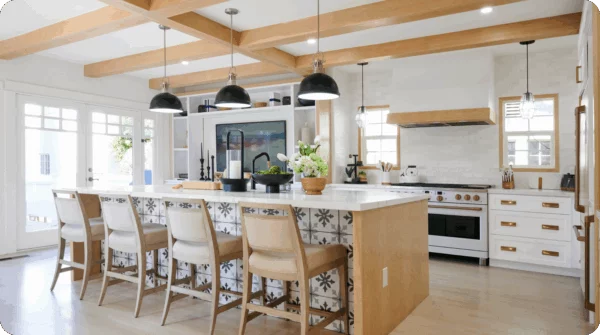
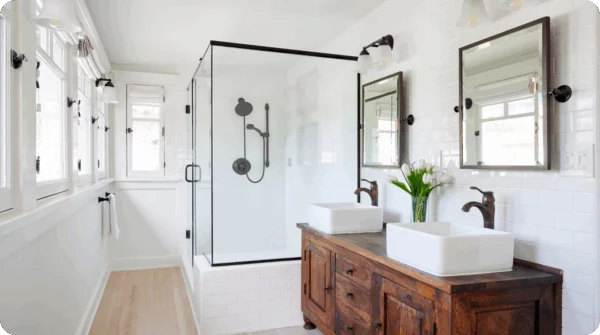
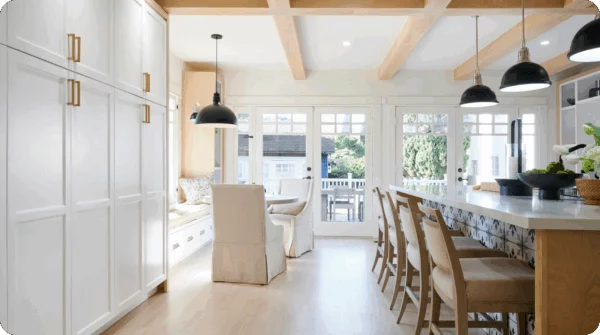
We strive to provide a comfortable, home-like environment during your recovery journey. Browse our facility images below to take a look at our upscale residential facilities.
Joseph Gilmore has been working in the addiction industry for half a decade and has been writing about addiction and substance abuse treatment during that time. He has experience working for facilities all across the country. Connect with Joe on LinkedIn.
Jenni Busse MS, LPCC
Jenni Busse MS, LPSS is the Clinical Director at Gratitude Lodge. Jenni oversees the clinical program and the clinical team at Gratitude Lodge as a whole. Jenni has worked in treatment for almost 14 years. Her background as a licensed therapist and her passion for helping others intersected with addiction recovery when she started working primarily in detox residential treatment.


 About Us
 Meet Our Team
 Our Facilities
 Videos
 Newsroom
 Scholarship
 FAQ
FAQ Blog
Blog


 Newport Beach
 Long Beach


 Meth Rehab
 Outpatient Rehab
 IOP Rehab
 Virtual IOP
 PHP Rehab
 LGBTQ Friendly Rehab
 Device Friendly Rehab
 Pet Friendly Rehab
 Couples Drug Rehab
 Reiki Therapy
 Holistic Addiction Therapy
 Addiction Therapy
 Group Addiction Therapy
 EMDR Therapy
 CBT Therapy

 Mood Disorder Treatment
 Panic Disorders/Drinking Problems Treatment
 Addictive Personality Disorder Treatment
 Hyperfixation Treatments
 Hyper Independence Treatment
 Check My Insurance
 Rehab Insurance Coverage
 Financing Options
 Cigna
Cigna