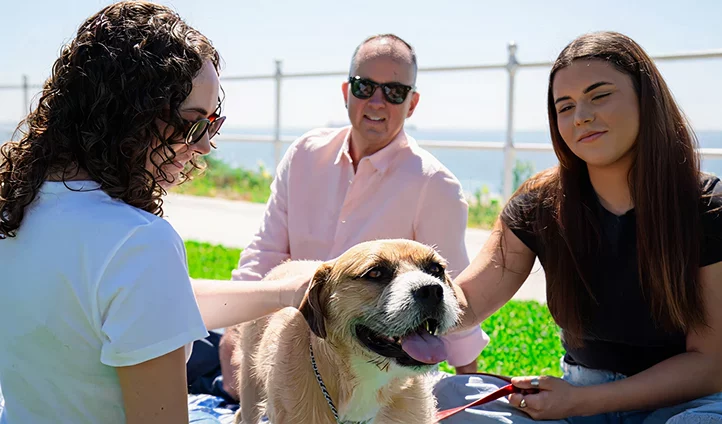























Addiction Treatment That Welcomes Your Pet: Recovery Without Sacrifice
Worried about your pet while in rehab? Pet-inclusive treatment programs allow qualified animals to stay with clients throughout residential care. Many people rely on pets for emotional support, routine, and companionship. Separation anxiety often delays treatment. Pet-accommodating rehab lets you pursue healing while keeping your companion nearby, removing a major barrier to recovery.
Minimizing Anxiety in Early Treatment
Starting recovery brings emotional intensity. Uncertainty, internal upheaval, and apprehension are typical in early weeks. Anxiety about your pet’s care can interfere with recovery work. Having your approved animal present reduces stress and deepens involvement in therapy. This emotional connection helps clients engage more meaningfully in individual sessions and group work.
Clinical Standards Maintained with Pet Policies
Pet-accommodating addiction treatment upholds the same professional rigor as conventional rehab. Clients follow structured daily routines with individual sessions, group work, and relapse-prevention education. Facility protocols establish clear expectations for animal welfare, sanitation, and shared responsibility. Balancing recovery work with pet care cultivates accountability and reinforces healthier patterns.
Building Resilience for Lasting Recovery
Durable sobriety requires developing new coping mechanisms and positive behaviors. Pet-inclusive programs blend emotional reassurance with rigorous clinical support without compromising treatment intensity. You’ll acquire practical skills for managing triggers, processing emotions, and maintaining sobriety. Following residential treatment, ongoing therapy or transitional support sustains progress. Integrating evidence-based addiction care with compassionate pet policies creates an environment where recovery becomes achievable with renewed determination.