














Managing Fentanyl Addiction With Professional Care
Among today’s most critical public health challenges stands fentanyl dependency. This powerful synthetic opioid has emerged as a leading factor in the rising tide of fatal overdoses across the nation due to its exceptional potency and highly addictive properties.
Recovery pathways tailored specifically for persons struggling with fentanyl addiction empower individuals to regain autonomy and break free from substance misuse patterns. Gaining knowledge about fentanyl’s health risks, understanding its effects on the body and mind, and investigating available treatment modalities represent crucial first moves toward restoration for yourself or a loved one.
Fentanyl Misuse Statistics and Fatal Outcomes
Escalating abuse patterns have fueled alarming increases in opioid-related fatalities throughout the country. Data released by the CDC in 2021 revealed that synthetic opioids including fentanyl accounted for approximately 73% of opioid overdose deaths [1]. Remarkably potent compared to morphine by a factor of 50-100 times, this substance makes accidental lethal exposures far more probable.
Throughout California, fentanyl-related fatalities have surged dramatically, now surpassing deaths from heroin and prescription pain relievers combined. Combining illicit fentanyl with stimulants like cocaine or methamphetamine substantially heightens the likelihood of fatal poisoning.
What You Should Know About Fentanyl
Healthcare providers dispense fentanyl for managing severe pain associated with surgical recovery or chronic conditions such as cancer [2]. Operating by binding to opioid receptors within the brain, it blocks pain transmission while simultaneously producing euphoria. Pharmaceutical forms include transdermal patches, sublingual tablets, and injectable solutions.
Illegally produced fentanyl circulates as a fine powder or becomes mixed into counterfeit drugs, eliminating any possibility of safe dosing and creating extreme risk. Unknowingly consuming lethal quantities becomes likely, particularly when this substance gets combined with heroin, stimulants, or fake prescription pills.
Why Fentanyl Presents Extraordinary Danger
Microscopic fentanyl quantities pose life-threatening hazards [3]. Merely 2 milligrams may cause death. Since street drug supplies routinely contain hidden fentanyl without user awareness, accidental exposure becomes substantially more hazardous. Acting swiftly throughout the body, it generates intense euphoria while suppressing breathing function, potentially resulting in respiratory arrest.
Identifying Signs of a Fentanyl Overdose
Recognizing overdose warning signs quickly can save a person’s life. Notable symptoms to watch for include:
-
Minimal or absent respiratory effort
-
Bluish tinting of lips or fingernail beds
-
Severely pinpointed pupils
-
Loss of consciousness or non-responsiveness
-
Pallid, moist complexion
-
Severe confusion or deep unconsciousness
Quick injection of naloxone (Narcan) can counteract overdose symptoms when administered immediately, though fentanyl’s intensity may necessitate additional applications [4].
Signs of Fentanyl Reliance
Addiction develops rapidly with continued use. Frequent warning indicators include:
-
Compulsive craving and drug-seeking behaviors
-
Tolerance requiring escalating dosages for the same impact
-
Withdrawal manifestations upon stopping use such as vomiting, panic, and insomnia
-
Failed efforts to cut back consumption despite desire to stop
-
High-risk actions or disregard for work and family duties
Engaging professional specialists at a fentanyl-focused recovery center becomes essential [5].
Benefits of Specialized Fentanyl Treatment Centers
Treatment facilities provide a secure therapeutic environment where persons experience medically-supervised detoxification, therapeutic support, and relapse-prevention education. Standard program components feature:
-
Medical supervision during withdrawal management
-
Research-backed modalities such as behavioral therapy, peer support groups, and pharmaceutical interventions
-
Peer-led and community recovery networks
-
Long-term monitoring and relapse avoidance tactics
Finding Quality Fentanyl Programs in California
Reputable treatment centers exhibit:
-
Official licensing and regulatory compliance
-
Board-certified staff and licensed treatment specialists
-
Individualized, holistic recovery pathways
-
Aftercare services and alumni networks
Fentanyl Treatment Solutions at Gratitude Lodge
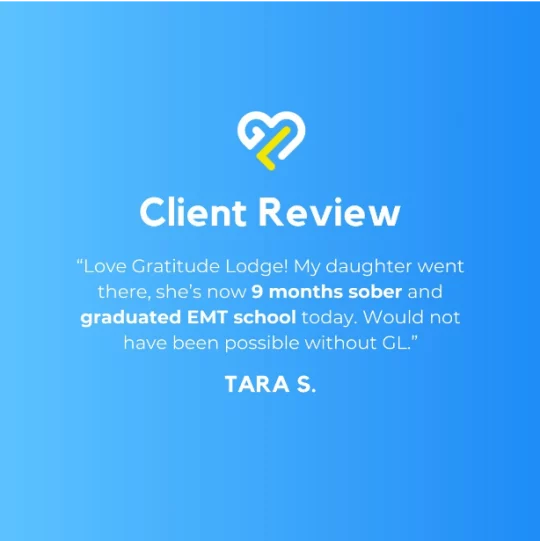
With our residential programming model, Gratitude Lodge offers comprehensive addiction treatment addressing fentanyl dependency in Orange County emphasizing restoration, personal worth, and lasting healing. Tailored care plans address the physiological, psychological, and spiritual aspects of fentanyl substance use disorder. Integrating medical interventions, professional therapeutic services, and community support networks, participants build the strength necessary for long-term stability and self-restoration.
Overcoming fentanyl dependency requires dedication, yet with skilled professional support and science-based recovery methods, meaningful and sustained recovery is achievable.
Start your fentanyl recovery journey with Gratitude Lodge now. Call us at 844-576-0144.
Sources