About Us
 Meet Our Team
 Our Facilities
 Videos
 Newsroom
 FAQ
FAQ Blog
Blog
 Newport Beach

 Long Beach


 Meth Rehab
 Outpatient Rehab
 IOP Rehab
 Virtual IOP
 PHP Rehab
 LGBTQ Friendly Rehab
 Device Friendly Rehab
 Pet Friendly Rehab
 Couples Drug Rehab
 Reiki Therapy
 Holistic Addiction Therapy
 Addiction Therapy
 Group Addiction Therapy
 EMDR Therapy
 CBT Therapy
 Mood Disorder Treatment
 Panic Disorders/Drinking Problems Treatment
 Addictive Personality Disorder Treatment
 Hyperfixation Treatments
 Hyper Independence Treatment
 Check My Insurance
 Rehab Insurance Coverage
 Financing Options
 Cigna
Cigna



















ust steps from the beach, this scenic park features picnic areas, sports courts, and ocean views—perfect for peaceful reflection or spending quality time with others. 100 Main St, Newport Beach, CA 92661
Read More…
Exploring Everyday Routines in Recovery-Focused Residential Settings
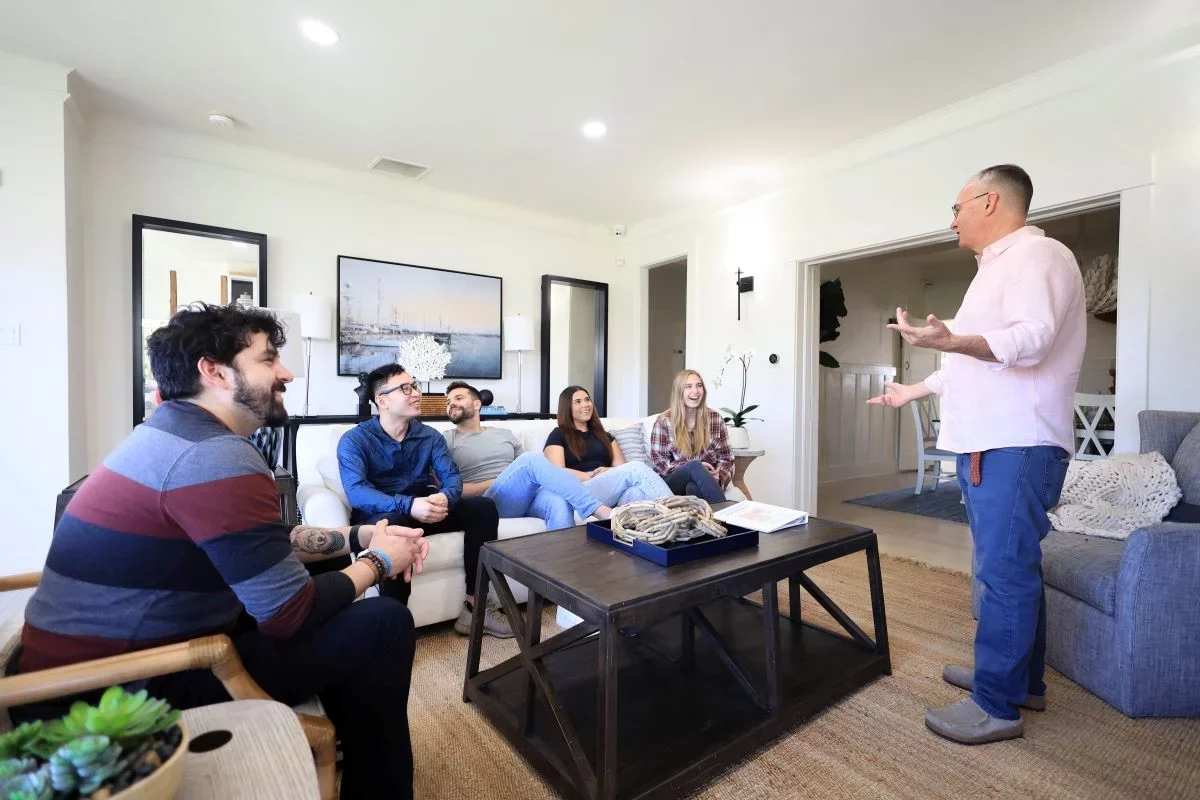
Residents in recovery communities experience daily rhythms that blend therapeutic elements with opportunities for maintaining work or academic commitments while preserving personal financial control. Support networks and group sessions form essential foundations, yet individuals retain the liberty to come and go as they choose. Established boundaries, strict substance-free policies, and clear community standards foster environments where people can thrive within supportive, healing-oriented spaces.
Bridging the gap between intensive treatment and full autonomy, these transitional residences fulfill their role as intermediate recovery settings. Rather than merely sharing living space with others in recovery, these homes provide less restrictive supervision than treatment facilities while offering more guidance than returning to unsupervised domestic situations. Vital personal capabilities emerge through structured programming, equipping residents for self-sufficient living through competencies such as:
- JOB SEARCH STRATEGIES
- INDEPENDENT HOUSING PLANNING
- HOUSEHOLD SOBRIETY PRACTICES
- SOCIAL SKILL DEVELOPMENT
- REBUILDING PERSONAL BONDS
- NEIGHBORHOOD ENGAGEMENT
- COPING MECHANISM MASTERY
- ACADEMIC PROGRESS
Contrasting Recovery Residences and Transitional Housing
Addiction-focused living arrangements include both recovery communities and transitional facilities, each addressing the needs of individuals overcoming substance use challenges. Common features exist across these housing approaches, yet important differences merit thorough evaluation when selecting suitable support systems.
Recovery-oriented environments designed for post-treatment transitions define sober living residences, mainly accommodating those who have completed formal recovery programs while pursuing independent living and lasting sobriety. Enhanced personal freedom sets these communities apart from transitional facilities, providing residents with expanded independence concerning evening schedules, visitor guidelines, and device usage. Substance abstinence, group engagement, household participation, and personal budget management form fundamental requirements for community participants.
Legal system referrals frequently direct individuals to transitional facilities, which typically implement stricter supervision and regimented procedures. Former residential treatment clients needing additional oversight and guidance during social reintegration commonly inhabit these programs. Required evening check-ins and routine drug screening demonstrate the more restrictive regulations affecting transitional facility residents.
Therapeutic service intensity establishes another key distinction between these living arrangements. Access to counseling and support networks characterizes both settings, though transitional facilities may provide more comprehensive therapeutic programming and healthcare services targeting particular mental health needs.
Safe, nurturing spaces for establishing recovery foundations describe both sober living residences and transitional facilities, empowering individuals to develop healthy, meaningful substance-free lives. Personal situations, individual requirements, and essential support intensity guide optimal living environment choices for sustaining long-term recovery achievements.
- Job Search Strategies
- Independent Housing Planning
- Household Sobriety Practices
- Social Skill Development
- Rebuilding Personal Bonds
- Neighborhood Engagement
- Coping Mechanism Mastery
- Academic Progress
Benefits of Selecting Recovery-Focused Communities
Positive Social Environment
Social connection reassessment frequently occurs among people recovering from substance dependencies, often discovering that numerous relationships revolved around drug or alcohol consumption. Ongoing recovery within sober living settings connects you with companions committed to sobriety and substance-free living approaches. Mutual support, responsibility frameworks, and uplifting environments deliver essential guidance when managing recovery’s complex transitional stages within these residential settings.
Complete Support Network
Initial recovery stages create obstacles for many people transitioning directly from structured rehabilitation into independent living arrangements. Community coordinators manage daily functions within sober living environments, while neighboring residents provide guidance as you advance toward independent substance-free living.
Professional Staff
Carefully screened and credentialed team members support sober living environments, guaranteeing reliable support network confidence for residents. Expert connections to licensed, qualified professionals relevant to personal recovery paths may also be established through community staff relationships.
Lower Relapse Risk
Difficult transitional recovery periods navigated within sober living settings may reduce relapse possibilities that could undermine progress before establishing stability. Addiction represents a chronic, recurring brain condition, with recorded relapse statistics spanning from 40% to 60%, similar to other chronic health disorders. Improved long-term sobriety outcomes become possible through Gratitude Lodge’s California sober living initiatives.

Timeframe Recommendations for Recovery Residence Stays
Standard sober living residencies span approximately 90 days, though longer arrangements support personal requirements. Following rehabilitation difficulties maintaining sobriety within personal residential settings, or unsupportive family perspectives toward recovery activities, make sober living or transitional facilities ideal options for preserving dedication to recovery objectives. Expert supervision within these settings assists with navigating major lifestyle adjustments while establishing suitable residency periods.
Committed recovery engagement, community guideline compliance, and financial responsibility fulfillment typically allow prolonged sober living community residence when necessary. Individual addiction recovery journeys differ considerably among people, encouraging leading communities to embrace adaptable methods accommodating varied requirements.

Financial Coverage for Recovery Living Programs
Personal rent contributions and domestic task obligations usually define sober living residence expectations. Coverage exceptions remain uncommon since governmental classifications don’t acknowledge these programs as medical treatment centers. Medical service absence separates sober living residences from rehabilitation programs, though this seeming limitation actually encourages continued responsible money management through rental payment duties.
Outpatient recovery programs attended while residing in sober living may receive insurance benefits. Coverage restrictions concerning provider choices or expense-sharing arrangements may exist based on personal insurance policies. Deductible costs and co-payment responsibilities establish final expenses, with most treatment centers providing insurance qualification evaluations for outpatient care.

California’s Recovery Housing Environment
Rising demand defines California sober living alternatives for people recovering from addiction difficulties. Nurturing, organized spaces enable independent living transitions while actively preserving sobriety dedication within these specialized California settings.
Extensive services and resources offered through California sober living environments include:
- Personal and group therapy service availability
- 12-step program and recovery support network links
- Learning service delivery
- Career skill enhancement
- Job placement support
Specialized programming for dual diagnosis conditions or individual requirements may also be provided through selected California sober living environments.
Valuable peer connections among fellow recovery participants, plus availability of meaningful sober activities and wellness resources supporting personal growth, constitute additional advantages these California residences offer for people recovering from substance dependencies.
Outdoor environment access defines most California sober living community sites, encouraging flourishing rather than simply surviving approaches to California sobriety embrace.
Note: California sober living language describes particular residential settings common throughout California that have achieved international recognition. Regulated, responsible cannabis use within legal states while abstaining from other substances characterizes the California sober living approach for addiction recovery individuals. Cannabis addiction issues require evidence-based treatment consultation with Gratitude Lodge in Southern California.
COMMON QUESTIONS REGARDING CALIFORNIA SOBER LIVING
California sober living inquiry interests can be answered through frequently posed questions at Gratitude Lodge in Southern California.
What constitutes sober living definition?
Substance-free and alcohol-free lifestyle decisions typically define sober living language, especially applied to people recovering from substance dependencies. Deliberate abstinence choices from drugs and alcohol usually characterize sober living, often including active recovery efforts through therapy participation, support networks, or alternative healing methods. Sober living residence contexts specifically reference living environments created supporting recovery through substance-free spaces featuring organized, supportive communities. Community rules and expectations promote sober behaviors while preventing relapse, requiring residents to sustain sobriety during their stay. Critical transitional recovery phases often include sober living for people finishing inpatient programs while transitioning back to regular living circumstances.
What changes result from sober lifestyle adoption?
Multiple beneficial effects across physical, emotional, and social wellness areas emerge from sober lifestyle decisions. Examples of sober living results include:
- Improved physical health: Substance elimination enables bodily healing from harmful effects caused by drug and alcohol misuse. Better sleep patterns, heightened energy levels, and generally enhanced physical wellness may occur.
- Better mental health: Adverse mental health consequences from substance misuse include depression, anxiety, and other psychological conditions. Sober living may generate improved mental wellness, enhanced emotional balance, and greater overall well-being.
- Strengthened relationships: Family and friend connections often experience stress from addiction. Sober living facilitates relationship repair while creating new, healthy bonds not founded on substance misuse.
- Increased productivity: Work performance and efficiency disruption commonly occurs from substance misuse. Sober living may boost motivation, concentration, and efficiency, resulting in workplace performance gains.
- Economic stability: Costly addiction expenses generate financial hardships for many people struggling with substance misuse. Enhanced financial stability and security frequently emerge from sober living decisions.
What does personal sober living experience feel like?
Personal sober living experiences differ greatly, depending on substance misuse history, sobriety length, and particular challenges maintaining recovery. Common experiences shared by recovery individuals include:
- Cognitive clarity: Enhanced mental clarity constitutes the most commonly reported sobriety advantage. Substance-free mental conditions enable clearer reasoning and improved goal and priority concentration.
- Emotional improvement: More joyful, optimistic feelings after achieving and sustaining substance sobriety are frequently reported. Substance misuse-related mood fluctuations and emotional difficulties can be managed through sober living, encouraging positive emotional conditions.
- Physical energy increases: Physical exhaustion from drug and alcohol misuse creates fatigue and sluggishness. Sobriety often generates increased vitality and improved physical wellness sensations.
- Self-assurance growth: Significant achievements like attaining sobriety generate pride and confidence that positively influences daily life experiences.
What elements define sober living house concepts?
Living facilities where drug or alcohol addiction recovery individuals reside within secure, supportive settings alongside peers dedicated to sobriety define sober living houses, also termed sober living environments. Transitional phases for inpatient treatment program graduates not prepared for regular living often employ sober living houses. Organized, substance-free settings with established rules and expectations help residents sustain sobriety while building recovery-supporting life abilities. Community managers typically supervise daily activities and implement community regulations. Active recovery involvement requirements usually include outpatient therapy attendance or peer support network participation. Domestic chore and duty sharing constitutes standard expectations. Medical treatment provision absence distinguishes sober living residences from rehabilitation programs, as these environments complement rather than replace professional treatment.