About Us
 Meet Our Team
 Our Facilities
 Videos
 Newsroom
 FAQ
FAQ Blog
Blog
 Newport Beach

 Long Beach


 Meth Rehab
 Outpatient Rehab
 IOP Rehab
 Virtual IOP
 PHP Rehab
 LGBTQ Friendly Rehab
 Device Friendly Rehab
 Pet Friendly Rehab
 Couples Drug Rehab
 Reiki Therapy
 Holistic Addiction Therapy
 Addiction Therapy
 Group Addiction Therapy
 EMDR Therapy
 CBT Therapy
 Mood Disorder Treatment
 Panic Disorders/Drinking Problems Treatment
 Addictive Personality Disorder Treatment
 Hyperfixation Treatments
 Hyper Independence Treatment
 Check My Insurance
 Rehab Insurance Coverage
 Financing Options
 Cigna
Cigna




















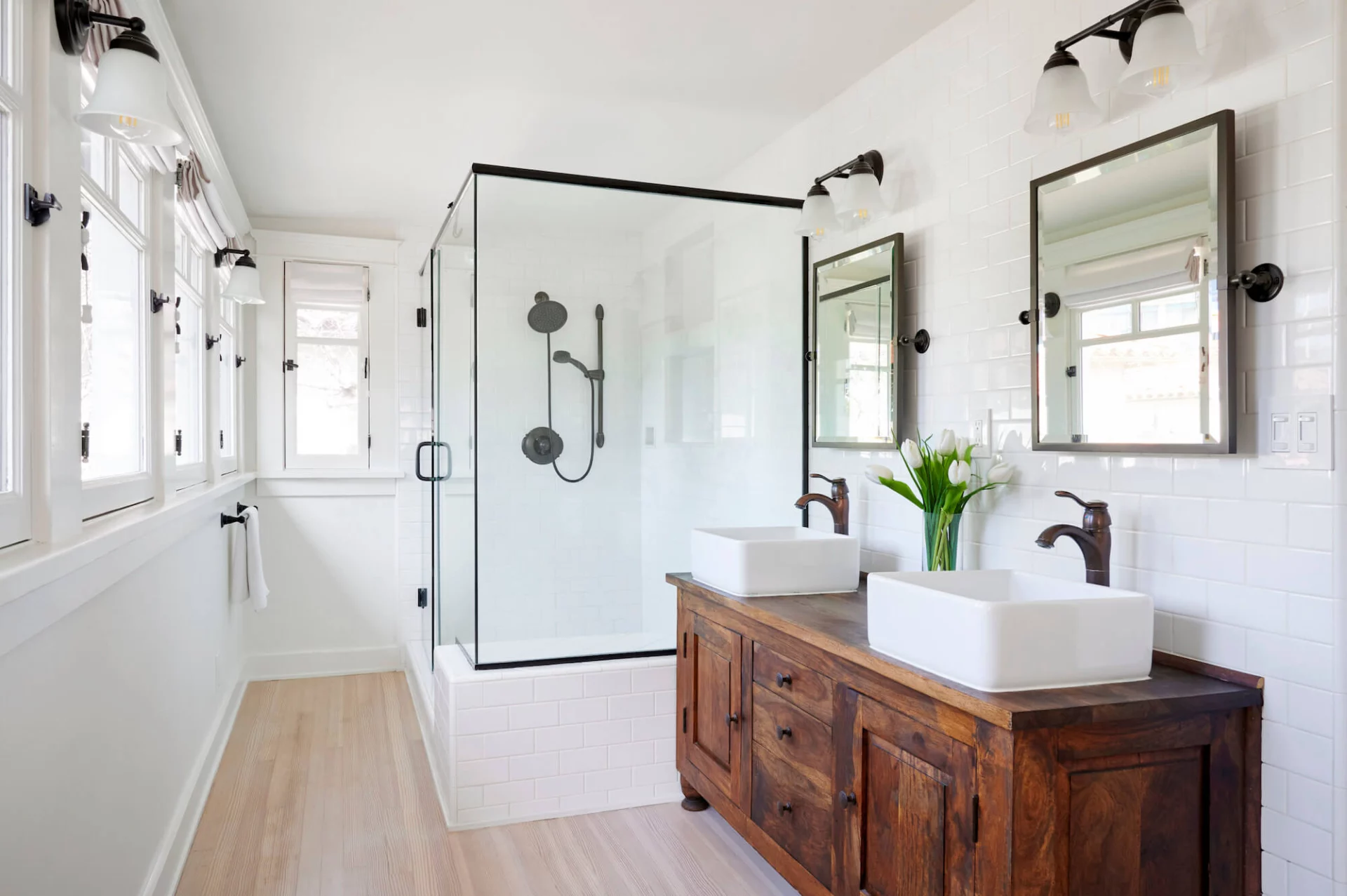



ust steps from the beach, this scenic park features picnic areas, sports courts, and ocean views—perfect for peaceful reflection or spending quality time with others. 100 Main St, Newport Beach, CA 92661
Pet-Inclusive Treatment Options: Recovery Journeys with Four-Legged Family Members
Individuals considering addiction treatment often express deep concern about separating from their treasured animal companions during residential stays. Treasured pets frequently function as anchors for daily structure, emotional comfort, and mental wellness among those requiring recovery support. Worries surrounding pet abandonment commonly establish roadblocks that discourage people from accessing essential treatment services. Treatment centers accepting qualified animals during intensive residential programming remove such barriers, allowing participants to focus entirely on rehabilitation without added stress from companion separation.
Strengthened Program Engagement via Emotional Companionship
Early recovery stages commonly present intense emotional upheaval, including anxiety episodes, mood fluctuations, and treatment resistance. Anxiety about an animal’s care during treatment absence often magnifies these difficult emotional experiences considerably. Having a trusted companion present throughout rehabilitation helps reduce stress responses and promotes active involvement in healing activities. Better emotional balance often leads to more meaningful participation during one-on-one counseling and group therapeutic sessions, thereby supporting lasting recovery achievements.
Clinical Excellence Within Pet-Welcoming Environments
Animal-friendly rehabilitation centers maintain the same evidence-based treatment protocols utilized in traditional recovery facilities. Organized daily schedules include individual therapeutic sessions, group support meetings, and thorough relapse prevention training for every client. Clear guidelines ensure safety measures and cleanliness standards stay intact during the entire treatment experience. Balancing personal recovery work with pet responsibilities naturally develops accountability while creating positive daily structures.
Creating Long-Term Recovery Success
Lasting sobriety achievement requires building consistency, practical coping skills, and supportive environmental networks. Pet-welcoming rehabilitation combines emotional reassurance with intensive professional therapeutic care. Clients learn anxiety management strategies, develop improved lifestyle habits, and practice relapse prevention methods while preserving connections with beloved animal friends. Continued outpatient support and transitional services can strengthen treatment progress considerably. By integrating comprehensive care with empathetic approaches, pet-inclusive recovery programs offer effective routes toward sustained sobriety and overall wellness.