ust steps from the beach, this scenic park features picnic areas, sports courts, and ocean viewsโperfect for peaceful reflection or spending quality time with others. 100 Main St, Newport Beach, CA 92661
Read More…
Daily Routines Within Sober Living Communities Explained
Living within these specialized facilities mirrors rehabilitation programs, yet participants continue working or attending school while managing their own finances. Support meetings and peer networks form essential elements, though people possess freedom to come and go as needed. Established guidelines encompass evening curfews, strict substance prohibition, and various rules that create a positive, development-focused environment.
Intermediate housing functions as a bridge since individuals have reached the midpoint of their healing journey. Rather than simply sharing space with others in recovery, these residences provide less rigid structure and greater self-determination than treatment centers, while offering more direction than returning to an unmonitored home setting. Critical life skills get cultivated in sober living environments before people move toward full independence, such as:
- SECURING EMPLOYMENT OPPORTUNITIES
- LOCATING POST-TREATMENT HOUSING
- MAINTAINING SOBRIETY AT HOME
- DEVELOPING INTERPERSONAL ABILITIES
- REBUILDING FAMILY CONNECTIONS
- ESTABLISHING SUPPORT NETWORKS
- HANDLING RELAPSE TRIGGERS
- ADVANCING EDUCATIONAL GOALS
Contrasting Sober Living With Halfway Houses
Intermediate residences and halfway facilities constitute separate residential assistance systems for people overcoming substance dependencies. Common features appear between these community models, although important differences deserve attention.
Intermediate living centers generally accommodate people who have successfully finished formal addiction treatment and are moving toward self-sufficient living while preserving their recovery. Enhanced flexibility defines sober living settings versus halfway facilities, providing residents more independence concerning curfews, visitor rules, and device usage. Recovery maintenance, group involvement, household contributions, and financial management constitute primary expectations for occupants.
Judicial mandates for treatment programs frequently necessitate halfway facility placement, which includes more stringent structural components. People finishing residential care who require additional oversight during community reentry commonly use halfway facilities. More demanding rules, such as required curfews and substance screening, usually control halfway facility residents.
Service provision levels separate sober living residences from halfway facilities considerably. Therapy availability and support meeting access define both residence types, although halfway facilities might offer intensive counseling and medical care targeting particular mental health needs.
Eventually, both intermediate living centers and halfway facilities establish supportive, protected settings where recovery individuals build foundations for healthy, meaningful sober existences. Personal requirements, situations, and necessary support determine the most suitable residential setting for sustaining recovery.
- Securing Employment Opportunities
- Locating Post-Treatment Housing
- Maintaining Sobriety At Home
- Developing Interpersonal Abilities
- Rebuilding Family Connections
- Establishing Support Networks
- Handling Relapse Triggers
- Advancing Educational Goals
Benefits Of Intermediate Sober Living
Supportive Environment
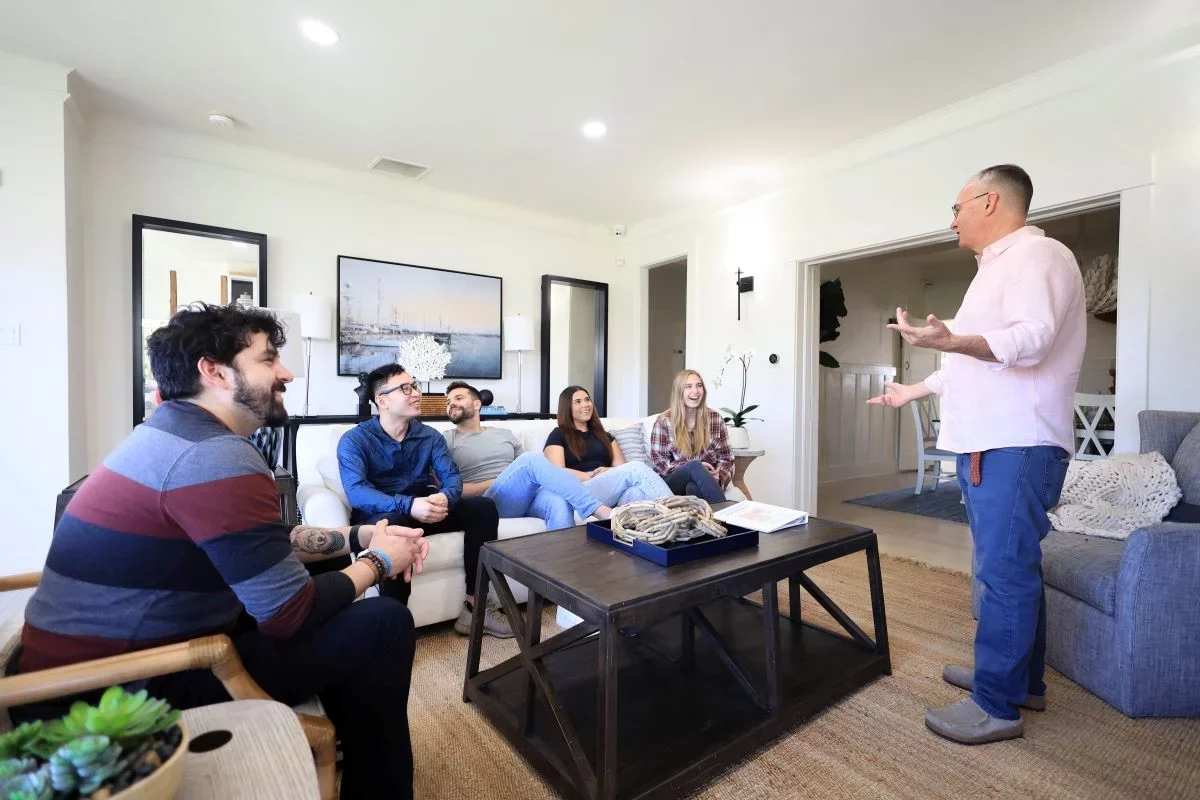
Healing from substance dependencies frequently leads people to examine their closest bonds and friendships, often discovering that many relationships revolved around substance use. Maintaining recovery within a sober living setting surrounds you with dedicated peers embracing substance-free living. Discover the motivation, accountability, and hope of fellow occupants while managing this essential transitional recovery stage at a sober living center.
Complete Support
Early recovery people often face difficulties when moving directly from organized residential treatment to independent living. Inside a sober living community, facility managers supervise daily activities while fellow occupants offer help as you advance toward independent sober living at home.
Experienced Staff
Community staff at sober living facilities complete extensive screening and certification procedures, guaranteeing strong support system reliability. Staff members might also help establish connections with other licensed, certified professionals important to your recovery path.
Lowered Relapse Risk
Deciding to manage this difficult transitional recovery stage within a sober living setting might decrease relapse probability before recovery establishes stability. Addiction constitutes a chronic, relapsing brain disorder with relapse rates between 40% and 60% similar to other chronic medical conditions. Improve your long-term sobriety chances by contacting Gratitude Lodge for California sober living.

Length Of Sober Living Stay
Average sober living facility stays span 90 days, although longer arrangements remain possible. When maintaining sobriety becomes difficult within your home setting after treatment, or family perspectives toward recovery stay negative, intermediate or halfway housing offers excellent options for remaining dedicated to recovery. Expert guidance within sober living settings helps manage major life transitions. These experts also help establish appropriate residence length.
Ongoing recovery commitment, community rule compliance, and financial responsibility fulfillment generally permit unlimited residence within sober living communities when necessary. Healing from substance dependencies constitutes a unique personal experience, and quality sober living communities support this through adaptable methods.
Insurance Benefits For Sober Living Centers
Monthly payments and chore fulfillment generally constitute resident duties within most sober living facilities. Insurance benefits typically exclude sober living facilities since governmental classification doesn’t acknowledge them as treatment centers. Care services aren’t delivered by sober living facilities as treatment programs do. While appearing unfavorable, monthly payments help residents practice responsible financial habits.
Outpatient treatment attended while living in sober housing might qualify for insurance benefits. Insurance plans might limit provider choices or demand cost sharing. Costs depend on insurance plan deductibles and co-payment obligations. Care facilities generally help establish insurance qualification for outpatient treatment.
California Intermediate Living
Intermediate living within California has become popular among people recovering from addiction. California sober living settings generally offer supportive, organized spaces for recovery people moving toward independent living while actively preserving sobriety.
California intermediate living facilities might offer various services and features, including:
- Individual and group counseling service access
- 12-step program connections and additional recovery support groups
- Educational service provision
- Career development opportunities
- Employment assistance programs
Special programs for people with co-occurring mental health conditions or unique needs might be available through some California sober living communities.
Along with these services, California sober living facilities help people recovering from substance dependencies create supportive, meaningful peer bonds while accessing engaging sober activities and wellness resources encouraging personal development.
Outdoor environment access defines most California sober living community locations, helping embrace California sober living by flourishing rather than simply surviving.
Note: California sober living language describes particular sober living settings common in California that have achieved global recognition. California sober living approaches allow recovery people to sustain sober lifestyles while responsibly using marijuana in regulated ways within states where marijuana use is legal. When marijuana addiction occurs, contact Gratitude Lodge in Southern California for evidence-based treatment.
CALIFORNIA INTERMEDIATE LIVING FAQS
People interested in learning about California sober living can review frequently asked questions received at Gratitude Lodge in Southern California.
Explaining sober living concepts
Sober living language typically describes substance-free and alcohol-free lifestyle decisions. Main application targets people recovering from substance dependencies. Deliberate choices to avoid substances generally define sober living, often involving active recovery work through therapy participation, support meetings, or other treatment forms. Within sober living facility contexts, the phrase particularly describes living settings designed to support recovery people by offering substance-free spaces with organized, supportive communities. Sober living facility rules and expectations encourage sober behavior and prevent relapse, generally requiring occupants to maintain sobriety while living in the center. Recovery people who have finished inpatient treatment and are returning to normal living might find sober living constitutes an important transitional phase.
Discovering sober lifestyle advantages
Sober lifestyle decisions can positively influence physical, emotional, and social wellness in many ways. Examples of sober living results include:
- Enhanced physical wellness: Substance discontinuation allows body healing from harmful substance abuse impacts. Better sleep, higher energy, and improved overall physical health might occur.
- Better mental wellness: Substance abuse damages mental health, contributing to depression, anxiety, and other mental health conditions. Sober living might enhance mental health, boost emotional stability, and improve overall well-being.
- Stronger relationships: Addiction damages friendships and family bonds. Sober living enables relationship repair and new, healthy relationship development not centered on substance abuse.
- Better productivity: Substance abuse disrupts work performance and productivity. Sober living might boost motivation, focus, and productivity, enhancing workplace performance.
- Financial enhancement: Addiction costs frequently cause financial problems for people struggling with substance abuse. Sober living can enhance financial stability and security.
Understanding sobriety experiences
Sober living experiences differ individually and depend on various factors, including substance abuse background, sobriety length, and particular challenges faced maintaining sobriety. Common experiences that recovery people might encounter during sober living include:
- Mental clarity: Better mental clarity constitutes frequently reported sobriety advantages. Without substance interference, minds feel sharper and goal and priority focus enhances.
- Better mood: Happiness and positivity enhancements after achieving and maintaining substance sobriety get commonly reported. Substance abuse-related ups and downs create mood swings and emotional problems. Sober living helps balance mood and encourages positive emotions.
- Higher energy: Substance abuse physically exhausts people, creating fatigue and sluggishness. Sobriety might boost energy levels and improve physical well-being feelings.
- Greater confidence: Sobriety achievement constitutes major accomplishments, and many people report pride and confidence feelings extending positively into daily life.
Learning about sober living facilities
Sober living facilities, also called sober living communities, are residential environments where substance dependency recovery people can live in safe, supportive settings with peers experiencing recovery journeys committed to sobriety. Transitional phases for people finishing inpatient treatment who arenโt prepared for daily living often use sober living facilities. Organized, substance-free settings with facility rules and expectations help occupants maintain sobriety and build life skills supporting recovery. Facility managers generally supervise daily activities and enforce facility rules. Active recovery involvement typically constitutes occupant requirements. Outpatient therapy appointment attendance or peer support meeting participation might be included. Household task and responsibility sharing gets typically expected from occupants. Addiction care isnโt offered by sober living facilities, and these communities donโt replace treatment.