About Us
 Meet Our Team
 Our Facilities
 Videos
 Newsroom
 Scholarship
 FAQ
FAQ Blog
Blog
 Newport Beach

 Long Beach


 Meth Rehab
 Outpatient Rehab
 IOP Rehab
 Virtual IOP
 PHP Rehab
 LGBTQ Friendly Rehab
 Device Friendly Rehab
 Pet Friendly Rehab
 Couples Drug Rehab
 Reiki Therapy
 Holistic Addiction Therapy
 Addiction Therapy
 Group Addiction Therapy
 EMDR Therapy
 CBT Therapy
 Mood Disorder Treatment
 Panic Disorders/Drinking Problems Treatment
 Addictive Personality Disorder Treatment
 Hyperfixation Treatments
 Hyper Independence Treatment
 Check My Insurance
 Rehab Insurance Coverage
 Financing Options
 Cigna
Cigna













Read More…
Navigating Everyday Experiences Within Sober Living Environments
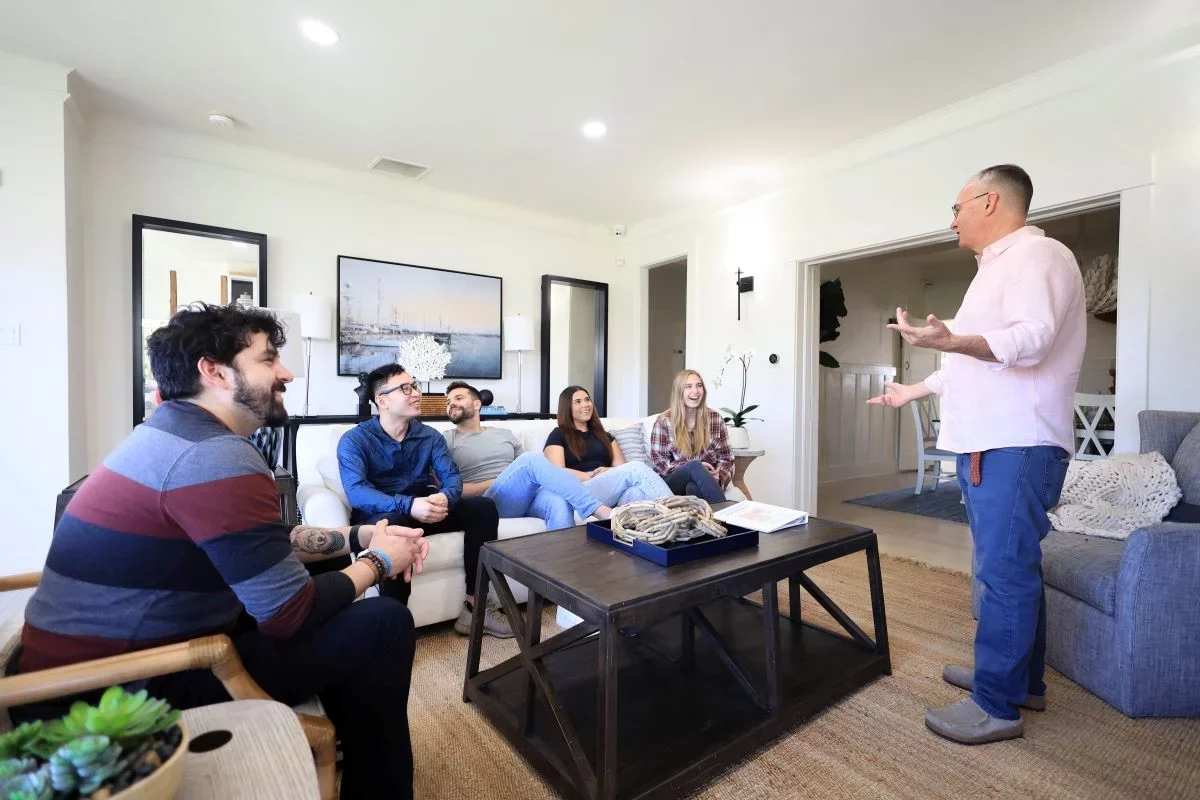
Life within sober living facilities shares similarities with rehabilitation programs, though residents here pursue employment or education while maintaining financial independence. Peer support and group meetings continue as core elements, with freedom to come and go within established parameters. Structured guidelines, substance-free policies, and curfew expectations foster environments where people can thrive in supportive, positive settings.
Halfway house designations accurately describe transitional housing as recovery’s middle ground. More than simply sharing space with others in recovery, these homes provide less restriction than treatment centers while offering greater structure than returning to unsupervised living situations. Critical life skills develop through sober living participation, equipping residents for independent success through capabilities such as:
- EMPLOYMENT ACQUISITION
- POST-TREATMENT HOUSING SEARCH
- MAINTAINING SOBRIETY AT HOME
- INTERPERSONAL COMMUNICATION
- FAMILY RELATIONSHIP RESTORATION
- BUILDING SUPPORT NETWORKS
- TRIGGER MANAGEMENT STRATEGIES
- EDUCATIONAL ADVANCEMENT
Distinguishing Between Sober Living Environments and Halfway Houses
Both halfway houses and transitional living facilities function as residential support systems for individuals overcoming substance dependency. While these community options share common ground, important differences deserve examination.
Supportive, structured settings characterize recovery-focused homes for those transitioning from formal addiction treatment toward independent living and sustained recovery. Flexibility distinguishes sober living facilities from halfway houses, offering relaxed approaches to curfews, visitor policies, and technology usage. Sobriety commitment, group involvement, household duties, and financial management remain universal expectations for residents.
Mandated treatment programs frequently employ halfway houses, which emphasize heightened structure and monitoring protocols. Those finishing residential treatment requiring additional supervision during community transition commonly access these programs. Enhanced regulations, such as mandatory check-ins and drug screening, often govern halfway house living.
Support intensity and available services create major distinctions between sober living homes and halfway houses. Both residential formats offer counseling opportunities and support group access, though halfway houses may deliver comprehensive therapeutic programming and medical services targeting specific mental health concerns.
Secure, supportive foundations for recovery can emerge from either residential option for individuals building healthy, purposeful sober lifestyles. Personal requirements, individual situations, and necessary support intensity guide optimal residential choice decisions for sustaining long-term recovery.
- Employment Acquisition
- Post-Treatment Housing Search
- Maintaining Sobriety At Home
- Interpersonal Communication
- Family Relationship Restoration
- Building Support Networks
- Trigger Management Strategies
- Educational Advancement
Benefits Associated With Sober Living Selection
Positive Environment
Substance dependency recovery frequently involves evaluating existing relationships and social connections, often discovering associations previously built around substance use. Choosing recovery within sober living environments connects you with individuals committed to sobriety and substance-free living approaches. Mutual support, responsibility sharing, and motivation become accessible throughout this difficult transitional period in sober living settings.
Complete Support Systems
Early recovery challenges emerge when moving directly from structured rehabilitation into independent living circumstances. Daily operations receive oversight from house managers in sober living environments, while community members offer guidance as you advance toward independent sober living goals.
Professional Staff
Thoroughly screened, certified team members work within sober living communities, providing confidence in support system reliability. Staff connections may link residents with additional licensed, qualified professionals relevant to personal recovery paths.
Lower Relapse Risk
Navigating difficult transitional recovery periods within sober living environments may reduce relapse potential before recovery stabilizes. Chronic, relapsing brain disease characterizes addiction, with relapse rates spanning 40% to 60% similar to other chronic medical conditions. Better sustained recovery prospects exist through Gratitude Lodge’s California sober living offerings.

Timeframes for Sober Living Participation
Standard sober living durations typically span 90 days, though longer arrangements accommodate extended residence requirements. Worries about sobriety maintenance in personal home settings following rehabilitation, or unsupportive family responses to recovery efforts, make sober living or halfway houses valuable options for continued development. Expert guidance becomes accessible within sober living settings to address major life transitions. Team support helps establish appropriate residence lengths for individual situations.
Continued recovery engagement, rule compliance, and financial responsibility fulfillment enable ongoing residence within sober living environments as required. Personal recovery journeys from substance dependency differ significantly, encouraging quality sober living programs to embrace adaptable methods accommodating these variations.

Financial Coverage for Sober Living Programs
Personal responsibility typically covers rent payments and household obligations for sober living residents. Limited insurance coverage applies to sober living homes, with rare exceptions, since governmental classification excludes them from treatment facility status. Treatment programming isn’t delivered by sober living homes like rehabilitation centers provide. While potentially challenging, rent obligations help residents practice responsible financial management.
Outpatient treatment participation during sober living residence may receive insurance coverage. Coverage restrictions or cost-sharing may occur under specific insurance plans. Final expenses vary based on policy deductibles and co-payment structures. Treatment programs usually help verify outpatient treatment insurance qualification.

Sober Living Opportunities Throughout California
Addiction recovery through California living arrangements has become increasingly popular among individuals addressing substance use challenges. Supportive, organized spaces characterize California’s sober living settings, facilitating independent living transitions while actively preserving sobriety goals.
Various services and resources may be offered through California sober living programs, including:
- Individual and group counseling service access
- 12-step program and recovery support group connections
- Educational service provision
- Professional development opportunities
- Employment assistance programs
Specialized programming targeting co-occurring mental health conditions or unique personal requirements may exist within certain California sober living environments.
Additional services from California sober living homes help individuals overcoming substance dependency create meaningful peer connections while accessing engaging sober activities and wellness opportunities supporting personal growth.
Strategic locations near natural settings typically characterize California sober living programs, motivating residents to embrace flourishing California sober living rather than basic survival.
Note: California sober living refers to specific recovery approaches common in California that have achieved global recognition. These California sober living frameworks allow recovery individuals to sustain sober lifestyles while responsibly incorporating marijuana usage in measured ways within legal jurisdictions. Marijuana dependency issues warrant contacting Gratitude Lodge in Southern California for evidence-based treatment solutions.
CALIFORNIA SOBER LIVING FAQS
Questions about California sober living exploration find responses through common inquiries addressed at Gratitude Lodge in Southern California.
Understanding sober living definitions
Outcomes from sober lifestyle adoption
Characterizing sober living journeys
Clarifying sober living house principles