About Us
 Meet Our Team
 Our Facilities
 Videos
 Newsroom
 Scholarship
 FAQ
FAQ Blog
Blog
 Newport Beach

 Long Beach


 Meth Rehab
 Outpatient Rehab
 IOP Rehab
 Virtual IOP
 PHP Rehab
 LGBTQ Friendly Rehab
 Device Friendly Rehab
 Pet Friendly Rehab
 Couples Drug Rehab
 Reiki Therapy
 Holistic Addiction Therapy
 Addiction Therapy
 Group Addiction Therapy
 EMDR Therapy
 CBT Therapy
 Mood Disorder Treatment
 Panic Disorders/Drinking Problems Treatment
 Addictive Personality Disorder Treatment
 Hyperfixation Treatments
 Hyper Independence Treatment
 Check My Insurance
 Rehab Insurance Coverage
 Financing Options
 Cigna
Cigna

















Pet-Friendly Treatment: Therapeutic Programs Embracing Your Cherished Animal Companion
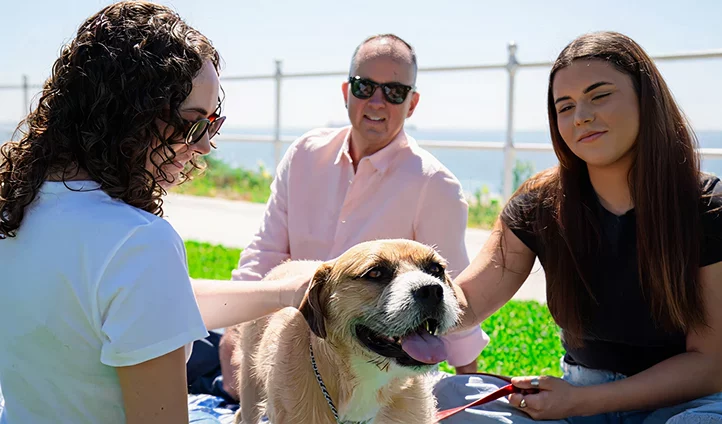
Pet-friendly treatment options resolve hesitations for individuals who postpone seeking assistance due to concerns about leaving their emotional support companion behind. Countless people discover that their animals provide unwavering support, solace, and reliable emotional anchoring. Distress over separation can present substantial barriers when evaluating residential care possibilities. Therapeutic environments designed to welcome approved animals allow individuals to pursue wellness while preserving their vital pet relationships.
Reducing Emotional Distress During Early Recovery Stages
Embarking on rehabilitation typically introduces overwhelming emotional obstacles. Adapting to fresh schedules, working through challenging feelings, and learning new therapeutic methods define the initial treatment period. Worries regarding a companion animal’s wellbeing and security can amplify these already difficult situations. Approved pets remaining with their human companions can substantially reduce stress levels and improve treatment engagement. Greater emotional balance often results in more meaningful participation in private counseling and group therapeutic activities.
Complete Treatment Services with Proven Guidelines
Pet-accommodating treatment centers uphold the same clinical excellence present in traditional recovery facilities. Structured daily programming includes individual therapy sessions, peer support circles, and thorough relapse prevention training. Proven guidelines ensure facility security, cleanliness requirements, and proper animal care during treatment periods. Individuals retain complete responsibility for their healing journey while simultaneously caring for their pet companion, which strengthens personal accountability and routine development.
Establishing Durable Recovery Infrastructure
Enduring sobriety demands creating strong adaptive strategies and beneficial lifestyle habits. Pet-inclusive programming supports this growth by providing emotional reassurance while upholding strict therapeutic expectations. Clients develop vital abilities for handling triggers, emotional management techniques, and complete relapse prevention approaches within supportive settings. Continuing aftercare services or organized transitional housing options can extend support following residential treatment completion. By combining thorough addiction care with considerate pet integration, these programs enable people to begin their recovery path with improved emotional stability and self-assurance.