
 About Us
 Meet Our Team
 Our Facilities
 Videos
 Newsroom
 FAQ
FAQ Blog
Blog
 Newport Beach

 Long Beach


 Meth Rehab
 Outpatient Rehab
 IOP Rehab
 Virtual IOP
 PHP Rehab
 LGBTQ Friendly Rehab
 Device Friendly Rehab
 Pet Friendly Rehab
 Couples Drug Rehab
 Reiki Therapy
 Holistic Addiction Therapy
 Addiction Therapy
 Group Addiction Therapy
 EMDR Therapy
 CBT Therapy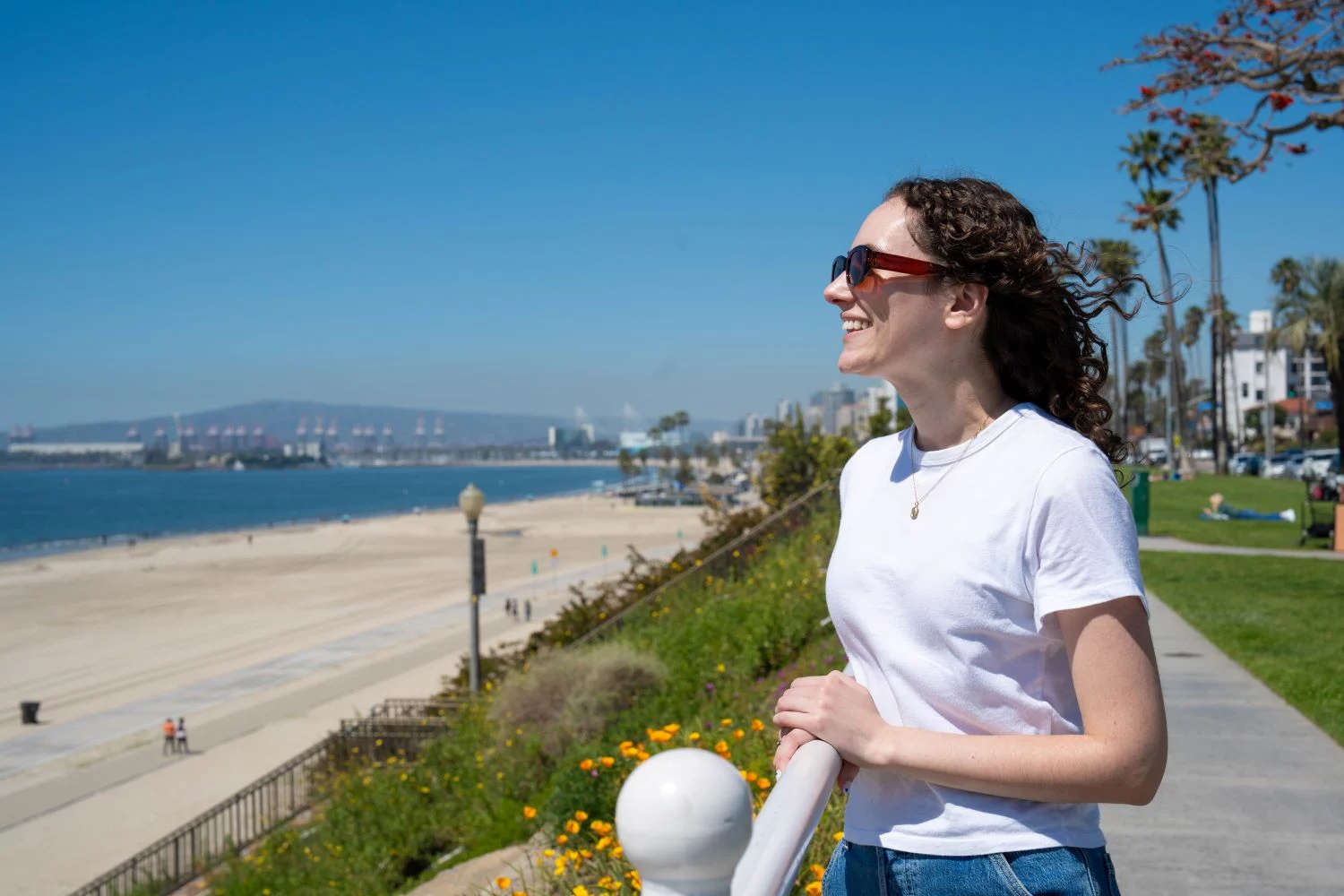
 Mood Disorder Treatment
 Panic Disorders/Drinking Problems Treatment
 Addictive Personality Disorder Treatment
 Hyperfixation Treatments
 Hyper Independence Treatment
 Check My Insurance
 Rehab Insurance Coverage
 Financing Options
 Cigna
Cigna






















ust steps from the beach, this scenic park features picnic areas, sports courts, and ocean views—perfect for peaceful reflection or spending quality time with others. 100 Main St, Newport Beach, CA 92661
Community-Based Addiction Recovery in Tustin: Fostering Healing Through Shared Support
Walking into your initial group therapy session typically evokes feelings of nervousness and doubt. Opening up about personal addiction challenges before unfamiliar faces demands extraordinary courage. Nevertheless, numerous people seeking recovery across Tustin find that group addiction therapy becomes the pivotal moment when isolation shifts to meaningful connection. Being surrounded by individuals who comprehend the burden of cravings, the fear of possible relapse, and the exhaustion of emotional depletion offers solace that individual therapy sessions may not always provide.
Professional group addiction therapy programs throughout Tustin constitute clinically supervised treatment approaches where individuals with substance use disorders meet regularly to support one another’s recovery process. Generally including 6-12 participants, these sessions are facilitated by licensed professionals who guide discussions, implement evidence-based strategies, and create safe, supportive environments. Various treatment levels integrate group therapy, including residential treatment centers, partial hospitalization programs (PHP), intensive outpatient programs (IOP), and ongoing outpatient services.
Rather than focusing exclusively on personal stories, group therapy emphasizes collective recovery journeys. Participants benefit from both professional guidance and peer insights. Observing how others navigate triggering circumstances, repair broken relationships, or maintain stability during early sobriety helps confirm the recovery process and reduces shame-based feelings. Research consistently shows that group therapy equals individual counseling effectiveness for many individuals with substance use disorders while often improving treatment engagement and program retention.
How Group Addiction Therapy Functions
Operating as one component within comprehensive treatment plans, group therapy works alongside medical detox, individual counseling, medication-assisted treatment, and family therapy. Within this coordinated framework, group sessions provide consistency, accountability, and peer connections – vital components for sustained recovery outcomes.
Following predictable structures that create safety and trust, most sessions begin with brief check-ins where participants can share current challenges or victories. Facilitators then lead focused discussions or activities exploring topics such as relapse prevention, emotional regulation, communication skill development, or stress management. Final segments typically include personal reflection and goal-setting for the days ahead.
Clear expectations – such as confidentiality protection, respectful listening, maintaining sobriety during sessions, and regular attendance – create a supportive environment. Over time, these boundaries encourage honesty and active engagement.
Core Group Addiction Therapy Modalities
Recovery facilities across Tustin often integrate multiple group therapy approaches tailored to various healing stages. Education-centered groups focus on understanding addiction science, brain effects, and recovery tools. Skills-based groups emphasize practical strategies for managing cravings, emotions, and everyday stressors. Cognitive-behavioral methods help participants identify and change thought patterns that contribute to substance use.
Support-oriented and peer connection groups create spaces for experience sharing, encouragement offering, and belonging development, while interpersonally-focused process groups – usually introduced during advanced phases – explore relationship patterns and emotional responses that surface within group settings.
Benefits of Group Addiction Therapy
Connection building stands among group therapy’s most transformative benefits. Because addiction often thrives in isolation, group settings directly counter this tendency by fostering community and shared accountability. Participants begin understanding they aren’t alone in their struggles – and that successful recovery remains within reach.
Peer motivation serves as another crucial group therapy advantage. Sharing goals and progress with others reinforces dedication, while supportive feedback helps individuals recognize warning signs. Additionally, group interactions provide real-time opportunities to develop communication skills, set healthy limits, and work through disagreements – capabilities essential for rebuilding relationships and maintaining long-term sobriety.
Moving Forward Together in Recovery
Recovery doesn’t mean confronting obstacles alone. At Gratitude Lodge, group addiction therapy in Tustin combines structured support, evidence-based treatment approaches, and genuine human connection. While joining group sessions may feel intimidating initially, many participants find it becomes the most valuable part of their healing journey. Our GL treatment philosophy centers on shared growth and peer support, showing how recovery strengthens when pursued as a community effort.