
 About Us
 Meet Our Team
 Our Facilities
 Videos
 Newsroom
 FAQ
FAQ Blog
Blog
 Newport Beach

 Long Beach


 Meth Rehab
 Outpatient Rehab
 IOP Rehab
 Virtual IOP
 PHP Rehab
 LGBTQ Friendly Rehab
 Device Friendly Rehab
 Pet Friendly Rehab
 Couples Drug Rehab
 Reiki Therapy
 Holistic Addiction Therapy
 Addiction Therapy
 Group Addiction Therapy
 EMDR Therapy
 CBT Therapy
 Mood Disorder Treatment
 Panic Disorders/Drinking Problems Treatment
 Addictive Personality Disorder Treatment
 Hyperfixation Treatments
 Hyper Independence Treatment
 Check My Insurance
 Rehab Insurance Coverage
 Financing Options
 Cigna
Cigna





















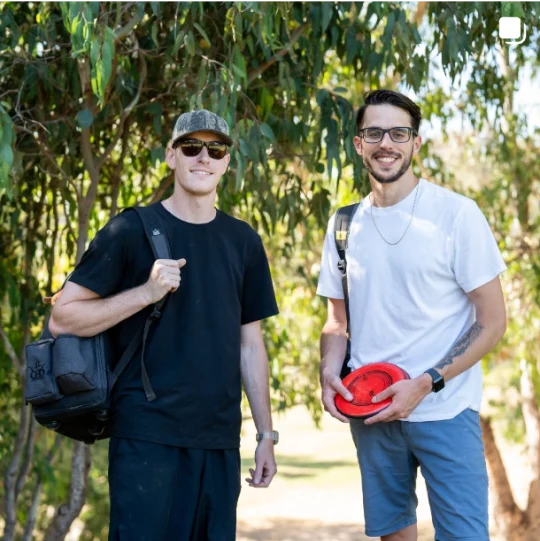
ust steps from the beach, this scenic park features picnic areas, sports courts, and ocean views—perfect for peaceful reflection or spending quality time with others. 100 Main St, Newport Beach, CA 92661
Group-Based Addiction Recovery in Villa Park: Building Healing Through Peer Support Networks
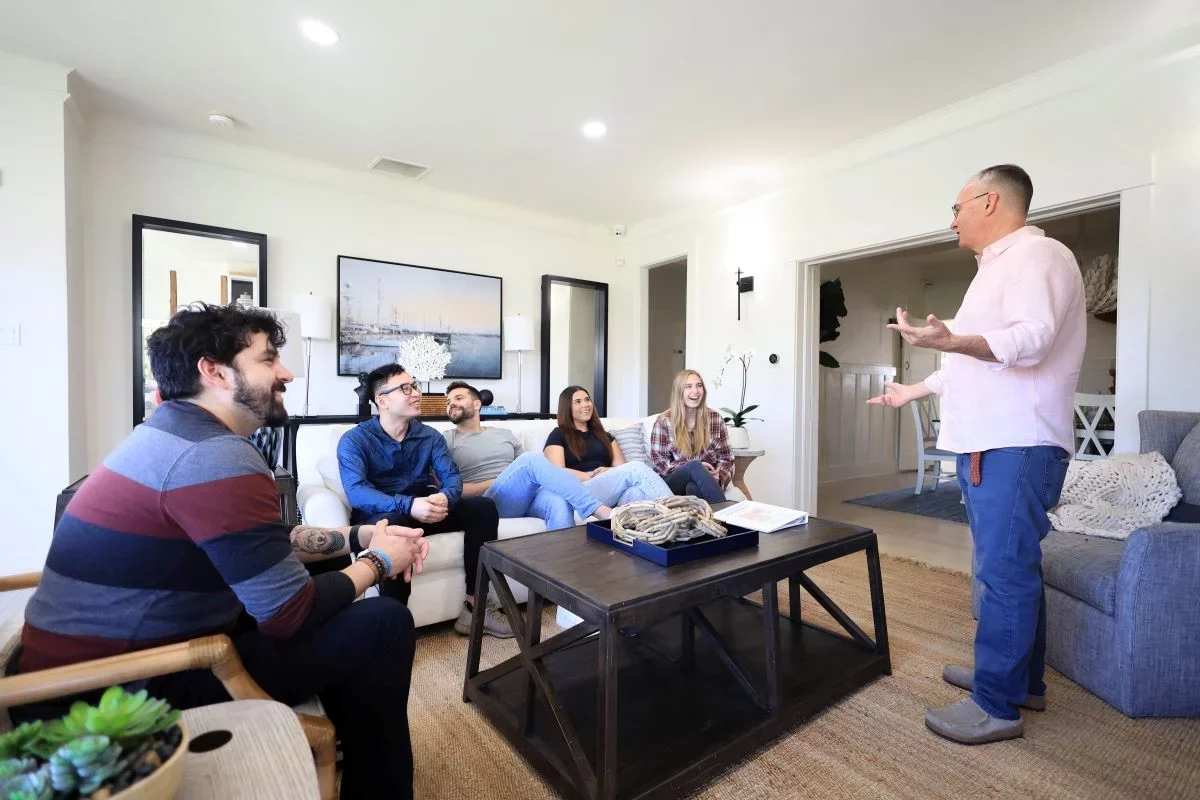
Walking into your initial group therapy meeting often creates overwhelming nervousness. Vulnerability around strangers regarding addiction struggles demands extraordinary courage. Nevertheless, many people seeking recovery in Villa Park find that group addiction treatment converts isolation into meaningful relationships. Discovering yourself surrounded by others who genuinely comprehend detox challenges, fear of relapse, and emotional exhaustion frequently provides relief that individual therapy sessions may not consistently offer.
Group addiction treatment in Villa Park constitutes a structured, clinically-supervised healing approach where individuals with substance use disorders meet regularly to support one another’s recovery path. Such therapeutic gatherings typically include 6-12 participants and operate under guidance from licensed behavioral health specialists who lead discussions, introduce evidence-based strategies, and create safe, nurturing environments. Various treatment levels incorporate this approach, including inpatient facilities, partial hospitalization programs (PHP), intensive outpatient programs (IOP), and ongoing outpatient services.
Rather than focusing on personal stories individually, group treatment emphasizes collective healing. Participants benefit from both clinical oversight and shared experiences. Observing fellow members navigate social triggers, repair fractured relationships, or sustain progress through early sobriety validates the recovery process and reduces shame. Research consistently shows that group-based treatment equals individual session effectiveness for many people with substance use disorders while often improving engagement and program completion rates.
How Group Addiction Treatment Functions
Group treatment integrates within comprehensive care plans that may include medical detoxification, individual counseling, medication-assisted treatment, and family therapy. Within this multifaceted approach, group sessions provide stability, accountability, and peer connections – fundamental components for sustained recovery.
Sessions generally follow structured formats that build trust and comfort. Most begin with brief check-ins, allowing participants to share current challenges or successes. Facilitators then lead focused discussions or activities covering topics such as relapse prevention, emotional regulation, communication skills, or stress management. Sessions often conclude with personal commitments and goals for the following week.
Clear boundaries – including confidentiality agreements, respectful engagement, sobriety during sessions, and regular attendance – help maintain therapeutic environments. Over time, this structure encourages openness and deeper participation.
Core Group Addiction Treatment Models
Recovery facilities in Villa Park often utilize multiple group therapy approaches tailored to various healing stages. Psychoeducational groups focus on understanding addiction science, brain changes, and recovery tools. Skills-based groups emphasize practical methods for managing cravings, regulating emotions, and coping with daily stressors. Cognitive-behavioral groups help participants identify and change thought patterns that contribute to substance use.
Support and peer-led groups create spaces for shared stories, encouragement, and belonging, while interpersonal process groups – usually introduced in later phases – explore relationship patterns and emotional responses as they emerge within the group setting.
Benefits of Group Addiction Treatment
Connection stands among group therapy’s most significant benefits. Addiction often thrives in isolation, and group settings directly counter this by fostering community and shared accountability. Participants begin understanding their struggles aren’t singular – and that recovery remains possible.
Group treatment also builds motivation. Sharing goals and progress with peers increases commitment, while supportive feedback helps individuals recognize warning signs. Additionally, group settings provide immediate chances to practice social skills, set healthy boundaries, and navigate conflicts – abilities essential for rebuilding relationships and maintaining sobriety.
Growing Stronger Through Shared Recovery
Recovery need not happen in isolation. At Gratitude Lodge, group addiction treatment in Villa Park combines structure, evidence-based care, and genuine human connections. While joining group sessions may initially feel uncomfortable, many clients find this becomes one of the most transformative elements of their healing journey. Our approach at GL prioritizes collaborative growth and peer support, showing how lasting recovery flourishes through community commitment.