Cocaine is a Schedule II controlled substance that is derived from the coca plant. Like all drugs in this schedule, cocaine has some medical utility, but it also has a strong potential for abuse and the development of a drug addiction.
2021 data from SAMHSA’s National Survey on Drug Use and Health indicate that:
40.9 million U.S. adults have used cocaine at least once.
1.8 million over-18s reported past month cocaine use.
1.4 million people met the criteria for cocaine addiction (stimulant use disorder).
This guide highlights how and why cocaine addiction can develop so rapidly. You can also discover how to detox from cocaine safely and comfortably, and you will learn how to connect with the most effective cocaine addiction treatment at Gratitude Lodge.
Get Personalized Addiction Care at The Gratitude Lodge
Our rehab centers support men and women struggling with substance use and co-occurring mental health disorders. Gratitude Lodge specializes in inpatient residential treatment and the initial detox phase of drug rehab, providing individualized, evidence-based care in serene, structured environments throughout Southern California to help individuals stabilize, begin healing, and build a strong foundation for lasting recovery.
There are some limited medical uses for cocaine – as a local anesthetic for some surgeries – but most cocaine use is illegal and recreational.
Illicit cocaine comes in white powdered form. Traffickers and street dealers frequently adulterate cocaine with bulking agents like baby powder to boost profits. More disturbingly, cocaine is now increasingly being mixed with fentanyl (a deadly synthetic opioid up to 100 times stronger than morphine). Ingesting adulterated cocaine can sharply increase the risk of cocaine overdose.
Most individuals snort cocaine powder through the nose, rubbing any residue into the gums. Some people who abuse cocaine dissolve the white powder and inject the cocaine-based solution into the bloodstream intravenously.
Injecting cocaine and smoking crack cocaine are the most dangerous forms of cocaine abuse, but taking this drug in any form can cause addiction to develop rapidly.
Is Cocaine Addictive?
Cocaine addiction, both physical and psychological, can develop quickly regardless of the route of administration and the form it comes in. Habitual use of cocaine will prompt you to crave the drug’s euphoric effects, sparking a compulsion to use more cocaine.
Tolerance to cocaine forms rapidly. When this occurs, you will require more cocaine to achieve the same effects, or you will need to take the drug more frequently. Over time, cocaine abuse alters the structure and function of the brain. This altered brain chemistry can make it challenging to resist intense cravings for cocaine.
Moreover, the problem can become more severe when an individual begins mixing cocaine with other drugs. For example, mixing cocaine with alcohol leads to the creation of cocaethylene in the liver which exacerbates the effects of each drug.. Doing this regularly leads to the development of an addiction to both drugs.
In most cases of cocaine abuse, psychological dependence on the stimulant is more difficult to address than physical dependence or cocaine withdrawal – more on this below.
Cocaine addiction develops as a result of the drug’s euphoric and reinforcing high. Ingesting cocaine causes the substance to work on the brain’s dopamine neurotransmitter system. Dopamine is a chemical messenger associated with a positive mood. The drug’s mechanism of action directly impacts the reward pathway in the brain, meaning that cocaine addiction may be triggered after just a few uses. If you have been asking yourself “is cocaine physically addictive?” it may be a sign that you are dealing with cocaine addiction symptoms or a cocaine use disorder. Reach out to our treatment center today and get the help you need.
Is Crack More Addictive Than Cocaine?
Crack is generally considered more addictive than cocaine for several reasons. Firstly, crack is a more potent form of cocaine that has been processed into a rock crystal and smoked in glass pipes. This allows the drug to penetrate the bloodstream and reach the brain more rapidly, triggering a more intense and more immediate high. The rapid onset of effects can create a powerful psychological dependence on the drug and make it more challenging for those abusing crack cocaine to quit.
Another factor that contributes to the high addictive potential of crack is that the drug is often cheaper and more readily available than powdered cocaine. This can make it easier for those with limited resources to develop an unsustainable addiction and increases the likelihood of engaging in risky behaviors to obtain the drug.
Beyond this, crack cocaine use is associated with a battery of adverse health complications, including cardiovascular problems, respiratory issues, and neurological damage. These physical health problems can also contribute to addiction by making it more challenging for individuals to stop using the drug.
Both crack cocaine and powdered cocaine are fiercely addictive substances that can provoke severe health problems. Seeking professional help is vital for anyone struggling with cocaine or crack addiction. Orange County treatment programs, like Gratitude Lodge, is here to help all those struggling.
Symptoms of Cocaine Addiction
DSM-5-TR outlines 11 symptoms of stimulant use disorder (cocaine addiction). If you experience at least two of these symptoms within a 12-month period, you may be diagnosed with mild cocaine addiction, clinically described as stimulant use disorder. The presentation of four or five symptoms is diagnosed as moderate cocaine addiction, while 6 or more symptoms manifesting indicates severe cocaine addiction. These are the criteria and signs of cocaine addiction:
Taking more cocaine than intended or for a longer period than intended.
A recurrent desire or unsuccessful attempts to control or moderate cocaine use.
Spending a great deal of time obtaining, using, or recovering from the effects of cocaine.
Cravings to use cocaine.
Failure to fulfill major obligations at work, school, or home due to cocaine use.
Continuing to use cocaine despite social and interpersonal problems caused or inflamed by the drug.
Giving up social or recreational activities due to cocaine use.
Using cocaine in physically dangerous situations.
Continuing to use cocaine despite knowledge of physical or psychological problems caused or worsened by the drug.
Developing a tolerance to cocaine (needing more of the drug to achieve the desired effects).
Experiencing withdrawal symptoms when reducing or stopping cocaine use.
If you notice one or more of these signs of a cocaine addict, it is time to seek treatment and get the help you need to fight back against addiction.
How Addictive Is Cocaine?
Dopamine is a chemical messenger (neurotransmitter) that is associated with:
Euphoric emotions.
Processing of reward triggers.
Regulation of movement.
Taking cocaine in any form prevents the body from reabsorbing dopamine. Instead, dopamine stays in the brain, provoking intense feelings of euphoria.
When the effects of cocaine wear off, the brain feels overworked and is unable to produce more dopamine naturally. This triggers exhaustion, mood swings, depression, and other early cocaine withdrawal symptoms. Many people suffering from a cocaine crash take more of the drug to mitigate these feelings. This process is known as reinforcement.
Signs And Symptoms of Cocaine use
Runny nose
Persistent nosebleeds
Dilated pupils
Excessive sweating
Restlessness
High energy levels
Raised body temperature
Insomnia
Diminished appetite
Pronounced weight loss
Cognitive impairment
Blacking out
Breathing problems
Hypertension
Liver damage
Kidney damage
Tolerance
Heart attack
What Are The Effects Of Cocaine Addiction?
There are various short-term and long-term effects of cocaine, both physical and psychological, that can cause more pervasive problems and cocaine side effects related to an individuals physical health, social life, financial situation, professional career, and more.
Some damage caused by habitual cocaine abuse may be reversible, although the sustained abuse of either cocaine or crack cocaine often causes irreversible effects of cocaine.
If you are addicted to cocaine, you might find it heartening to know that cocaine withdrawal and detox are not as intense or demanding as detoxing from prescription opioids, alcohol, or other illicit drugs.
Symptoms of cocaine withdrawal can occur if you decrease or discontinue the use of cocaine. As your body has become accustomed to the presence of cocaine, physical dependence develops, causing the brain to crave more cocaine in order to function.
Cocaine Withdrawal Symptoms
If you become physically dependent on cocaine, withdrawal symptoms will manifest in its absence.
The following are the most common symptoms of cocaine withdrawal and detox:
Sleepiness
Physical/Mental exhaustion
Headaches
Suicidal ideation
Problems with focus
Anhedonia
Increased appetite
Muscle aches
Vivid and troubling dreams
Slowed activity
Chills
Tremors
Intense cravings
Reduced sex drive
Extreme lethargy
Lack of motivation
Hostility
Paranoia
Cocaine Use and your Body
The long-term effects of cocaine addiction can cause physical and psychological complications. Sustained cocaine abuse will also heighten the chance of developing some chronic health conditions.
Chronic cocaine abuse impacts many areas of the body, including:
Immune System
The long-term abuse of cocaine will depress and compromise the immune system. This means that disease can spread more rapidly throughout the body. You will be more likely to contract infectious diseases like HIV/AIDS and hepatitis.
Respiratory System
Smoking crack cocaine can trigger acute respiratory problems. Inhaling crack cocaine causes the blood vessels in the lungs to constrict, damaging the alveolar walls, and reducing the amount of oxygen delivered to the bloodstream. This can prompt complications such as pulmonary edema, acute respiratory distress, and a chronic cough. In severe cases, this can manifest in the form of crack lung (eosinophilic pneumonitis).
Sinuses
Studies show that snorting powdered cocaine can damage the nose and mouth. When you snort cocaine, the substance damages mucous membranes in the nose. Over time, this soft tissue will die, exposing the cartilage between the nasal cavities known as the septum. In the event of septal perforation, the structure of the nose collapses. Plastic surgery may correct the issue, although this is not guaranteed.
Heart
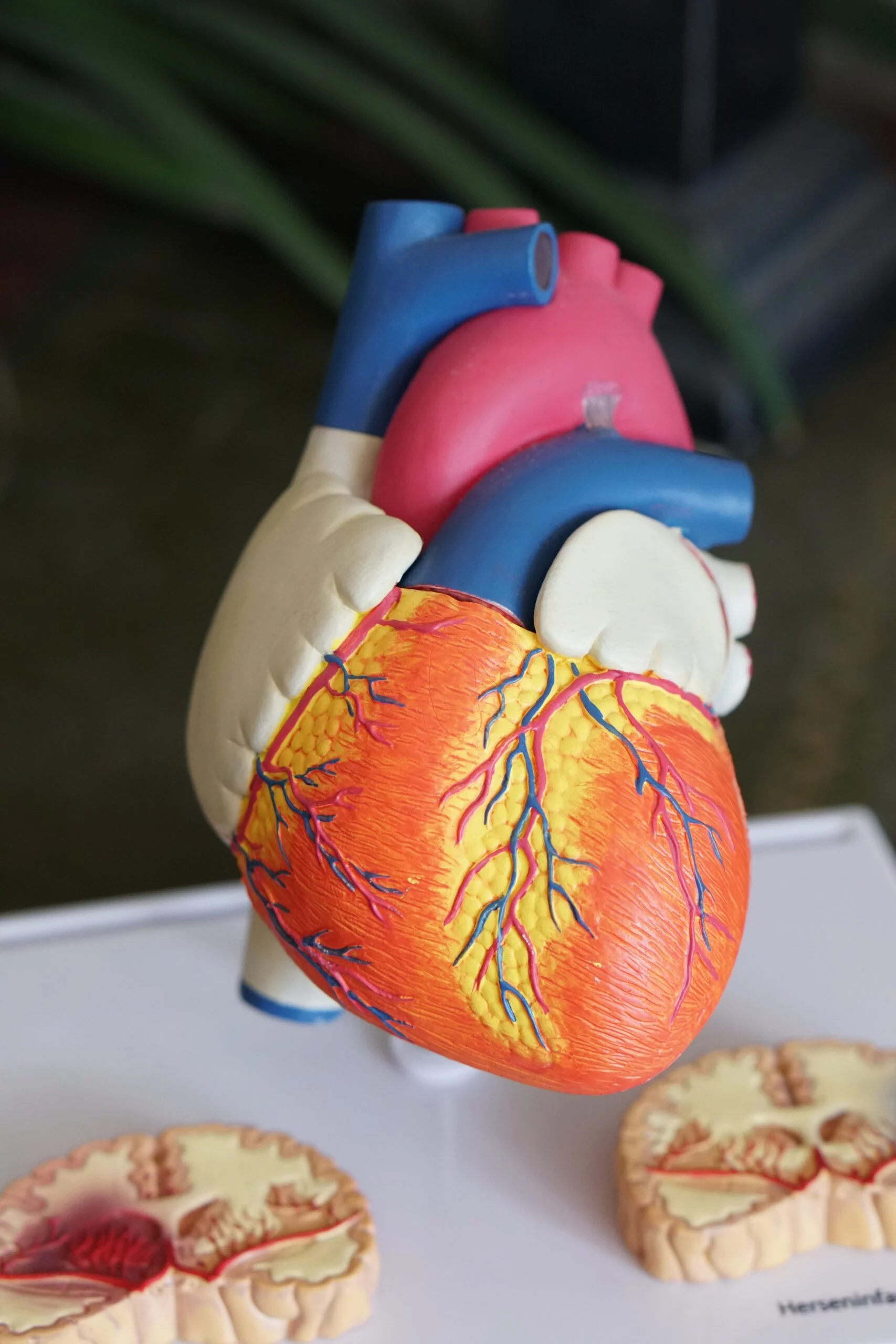
Studies indicate that cocaine abuse can cause many forms of heart damage. These include angina, tachycardia, arrhythmia, blood clots, and myocardial infarction. Blood pressure levels may also permanently increase. The most common cause of death associated with cocaine abuse is heart attack.
GI Tract
Chronic cocaine abuse can lead to ischemic colitis and inflammation of the large intestine. This can cause severe digestive issues and may be fatal if untreated.
Liver
If you mix cocaine with alcohol, this can cause severe liver damage. When cocaine mixes with alcohol in the liver, a toxic metabolite called cocaethylene is formed.
Kidneys
The long-term abuse of cocaine damages kidneys due to permanently increased blood pressure levels. Additionally, as cocaine abuse damages skeletal muscles in the kidneys, toxins can enter the body, potentially triggering kidney failure.
Brain
Abusing cocaine or crack cocaine can cause the following long-term brain issues:
Many variables impact the intensity and duration of cocaine withdrawal symptoms. These include:
Quantity of cocaine being used.
Duration of cocaine abuse.
Scope and severity of stimulant use disorder.
Co-occurring mental health conditions like depression or anxiety.
Cocaine withdrawal typically begins within a few hours of the last use of cocaine and will also depend on how long cocaine stays in your system. Withdrawal can last for between 7 and 14 days, although the timeline will vary from person to person. This phase is known as acute cocaine withdrawal.
Some people may experience PAWS (post-acute withdrawal syndrome) when detoxing from cocaine. PAWS is characterized by withdrawal symptoms that linger beyond the expected timeframe for acute withdrawal. In the event of PAWS, symptoms like disrupted sleep, fatigue, anxiety, and problems with focus or decision making may persist for a month or two.
How to detox your body from cocaine safely is best achieved with medical supervision.
Cocaine Detox & Treatment
Cocaine detox is a series of interventions to help manage acute withdrawal symptoms while cocaine and toxins are eliminated from the body.
Detox is the first in a chain of events in the process of addiction treatment. It is normally advisable to detox from cocaine in a clinically-supervised setting. Cocaine is fiercely addictive psychologically, and a medical detox will provide you with robust emotional support, allowing you to resist cravings and continue your recovery without relapsing.
With many people withdrawing from cocaine reporting an increase in suicidal thoughts, having a treatment team on hand can help you deal with mood swings and unpleasant thoughts rather than using cocaine to alleviate those symptoms.
Medically supervised detox involves attending a licensed medical detox center or cocaine rehab center where a treatment team can manage withdrawal symptoms and monitor for physical or psychological complications that may emerge during detox
What is the most effective treatment for cocaine addiction, then?
Crack & Cocaine Rehab at Gratitude Lodge
If you have been looking for an inpatient rehab and drug detox program, don’t let the lack of pharmacological treatments for cocaine addiction prevent you from engaging with treatment.
Here at Gratitude Lodge in Southern California, we have pet-friendly rehabs located in Newport Beach and Long Beach where you can unpack the psychological aspect of cocaine addiction.
All Gratitude Lodge Southern California treatment centers offer supervised medical detox programs, allowing you to withdraw from cocaine as comfortably as possible, and with robust emotional and clinical care available.
Whether you require the support and structure of inpatient rehab or the flexibility and affordability of intensive outpatient treatment, cocaine addiction treatment at Gratitude Lodge involves:
Psychotherapy / Individual counseling
Group therapy
Evidenced Based motivational therapies
Contingency management
Family therapy
When you are ready to move from active cocaine and crack addiction into ongoing recovery, call admissions at 844-576-0144.
Cocaine Addiction FAQs
What are the signs of cocaine addiction?
Signs of cocaine addiction include changes in mood, behavior, and physical appearance, as well as an increase in risky behaviors, financial problems, and social isolation.
Can cocaine addiction be treated?
Yes, cocaine addiction can be treated with a combination of behavioral therapies, motivational therapies, and counseling. Treatment can help individuals overcome addiction and achieve lasting recovery.
Is cocaine addiction a mental health disorder?
Yes, cocaine addiction is considered a mental health disorder. It is classified as stimulant use disorder, a type of substance use disorder (drug addiction) that is characterized by compulsive drug-seeking behavior and continued use despite negative consequences.
Can cocaine addiction cause physical health problems?
Yes, cocaine addiction can cause a range of physical health problems, including heart attack, stroke, respiratory failure, seizures, and kidney damage.
Can you overdose on cocaine?
Yes, it is possible to overdose on cocaine. Symptoms of a cocaine overdose can include chest pain, rapid heartbeat, seizures, respiratory failure, and coma. Overdosing on cocaine can be life-threatening and requires immediate medical attention.
Related Blogs
Check out our addiction recovery blog to learn more about substance use disorders and how to get effective treatment.
Hydromorphone Addiction: Signs, Symptoms, & Treatment Drug Rehab
Hydromorphone, marketed under the brand names Dilaudid and Exalgo, is a potent semi-synthetic opioid pain reliever utilized in hospital settings and as a comp...
Hydromorphone Addiction: Signs, Symptoms, & Treatment Drug Rehab
Hydromorphone, marketed under the brand names Dilaudid and Exalgo, is a potent semi-synthetic opioid pain reliever utilized in hospital settings and as a comp...
Hydromorphone Addiction: Signs, Symptoms, & Treatment Drug Rehab
Hydromorphone, marketed under the brand names Dilaudid and Exalgo, is a potent semi-synthetic opioid pain reliever utilized in hospital settings and as a comp...
Amazing place for recovery. Going through addiction is hard, asking for help is harder, and being in a place like this made the difference in my recovery. I didn’t feel like a number, I didn’t feel alone, but I did feel like I mattered.
Makenzi Lanahan
3 weeks ago
Gratitude lodge was so supportive and helpful while being in treatment. The staff is beyond helpful and always there for you in hard times . Tiffany and Tony work very closely with you , showing you the amazing side of sobriety. I appreciate this program and every little thing they have done to make my recovery a success story.
Alex Kocher
7 July 2024
I had an amazing experience at Gratitude Lodge! Every staff really cared about their job and their patients. The facility was nice and comfortable. The programing was helpful and informative.
Albert Harrison Jr
5 months ago
This place helped me immensely. They set me up for success. Top notch clinical team and staff that really care about their clients this is not just your typical detox facility. If you truly want freedom from drugs and alcohol I would highly recommend this place. You gotta want it though!! This is where miracles happen and I’m living proof, it wasn’t easy but I took suggestion and most importantly I put in the work!!
ulysses nava
5 months ago
Amazing place for recovery. Going through addiction is hard, asking for help is harder, and being in a place like this made the difference in my recovery. I didn’t feel like a number, I didn’t feel alone, but I did feel like I mattered.
What Our Clients Say
5 Star Google Reviews
Where You’ll Be Staying
We strive to provide a comfortable, home-like environment during your recovery journey. Browse our facility images below to take a look at our upscale residential facilities.
Joseph Gilmore has been working in the addiction industry for half a decade and has been writing about addiction and substance abuse treatment during that time. He has experience working for facilities all across the country. Connect with Joe on LinkedIn.
Jenni Busse MS, LPCC
Jenni Busse MS, LPSS is the Clinical Director at Gratitude Lodge. Jenni oversees the clinical program and the clinical team at Gratitude Lodge as a whole. Jenni has worked in treatment for almost 14 years. Her background as a licensed therapist and her passion for helping others intersected with addiction recovery when she started working primarily in detox residential treatment.


 About Us
 Meet Our Team
 Our Facilities
 Videos
 Newsroom
 FAQ
FAQ Blog
Blog


 Newport Beach
 Long Beach


 Meth Rehab
 Outpatient Rehab
 IOP Rehab
 Virtual IOP
 PHP Rehab
 LGBTQ Friendly Rehab
 Device Friendly Rehab
 Pet Friendly Rehab
 Couples Drug Rehab
 Reiki Therapy
 Holistic Addiction Therapy
 Addiction Therapy
 Group Addiction Therapy
 EMDR Therapy
 CBT Therapy

 Mood Disorder Treatment
 Panic Disorders/Drinking Problems Treatment
 Addictive Personality Disorder Treatment
 Hyperfixation Treatments
 Hyper Independence Treatment
 Check My Insurance
 Rehab Insurance Coverage
 Financing Options
 Cigna
Cigna