
 About Us
 Meet Our Team
 Our Facilities
 Videos
 Newsroom
 FAQ
FAQ Blog
Blog
 Newport Beach

 Long Beach


 Meth Rehab
 Outpatient Rehab
 IOP Rehab
 Virtual IOP
 PHP Rehab
 LGBTQ Friendly Rehab
 Device Friendly Rehab
 Pet Friendly Rehab
 Couples Drug Rehab
 Reiki Therapy
 Holistic Addiction Therapy
 Addiction Therapy
 Group Addiction Therapy
 EMDR Therapy
 CBT Therapy
 Mood Disorder Treatment
 Panic Disorders/Drinking Problems Treatment
 Addictive Personality Disorder Treatment
 Hyperfixation Treatments
 Hyper Independence Treatment
 Check My Insurance
 Rehab Insurance Coverage
 Financing Options
 Cigna
Cigna



















ust steps from the beach, this scenic park features picnic areas, sports courts, and ocean views—perfect for peaceful reflection or spending quality time with others. 100 Main St, Newport Beach, CA 92661
Read More…
Exploring Everyday Experiences Within Sober Living Environments
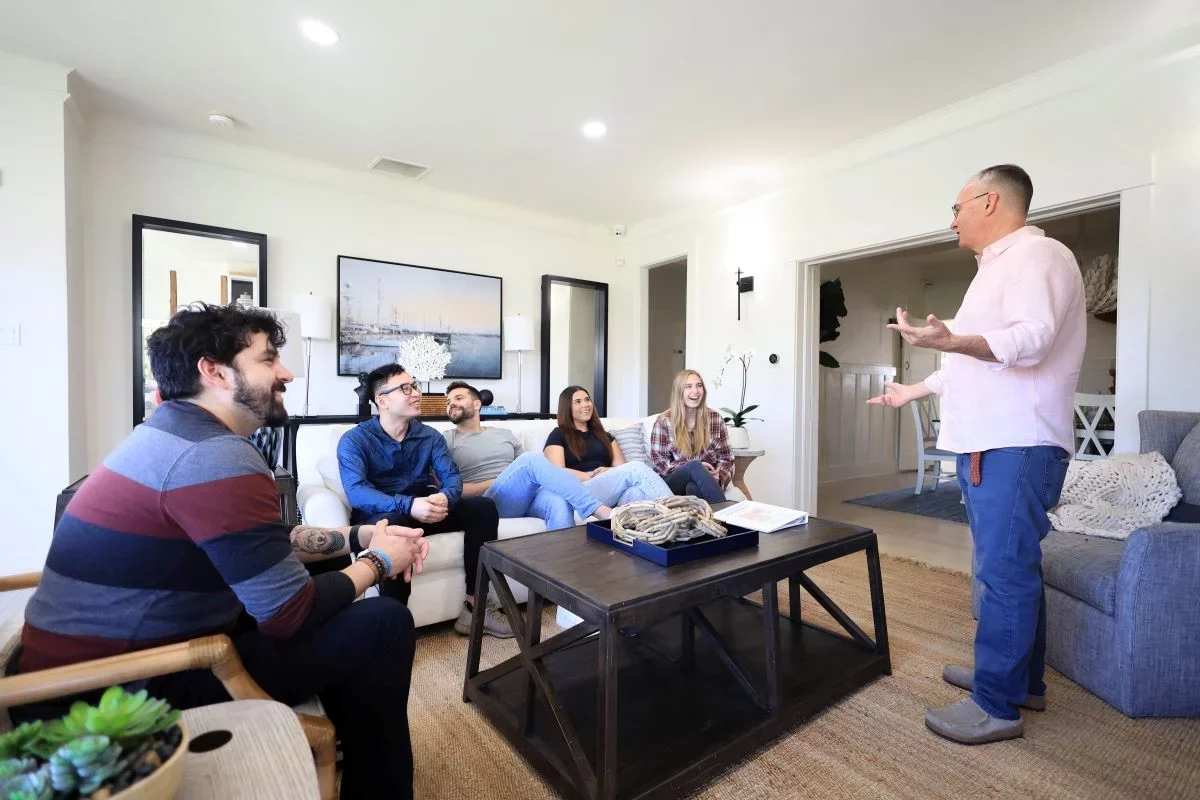
Daily existence within sober living facilities shares similarities with rehabilitation programs, though participants continue working or attending school while managing their own finances. Peer support and group meetings form essential elements, while flexibility to come and go operates within set parameters. Established curfews, strict no-substance rules, and organized frameworks foster an environment where people can thrive in supportive, positive surroundings.
Halfway houses serve as intermediate recovery steps, bridging the gap between treatment and full independence. Rather than simply sharing space with others in recovery, these homes provide less rigid structure than treatment centers while offering more guidance than returning to unrestricted living situations. Critical life skills develop through these programs, equipping residents for autonomous living through abilities such as:
- JOB SEARCH TECHNIQUES
- SECURING POST-RECOVERY HOUSING
- SUSTAINING SOBRIETY INDEPENDENTLY
- EFFECTIVE COMMUNICATION SKILLS
- REPAIRING FAMILY CONNECTIONS
- CREATING SUPPORTIVE RELATIONSHIPS
- COPING WITH TRIGGERS
- PURSUING EDUCATION GOALS
Distinguishing Between Sober Living Homes and Halfway Houses
Both transitional facilities and halfway houses function as residential settings supporting people overcoming substance dependency. Common ground exists between these housing options, though important differences deserve exploration.
Substance-free residences generally provide supportive, structured settings for those finishing formal treatment while working toward self-sufficiency and continued sobriety. More independence defines sober living homes versus halfway houses, featuring greater flexibility around curfews, visitor policies, and device usage. Maintaining abstinence, participating in meetings, contributing to household tasks, and managing finances remain core expectations for every resident.
Court-ordered treatment often involves halfway houses, which include heightened structure and monitoring obligations. People finishing residential programs who require additional supervision during community reentry commonly use these options. Enhanced regulations, such as required curfews and drug screenings, frequently apply to halfway house occupants.
Available services and support resources create major differences between sober living homes and halfway houses. Counseling opportunities and support meetings characterize both housing types, though halfway houses might offer more intensive clinical services and healthcare addressing particular mental health needs.
Each residential option can provide supportive, stable foundations for recovery-focused people developing healthy, fulfilling sober lifestyles. Personal requirements, situations, and necessary support determine the best housing choice for sustaining long-term recovery.
- Job Search Techniques
- Securing Post-Recovery Housing
- Sustaining Sobriety Independently
- Effective Communication Skills
- Repairing Family Connections
- Creating Supportive Relationships
- Coping With Triggers
- Pursuing Education Goals
Benefits of Selecting Sober Living
Positive Environment
Overcoming substance dependency frequently involves reevaluating personal connections and social circles, discovering relationships that previously revolved around substance use. Continuing your journey within sober living settings surrounds you with individuals committed to recovery and embracing drug-free living. Mutual support, responsibility, and motivation become accessible during this difficult transitional period within these residential environments.
Complete Support System
Initial recovery phases create difficulties when moving from structured treatment directly to independent living circumstances. House supervisors manage daily functions in sober communities, while other residents offer help as you work toward self-sufficient sober living.
Trained Staff Members
Sober living facilities hire carefully screened, qualified team members, providing confidence in strong support systems. Staff members might connect you with additional licensed, certified professionals relevant to your unique recovery path.
Lower Relapse Risk
Navigating difficult transitional recovery periods within sober living settings might reduce relapse chances before your recovery strengthens. Addiction constitutes a chronic, recurring brain disease with relapse rates ranging from 40% to 60% similar to other chronic medical conditions. Better long-term sobriety outcomes become possible through Gratitude Lodge’s California sober living options.

Length of Stay in Sober Living
Standard sober living periods typically last 90 days, although longer arrangements can support extended residence requirements. Worries about sustaining sobriety in personal home settings after treatment, or unsupportive family perspectives on recovery, make sober living or halfway houses ideal options for ongoing progress. Expert guidance becomes accessible within these environments to handle major life transitions. Team support helps establish proper residence duration for individual situations.
Pursuing active recovery, following community guidelines, and maintaining financial obligations enable continued residence within sober living settings as required. Personal recovery journeys from substance dependency differ significantly, encouraging quality sober living facilities to embrace flexible methods accommodating these variations.

Insurance Options for Sober Living Programs
Monthly rent and household duties generally become sober living residents’ personal responsibilities. Insurance benefits seldom cover sober living homes, with rare exceptions, because government standards don’t classify them as medical facilities. Clinical services aren’t offered by sober living homes like treatment centers provide. Although this might seem unfavorable, rent obligations help residents practice responsible money management.
Outpatient treatment accessed while living in sober housing might qualify for insurance benefits. Network restrictions or cost-sharing may apply with specific insurance plans. Costs vary based on policy deductibles and copayment structures. Medical facilities usually help verify outpatient treatment insurance coverage.

Sober Living Opportunities in California
Substance-free housing options in California have become increasingly popular among people addressing addiction issues. California’s sober living settings generally establish supportive, organized environments facilitating independent living transitions while actively upholding sobriety commitments.
California sober living programs might offer diverse services and features, including:
- Personal and group therapy service availability
- 12-step program and recovery meeting connections
- Learning opportunity access
- Career development support
- Job placement assistance
Targeted programs addressing dual diagnosis conditions or specific personal requirements might be offered through select California sober living facilities.
Additionally, California sober living homes help people recovering from substance dependency build meaningful connections with peers while participating in engaging sober activities and wellness resources supporting personal growth.
California sober living facilities often situate in locations with easy nature access, encouraging residents to embrace flourishing California sober living rather than simply surviving.
Note: California sober living refers to particular recovery settings common in California that have achieved global recognition. California sober living approaches enable people in recovery to sustain sober lifestyles while moderately using marijuana in regulated ways within legal states. Marijuana dependency issues should prompt reaching out to Gratitude Lodge in Southern California for research-based treatment methods.
CALIFORNIA SOBER LIVING FAQS
California sober living inquiries can find responses through common questions addressed at Gratitude Lodge in Southern California.
Understanding sober living definitions
Sober living terminology typically refers to substance-free, alcohol-free lifestyle approaches. Main usage involves people recovering from substance dependency or alcohol problems. Deliberate choices to avoid substances usually define sober living, often involving active recovery through therapy participation, support meetings, or treatment interventions. Sober living home contexts particularly reference housing settings designed supporting recovery through drug-free spaces featuring organized, supportive communities. Community rules and expectations promote sober behaviors, discourage relapse, and mandate residents maintain abstinence during residence. Critical transitional recovery phases often include sober living for people finishing inpatient programs transitioning back to regular living circumstances.
Discovering sober lifestyle benefits
Sober living creates many positive impacts on physical, emotional, and social health. Examples of sober life benefits include:
- Better physical health: Stopping substance use allows body healing from harmful substance abuse impacts. Improved sleep, higher energy, and better overall wellness may occur.
- Stronger mental health: Substance abuse damages mental wellness, contributing to depression, anxiety, and other conditions. Sober living might create better mental health, greater emotional stability, and improved well-being.
- Restored relationships: Addiction damages friendships and family bonds. Sober living enables relationship repair and healthy new connection building not centered on substance use.
- Increased productivity: Substance abuse disrupts work performance and efficiency levels. Sober living might boost motivation, concentration, and productivity, enhancing professional performance.
- Better finances: Addiction costs create money problems for many struggling with substance abuse. Sober living can create enhanced financial stability and security.
Characterizing sober living journeys
Sober living journeys differ personally, based on substance abuse background, sobriety length, and particular sobriety maintenance obstacles. Common experiences people in recovery might face during sober living include:
- Clearer thinking: Enhanced mental clarity represents frequently reported sobriety advantages. Without substance interference, thinking feels sharper with improved goal and priority concentration.
- Better moods: Joy and optimism increases often accompany sobriety achievement and maintenance from substances. Substance abuse-related mood changes and emotional problems can stabilize through sober living, encouraging positive feelings.
- Higher energy: Substance abuse physically exhausts people, creating tiredness and sluggishness. Sobriety might boost energy levels and physical wellness feelings.
- Growing confidence: Sobriety achievement represents significant accomplishments, with many people reporting pride and confidence spreading into daily life with beneficial outcomes.
Clarifying sober living house purposes
Sober living houses, also called sober living communities, offer residential environments where people recovering from substance dependency live securely within supportive settings alongside peers experiencing recovery journeys dedicated to sobriety. Transitional phases often use sober living houses for people finishing inpatient programs not prepared for regular living return. Organized, substance-free settings with community rules and expectations help residents sustain sobriety while building life skills supporting recovery. House coordinators usually manage daily functions and implement policies. Active recovery involvement typically requires residents to participate in outpatient counseling or engage with peer support meetings. Household task and duty sharing stays expected. Sober living homes don’t offer addiction treatment and aren’t treatment replacements.