
 About Us
 Meet Our Team
 Our Facilities
 Videos
 Newsroom
 FAQ
FAQ Blog
Blog
 Newport Beach

 Long Beach


 Meth Rehab
 Outpatient Rehab
 IOP Rehab
 Virtual IOP
 PHP Rehab
 LGBTQ Friendly Rehab
 Device Friendly Rehab
 Pet Friendly Rehab
 Couples Drug Rehab
 Reiki Therapy
 Holistic Addiction Therapy
 Addiction Therapy
 Group Addiction Therapy
 EMDR Therapy
 CBT Therapy
 Mood Disorder Treatment
 Panic Disorders/Drinking Problems Treatment
 Addictive Personality Disorder Treatment
 Hyperfixation Treatments
 Hyper Independence Treatment
 Check My Insurance
 Rehab Insurance Coverage
 Financing Options
 Cigna
Cigna








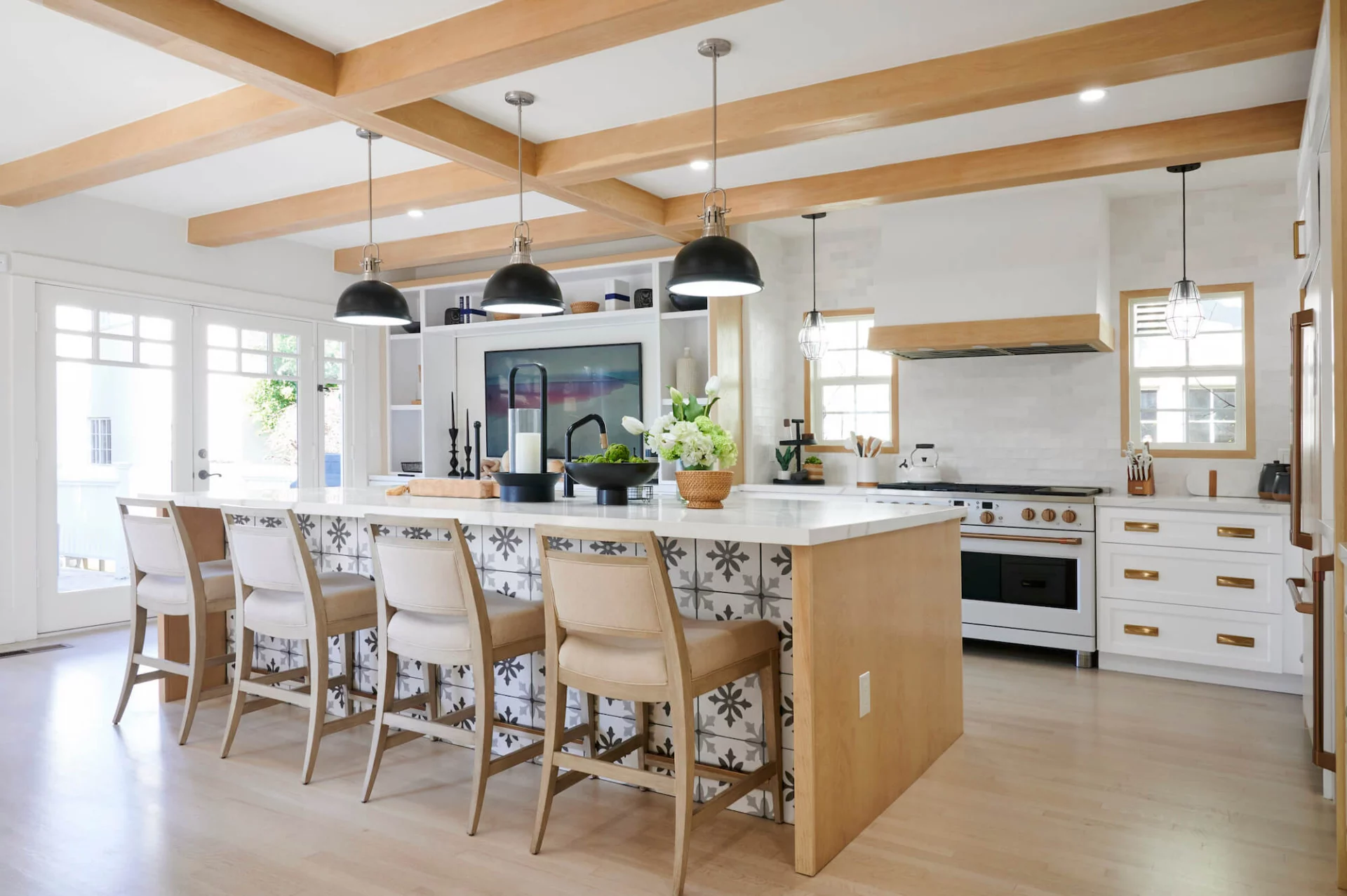





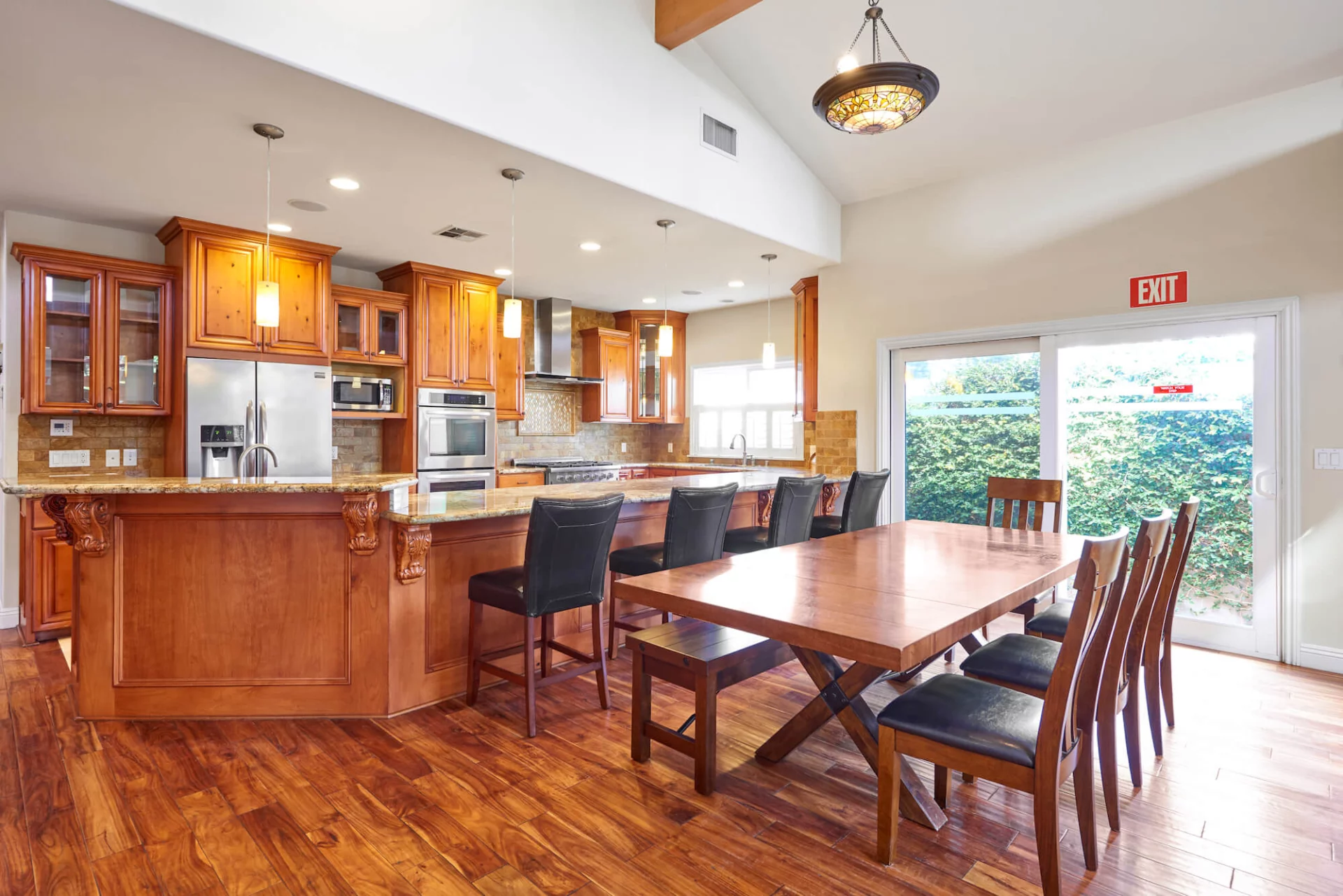






ust steps from the beach, this scenic park features picnic areas, sports courts, and ocean views—perfect for peaceful reflection or spending quality time with others. 100 Main St, Newport Beach, CA 92661
Read More…
Understanding the Experience of Sober Living Home Residence
Residing in a sober home mirrors many aspects of rehabilitation facilities, though residents maintain employment or educational pursuits alongside financial autonomy. Group meetings and support systems remain integral components, yet freedom to enter and leave the facility exists at will. Curfews, zero-tolerance policies regarding alcohol and substances, plus additional regulations ensure residents flourish within a nurturing, constructive atmosphere.
Halfway houses represent another term for sober living environments since they mark the midpoint of recovery progression. Beyond merely cohabiting with recovering housemates, these facilities bridge the gap between structured rehabilitation and complete independence. Compared to rehab programs, sober living offers reduced structure while providing superior guidance than returning to unmonitored home environments. Essential life competencies are developed through these programs before residents transition to independent living, including:
- SECURING EMPLOYMENT OPPORTUNITIES
- LOCATING POST-TREATMENT HOUSING
- MAINTAINING HOME SOBRIETY
- DEVELOPING INTERPERSONAL ABILITIES
- REBUILDING FAMILY CONNECTIONS
- ESTABLISHING SUPPORT NETWORKS
- CONTROLLING ADDICTION TRIGGERS
- CONTINUING EDUCATIONAL PURSUITS
Distinguishing Sober Living from Halfway Houses
Both sober living facilities and halfway houses function as residential support systems for individuals recovering from addiction. Despite sharing common characteristics, significant distinctions exist between these community types.
Recovery-focused environments known as sober living homes primarily serve individuals who have finished formal addiction treatment programs while working toward autonomous living and sustained sobriety. Greater independence characterizes these facilities compared to halfway houses, offering flexible curfews, visitor policies, and technology access. Sobriety maintenance, group participation, household contribution, and financial responsibility represent core expectations for residents.
Court-mandated treatment programs often incorporate halfway houses, which feature increased structure and supervision. These facilities typically accommodate individuals completing residential treatment who require enhanced support during community reintegration. Stricter regulations govern halfway house residents, encompassing mandatory curfews and regular drug screenings.
Service provision and support levels distinguish sober living homes from halfway houses significantly. Although both environments may provide counseling access and support group opportunities, halfway houses frequently deliver intensive therapy and medical services targeting specific mental health requirements.
Ultimately, both residential options create supportive, secure environments enabling recovery-focused individuals to establish foundations for healthy, fulfilling sober lives. Choosing between these options depends on individual circumstances, specific needs, and required support levels for maintaining sobriety.
- Securing Employment Opportunities
- Locating Post-Treatment Housing
- Maintaining Home Sobriety
- Developing Interpersonal Abilities
- Rebuilding Family Connections
- Establishing Support Networks
- Controlling Addiction Triggers
- Continuing Educational Pursuits
Advantages of Choosing Sober Living
Constructive Living Environment
Individuals recovering from substance dependencies frequently reevaluate personal relationships and friendships, discovering many connections centered around substance use. Continuing recovery within sober living facilities surrounds residents with sobriety-committed peers embracing substance-free lifestyles. Support, accountability, and encouragement from fellow residents provide invaluable assistance during this challenging recovery transition.
Comprehensive Support Services
Early recovery stages often present difficulties transitioning from structured residential treatment to complete independence. Sober living environments provide house managers overseeing daily operations while other residents offer assistance throughout the journey toward independent sober living.
Qualified Professional Staff
Sober living communities employ thoroughly vetted, credentialed staff members, ensuring robust support system confidence. These professionals may facilitate connections with additional licensed, accredited specialists relevant to individual recovery journeys.
Reduced Relapse Probability
Pursuing recovery’s challenging transitional phase within sober living environments may decrease relapse likelihood before recovery gains momentum. Addiction represents a chronic, relapsing brain disorder with relapse rates between 40% and 60% comparable to other chronic health conditions. Enhanced sustained sobriety chances await through Gratitude Lodge’s California sober living programs.

Duration of Sober Living Residence
Typical sober living stays average 90 days, though extended arrangements accommodate individual needs. Those anticipating difficulty maintaining sobriety in home environments post-rehabilitation, or facing family negativity regarding recovery, find sober living facilities excellent solutions for staying committed. Professional guidance within these environments assists residents navigating significant life changes while determining appropriate stay duration.
Active recovery pursuit, community rule adherence, and financial obligation fulfillment allow indefinite residence within sober living communities. Recovery experiences from substance dependencies vary uniquely among individuals, prompting the finest sober living communities to adopt flexible approaches accommodating these differences.

Insurance Coverage for Sober Living Facilities
Rent payment and chore completion represent standard requirements for sober living residents. Generally, insurance coverage excludes sober living homes since government classification doesn’t recognize them as treatment facilities. This exclusion stems from sober living homes not providing treatment services like rehabilitation centers. Despite apparent disadvantages, rent responsibilities help residents maintain responsible financial practices.
Outpatient rehabilitation programs attended during sober living residence may qualify for insurance coverage. Certain insurance policies limit care provider choices or require cost contributions. Expenses depend on policy deductibles and co-payment requirements. Treatment facilities typically assist in determining insurance eligibility for outpatient rehabilitation services.

California’s Sober Living Options
California sober living opportunities have gained popularity among addiction recovery individuals. These environments typically offer supportive, structured spaces facilitating transitions toward independent living while actively maintaining sobriety.
Services and amenities available through California sober living facilities may include:
- Individual and group counseling service access
- 12-step program and recovery support group connections
- Educational service provisions
- Vocational development opportunities
- Employment assistance programs
Specialized programs for co-occurring mental health disorders or unique needs may be offered by certain California sober living communities.
Beyond these services, California sober living homes help individuals recovering from substance dependencies form meaningful peer relationships while accessing enjoyable sober activities and wellness-promoting resources encouraging personal development.
Most California sober living communities feature locations with convenient nature access, supporting residents in embracing thriving rather than merely surviving sober lifestyles.
Note: California sober living terminology refers to specific sober living environments prevalent in California that have gained worldwide popularity. This concept allows addiction recovery individuals to maintain sober lifestyles while permitting responsible, controlled marijuana use in legalized states. Those developing marijuana dependencies should contact Gratitude Lodge in Southern California for evidence-based treatment approaches.
CALIFORNIA SOBER LIVING FREQUENTLY ASKED QUESTIONS
Those interested in exploring California sober living options can reference our most commonly received questions at Gratitude Lodge in Southern California.
Defining sober living terminology
Sober living terminology generally describes drug-free, alcohol-free lifestyle choices. This term primarily applies to individuals recovering from substance dependencies. Conscious decisions to abstain from substances typically characterize sober living, frequently involving active recovery work through counseling, support groups, or therapeutic interventions. Within sober living home contexts, this term specifically describes living environments designed supporting recovery through substance-free spaces featuring structured, supportive communities. House rules and guidelines encourage sober behaviors while preventing relapse, requiring residents to maintain sobriety during residence. Important transitional recovery steps often involve sober living for those completing inpatient treatment programs while transitioning toward everyday living situations.
Experiencing sober life outcomes
Sober life experiences can positively impact physical, emotional, and social wellness. Examples of sober living benefits include:
- Enhanced physical wellness: Substance cessation allows bodily recovery from adverse substance abuse effects. Better sleep, increased energy, and improved overall physical health may result.
- Superior mental health: Substance abuse negatively impacts mental wellness, contributing to depression, anxiety, and other mental health conditions. Sober living may improve mental health, increase emotional stability, and enhance overall well-being.
- Reinforced relationships: Addiction strains friendships and family connections. Sober living enables relationship rebuilding and formation of healthy, non-substance-based connections.
- Enhanced productivity: Substance abuse interferes with work performance and productivity. Sober living may increase motivation, focus, and productivity, improving workplace performance.
- Better financial stability: Addiction expenses create financial difficulties for many individuals struggling with substance abuse. Sober living can improve financial stability and security.
Feelings associated with sober living
Sober living feelings vary among individuals depending on substance abuse history, sobriety duration, and specific sobriety maintenance challenges. Common recovery experiences during sober living include:
- Mental clarity: Increased mental clarity represents commonly reported sobriety benefits. Without substance influences, minds feel clearer with improved goal and priority focus.
- Enhanced mood: Happier, more positive feelings following sobriety achievement and maintenance are frequently reported. Substance abuse-associated mood swings and emotional issues can be stabilized through sober living, promoting positive emotions.
- Elevated energy: Substance abuse causes physical drain, triggering fatigue and lethargy. Sobriety may increase energy levels and enhance physical well-being sensations.
- Greater confidence: Sobriety achievement represents major accomplishments, with many individuals reporting pride and confidence extending positively into daily life.
Explaining sober living houses
Sober living houses, also called sober living communities, are residential settings where individuals recovering from substance dependencies live in safe, supportive environments with peers undergoing recovery journeys committed to sobriety. Transitional steps for people completing inpatient treatment programs who aren’t ready for everyday living often involve sober living houses. Structured, substance-free environments with house rules and guidelines help residents maintain sobriety while developing life skills supporting recovery. House managers typically oversee daily operations and enforce house rules within sober living houses. Active recovery participation usually represents resident requirements, involving outpatient therapy sessions or peer support group meetings. Household chore and responsibility sharing expectations also apply to residents. Addiction treatment isn’t provided by sober living homes, and these communities don’t substitute for rehabilitation programs.