About Us
 Meet Our Team
 Our Facilities
 Videos
 Newsroom
 FAQ
FAQ Blog
Blog
 Newport Beach

 Long Beach


 Meth Rehab
 Outpatient Rehab
 IOP Rehab
 Virtual IOP
 PHP Rehab
 LGBTQ Friendly Rehab
 Device Friendly Rehab
 Pet Friendly Rehab
 Couples Drug Rehab
 Reiki Therapy
 Holistic Addiction Therapy
 Addiction Therapy
 Group Addiction Therapy
 EMDR Therapy
 CBT Therapy
 Mood Disorder Treatment
 Panic Disorders/Drinking Problems Treatment
 Addictive Personality Disorder Treatment
 Hyperfixation Treatments
 Hyper Independence Treatment
 Check My Insurance
 Rehab Insurance Coverage
 Financing Options
 Cigna
Cigna



















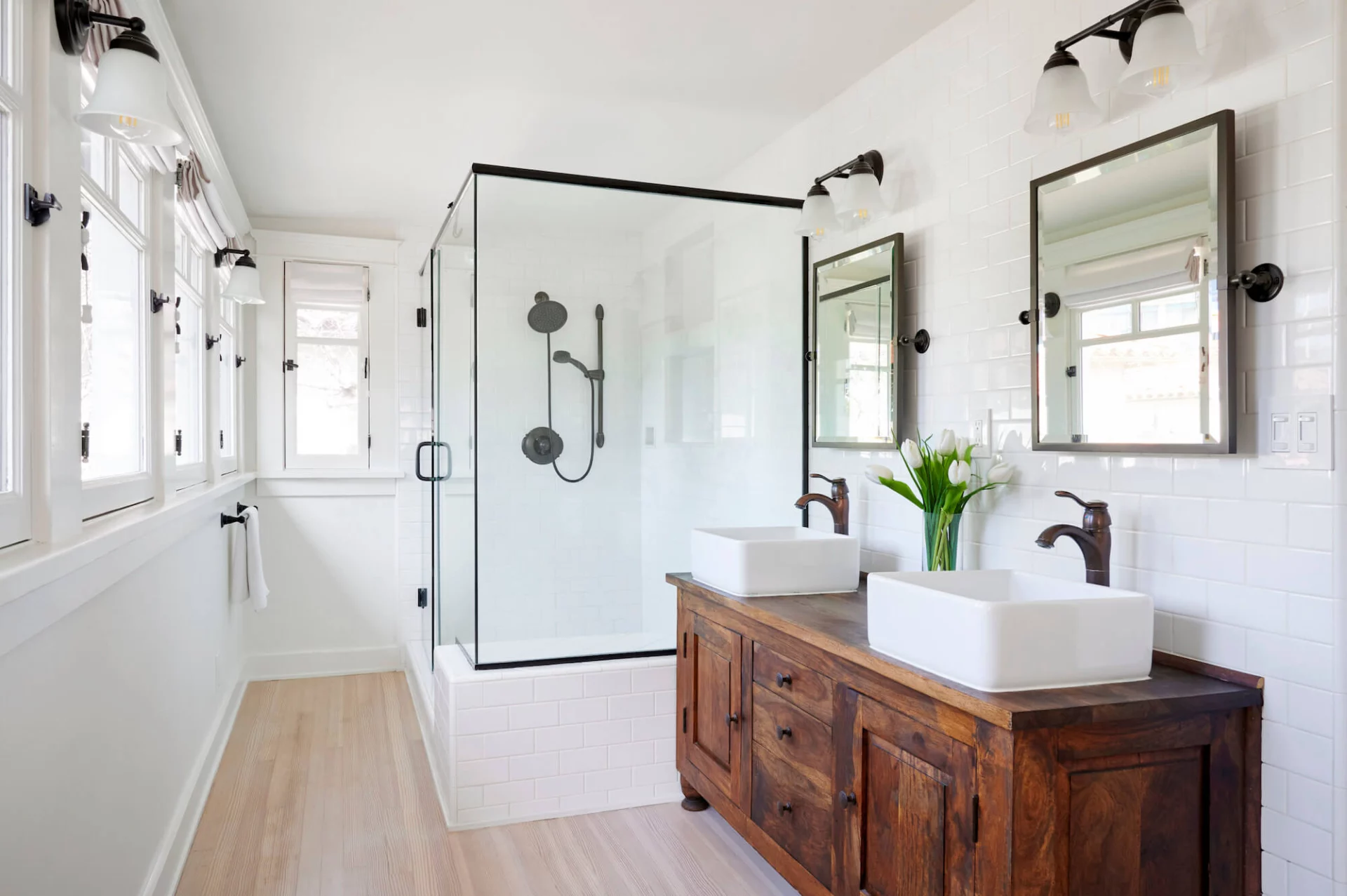


ust steps from the beach, this scenic park features picnic areas, sports courts, and ocean views—perfect for peaceful reflection or spending quality time with others. 100 Main St, Newport Beach, CA 92661
Dual-Partner Substance Abuse Treatment: Simultaneous Recovery for Couples and Their Relationships
Couples seeking drug rehabilitation services together often face both individual addiction struggles and severely damaged relationship foundations. Toxic behavioral cycles develop as substance dependency fuels continuous arguments, creates emotional barriers, and establishes destructive patterns where trust erodes and must be painstakingly restored. Recovery programs specifically designed for partnerships enable each person to pursue individual healing objectives while concurrently working on relationship restoration. Comprehensive couples drug rehab provides structured therapeutic approaches that support sobriety development alongside strengthened partnership communication.
Understanding Partnership-Focused Recovery Benefits
Addiction’s impact extends far beyond a single person within romantic partnerships. Shared living environments, interconnected daily habits, and collective stressors can significantly increase relapse vulnerability without appropriate professional guidance. Comprehensive couples treatment involves thorough individual assessments for both partners followed by customized therapeutic interventions. Joint counseling sessions emphasize trust rebuilding, improved communication strategies, and identifying relationship-specific addiction triggers. These holistic approaches minimize destructive blame cycles while encouraging shared accountability.
Building Structure Through Collaborative Support Networks
Relationship-centered drug treatment initiatives create structured daily schedules that substitute harmful behaviors with constructive lifestyle patterns. Individual therapeutic sessions build personal resilience and relapse prevention capabilities, while joint counseling improves conflict resolution and emotional support mechanisms. Peer support groups and educational workshops further strengthen recovery commitment. Mastering stress management without substance dependency becomes a shared goal benefiting both partners equally.
Creating Long-Term Recovery Partnerships
Maintaining sobriety requires continuous commitment and transparent communication between romantic partners. Recovery programs guide couples toward developing coordinated relapse prevention plans and establishing protective boundaries that support sustained healing. Ongoing outpatient care or structured follow-up services help preserve therapeutic gains beyond initial treatment phases. By addressing addiction and relationship challenges simultaneously, couples drug rehab assists partners in rebuilding stability, restoring trust, and creating stronger relational foundations.