Why I should relocate for rehab?


Our rehab centers help men, women who are struggling with addictions, substance abuse and co-occurring disorders.
800-692-9850


Why I should relocate for rehab?

Why I should relocate for rehab?


Why I should relocate for rehab?

Access personalized Virtual IOP at a leading treatment provider that delivers evidence based therapy and clinical oversight while allowing individuals to remain connected to daily responsibilities.
Comprehensive virtual IOP services in California deliver organized therapeutic support for people managing substance use and mental health challenges simultaneously. Overwhelming feelings emerge when emotional struggles and addictive behaviors create reinforcing patterns that destabilize recovery efforts. Targeted online programming breaks these destructive cycles while rebuilding clarity stability and daily functioning through evidence-based interventions. Through regular clinical supervision, people in California can regain personal control without sacrificing work or family obligations.
Through Gratitude Lodge, Virtual IOP services in California deliver licensed outpatient programming via secure telehealth platforms and personalized treatment planning. Professional clinicians target both substance use disorders and co-occurring mental health conditions through flexible yet structured therapeutic environments.
Clinical programming follows established treatment standards from the District Behavioral Health group.
Explore comprehensive Virtual IOP programming options available in California below.
Life is demanding, and substance abuse only makes it worse, but what do you do if you aren’t able to leave work, school, or your daily duties in order to attend a rehab program? Many people across the country struggling with addiction get discouraged because they think they won’t be able to find treatment that fits their lives.
If you don’t know if you’re afraid that you’ll have to neglect your life in order to get addiction treatment, you’re not alone.
This fear is so common that there’s been an uptick in Virtual Intensive Outpatient Programs (Virtual IOPs), which provide meaningful structure without requiring in-person attendance. There are approximately 106 treatment centers offer virtual or hybrid IOP services, allowing clients to receive consistent therapeutic care from the comfort of their homes.
For individuals who may need additional stability before entering virtual care, 27 residential programs offer a supportive place to reset. Many clients transition to Virtual IOP after residential care, using it as a bridge to maintain accountability and structure as they reintegrate into daily life. However, addiction treatment isn’t one-size-fits-all, and quality of care can vary from facility to facility.
If you’re considering Virtual IOP options in California, view our top-rated facilities for our addiction and mental health treatment programs, which offer guidance and comprehensive individualized treatment options to help you move forward with care and understanding.
You don’t have to heal alone. We’re here for you every step of the way.
For some, the biggest question is not whether to go to treatment, but whether they can afford it. Affordability plays a major role when choosing a Virtual Intensive Outpatient Program, especially for clients who need immediate access to care.
If you’re unsure whether or not you’ll be able to afford addiction treatment, you’re not alone.
Across California, around 39 programs accept private insurance for virtual or hybrid IOP services. This gives individuals the opportunity to prioritize healing without carrying the pressure of overwhelming costs.
Virtual IOP often includes weekly individual therapy, virtual groups, mindfulness practices, crisis-prevention planning, and personalized treatment goals—designed to fit naturally into the rhythm of everyday life. For many people, the ability to receive real support without disrupting work or family responsibilities becomes a meaningful part of long-term recovery.
If you’re considering Virtual IOP programs in California, view our top-rated facilities for our addiction and mental health treatment programs, which offer guidance and comprehensive treatment options to help you move forward with care and understanding.
We’re here to support you every step of the way. Remember—you deserve a fresh start.
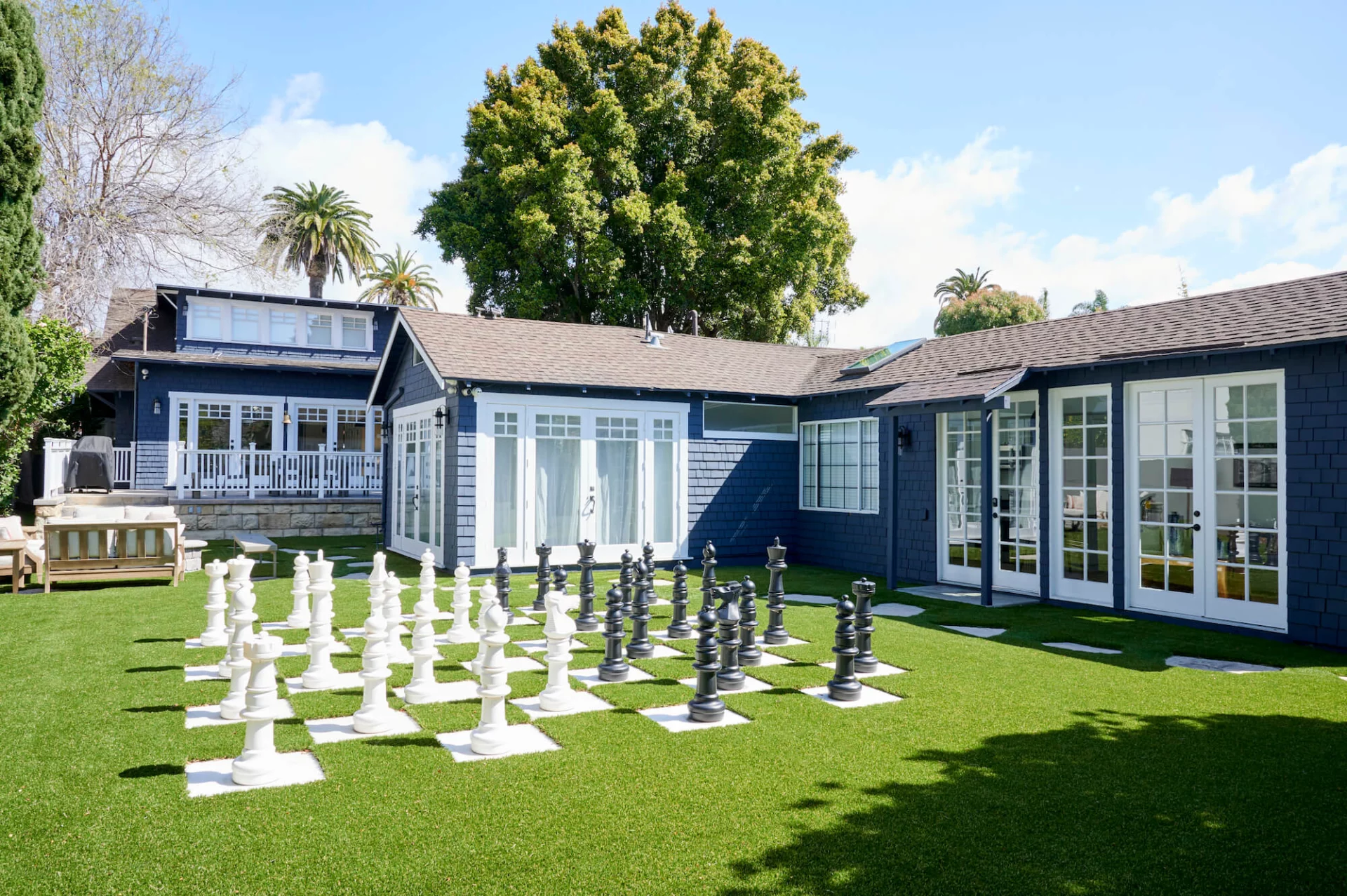
Our clean and modern facilities are located near beautiful beaches and a thriving sober community. Clients enjoy easy access to local hiking spots, beaches, restaurants & more nearby.
Lives Treated
Licensed Professionals
States Served
Verified Reviews
Rehab Admission Process: Step-by-Step |
|
|---|---|
| Step 1 | Share your story: Connect with us and let us understand your background, challenges, and goals for recovery. |
| Step 2 | Complete a simple pre-screening: Answer a few questions so we can assess your needs and coverage. |
| Step 3 | Get your personalized treatment plan: We’ll recommend the program best suited to your situation and goals. |
| Step 4 | Coordinate your journey: Our team helps you arrange travel, admissions details, and next steps. |
| Step 5 | Begin your recovery: Arrive at your chosen facility and start the healing process with confidence. |
Gratitude Lodge Accreditations & Licenses |
|
|---|---|
| JCO | 2025 Registered |
| DHCS | 2025 Registered |
| LegitScript | 2025 Registered |
| AMFT | 3 |
| APCC | 1 |
| ASW | 1 |
| B.S. | 1 |
| CADC 1 | 1 |
| CADC-II | 1 |
| LMFT | 1 |
| LMHC | 1 |
| Ph. D | 1 |
| RADT | 3 |
| SUDCC II | 1 |
| SUDRC | 2 |
| Staff Member | Position Title | Certification and/or Master |
|---|---|---|
| Alina Nejadian | Clinical Director | LMFT |
| Dr. Matthew D’urso | Clinical Director (RR FL) | Ph. D |
| Brooke Whitfield-Fattovich | Clinical Therapist (RR FL) | LMHC |
| Caitlin Garcia | Program Director | CADC-II |
| Krista Muldoon | Therapist | AMFT |
| Erika Reitz | Therapist | AMFT |
| Valanda German | Therapist | APCC, AMFT |
| Tonya Parker | Therapist | ASW |
| Ricky Albillar | Case Manager | SUDCC II |
| Marcus Harper | Case Manager | RADT |
| Jon Bacak | Case Manager | SUDRC |
| Carey Yath | Case Manager | RADT |
| Kayla Matino | Operations Manager | CADC 1 |
| Leah McGuire-Berning | Operations Lead | RADT |
| Chance Lyons | Operations Support | SUDRC |
| Alijah Lott | Human Resources Coordinator | B.S. |
Addictions Gratitude Lodge Treats | ||||
|---|---|---|---|---|
Drug Rehab Therapies | What They Are |
|---|---|
| Helps individuals recognize and change negative thought patterns that drive addictive behaviors. | |
| Teaches emotional regulation, mindfulness, and coping skills to manage distress and improve relationships. | |
| Encourages self-motivation by exploring personal goals and reducing ambivalence about change. | |
| Uses incentives and rewards to reinforce positive behaviors like staying sober. | |
| Provides structured peer support rooted in the principles of Alcoholics Anonymous and similar programs. | |
| Uses guided eye movements to process and heal trauma linked to substance use. | |
Involves loved ones in the recovery process to improve communication and repair relationships. | |
Provides peer support, accountability, and shared learning in a guided therapeutic setting. | |
Incorporates practices like yoga, meditation, art, and music to heal mind, body, and spirit. | |
Addresses the role of past trauma in addiction and helps build healthy coping strategies. | |
Combines FDA-approved medications with counseling to reduce cravings and withdrawal symptoms. |
Throughout California, Virtual IOP delivers optimal results when substance use disorders and mental health conditions receive integrated treatment within comprehensive online programming. Evidence demonstrates that sustainable recovery emerges when therapeutic interventions address emotional wellness, psychological stability, and everyday life skills together with addiction treatment. Mental health challenges like trauma, anxiety, depression, and persistent stress elevate the likelihood of relapse without proper clinical attention. Combining these therapeutic elements within Virtual IOP establishes a more robust framework for sustained recovery.
Within California, Gratitude Lodge integrates Virtual IOP into comprehensive outpatient addiction services focused on recovery development and enduring stability. Such systematic methodology ensures individuals stay connected, handle triggers successfully, and advance toward continued growth, with treatment protocols meeting standards endorsed by the District Behavioral Health group.
Within the 1st year of sobriety. Most people struggling with substance use disorder who do not get treatment relapse within months.
Gratitude Lodge uses addiction therapies that are backed by latest science in addiction treatment and are administered by our expert clinicians.
CBT helps individuals identify and change negative thought patterns and behaviors that contribute to addiction and mental health challenges. By learning practical coping strategies, clients gain healthier ways to manage stress and triggers in daily life.
DBT focuses on building emotional regulation, mindfulness, and interpersonal effectiveness skills. It is especially effective for those dealing with intense emotions, self-destructive behaviors, or co-occurring mental health conditions.
MAT combines FDA-approved medications with counseling and behavioral therapies to treat substance use disorders. This approach reduces cravings and withdrawal symptoms, helping clients stay engaged in recovery.
These sessions create a supportive environment where clients can share experiences, build communication skills, and strengthen relationships. Family involvement helps repair trust, improve understanding, and create a healthier foundation for recovery.
Starting your journey toward recovery at Gratitude Lodge is simple, fast, and fully supported. We offer same-day and next-day admissions, because when you’re ready to get help, there shouldn’t be any delays. Walk-ins are also welcome—we’re here when you’re ready to take that first step. From the moment you reach out, our compassionate admissions team will guide you through every part of the process, from insurance verification to creating a personalized treatment plan tailored to your needs. Our goal is to make the process stress-free, so you can focus on what matters most: your healing and recovery.
A supervised medical process that manages withdrawal symptoms to prepare individuals for ongoing treatment.
A live-in program that delivers intensive, round-the-clock care and therapy to address substance use or mental health disorders in a structured setting.
A flexible treatment option offering several hours of therapy per week while allowing clients to maintain daily responsibilities.
Ongoing support and resources that help individuals maintain long-term sobriety and stability after completing formal treatment.
Starting your journey toward recovery at Gratitude Lodge is simple, fast, and fully supported. We offer same-day and next-day admissions, because when you’re ready to get help, there shouldn’t be any delays. Walk-ins are also welcome—we’re here when you’re ready to take that first step. From the moment you reach out, our compassionate admissions team will guide you through every part of the process, from insurance verification to creating a personalized treatment plan tailored to your needs. Our goal is to make the process stress-free, so you can focus on what matters most: your healing and recovery.
Recovery is possible, and you don’t have to do it alone. Our compassionate team is available 24/7 to answer your questions and help you find the right path
Comprehensive digital therapy programming defines California Virtual IOP as an organized outpatient care model accessed via protected online systems. Participants receive professional counseling, peer support groups, and therapeutic guidance while staying home and managing personal or professional obligations.
Multiple weekly therapy appointments characterize Virtual IOP in California programming structure. Care protocols encompass one-on-one counseling, collective therapy sessions, prevention strategy development, and targeted interventions emphasizing emotional management and sustained recovery outcomes.
Suitable participants for California Virtual IOP include those not requiring medical withdrawal management or continuous monitoring. This option frequently serves individuals transitioning from residential programs or those needing organized therapeutic support within their personal living spaces.
Evidence-based studies demonstrate that Virtual IOP in California achieves comparable outcomes to traditional face-to-face outpatient services when clients maintain regular attendance and demonstrate active participation. Professional supervision and systematic programming form essential elements of therapeutic success.
Substance dependency issues, anxiety disorders, depressive conditions, trauma-based concerns, and concurrent psychological health challenges receive attention through California Virtual IOP using comprehensive therapeutic methodologies.
Standard participation in Virtual IOP in California requires roughly 9 to 15 therapeutic hours weekly, distributed across three to five session days based on clinical assessments and individual scheduling preferences.
Absolutely. Personal therapy sessions form part of California Virtual IOP programming combined with group-based interventions. Private sessions concentrate on customized recovery objectives, adaptive techniques, and prevention planning strategies.
Numerous health insurance policies provide benefits for Virtual IOP in California through outpatient mental health provisions. Benefit specifics differ among carriers, with coverage verification typically completed promptly by intake specialists.
Essential equipment includes stable internet access, confidential meeting space, and video-enabled technology like smartphones, tablets, or computers. Protected communication systems ensure participant confidentiality and treatment privacy standards.
Individual advancement and therapeutic requirements determine California Virtual IOP program length. Typical programming spans 6 to 12 weeks, with transitional outpatient services or continuing care options provided as clinically indicated.
Detox is the first step of the withdrawal treatment process. Clients will be medically monitored under 24/7 supervision as they go through withdrawal symptoms.
Why I should relocate for rehab?


Our rehab centers help men, women who are struggling with addictions, substance abuse and co-occurring disorders.
800-692-9850


Why I should relocate for rehab?

Why I should relocate for rehab?


Why I should relocate for rehab?