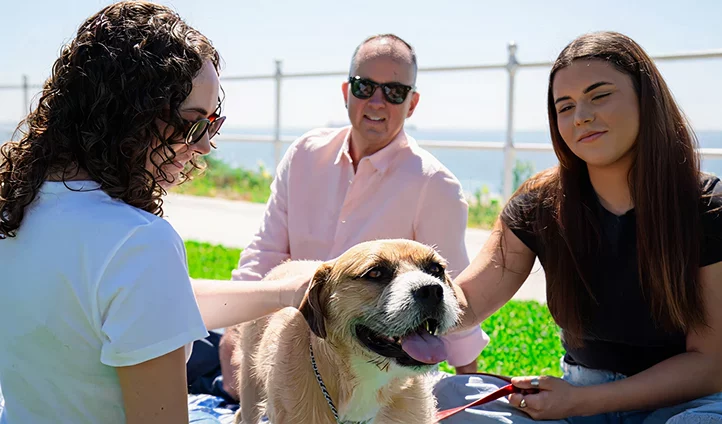























Addiction Treatment That Welcomes Your Pet: Recovery Without Separation Anxiety
Many individuals avoid seeking addiction treatment due to concerns about their beloved pets. For countless people, companion animals provide emotional support, stability, and daily structure. Anxiety surrounding pet separation frequently becomes an obstacle to pursuing recovery. Pet-friendly residential treatment enables clients to concentrate on healing while maintaining peace of mind about their animal’s welfare.
Managing Anxiety Through Pet Companionship
Entering addiction treatment often feels daunting and uncertain. Mood fluctuations, lifestyle changes, and apprehension about unfamiliar situations commonly emerge during initial phases. Worries regarding a pet’s safety can intensify these challenges. Permitting qualified animals to remain alongside the individual can minimize stress and enhance participation in therapeutic activities. Achieving emotional stability strengthens commitment to counseling, group discussions, and program involvement.
Clinical Excellence Meets Compassionate Accommodation
Pet-inclusive programs maintain identical clinical standards as conventional residential rehab. Daily routines incorporate individual counseling, peer-led groups, and evidence-based relapse strategies. Facility policies safeguard animal welfare, maintain cleanliness standards, and establish accountability expectations. Caring for a companion animal while pursuing recovery reinforces personal responsibility, daily structure, and commitment to change.
Building Durable Recovery Foundations
Achieving lasting sobriety requires developing resilient coping mechanisms and constructive behavioral patterns. Pet-inclusive treatment strengthens this foundation through emotional encouragement without compromising therapeutic rigor. Individuals acquire practical techniques for managing urges, processing emotions, and building relapse prevention strategies. Following residential completion, ongoing therapy or transitional support programs help solidify gains. Through merging intensive clinical care with pet-friendly policies, individuals can commence recovery with enhanced motivation and confidence.