About Us
 Meet Our Team
 Our Facilities
 Videos
 Newsroom
 FAQ
FAQ Blog
Blog
 Newport Beach

 Long Beach


 Meth Rehab
 Outpatient Rehab
 IOP Rehab
 Virtual IOP
 PHP Rehab
 LGBTQ Friendly Rehab
 Device Friendly Rehab
 Pet Friendly Rehab
 Couples Drug Rehab
 Reiki Therapy
 Holistic Addiction Therapy
 Addiction Therapy
 Group Addiction Therapy
 EMDR Therapy
 CBT Therapy
 Mood Disorder Treatment
 Panic Disorders/Drinking Problems Treatment
 Addictive Personality Disorder Treatment
 Hyperfixation Treatments
 Hyper Independence Treatment
 Check My Insurance
 Rehab Insurance Coverage
 Financing Options
 Cigna
Cigna



















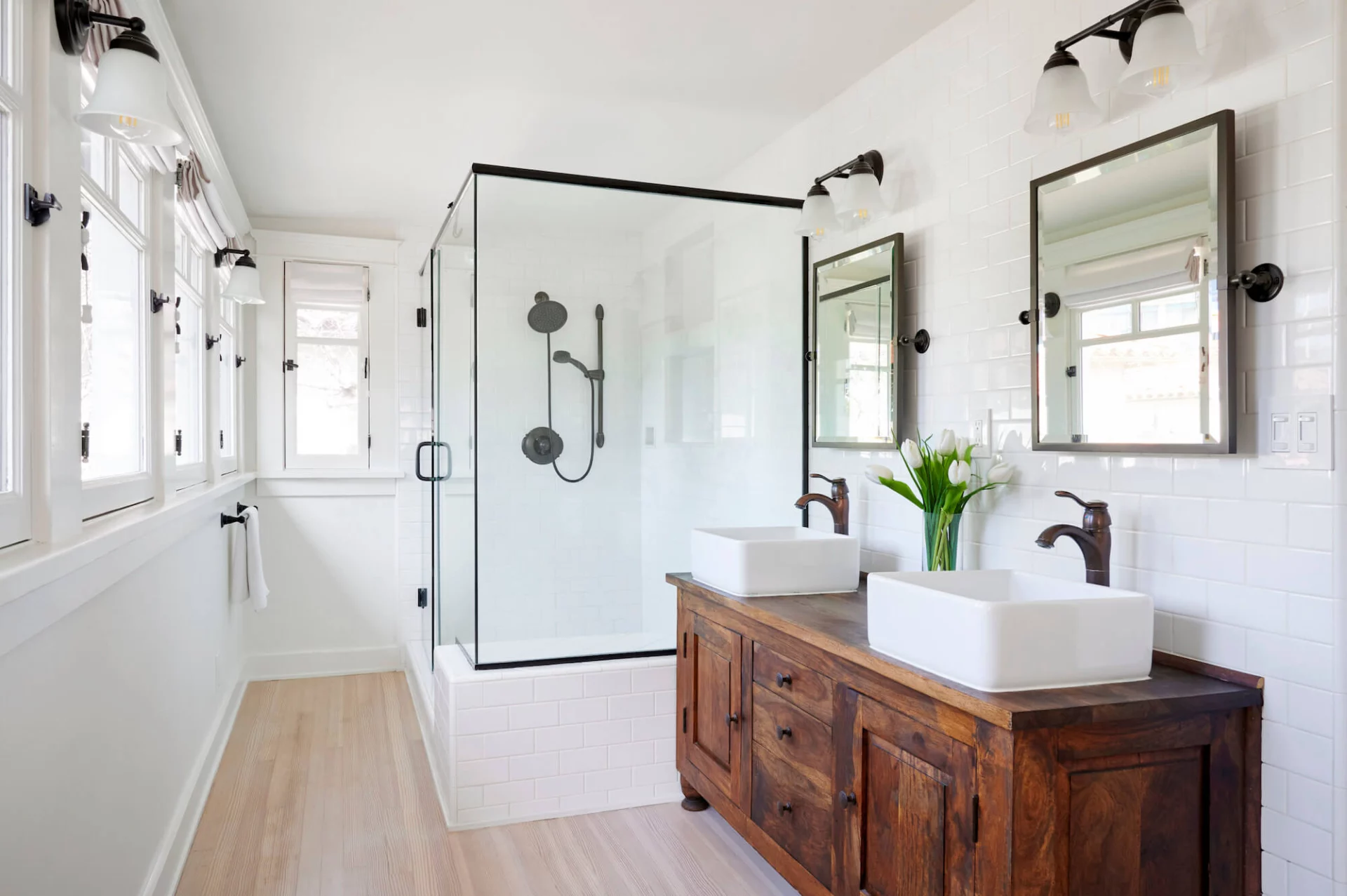



ust steps from the beach, this scenic park features picnic areas, sports courts, and ocean views—perfect for peaceful reflection or spending quality time with others. 100 Main St, Newport Beach, CA 92661
Pet-Friendly Recovery Solutions: Treatment Programs Designed for You and Your Cherished Animal
Revolutionary rehab facilities now offer pet-inclusive options for individuals hesitant to pursue treatment due to separation concerns from their treasured companion. Numerous people discover their animals provide crucial emotional support, grounding, and comfort during challenging periods. Fear of leaving beloved pets behind often becomes a major barrier preventing treatment entry. Specialized facilities now accept qualified pets within their therapeutic residential settings, allowing participants to focus entirely on healing without additional emotional distress.
Reducing Stress During Critical Early Recovery Stages
Beginning recovery typically involves intense emotions and substantial uncertainty. Dramatic life changes, psychological turbulence, and fear of the unknown commonly define these pivotal initial weeks. Worries about a companion animal’s wellbeing during treatment can amplify these difficulties and impede therapeutic progress. Qualified pets staying alongside their owners can dramatically reduce anxiety levels while improving treatment engagement. Enhanced emotional equilibrium usually results in deeper involvement in both personal counseling and group therapeutic activities.
Complete Clinical Care Within Proven Treatment Models
Pet-inclusive treatment centers uphold identical professional standards found in traditional rehabilitation programs. Structured schedules include personal therapy appointments, collaborative counseling sessions, and thorough relapse prevention education. Strict guidelines ensure safety protocols, cleanliness requirements, and responsible animal care throughout the treatment environment. Participants remain fully responsible for their recovery progress while simultaneously tending to their pet’s needs, which strengthens accountability and establishes healthy routine patterns.
Establishing Foundations for Sustainable Recovery Achievement
Enduring sobriety depends on cultivating strong adaptive skills and maintainable wellness practices. Pet-friendly treatment facilitates this growth by providing emotional reassurance while maintaining complete clinical excellence. Participants develop crucial abilities for craving management, emotional balance, and relapse prevention within this supportive setting. Continued outpatient services or transitional housing options may further solidify these improvements after residential program completion. By combining thorough addiction treatment with compassionate pet inclusion, these programs allow people to begin recovery with greater assurance and emotional steadiness.