About Us
 Meet Our Team
 Our Facilities
 Videos
 Newsroom
 Scholarship
 FAQ
FAQ Blog
Blog
 Meth Rehab
 Outpatient Rehab
 IOP Rehab
 Virtual IOP
 PHP Rehab
 LGBTQ Friendly Rehab
 Device Friendly Rehab
 Pet Friendly Rehab
 Couples Drug Rehab
 Reiki Therapy
 Holistic Addiction Therapy
 Addiction Therapy
 Group Addiction Therapy
 EMDR Therapy
 CBT Therapy
 Mood Disorder Treatment
 Panic Disorders/Drinking Problems Treatment
 Addictive Personality Disorder Treatment
 Hyperfixation Treatments
 Hyper Independence Treatment
 Check My Insurance
 Rehab Insurance Coverage
 Financing Options
 Cigna
Cigna















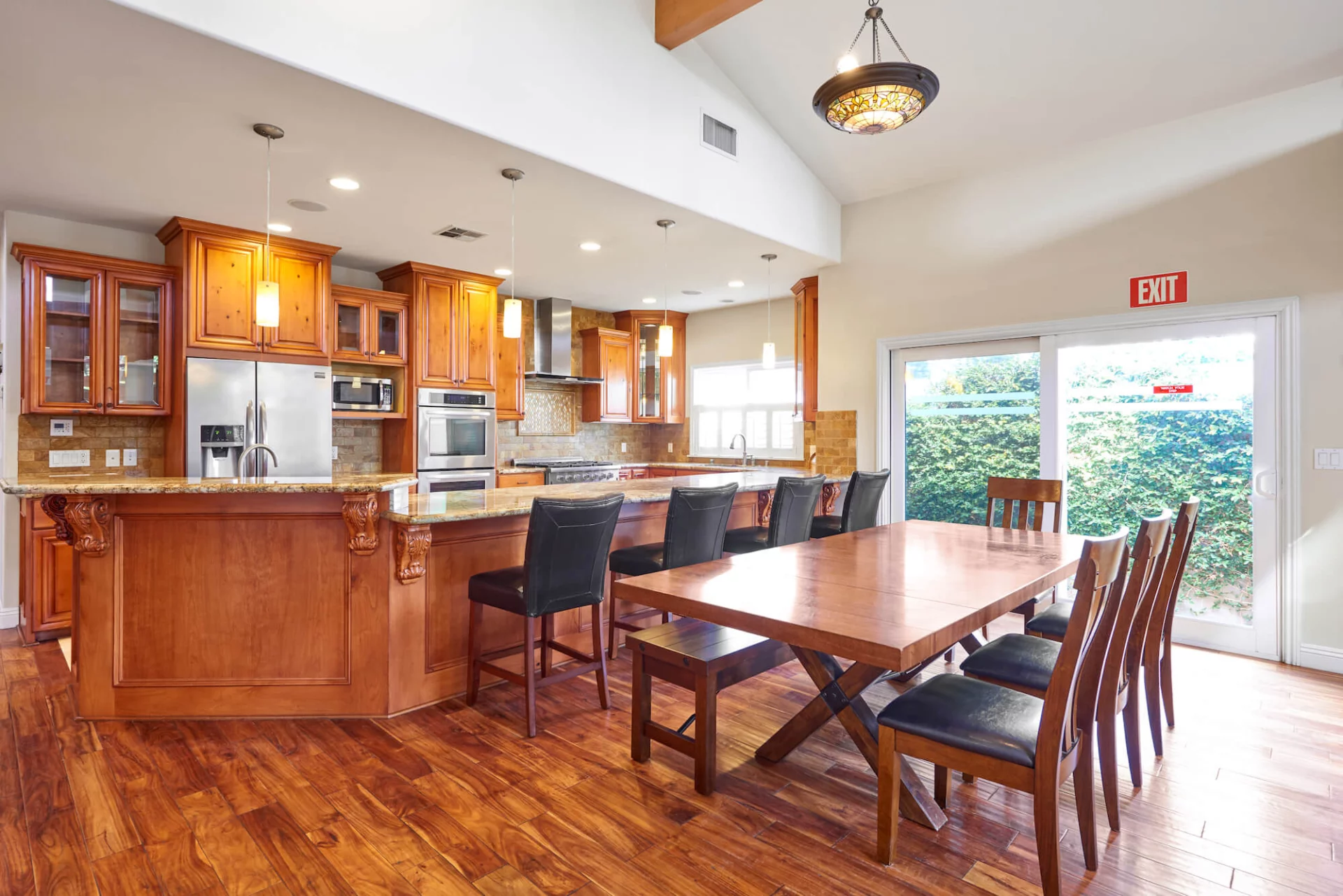







ust steps from the beach, this scenic park features picnic areas, sports courts, and ocean views—perfect for peaceful reflection or spending quality time with others. 100 Main St, Newport Beach, CA 92661
DBT Applications and Therapeutic Uses
Transformative treatment methodology, dialectical behavior therapy assists people struggling with emotion regulation challenges and developing healthier emotional coping mechanisms.
Outstanding success rates demonstrate DBT’s efficacy across various mental health diagnoses, including BPD (borderline personality disorder), self-harm behaviors, suicidal thoughts, PTSD (post-traumatic stress disorder), substance abuse disorders (addictions), binge eating disorder, bulimia, depression, and anxiety conditions.
Uniquely comprehensive in methodology, DBT addresses underlying factors associated with these disorders, often stemming from maladaptive emotional regulation patterns. Within DBT frameworks, individuals learn improved emotional coping techniques, facilitating more fulfilling lives while reducing destructive behaviors.
Critical to therapeutic success, determining appropriate treatment intensity demands professional assessment to evaluate personal needs according to substance abuse severity. Clinical evaluation informs choices between residential or outpatient rehabilitation for addiction recovery, as each approach offers distinct therapeutic frameworks and techniques.
Adaptable care model, outpatient therapy provides clinical interventions on-site while allowing patients to maintain home residency between sessions. Continuous supervision characterizes residential rehabilitation, necessitating facility residency throughout program duration. Supportive research demonstrates addiction therapies effectively serve both outpatient and residential clients, ensuring individuals receive necessary support and recovery resources.
Explore further to learn more about common types of addiction therapy.

Common Questions About Dialectical Behavior Therapy
Significant therapeutic outcomes develop when addiction treatment integrates drug abuse treatment or alcoholism treatment through these vital processes:
What distinguishes CBT from DBT approaches?
What role does emotional regulation play in DBT?
What are the six core principles of DBT?
What are the four core DBT modules?
What are the five main DBT treatment goals?
What is the four miss policy in DBT?
What are the three foundational mind states in DBT?
DBT Treatment Benefits and Advantages
Numerous benefits develop for individuals seeking therapeutic assistance and personal growth through DBT:
Improved emotional regulation
Better interpersonal relationships
Enhanced crisis management and distress tolerance
Cognitive pattern modification
Mindfulness cultivation and self-awareness
Holistic and coordinated approach to personal growth and emotional health, DBT offers individuals vital skills and techniques for more successful life challenge management.
Mental Health Conditions Treated with DBT
Flexible therapeutic method, DBT shows established effectiveness across multiple mental health diagnoses. Various conditions that respond well to DBT treatment include:
Borderline Personality Disorder
Initial development goal of DBT focused on treating individuals with BPD, showing exceptional success in decreasing self-destructive behaviors, improving emotional regulation, and enhancing overall life satisfaction for people with this diagnosis.
Mood-Related Disorders
Positive results occur for individuals with emotional disorders including depression and anxiety through DBT. Emotional regulation resources, distress tolerance skills, and cognitive restructuring offer more effective symptom management and coping strategies.
Self-Harm and Suicidal Behaviors
Documented effectiveness characterizes DBT’s support for individuals participating in self-injury or experiencing suicidal ideation or attempts. Crucial skill provision addresses emotional distress, improves coping strategies, and decreases self-destructive behavioral tendencies.
Substance Use and Addiction
Modified DBT approaches treat individuals battling substance abuse or addiction challenges. Underlying emotional and mental factors contributing to substance use receive focus, while techniques for urge management, emotional regulation, and healthy lifestyle creation are offered.
Eating Disorder Behaviors
Therapeutic application includes DBT for certain eating disorders, especially binge eating disorder and bulimia. Improved emotional coping strategy creation, body image issue resolution, and self-worth enhancement receive attention through this method.
Post-Traumatic Stress Disorder
Supplementary treatment use of DBT assists individuals with PTSD. Overwhelming emotion management, successful trauma-response coping skill creation, and comprehensive emotional wellness enhancement receive priority through this therapeutic method.
Expert Mood Disorder Care at Gratitude Lodge
California-based Gratitude Lodge provides expert treatment for individuals facing mood disorders. Newport Beach and Long Beach treatment facilities offer thorough programs created for mood disorder care and lasting recovery support.
Dedicated professional staff at our center recognizes mood disorder complexity and their daily life effects. Research-backed intervention selection customized to personal needs ensures successful treatment for conditions including depression, anxiety, bipolar disorder, and other diagnoses.
Nurturing and healing environment creation at Gratitude Lodge assists in overcoming mood disorders. Treatment combinations include diverse therapy methods, integrating medication management, DBT, CBT, and other evidence-based approaches.
Comprehensive treatment philosophy directs our mood disorder care, targeting symptoms along with root causes and contributing elements. Treatment incorporation may feature mindfulness training, stress management techniques, lifestyle changes, and healthy coping methods for improved overall wellness.
Care program emphasis includes aftercare and relapse prevention focus. Continued therapy, support groups, and resources help sustain progress and successful everyday life adjustment with effective mood disorder management approaches and techniques.
Prepared individuals or family members seeking thorough mood disorder treatment are invited to contact Gratitude Lodge at 844-576-0144. Understanding admissions counselors offer guidance and assistance for initial steps toward enduring recovery and enhanced emotional wellness achievement.