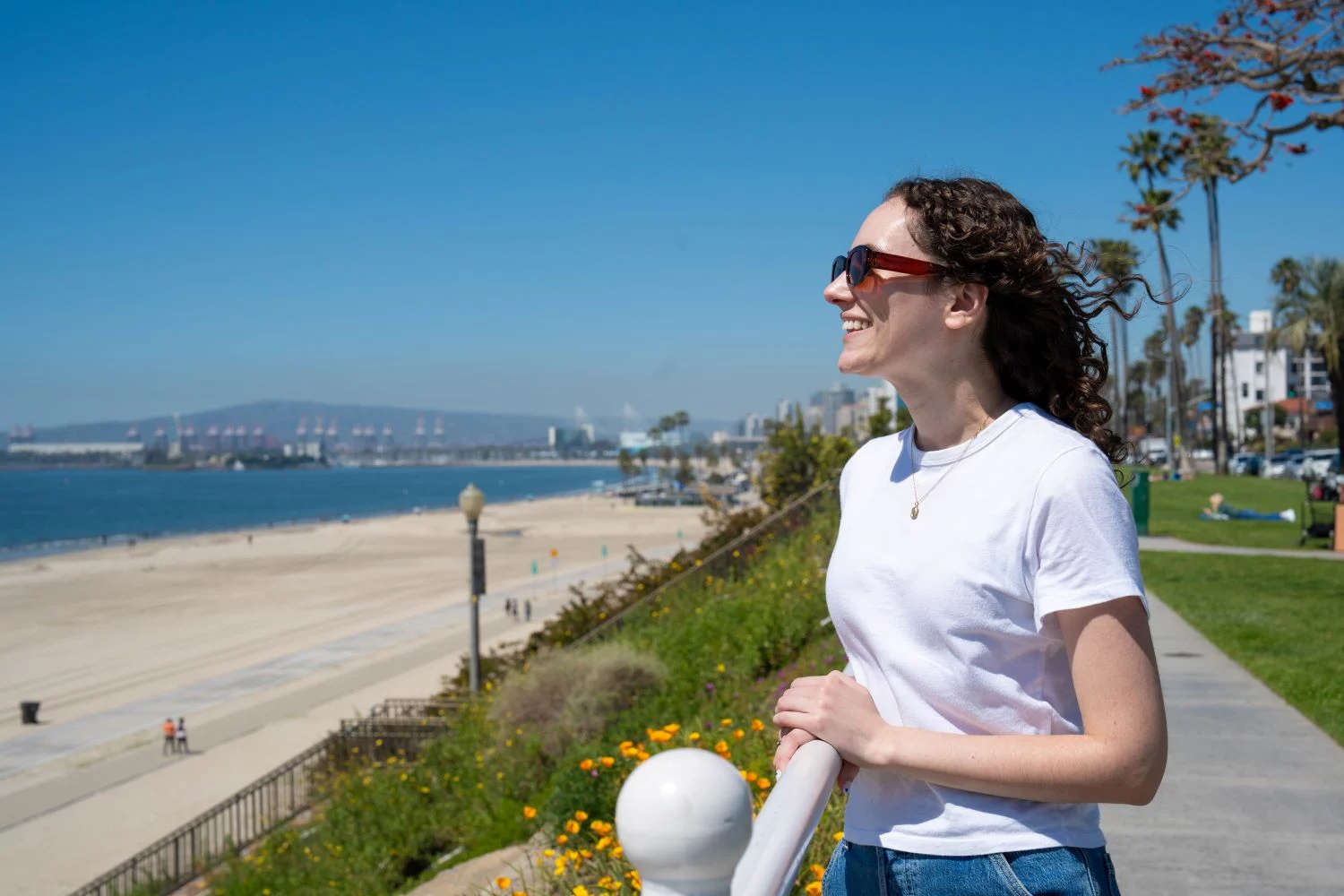
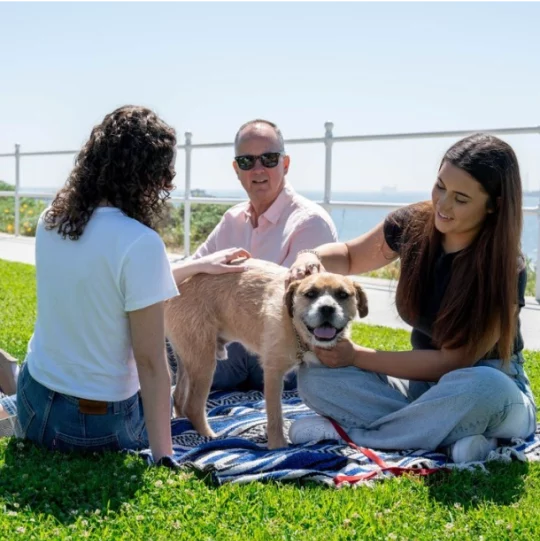
ust steps from the beach, this scenic park features picnic areas, sports courts, and ocean views—perfect for peaceful reflection or spending quality time with others. 100 Main St, Newport Beach, CA 92661

Why I should relocate for rehab?


Our rehab centers help men, women who are struggling with addictions, substance abuse and co-occurring disorders.
800-692-9850


Why I should relocate for rehab?

Why I should relocate for rehab?


Why I should relocate for rehab?

Military service experiences often serve as the foundation for substance use challenges among veterans. Combat exposure, ongoing stress, loss, or difficulties transitioning to civilian life can drive individuals toward alcohol or drugs as coping mechanisms. Independence valued within military culture simultaneously establishes obstacles to requesting help for unresolved trauma, sleep disturbances, or emotional numbness that continues after service ends. Veterans-focused drug rehab provides treatment in settings that acknowledge these distinct challenges while offering support built on respect, structure, and shared experiences.
Through Gratitude Lodge’s collaboration with the District Behavioral Health network, dedicated veterans’ drug rehab functions within our residential treatment centers in Southern California, establishing a calm, structured setting where genuine recovery can flourish. Expert clinicians deliver trauma-informed, evidence-based care addressing both substance use disorders and co-occurring mental health issues common among veterans. Through individualized therapy, peer support circles, and organized daily frameworks, veterans gain essential time and tools to heal, process their experiences, and reclaim personal purpose.
This nurturing residential setting allows veterans to step away from outside pressures while focusing on recovery with dignity, understanding, and lasting transformation.
Learn more about our veterans’ drug rehab programs detailed below.
For many veterans, drug use doesn’t begin as a reckless choice—it often develops alongside sleep disturbances, chronic stress, emotional detachment, or difficulty slowing down once hypervigilance becomes ingrained. Over time, substances may start filling gaps left by unresolved trauma, physical pain, or the loss of structure after service, gradually affecting relationships, health, and daily stability.
If you’re using drugs to cope with service-related stress or trauma, you’re not alone.
Care exists because many veterans reach this stage and need support that recognizes both substance use and the lasting impact of military experiences. There are more than 5228 drug rehab programs available within 40 of Southern California, offering structured, clinically supported care designed to help restore balance and safety. Cost concerns can add pressure at an already difficult moment, which is why it matters that at least 15 programs accept private insurance within 45 of Southern California, helping remove financial barriers when emotional and physical energy may already feel limited.
If you’re considering veterans’ drug rehab in Southern California, view Gratitude Lodge’s top-rated reviews for our addiction and mental health treatment programs, which offer journey guidance and comprehensive treatment options to help you move forward with care and understanding.
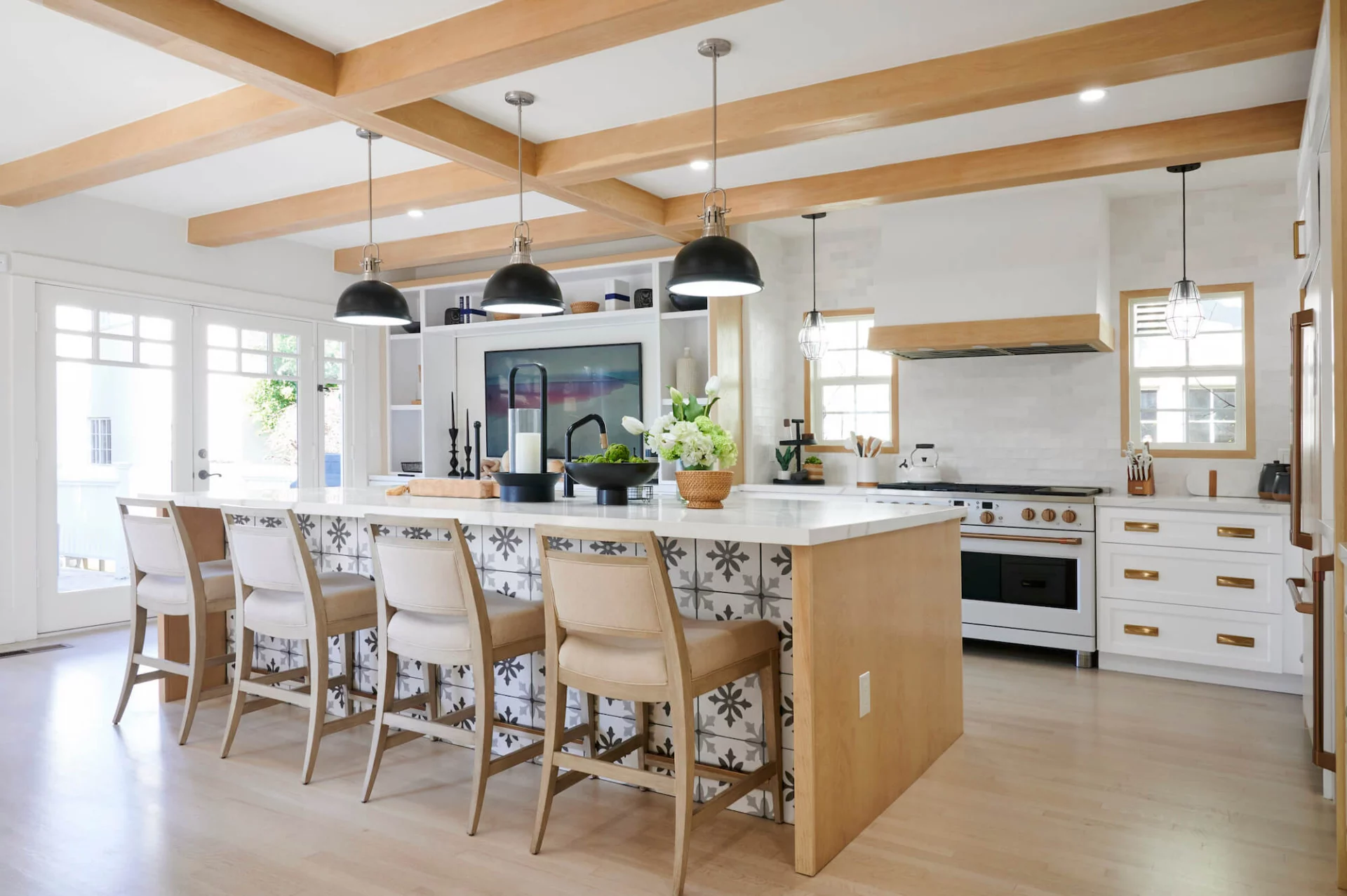
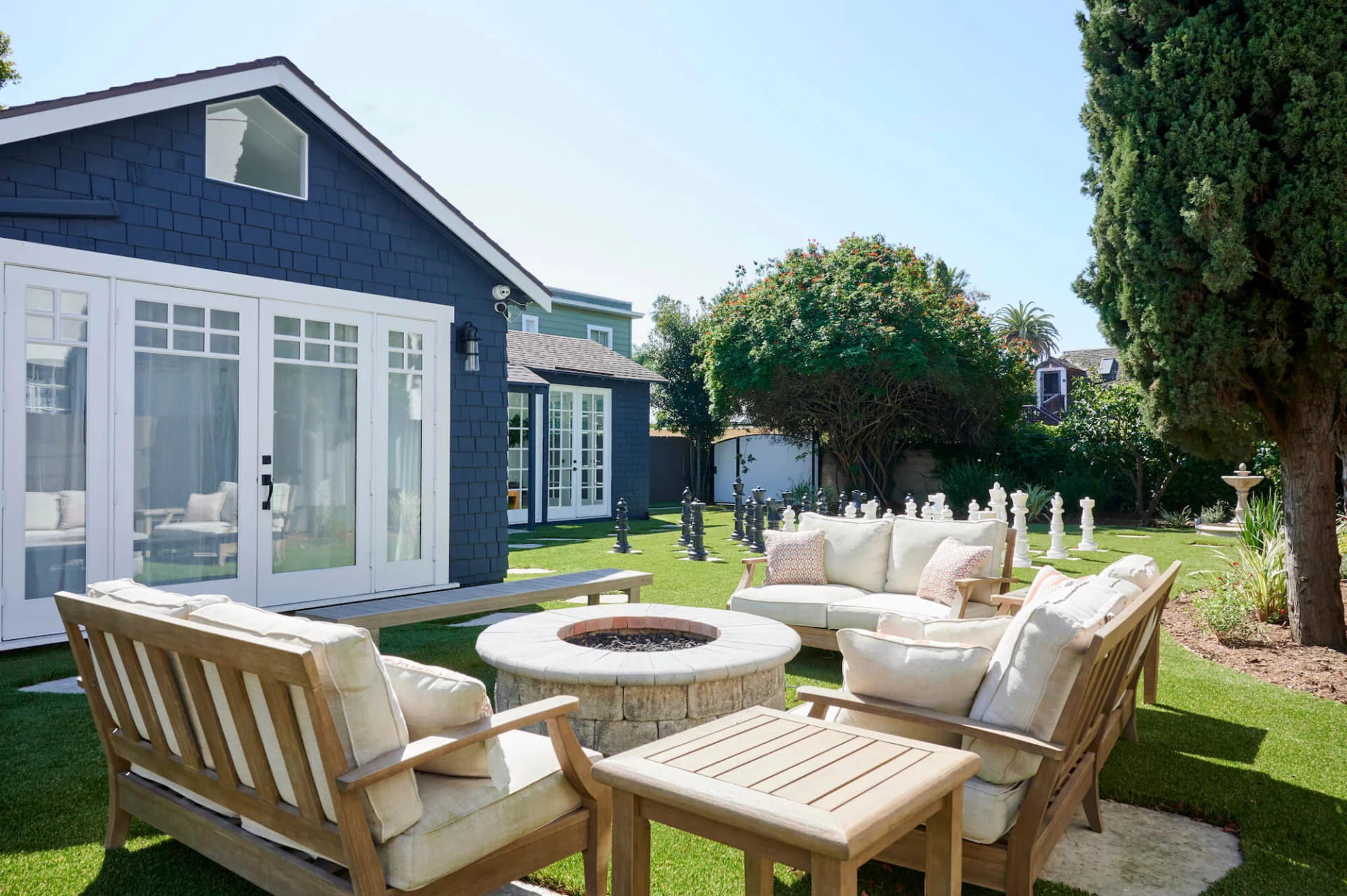
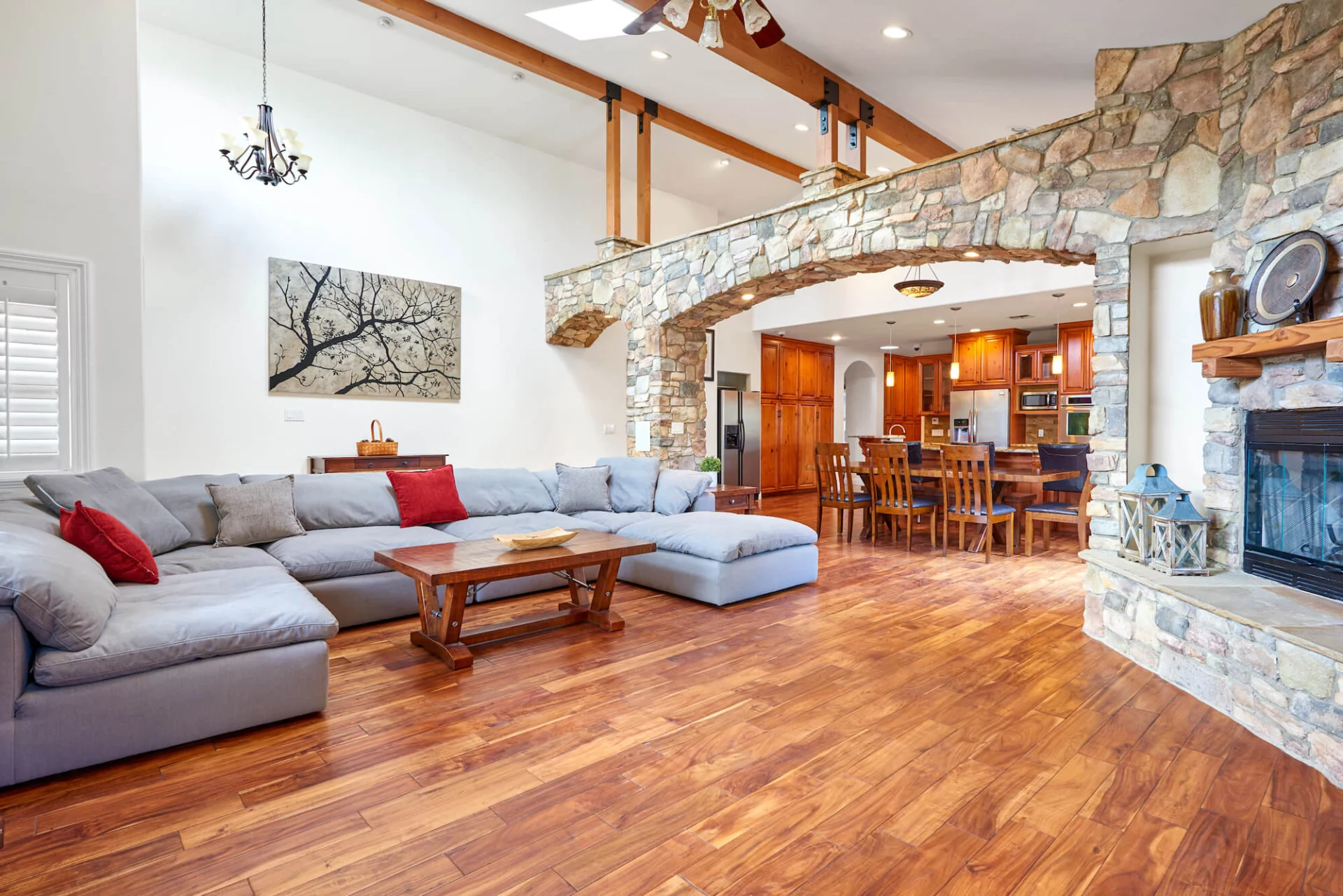
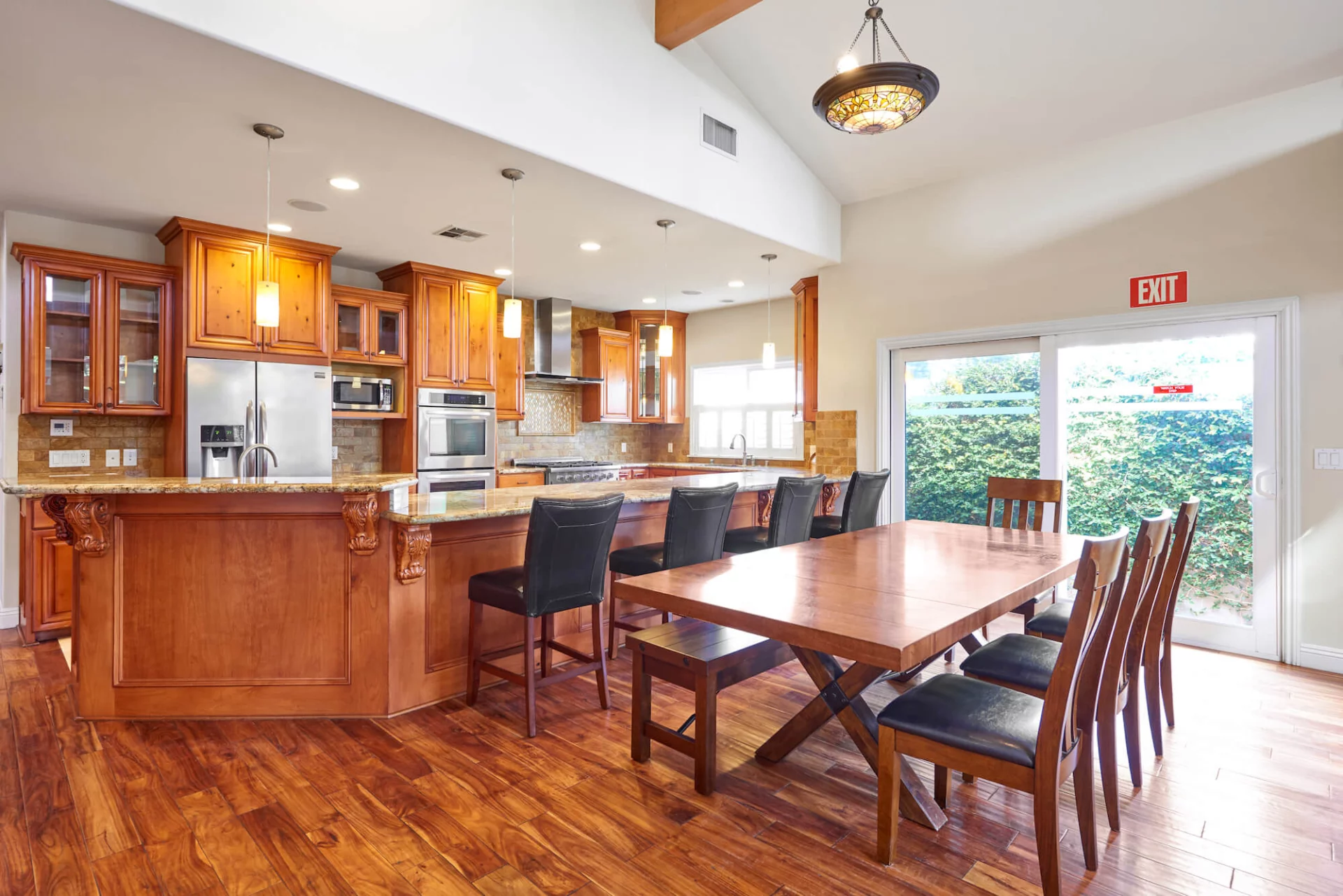
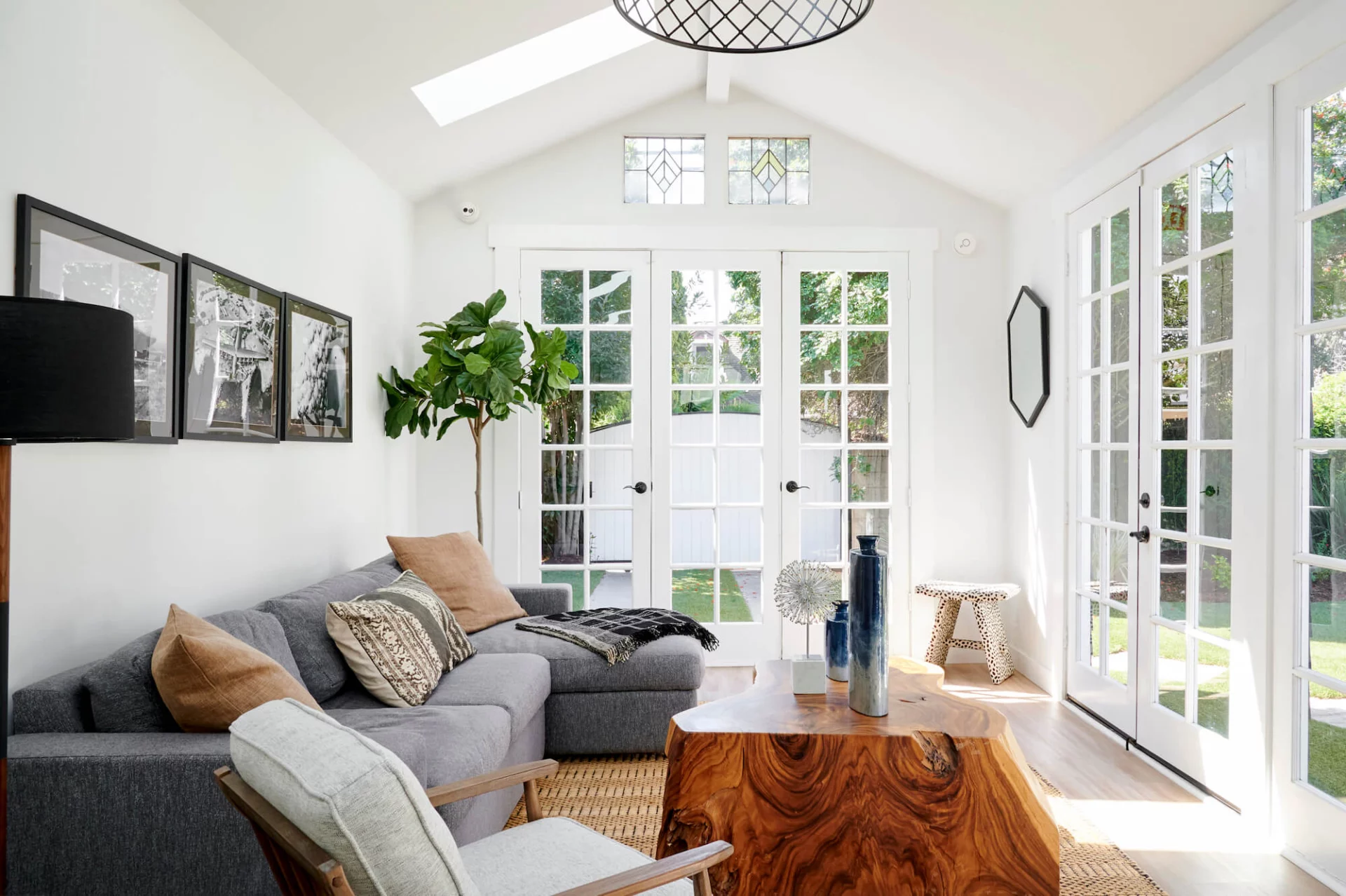
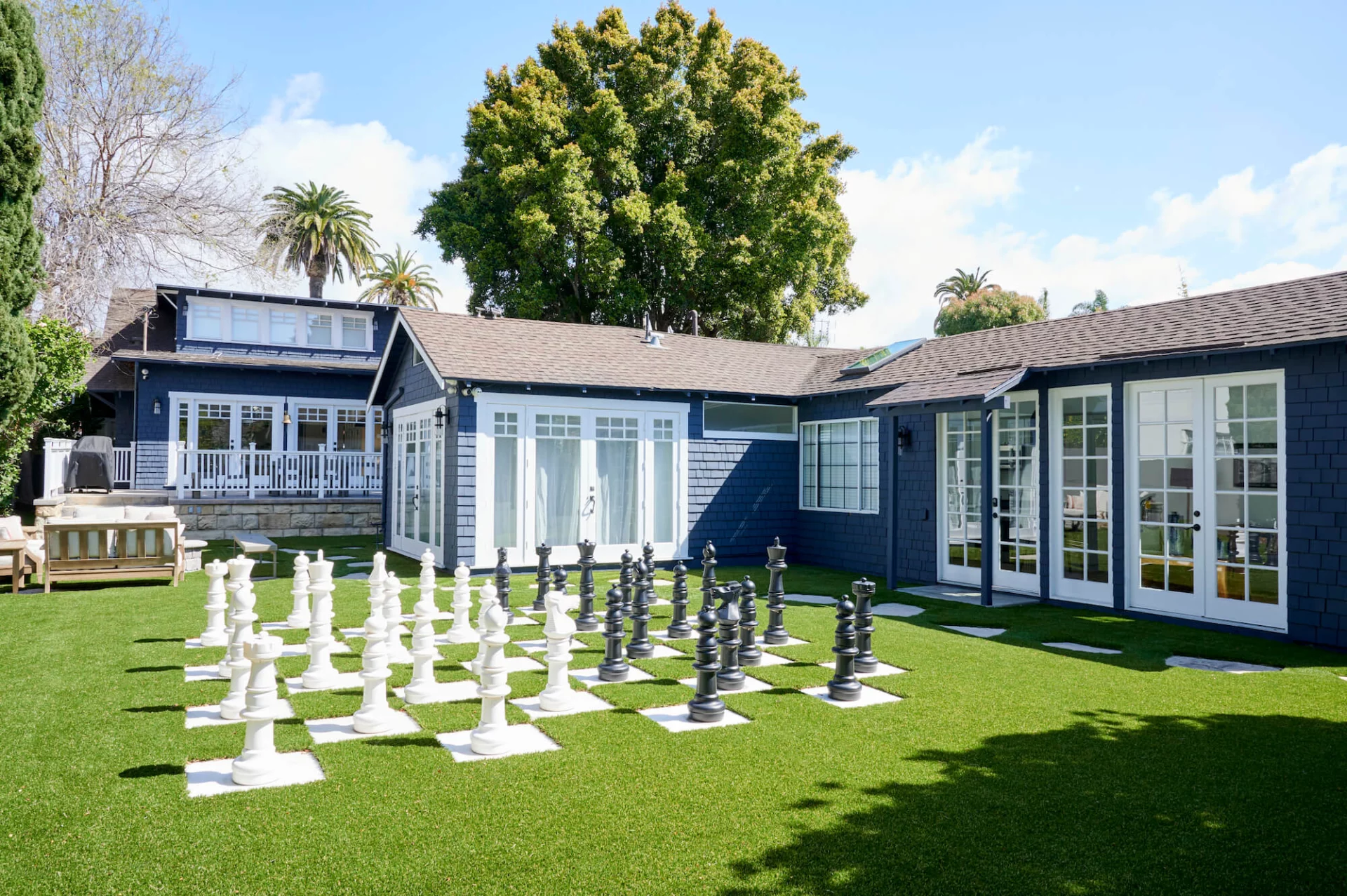
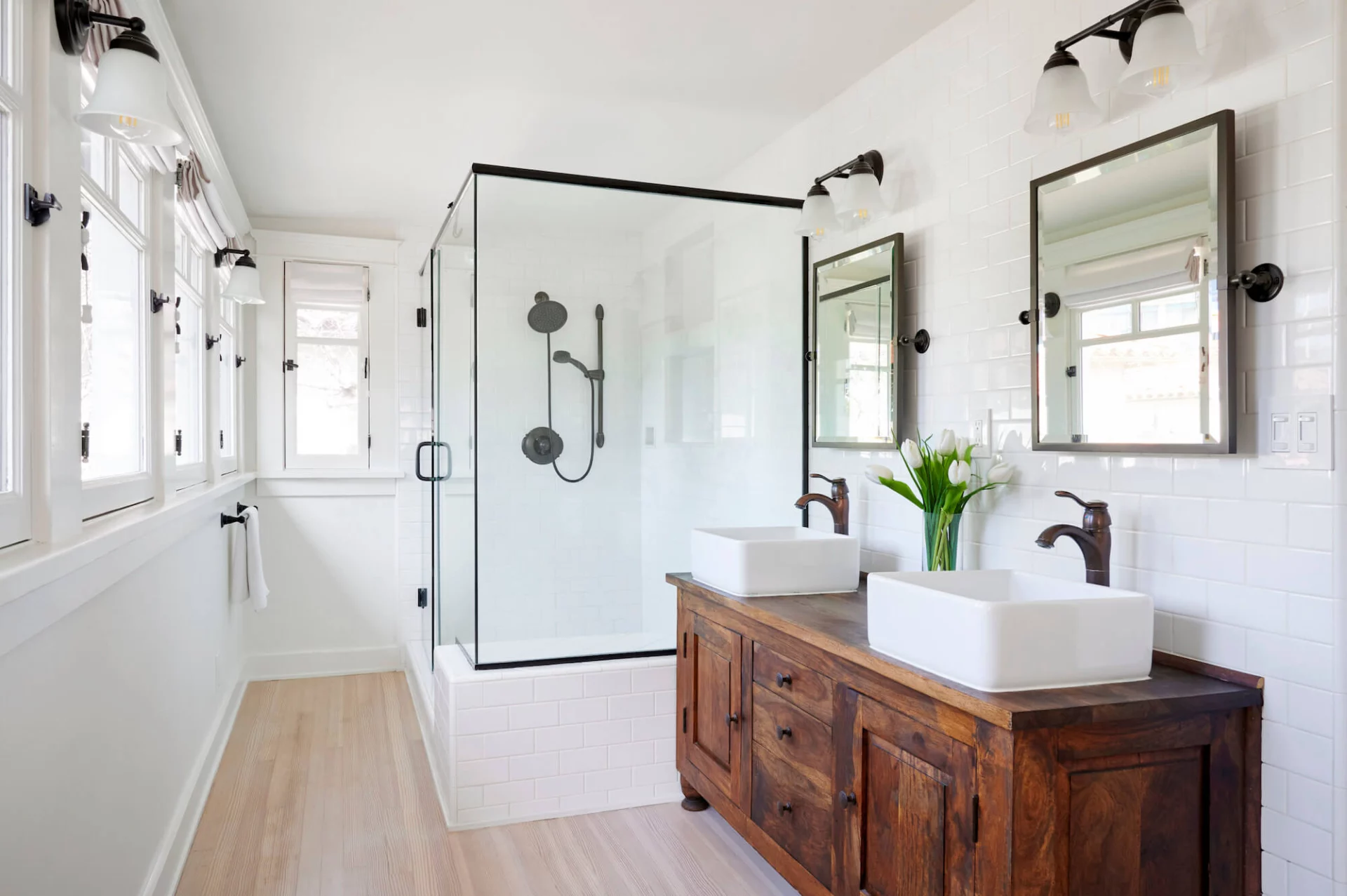
Our clean and modern facilities are located near beautiful beaches and a thriving sober community. Clients enjoy easy access to local hiking spots, beaches, restaurants & more nearby.
Gratitude Lodge Recovery Center Accreditations |
|
|---|---|
| JCO | 2025 Registered |
| DHCS | 2025 Registered |
| LegitScript | 2025 Registered |
| LMFT | 1 |
| CADC II | 3 |
| RAC | 2 |
| RADT | 1 |
| AMFT | 3 |
| SUDRC | 1 |
| SUDCC | 1 |
| APCC | 1 |
Veterans seeking treatment in Southern California deserve accessible, affirming care that feels supportive from the very first step. For those concerned about cost, about 15 facilities within 45 miles accept private insurance, creating a clearer and more manageable path into treatment. This can lift a tremendous weight for veterans balancing financial pressure, family responsibilities, or the uncertainty that often comes with asking for help.
These insurance-compatible programs offer a steady blend of trauma-informed care, emotional regulation support, and therapeutic guidance. Many also include holistic activities, group therapy with fellow veterans, and wellness-focused services that help individuals feel grounded and understood throughout their recovery experience. The goal is to provide a space where veterans can let down their guard, process what they’ve been carrying, and begin building a healthier and more hopeful future.
If you or someone you served alongside is exploring veteran-specific treatment in Southern California, our mental health and addiction treatment programs can connect you with trusted, insurance-friendly options designed to support lasting healing and renewed strength.
Gratitude Lodge Rehab Admission Process: Step-by-Step |
|
|---|---|
| Step 1 | Share your story: Connect with us and let us understand your background, challenges, and goals for recovery. |
| Step 2 | Complete a simple pre-screening: Answer a few questions so we can assess your needs and coverage. |
| Step 3 | Get your personalized treatment plan: We’ll recommend the program best suited to your situation and goals. |
| Step 4 | Coordinate your journey: Our team helps you arrange travel, admissions details, and next steps. |

| Step 5 | Begin your recovery: Arrive at your chosen facility and start the healing process with confidence. |
Gratitude Lodge Recovery Center Accreditations | |
|---|---|
| JCO | 2025 Registered |
| DHCS | 2025 Registered |
| LegitScript | 2025 Registered |
| LMFT | 1 |
| CADC II | 3 |
| RAC | 2 |
| RADT | 1 |
| AMFT | 3 |
| SUDRC | 1 |
| SUDCC | 1 |
| APCC | 1 |
| Staff | Position Title | Certification and/or License |
|---|---|---|
| Sean O’Neill | Clinical Director | LMFT |
| Monica Hernandez | Program Director | CADC ll |
| Nicholas Trolley | Operations Director | CADC ll |
| Jayla Pierce | Operations Team | RAC |
| Sierra Nicodemus | Operations Team | RADT |
| Tiffany Stevens | Case Manager | CADC ll |
| Kayla Lugo | Therapist | AMFT |
| Emma Psomas | Associate Therapist | AMFT |
| James Krier | Case Manager | RAC |
| Jesus Dominguez | Case Manager | SUDRC |
| Ryan Narriman | Case Manager | SUDCC |
| Joseph Pennino | Associate Therapist | APCC, AMFT |
Addictions Gratitude Lodge Treats | ||||
|---|---|---|---|---|
Addictions Gratitude Lodge Treats | |
|---|---|
| Adderall addiction | Bath salts abuse |
| Ambien addiction | Barbiturate addiction |
| Amphetamine addiction | Benzodiazepine addiction |
| Alcohol addiction | Cocaine addiction |
| Ativan addiction | Codeine addiction |
| Painkiller addiction | Percocet addiction |
| Dexedrine addiction | Kratom addiction |
| Halcion addiction | Lithium addiction |
| Hydrocodone addiction | LSD addiction |
| Inhalant addiction | Ritalin addiction |
| Prescription drug addiction | Marijuana addiction |
| Ketamine abuse | Meth addiction |
| Opioid addiction | Stimulants abuse |
| OxyContin abuse | |
Drug Rehab Therapies | What They Are |
|---|---|
| Helps individuals recognize and change negative thought patterns that drive addictive behaviors. | |
| Teaches emotional regulation, mindfulness, and coping skills to manage distress and improve relationships. | |
| Encourages self-motivation by exploring personal goals and reducing ambivalence about change. | |
| Uses incentives and rewards to reinforce positive behaviors like staying sober. | |
| Provides structured peer support rooted in the principles of Alcoholics Anonymous and similar programs. | |
| Uses guided eye movements to process and heal trauma linked to substance use. | |
Involves loved ones in the recovery process to improve communication and repair relationships. | |
Provides peer support, accountability, and shared learning in a guided therapeutic setting. | |
Incorporates practices like yoga, meditation, art, and music to heal mind, body, and spirit. | |
Addresses the role of past trauma in addiction and helps build healthy coping strategies. | |
Combines FDA-approved medications with counseling to reduce cravings and withdrawal symptoms. |
Many people face transportation issues, few nearby programs, or uncertainty about what their insurance will cover. It’s a frustrating process when you’re ready to start getting help.
Building and maintaining strong relationships is a vital part of outpatient recovery. Luckily, Orange County and the surrounding area offer plenty of beautiful and engaging spaces to help you relax, connect with others, and reinforce your support network. From beachside parks to nature trails, these local spots make it easier to stay emotionally grounded and socially involved during your healing journey
ust steps from the beach, this scenic park features picnic areas, sports courts, and ocean views—perfect for peaceful reflection or spending quality time with others. 100 Main St, Newport Beach, CA 92661
A tranquil space with walking trails, native plant gardens, and educational exhibits—ideal for quiet moments and mindful walks. 1601 E 16th St, Newport Beach, CA 92663
While known for shopping, this open-air center also offers a welcoming atmosphere for casual strolls, people-watching, or enjoying a meal with loved ones. 401 Newport Center Dr, Newport Beach, CA 92660
Comprehensive healing defines Gratitude Lodge’s veterans program near Southern California, addressing mental health, physical wellness, and military-specific experiences as interconnected elements. Recognition of addiction’s complex relationship with emotional wounds, unprocessed trauma, and post-service adjustment challenges guides our specialized approach.
Medical detoxification and residential treatment deliver immediate intervention for withdrawal symptoms through continuous clinical oversight. Beyond physical stabilization, trauma-informed methodologies specifically designed for military personnel permeate our entire treatment framework. Processing of PTSD, loss-related grief, anxiety disorders, and identity conflicts receives dedicated attention after potentially years of neglect.
Structured environments operating continuously, individualized therapeutic interventions, and supportive communities with military understanding create optimal conditions for veteran recovery. Through emphasis on consistent routines, environmental stability, and relationship repair, clients develop sustainable strategies for lasting recovery and psychological well-being.
Lives Treated
Licensed Professionals
States Served
Verified Reviews
Within the 1st year of sobriety. Most people struggling with substance use disorder who do not get treatment relapse within months.
Recovery rates improve with each level of care completed in the addiction treatment journey.
Within the 1st year of sobriety. Most people struggling with substance use disorder who do not get treatment relapse within months.
Recovery rates improve with each level of care completed in the addiction treatment journey.
Gratitude Lodge uses addiction therapies that are backed by latest science in addiction treatment and are administered by our expert clinicians.
CBT helps individuals identify and change negative thought patterns and behaviors that contribute to addiction and mental health challenges. By learning practical coping strategies, clients gain healthier ways to manage stress and triggers in daily life.
DBT focuses on building emotional regulation, mindfulness, and interpersonal effectiveness skills. It is especially effective for those dealing with intense emotions, self-destructive behaviors, or co-occurring mental health conditions.
MAT combines FDA-approved medications with counseling and behavioral therapies to treat substance use disorders. This approach reduces cravings and withdrawal symptoms, helping clients stay engaged in recovery.
These sessions create a supportive environment where clients can share experiences, build communication skills, and strengthen relationships. Family involvement helps repair trust, improve understanding, and create a healthier foundation for recovery.
Starting your journey toward recovery at Gratitude Lodge is simple, fast, and fully supported. We offer same-day and next-day admissions, because when you’re ready to get help, there shouldn’t be any delays. Walk-ins are also welcome—we’re here when you’re ready to take that first step. From the moment you reach out, our compassionate admissions team will guide you through every part of the process, from insurance verification to creating a personalized treatment plan tailored to your needs. Our goal is to make the process stress-free, so you can focus on what matters most: your healing and recovery.

A supervised medical process that manages withdrawal symptoms to prepare individuals for ongoing treatment.
A live-in program that delivers intensive, round-the-clock care and therapy to address substance use or mental health disorders in a structured setting.
View more details here: Inpatient Mental Health Treatment | Southern CA (Southern California)
A structured, full-day treatment program that provides intensive therapy without requiring overnight stays.
A flexible treatment option offering several hours of therapy per week while allowing clients to maintain daily responsibilities.
A step-down level of care with scheduled therapy sessions that support continued recovery while living independently.
View more details here: Southern California Outpatient Drug & Alcohol Rehab and Addiction Treatment Center (Southern California)Ongoing support and resources that help individuals maintain long-term sobriety and stability after completing formal treatment.
Starting your journey toward recovery at Gratitude Lodge is simple, fast, and fully supported. We offer same-day and next-day admissions, because when you’re ready to get help, there shouldn’t be any delays. Walk-ins are also welcome—we’re here when you’re ready to take that first step. From the moment you reach out, our compassionate admissions team will guide you through every part of the process, from insurance verification to creating a personalized treatment plan tailored to your needs. Our goal is to make the process stress-free, so you can focus on what matters most: your healing and recovery.

Check out our social content for facility videos, client interviews, recovery content, & more!
Detox is the first step of the withdrawal treatment process. Clients will be medically monitored under 24/7 supervision as they go through withdrawal symptoms.
Yes, without question. Multiple rehabilitation centers throughout Southern California focus specifically on veteran care, offering trauma-informed services that acknowledge military service impacts, including PTSD, combat stress, and psychological difficulties.
Treatment centers designed for veterans in Southern California commonly offer dual diagnosis services, simultaneously treating substance use disorders alongside co-occurring mental health issues like PTSD, anxiety, or depression for improved therapeutic outcomes.
Many rehabilitation programs throughout Southern California employ clinicians who have military experience or specialized education in veteran-specific challenges. This expertise creates a compassionate and knowledgeable treatment atmosphere.
Yes, indeed. Recovery programs in Southern California typically maintain organized, consistent schedules that include therapeutic sessions, group activities, and wellness components. This framework helps restore discipline and focus during initial recovery stages.
Reluctance regarding treatment seeking is common among veterans. Recovery programs across Southern California understand this obstacle and establish judgment-free, welcoming environments where veterans can share experiences naturally and at their own pace.
Veteran-focused alcohol recovery programs in Southern California concentrate on addressing root causes of alcohol dependency, such as trauma, grief, or military-related stress factors. These programs often include peer support systems and trauma-informed treatment methods.
Veterans entering detoxification in Southern California undergo medically monitored care to safely address withdrawal symptoms. This detoxification process usually represents the first step before moving into residential or intensive treatment options.
Many recovery programs offer veteran-specific settings where military background is honored and appreciated. Treatment and detoxification services in Southern California support lasting recovery through organized methods, responsibility frameworks, and peer relationships.
At Gratitude Lodge, we’re committed to helping individuals reach their full potential and build brighter futures. Our $1,000 scholarships are one way we give back, empowering students to achieve their goals. With a 500-word essay, you can apply for 2025. Click below to learn more, hear from past winners, and apply today!
Why I should relocate for rehab?


Our rehab centers help men, women who are struggling with addictions, substance abuse and co-occurring disorders.
800-692-9850


Why I should relocate for rehab?

Why I should relocate for rehab?


Why I should relocate for rehab?