
 About Us
 Meet Our Team
 Our Facilities
 Videos
 Newsroom
 FAQ
FAQ Blog
Blog
 Newport Beach

 Long Beach


 Meth Rehab
 Outpatient Rehab
 IOP Rehab
 Virtual IOP
 PHP Rehab
 LGBTQ Friendly Rehab
 Device Friendly Rehab
 Pet Friendly Rehab
 Couples Drug Rehab
 Reiki Therapy
 Holistic Addiction Therapy
 Addiction Therapy
 Group Addiction Therapy
 EMDR Therapy
 CBT Therapy
 Mood Disorder Treatment
 Panic Disorders/Drinking Problems Treatment
 Addictive Personality Disorder Treatment
 Hyperfixation Treatments
 Hyper Independence Treatment
 Check My Insurance
 Rehab Insurance Coverage
 Financing Options
 Cigna
Cigna





















ust steps from the beach, this scenic park features picnic areas, sports courts, and ocean views—perfect for peaceful reflection or spending quality time with others. 100 Main St, Newport Beach, CA 92661
Read More…
Navigating Daily Routines in Sober Living Communities
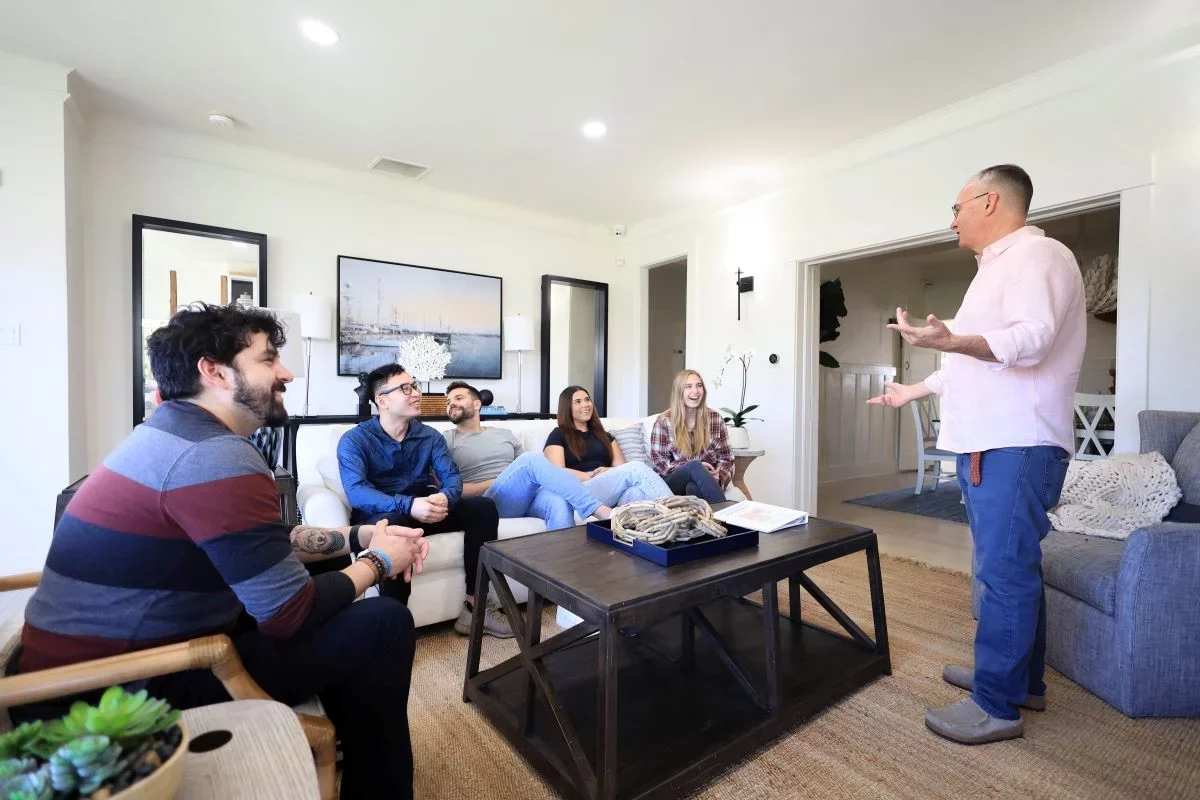
Life within sober living facilities shares characteristics with rehabilitation programs, though residents here pursue careers or education while managing their own finances. Peer support and group sessions continue to play vital roles, although residents enjoy the freedom to come and go within established parameters. Structured rules, substance-free policies, and curfew requirements foster an environment where people can thrive in supportive, positive surroundings.
Halfway houses represent this crucial middle ground in recovery, bridging the gap between treatment and independence. More than just sharing space with others in recovery, these environments provide less rigid structure than inpatient facilities while offering greater support than returning to unrestricted living situations. Critical life skills develop through these programs, equipping residents for self-sufficient living through capabilities such as:
- JOB SEEKING SKILLS
- HOUSING SEARCH AFTER TREATMENT
- HOME SOBRIETY MAINTENANCE
- EFFECTIVE COMMUNICATION
- FAMILY BOND REBUILDING
- SUPPORT SYSTEM DEVELOPMENT
- COPING WITH TRIGGERS
- ACADEMIC PROGRESSION
Contrasting Sober Living Communities with Halfway Houses
Both transitional facilities and halfway houses function as residential settings that assist people in recovery from substance use disorders. While these community models share similarities, important differences deserve examination.
Treatment-focused residences generally establish supportive, organized settings for those finishing formal addiction programs while pursuing independent living and lasting sobriety. Higher autonomy defines sober living facilities when compared to halfway houses, offering more flexibility concerning curfews, visitor policies, and electronic device usage. Abstinence maintenance, group engagement, household duties, and financial management continue as core expectations for every resident.
Legal system requirements frequently direct individuals to halfway houses, which feature heightened structure and monitoring demands. People finishing residential treatment who require additional supervision during their return to community life often access these programs. Stricter protocols, including enforced curfews and drug screening, commonly affect halfway house occupants.
Treatment intensity and support provision create major differences between sober living homes and halfway houses. Counseling opportunities and support group participation characterize both housing types, though halfway houses might offer more intensive therapeutic interventions and medical services targeting particular mental health needs.
Each residential model can provide supportive, stable foundations for recovery-minded individuals creating healthy, purposeful substance-free lives. Personal requirements, situations, and necessary support determine the best residential choice for sustaining long-term recovery.
- Job Seeking Skills
- Housing Search After Treatment
- Home Sobriety Maintenance
- Effective Communication
- Family Bond Rebuilding
- Support System Development
- Coping With Triggers
- Academic Progression
Benefits of Selecting Sober Living
Positive Environment
Substance use recovery frequently involves reevaluating personal connections and social circles, exposing relationships that previously revolved around drug or alcohol use. Pursuing recovery within sober living communities places you among individuals committed to abstinence and embracing chemical-free living. Mutual support, responsibility, and motivation become accessible during this demanding transitional period within these recovery environments.
Complete Support System
Initial recovery phases create difficulties when moving from structured rehabilitation straight into independent living circumstances. Community managers supervise daily functions in sober living facilities, while other residents offer help as you work toward independent substance-free living situations.
Trained Staff Members
Thoroughly screened, certified staff work in sober living communities, ensuring confidence in the support system’s strength. Facility personnel may help connect residents with additional licensed, qualified professionals relevant to personal recovery paths.
Lower Relapse Risk
Navigating difficult transitional recovery periods within sober living communities might reduce relapse chances before recovery establishes momentum. Substance use disorders represent a chronic, relapsing brain disease with relapse rates spanning 40% to 60% similar to other chronic medical conditions. Better sustained recovery prospects exist through Gratitude Lodge’s California sober living programs.

Length of Stay in Sober Living
Average sober living residencies span 90 days, though longer arrangements can support extended stay requirements. Worries about sustaining sobriety in personal living spaces after rehabilitation, or unsupportive family perspectives on recovery, make sober living or halfway houses ideal options for continued growth. Expert guidance remains accessible within sober living settings to handle major life transitions. Personnel support helps establish suitable residence duration for personal situations.
Ongoing recovery commitment, community regulation compliance, and financial obligation fulfillment enable continued residency within sober living communities when necessary. Personal recovery journeys from substance dependency differ uniquely, encouraging quality sober living communities to embrace flexible methods accommodating these variations.

Insurance Benefits for Sober Living Homes
Monthly rent and living expenses usually become the responsibility of sober living residents. Coverage through insurance seldom applies to sober living homes, with rare exceptions, because governmental classification doesn’t recognize them as medical facilities. Clinical services aren’t offered by sober living homes like rehabilitation centers provide. While this might seem unfavorable, rental payments help residents practice responsible money management.
Outpatient treatment pursued during sober living residency might qualify for insurance benefits. Network restrictions or financial contributions may apply under specific insurance plans. Costs vary based on policy deductibles and copayment obligations. Medical facilities usually help in establishing outpatient treatment insurance qualification.

California’s Recovery Housing Options
Structured living arrangements in California have become increasingly popular among people addressing addiction issues. California’s recovery residences often establish supportive, organized spaces promoting independent living transitions while actively preserving sobriety commitments.
California recovery facilities might offer diverse services and features, including:
- Personal and group therapy access
- 12-step program and recovery group connections
- Academic service availability
- Career development programs
- Job placement assistance
Specialized programming addressing co-occurring mental health conditions or unique personal requirements may exist through select California sober living communities.
Additionally, these California recovery homes help people overcoming substance dependency build meaningful peer connections while accessing engaging substance-free activities and wellness resources supporting personal growth.
California recovery communities often position themselves in locations with easy nature access, encouraging residents to embrace flourishing California sober living instead of simply surviving.
Note: California sober living describes particular recovery settings common in California that have gained international recognition. California sober living approaches permit recovery individuals to sustain substance-free lifestyles while responsibly using cannabis in regulated ways within legalized states. Cannabis dependency issues should prompt reaching out to Gratitude Lodge in Southern California for evidence-based treatment methods.
CALIFORNIA SOBER LIVING FAQS
California sober living inquiry interests can discover answers through common questions received at Gratitude Lodge in Southern California.
Understanding sober living definitions
Sober living concepts broadly describe substance-free, alcohol-free lifestyle decisions. Primary usage involves people recovering from substance dependency or alcohol use disorders. Deliberate choices to avoid substances typically define sober living, often involving active recovery through therapy participation, support groups, or treatment interventions. Sober living home contexts specifically reference residential settings designed to support recovery through substance-free spaces featuring organized, supportive communities. Behavioral rules and expectations promote sober choices, prevent relapse, and require residents to maintain abstinence during residency. Critical transitional recovery phases often include sober living for people completing inpatient programs transitioning back to regular living circumstances.
Discovering sober lifestyle benefits
Sober living creates multiple positive impacts on physical, emotional, and social health. Examples of sober life benefits include:
- Better physical health: Substance cessation enables bodily healing from harmful substance abuse impacts. Improved sleep, higher energy, and better overall wellness may occur.
- Enhanced mental health: Substance abuse adversely affects mental wellness, contributing to depression, anxiety, and other conditions. Sober living may create better mental health, increased emotional balance, and enhanced quality of life.
- Stronger relationships: Addiction damages friendships and family bonds. Sober living allows relationship repair and healthy new connection formation not centered on substance use.
- Increased productivity: Substance abuse disrupts work performance and productivity. Sober living may boost motivation, concentration, and productivity, enhancing professional performance.
- Better finances: Addiction costs create financial problems for many struggling with substance abuse. Sober living can create improved financial stability and security.
Characterizing sober living experiences
Sober living experiences differ personally, based on substance abuse background, sobriety length, and specific abstinence maintenance challenges. Common experiences people in recovery may face during sober living include:
- Clearer thinking: Enhanced mental clarity represents frequently reported sobriety advantages. Without substance interference, thoughts feel sharper with better goal and priority concentration.
- Better moods: Joy and optimism increases often accompany sobriety achievement and maintenance from substances. Substance abuse-related mood fluctuations and emotional problems can stabilize through sober living, encouraging positive feelings.
- Higher energy: Substance abuse physically exhausts people, creating fatigue and sluggishness. Sobriety may boost energy levels and physical wellness feelings.
- Greater confidence: Sobriety achievement represents significant accomplishments, with many people reporting pride and confidence spreading into daily activities with positive outcomes.
Clarifying sober living house principles
Sober living houses, also called sober living communities, offer residential settings where people recovering from substance dependency live securely within supportive environments alongside peers experiencing recovery journeys dedicated to sobriety. Transitional phases often use sober living houses for individuals completing inpatient programs not yet prepared for regular living return. Organized, substance-free environments with community rules and expectations help residents maintain sobriety while building life skills supporting recovery. Community managers usually supervise daily activities and enforce policies. Active recovery involvement typically requires residents to attend outpatient therapy appointments or participate in peer support group sessions. Household task and responsibility sharing stays expected. Sober living homes don’t offer addiction treatment and aren’t rehabilitation replacements.