About Us
 Meet Our Team
 Our Facilities
 Videos
 Newsroom
 Scholarship
 FAQ
FAQ Blog
Blog
 Newport Beach

 Long Beach


 Meth Rehab
 Outpatient Rehab
 IOP Rehab
 Virtual IOP
 PHP Rehab
 LGBTQ Friendly Rehab
 Device Friendly Rehab
 Pet Friendly Rehab
 Couples Drug Rehab
 Reiki Therapy
 Holistic Addiction Therapy
 Addiction Therapy
 Group Addiction Therapy
 EMDR Therapy
 CBT Therapy
 Mood Disorder Treatment
 Panic Disorders/Drinking Problems Treatment
 Addictive Personality Disorder Treatment
 Hyperfixation Treatments
 Hyper Independence Treatment
 Check My Insurance
 Rehab Insurance Coverage
 Financing Options
 Cigna
Cigna























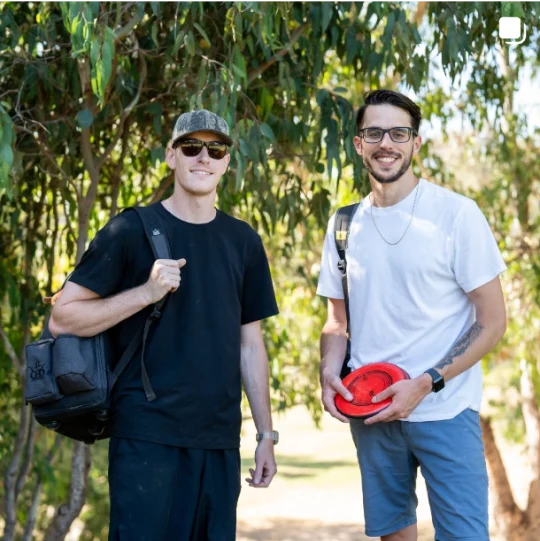
ust steps from the beach, this scenic park features picnic areas, sports courts, and ocean views—perfect for peaceful reflection or spending quality time with others. 100 Main St, Newport Beach, CA 92661
Community-Based Addiction Recovery Near Laguna Hills: Building Healing Through Shared Experiences
Embarking on addiction recovery frequently creates overwhelming feelings of solitude, especially when shame or fear prevents people from opening up about their struggles. Through group addiction therapy near Laguna Hills, individuals find their isolation slowly fading away. Forming bonds with others who truly understand addiction’s challenges creates relationships that become deeply healing.
Structured group addiction therapy near Laguna Hills constitutes an evidence-based treatment approach where individuals work together toward lasting sobriety. Usually involving 6-12 participants, these gatherings are led by certified professionals experienced in facilitating discussions, teaching recovery skills, and managing group dynamics. Inpatient centers, PHPs, IOPs, and outpatient services all integrate this therapeutic method, making it a cornerstone of modern addiction care.
Unlike individual counseling sessions, group therapy emphasizes shared learning experiences. Participants gain strength by hearing others’ stories – learning how they manage cravings, overcome obstacles, or rebuild their lives after addiction. Such personal accounts reduce isolation while reinforcing hope that recovery is possible. Studies consistently show that group therapy delivers results comparable to one-on-one sessions, while also improving engagement and long-term treatment retention.
What to Expect in Group Addiction Therapy
As part of comprehensive treatment programs that might include detox, individual counseling, medication-assisted treatment, and holistic methods, group therapy sessions provide structure, accountability, and peer support.
Standardized session formats typically guide most meetings. Initial check-ins usually start each session, followed by facilitator-led discussions or skill-building exercises focused on relapse prevention, emotional regulation, or communication improvement. Ending with personal insights and goal-setting reinforces accountability that continues beyond group sessions.
Clear group guidelines – such as confidentiality commitments, respectful participation, and staying sober during meetings – create safe spaces where members feel comfortable sharing openly.
Various Group Therapy Approaches
Recovery centers near Laguna Hills often utilize multiple group formats to serve clients at various stages of healing. Knowledge-based sessions focus on understanding addiction science and recovery fundamentals. Skill-building groups emphasize developing coping strategies, stress management, and relapse prevention. Cognitive-behavioral methods help participants modify thought patterns that lead to substance use.
Support-focused groups prioritize peer encouragement and motivation, while process-oriented sessions explore relationship dynamics and emotional triggers affecting addiction. This variety allows treatment teams to tailor interventions to specific needs.
Why Group Therapy Works
Community-based addiction therapy succeeds by converting loneliness into genuine connection. Participants gain encouragement, accountability, and wisdom from peers who understand their journey. Group settings also provide chances to practice communication skills, set healthy boundaries, and build self-esteem – essential elements for lasting recovery.
Over time, many participants notice changes in how they see themselves. Instead of viewing themselves only through the lens of addiction, they start recognizing their strengths, reliability, and ability to help others. This shift in personal identity becomes essential for maintaining long-term sobriety.
Moving Forward Together
Collaborative recovery journeys produce better results. At Gratitude Lodge, group addiction therapy near Laguna Hills offers structured support, evidence-based care, and genuine relationships. While joining a group may initially feel intimidating, many clients find it creates the foundation for lasting change. Community-focused healing and shared responsibility at GL show how recovery thrives when pursued together.