Detox Rehab Treatment

Inpatient Rehab Treatment

What Is a 30-Day Inpatient Rehab?

Authored By:

Cynthia Chacon

Edited By:

Amy Leifeste

Medically Reviewed By:

Sean O'Neill
MS, LMFT 112879

An image of Karena Mathis, author for gratitude lodge
Authored By:

Karena Mathis

Edited By

Amy Leifeste

Sean O'Neill
Medically Reviewed By

Sean O'Neill
MS, LMFT 112879

We understand recovery, we can help

Table of Contents

What Is a 30-Day Inpatient Rehab?

A 30-day inpatient rehab for drug and alcohol addiction is typically completed in two phases. The first phase is a medical detox, followed by inpatient or residential programming. The length of these two levels of care depends on an individual’s substance abuse history. However, detox typically lasts anywhere from 2 to 7 days, with residential programs extending to anywhere from 20-30 days. For most people, a 30-day stay is all that is required before being able to move to outpatient care, although everyone is different and may require different programming for long-term success.

  • What is the success rate of 30-day rehab?
  • How much does a 30-day inpatient rehab cost?
  • How to find 30-day rehab programs in Southern California.

Get Personalized Addiction Care at The Gratitude Lodge

Our rehab centers support men and women struggling with substance use and co-occurring mental health disorders. Gratitude Lodge specializes in inpatient residential treatment and the initial detox phase of drug rehab, providing individualized, evidence-based care in serene, structured environments throughout Southern California to help individuals stabilize, begin healing, and build a strong foundation for lasting recovery.

Begin 30-Day Inpatient Rehab Today

Call our friendly recovery team to learn more about our insurance-covered 30-day program. We’ll walk you through the process and help address any questions you may have.

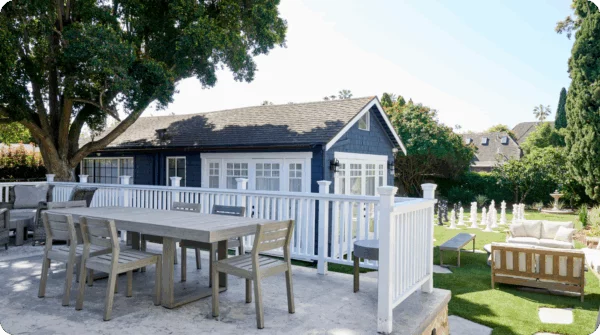
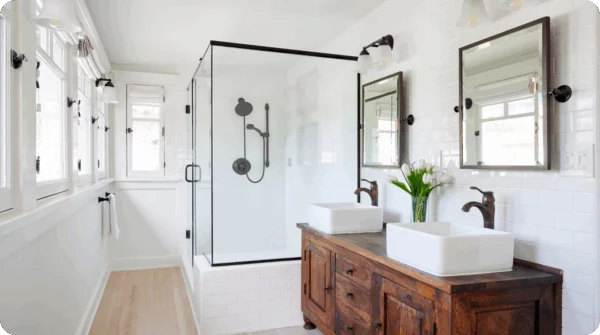
Where You’d Be Staying

We strive to provide a comfortable, home-like environment during your recovery journey. Browse our facility images below to take a look at our upscale residential facilities.

Understanding a 30-Day Inpatient Rehab

30-day inpatient drug rehab or alcohol rehab is designed to provide an intensive and structured approach to substance abuse treatment. As the term inpatient suggests, individuals stay at the treatment facility throughout the duration of the program, where they eat, sleep, and receive all necessary care. As the term inpatient suggests, individuals stay at the treatment facility throughout the duration of the program, where they eat, sleep, and receive all necessary care. This type of program typically offers:

  • Comfortable environment for detox
  • Medication-assisted treatment (MAT)
  • Behavioral therapies
  • Medical detox & care
  • Medication-assisted treatment (MAT)
  • Customized treatment plan
  • Group therapy
  • Individual therapy
  • Family therapy
  • Holistic therapy (art, music, yoga, etc.)
  • Aftercare & career planning
  • & more

  As people progress in their recovery, 30-day alcohol rehab and 30-day drug rehab often include scheduled visiting hours, allowing friends and family to support their loved one’s ongoing recovery journey. If you or a loved one needs help finding a 30-day inpatient rehab covered by your insurance, call our friendly recovery team today at 833-366-9345 for help. 

  • Medical detoxification: Many programs begin with a medically supervised detox process to safely manage withdrawal symptoms and prepare people for further treatment.
  • Behavioral therapy: Behavioral therapies like CBT (cognitive behavioral therapy) help people in recovery recognize and change harmful patterns of thinking and behavior. This therapy is critical in recovery as creating a new, structured routine is essential for staying sober. 
  • MAT (medication-assisted treatment): For certain types of addiction, including opioid or alcohol addictions, MAT can be used to manage cravings and withdrawal symptoms, often in conjunction with other therapies like CBT and counseling.
  • Dual diagnosis treatment: For those with co-occurring mental health conditions like depression or anxiety, dual diagnosis treatment addresses both the substance use disorder and the mental health issue at the same time.
  • Peer support programs: Many rehabs encourage access to 12-step programs or similar peer support models, which helps people engage with a sober community.
  • Life skills training: Rehab programs often include training in essential life skills to help people build a stable, substance-free life post-treatment.
  • Relapse prevention education: This involves teaching strategies to identify and manage triggers and high-risk situations to maintain long-term sobriety.
  • Family therapy: Involving family members in the recovery process can be highly beneficial, helping to repair relationships and build a supportive home environment.
  • Holistic therapies: Some programs offer holistic therapies like yoga, meditation, art therapy, or equine therapy, which can complement traditional treatments by promoting overall well-being.
  • Aftercare planning: Before discharge, a comprehensive aftercare plan is developed, outlining steps for continued treatment, support group participation, and other resources to aid in long-term recovery.

To learn more about Gratitude Lodge’s insurance-covered inpatient rehab, visit our treatment page.   The immersive environment of a 30-day drug rehab program or alcohol rehab program removes people from the daily triggers and stressors of their usual surroundings, allowing them to focus entirely on their recovery. This uninterrupted attention to healing is crucial in breaking the cycle of addiction.

  • MAT (medication-assisted treatment)https://www.gratitudelodge.com/drug-rehab/treatment-programs/medication-assisted-treatment/

To begin your journey to recovery, call our friendly team at 844-576-0144, or click here to learn more about what a day in drug rehab looks like.  

Related Blogs

Check out our addiction recovery blog to learn more about substance use disorders and how to get effective treatment.

Hydromorphone Addiction: Signs, Symptoms, & Treatment Drug Rehab

Hydromorphone, marketed under the brand names Dilaudid and Exalgo, is a potent semi-synthetic opioid pain reliever utilized in hospital settings and as a comp...

Hydromorphone Addiction: Signs, Symptoms, & Treatment Drug Rehab

Hydromorphone, marketed under the brand names Dilaudid and Exalgo, is a potent semi-synthetic opioid pain reliever utilized in hospital settings and as a comp...

Hydromorphone Addiction: Signs, Symptoms, & Treatment Drug Rehab

Hydromorphone, marketed under the brand names Dilaudid and Exalgo, is a potent semi-synthetic opioid pain reliever utilized in hospital settings and as a comp...

What Our Clients Say
5 Star Google Reviews

Where You’ll Be Staying

We strive to provide a comfortable, home-like environment during your recovery journey. Browse our facility images below to take a look at our upscale residential facilities.

Paying Out Of Pocket without Insurance

Range $5,000 to $60,000

If you can’t pay your co-pay amount

If you can’t pay your co-pay amount

Paying Out Of Pocket with Insurance

Range $0 to $12,000

(Depending on insurance plan)

If you can’t pay your co-pay amount

We Accept Most Major Insurance

View our wide selection of accepted providers. Don’t see yours? Call our admissions team for help.

Begin your journey to recovery.

Get evidence-based treatment in a peaceful location, with a team of dedicated, expert staff.

Related Pages

Insurance Verification Form