Barbiturates are classified as a hypnotic sedative drug. They’re central nervous system depressants, which can help relax the muscles. Barbiturates are a synthetic medication that can also reduce heart rate and induce sleep, due to the content of barbituric acid in the drug. Typically, they’re used for insomnia, anxiety, and seizures. Barbiturates are often abused and are highly addictive.
Examples of barbiturates include Pentothal, Amytal (amobarbital), Butisol (butabarbital), Nembutal (pentobarbital), Seconal (secobarbital), belladonna andDonnatal (phenobarbital). Barbiturates can also come in a combination of butalbital, acetaminophen, or aspirin, and caffeine, under the brands Esgic, Fioricet, Fiorina, and Fortabs. If you or your loved one has an addiction to barbiturates, Gratitude Lodge can help.
Get Personalized Addiction Care at The Gratitude Lodge
Our rehab centers support men and women struggling with substance use and co-occurring mental health disorders. Gratitude Lodge specializes in inpatient residential treatment and the initial detox phase of drug rehab, providing individualized, evidence-based care in serene, structured environments throughout Southern California to help individuals stabilize, begin healing, and build a strong foundation for lasting recovery.
While barbiturates were once prescribed to treat insomnia, this class of medication is now rarely used to treat sleep disorders.
Overall, the risk of adverse effects and poor outcomes means that barbiturates are now seldom prescribed in the United States.
Today, the barbiturate phenobarbital is commonly used to treat seizures.
History Of Barbiturates
Barbiturates were used in the 60s and 70s for anxiety, insomnia, and seizures. Today, they are used for sedation before procedures. They are less frequently prescribed because of their highly addictive properties. Barbiturates were created in 1903 by altering a chemical compound found in apples. In 1912, amphetamines were added to the drug so users wouldn’t oversleep when using barbiturates.
Today, benzos are used instead of barbiturates to treat anxiety and sleep disorders. Barbiturates aren’t used as much anymore because there are safer, less addictive drugs available that don’t require a higher dose each time. They aren’t only abused to get “high.” Some barbiturates have been used as date rape drugs for their sedative effects.
Barbiturate Addiction
The sustained use of barbiturates can cause tolerance to build. When this occurs, the effects of the medication diminish, prompting many people to increase the dose or the frequency of doses to achieve the initial effects. This can heighten the risk of overdose, potentially life-threatening in the case of barbiturates.
Additionally, tolerance and increased consumption of barbiturates will accelerate the development of physical dependence. If you become dependent on barbiturates, you will experience aggravating withdrawal symptoms if you moderate or discontinue use.
Ongoing barbiturate abuse can lead to addiction (sedative, hypnotic, and anxiolytic use disorder). Addiction to barbiturates is characterized by the compulsive use of the medication in the face of obviously negative outcomes.
Barbiturate addiction may develop as a result of sustained use of this class of medication for legitimate medical purposes. Beyond this, barbiturates are frequently abused. This drug delivers psychoactive effects similar to the effects of alcohol. Those abusing barbiturates feel relaxed, happy, less inhibited, and more talkative.
Abusing barbiturates, whether by swallowing, snorting, or injecting the substance, is dangerous and can trigger severe short-term and long-term complications, both physical and psychological, dependence. Barbiturate addiction and overdose can both be life-threatening.
Are Barbiturates Addictive?
Barbiturates have a high abuse potential. The sustained use of this CNS depressant can lead to the development of tolerance and dependence.
Many people taking barbiturates long-term – whether for medical use or for recreational use – become frustrated when tolerance forms. By taking higher doses of barbiturates or increasing the frequency of doses, this initiates abusive patterns of consumption. Increased consumption may accelerate the formation of physical dependence. Dependence is characterized by the presentation of severe withdrawal symptoms from 8 to 15 hours after discontinuing use.
Physical dependence on barbiturates often but not always leads to addiction. Barbiturate addiction is associated with pronounced psychological problems. Those who struggle with addiction to this class of medication often experience:
Irritability
Depression
Anxiety
Barbiturate addiction is also liable to cause problems at home, at work, and in personal relationships. While addiction (substance use disorder) is a chronic and incurable condition, most addictions, including barbiturate addiction, respond well to evidence-based treatment. IF you find yourself asking the question “are barbiturates addictive?” it may be a strong sign that you are already dealing with a problem. Reach out to our team today for help.
Is Xanax a Barbiturate?
No, Xanax is not a barbiturate. It is a benzodiazepine, a different class of central nervous system depressant. While both medications have similar effects that include sedation and anxiety relief, they work differently in the brain and have different side effects, potencies, and risks. Learn more about the differences between barbiturates vs benzodiazepines on Gratitude Lodge’s blog site today.
Is Ambien a Barbiturate?
No, Ambien (zolpidem) is not a barbiturate. It is a sedative-hypnotic medication from a class of drugs called imidazopyridines. Ambien is used to treat insomnia, and works by increasing the activity of a neurotransmitter called GABA, slowing brain activity and promoting sleep. Barbiturates, on the other hand, are a class of drugs that were once widely used for their sedative, hypnotic, and anticonvulsant effects, but have largely been replaced by safer and more effective medications.
Barbiturate Dependence
Barbiturate dependence often develops with the sustained use of this CNS depressant. This can prompt the need for increased doses of barbiturates to deliver the desired therapeutic or pharmacological effect.
The GABAA receptor – one of the primary sites of action for barbiturates – is believed to play a crucial role in the formation of tolerance and dependence on this class of medication.
The management of physical dependence on barbiturates involves stabilization using phenobarbital (a long-acting barbiturate), followed by a gradual tapering of dosage. This will reduce the intensity of withdrawal symptoms and mitigate the likelihood of seizures during detox.
Abruptly discontinuing the use of barbiturates without medical supervision is inadvisable and could be life-threatening.
What Are The Effects And Symptoms Of Barbiturate Addiction?
Addiction is a chronic and relapsing brain condition clinically described as substance use disorder. Barbiturate addiction is one of ten substance use disorders recognized by DSM-5-TR and is known as sedative, hypnotic, or anxiolytic use disorder.
The diagnostic criteria for barbiturate addiction include some of these common barbiturate side effects:
Frequent use of barbiturates resulting in significant functional impairment or distress in life.
Intense cravings to use barbiturates.
Reduced interest in important activities due to the use of barbiturates.
Inability to moderate or discontinue use of barbiturates.
Neglecting personal and professional commitments.
Tolerance to barbiturates.
Presentation of withdrawal symptoms after cutting down or discontinuing use of barbiturates.
Beyond those diagnostic criteria, there are many potential signs of barbiturate abuse. These include:
Physical signs – appearing intoxicated, impaired balance, loss of coordination.
923,000 U.S. adults reported past year use of sedatives like barbiturates.
227,000 over-18s reported using sedatives in the past month.
Among these, 854,000 met the criteria for sedative addiction in 2021.
Overdose deaths associated with barbiturates have increased since the 2000s, increasing 6-fold between 2002 and 2013.
Barbiturate addiction often co-occurs with the abuse of other substances and mental health conditions.
Barbiturate Addiction Treatment
The safest and most effective approach to barbiturate addiction treatment begins with a supervised medical detox. The sustained use of this class of medication causes the brain, body, and central nervous system to become dependent on barbiturates. Abruptly discontinuing use will cause severe withdrawal symptoms to manifest. Seizures associated with barbiturate withdrawal can be life-threatening.
During a clinical detox, medical professionals can administer medications to streamline withdrawal and monitor for any complications during barbiturate withdrawal.
Detox is not a substitute for treatment, but rather the first in an ongoing chain of events that comprises addiction recovery. After detox you can transition into an inpatient or outpatient program. Both types of program offer access to the same therapies, but with outpatient treatment you will return home between therapy sessions.
The most common treatment used for barbiturate addiction include:
CBT (cognitive-behavioral therapy)
MI (motivational interviewing)
Individual counseling
Group therapy
Detox helps you to conquer the physical issue of dependence, while ongoing treatment with behavioral therapies allows you to unpack the psychological component of barbiturate addiction.
Barbiturate Detox
Everyone will have a different experience of barbiturate withdrawal. The variables that influence detox and withdrawal from CNS depressants include:
Age
Metabolism
Frequency of barbiturate use
Last dose of barbiturates
Duration of barbiturate use
Half-life of type of barbiturate used
Route of administration
Additional substances used
Substance use history
Family history of addiction
Tolerance
Diet
Support system
In most cases, barbiturate withdrawal lasts for one to two weeks. Those who have been chronically abusing the medication may experience more protracted withdrawal lasting for up to one month.
A typical barbiturate withdrawal timeline looks like this:
Days 1 to 3: Withdrawal symptoms of nausea, vomiting, and anxiety will present. Sleep patterns will be disrupted.
Days 4 to 7: On the fifth day of detox, symptoms will start subsiding. Cravings will persist, alongside insomnia, mood swings, and anxiety.
Day 7 and beyond: Cravings for barbiturates may persist.
Barbiturate detox is always best managed in a clinical setting.
Barbiturate Withdrawal Symptoms
One major danger of barbiturates is the withdrawal problems and symptoms that can occur when someone who uses the drugs suddenly stop. Some of the most common barbiturate withdrawal symptoms include:
Fever
Nausea
Vomiting
Anxiety
Insomnia
Exhaustion
Aggression
Restlessness
During a supervised medical detox, a treatment team will monitor for the following potentially severe barbiturate withdrawal symptoms:
Circulatory failure
Tremors
Seizure
Hallucinations
DTs (delirium tremens)
Death
Gratitude Lodge’s Barbiturate Addiction Treatment Program
If you require help addressing an addiction to barbiturates, we can help you at Gratitude Lodge in Southern California.
As outlined, a supervised medical detox provides the smoothest pathway to ongoing treatment for sedative use disorder. We can help you achieve this at our licensed medical detox centers located in San Diego, Newport Beach, and Long Beach. With emotional and clinical care available around the clock, you can move beyond dependence on barbiturates, transitioning directly into an ongoing treatment program following detox.
Choose from the following treatment programs for barbiturate addiction:
30-day inpatient rehab
IOP (intensive outpatient program)
Dual diagnosis treatment program
All addiction treatment programs at Gratitude Lodge provide personalized care that draws from an array of science-backed therapies and holistic treatments. These may include:
Psychotherapy
Group therapy
Motivational therapy
Family therapy
Holistic treatments
You will leave Gratitude Lodge equipped with a complete aftercare plan to strengthen your chances of sustained sobriety. This will include relapse prevention strategies, relapse management, coping techniques, and ongoing outpatient treatment if required. Many people step down to a less intensive form of treatment before transitioning back into everyday living.
When you are ready to move from barbiturate abuse and addiction into ongoing recovery, build the firmest foundation at Gratitude Lodge. Call 844-576-0144 today for help right away.
Our Southern California Rehabs
Barbiturate FAQs And Answers
Can you become addicted to barbiturates?
Yes, it is possible to become addicted to barbiturates. Tolerance to this class of medication forms, and often leads to the development of physical dependence. Sustained abuse of barbiturates can lead to addiction in the form of sedative, hypnotic, or anxiolytic use disorder. The symptoms of sedative, hypnotic, or anxiolytic use disorder (barbiturate addiction) are delineated in DSM-5-TR (the latest revised edition of Diagnostic and Statistical Manual of Mental Disorders).
What are the immediate effects of barbiturates?
Barbiturates have a number of immediate effects on the body. They can cause drowsiness, reduce anxiety, and induce sleep. In higher doses, barbiturates can cause confusion, dizziness, and loss of coordination. Barbiturates may also slow breathing and heart rate, potentially provoking unconsciousness and even death in extreme cases. It is important to use barbiturates only as directed by a doctor and to avoid drinking alcohol while taking this medication, as this can heighten the risk of adverse effects.
What is considered a barbiturate drug?
A barbiturate is a type of CNS (central nervous system) depressant that has sedative, hypnotic, and anxiolytic properties. Some common examples of barbiturates include phenobarbital, pentobarbital, and secobarbital. These drugs are typically prescribed to treat conditions including anxiety, insomnia, and seizures, but they are also sometimes used as anesthetic agents or for recreational purposes.
What are the known mechanisms of action for barbiturates and benzodiazepines?
Barbiturates and benzodiazepines are both CNS depressants that increase the activity of neurotransmitters in the brain. Barbiturates work by increasing the activity of the neurotransmitter GABA (gamma-aminobutyric acid), triggering an increase in inhibition and a reduction in excitability in the CNS. This results in sedation, anxiolysis, and hypnotic effects. Benzodiazepines also enhance the effects of GABA, although unlike barbiturates, benzodiazepines act specifically on a type of GABA receptor called the benzodiazepine receptor. This receptor is found in high concentrations in the CNS. Benzos trigger anxiolytic, hypnotic, anticonvulsant, and muscle relaxant effects.
What do barbiturates do to a person?
Barbiturates are central nervous system depressants that slow brain activity. They can produce various effects, from mild sedation to deep sleep. Barbiturates are used medically to treat anxiety, insomnia, and epilepsy. In high doses, barbiturates can lead to overdose and death. Regular use can lead to physical dependence and withdrawal symptoms upon cessation of use. Use barbiturates only as directed by a doctor and not to exceed prescribed dosages.
What is the major danger of barbiturates?
The major danger of barbiturates is their potential for overdose and death. These drugs are potent and can cause respiratory depression. Respiratory depression can reduce oxygen supply to the body and brain. Overdose can result in unconsciousness and coma, and potentially death in severe cases. Additionally, barbiturates are habit-forming and can lead to physical dependence and withdrawal symptoms. Withdrawal symptoms can be severe and even life-threatening in a non-clinical environment.
Is Ambien a barbiturate?
No, Ambien (zolpidem) is not a barbiturate. It is a sedative-hypnotic medication from a class of drugs called imidazopyridines. Ambien is used to treat insomnia, and works by increasing the activity of a neurotransmitter called GABA, slowing brain activity and promoting sleep. Barbiturates, on the other hand, are a class of drugs that were once widely used for their sedative, hypnotic, and anticonvulsant effects, but have largely been replaced by safer and more effective medications.
Related Blogs
Check out our addiction recovery blog to learn more about substance use disorders and how to get effective treatment.
Hydromorphone Addiction: Signs, Symptoms, & Treatment Drug Rehab
Hydromorphone, marketed under the brand names Dilaudid and Exalgo, is a potent semi-synthetic opioid pain reliever utilized in hospital settings and as a comp...
Hydromorphone Addiction: Signs, Symptoms, & Treatment Drug Rehab
Hydromorphone, marketed under the brand names Dilaudid and Exalgo, is a potent semi-synthetic opioid pain reliever utilized in hospital settings and as a comp...
Hydromorphone Addiction: Signs, Symptoms, & Treatment Drug Rehab
Hydromorphone, marketed under the brand names Dilaudid and Exalgo, is a potent semi-synthetic opioid pain reliever utilized in hospital settings and as a comp...
Amazing place for recovery. Going through addiction is hard, asking for help is harder, and being in a place like this made the difference in my recovery. I didn’t feel like a number, I didn’t feel alone, but I did feel like I mattered.
Makenzi Lanahan
3 weeks ago
Gratitude lodge was so supportive and helpful while being in treatment. The staff is beyond helpful and always there for you in hard times . Tiffany and Tony work very closely with you , showing you the amazing side of sobriety. I appreciate this program and every little thing they have done to make my recovery a success story.
Alex Kocher
7 July 2024
I had an amazing experience at Gratitude Lodge! Every staff really cared about their job and their patients. The facility was nice and comfortable. The programing was helpful and informative.
Albert Harrison Jr
5 months ago
This place helped me immensely. They set me up for success. Top notch clinical team and staff that really care about their clients this is not just your typical detox facility. If you truly want freedom from drugs and alcohol I would highly recommend this place. You gotta want it though!! This is where miracles happen and I’m living proof, it wasn’t easy but I took suggestion and most importantly I put in the work!!
ulysses nava
5 months ago
Amazing place for recovery. Going through addiction is hard, asking for help is harder, and being in a place like this made the difference in my recovery. I didn’t feel like a number, I didn’t feel alone, but I did feel like I mattered.
What Our Clients Say
5 Star Google Reviews
Where You’ll Be Staying
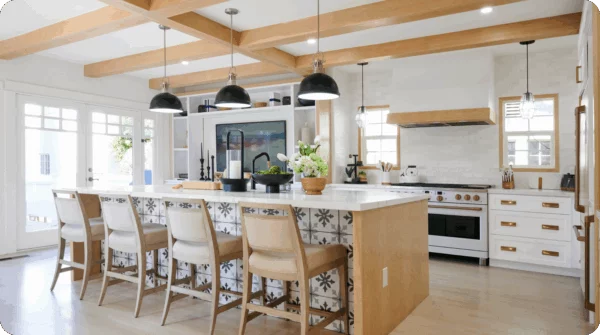
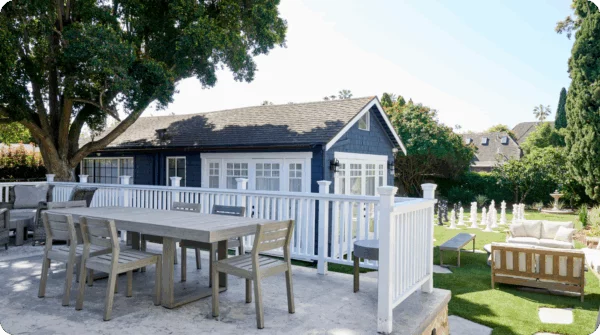
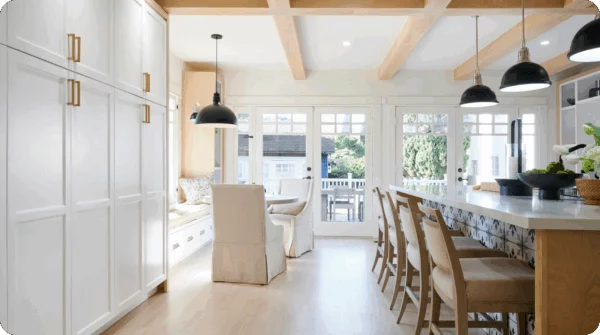
We strive to provide a comfortable, home-like environment during your recovery journey. Browse our facility images below to take a look at our upscale residential facilities.
Joseph Gilmore has been working in the addiction industry for half a decade and has been writing about addiction and substance abuse treatment during that time. He has experience working for facilities all across the country. Connect with Joe on LinkedIn.
Jenni Busse MS, LPCC
Jenni Busse MS, LPSS is the Clinical Director at Gratitude Lodge. Jenni oversees the clinical program and the clinical team at Gratitude Lodge as a whole. Jenni has worked in treatment for almost 14 years. Her background as a licensed therapist and her passion for helping others intersected with addiction recovery when she started working primarily in detox residential treatment.


 About Us
 Meet Our Team
 Our Facilities
 Videos
 Newsroom
 FAQ
FAQ Blog
Blog


 Newport Beach
 Long Beach


 Meth Rehab
 Outpatient Rehab
 IOP Rehab
 Virtual IOP
 PHP Rehab
 LGBTQ Friendly Rehab
 Device Friendly Rehab
 Pet Friendly Rehab
 Couples Drug Rehab
 Reiki Therapy
 Holistic Addiction Therapy
 Addiction Therapy
 Group Addiction Therapy
 EMDR Therapy
 CBT Therapy

 Mood Disorder Treatment
 Panic Disorders/Drinking Problems Treatment
 Addictive Personality Disorder Treatment
 Hyperfixation Treatments
 Hyper Independence Treatment
 Check My Insurance
 Rehab Insurance Coverage
 Financing Options
 Cigna
Cigna