Substance use disorders frequently transform relationships through broken trust, compromised communication, and intimacy that shifts into tension or emotional withdrawal. Numerous couples desire joint recovery but worry that treatment programs might divide them or overlook the relational trauma caused by addiction. Joint drug therapy creates an environment where each partner receives validation and care, enabling restoration to occur not only on a personal level, but throughout their shared bond.
Substance dependency commonly generates patterns of arguments, hidden behaviors, or unhealthy interdependence
Drug abuse erodes trust and emotional safety
Individual recovery may seem fragile without mutual comprehension
Persistent relationship tension can heighten relapse potential
Joint healing can rebuild intimacy, mutual support, and optimism
Through Gratitude Lodge within the District Behavioral Health network, joint drug therapy becomes available in our residential care facility near San Diego when deemed clinically suitable. Both individuals receive personalized addiction treatment while engaging in shared therapeutic sessions that emphasize dialogue, personal limits, and trust restoration. Clinical professionals utilize research-supported and trauma-sensitive methods to guide couples in recognizing addiction’s impact on their partnership and developing healthier interaction styles.
Through a peaceful, organized setting, couples receive adequate time and opportunity to find stability, reconnect emotionally, and establish a more solid groundwork for sustained recovery as a team.
Continue reading below for additional details about couples’ drug therapy.
Partner-Based Addiction Recovery: Complete Resource for Dual Treatment Solutions Addiction creates devastation that extends far beyond individual suffering – destroying relationships, eroding trust, and demolishing foundations that couples have carefully built over years. When substance abuse enters a partnership, both individuals endure significant pain, whether one or both partners actively use substances. Traditional addiction treatment focuses solely on individual recovery, often overlooking relationship dynamics that contributed to or resulted from substance abuse. Partner-based addiction recovery offers a revolutionary approach that addresses both substance use disorders and relationship health simultaneously. This comprehensive resource explores everything couples should know about joint treatment programs, from evidence-based methodologies to insurance coverage options, helping determine if dual recovery represents the best path forward for your relationship’s healing. Research consistently shows that partners engaging in addiction treatment together achieve higher success rates and maintain longer-lasting sobriety compared to those pursuing individual treatment separately. With proper programming, couples can overcome substance use disorders while building a stronger, healthier relationship than they previously had. Defining Couples Rehabilitation: Core Concepts and Treatment Framework Partner-focused addiction treatment represents a specialized therapeutic model that addresses individual substance use disorders alongside relationship dynamics that maintain addictive cycles. Unlike conventional drug and alcohol rehab programs that separate patients, couples addiction treatment recognizes the intimate partner as both a potential risk factor and valuable recovery resource. Couples rehabilitation fundamentally consists of structured addiction treatment programs where both members of a romantic relationship participate in recovery services simultaneously. These programs aim to reduce or eliminate substance use, improve relationship functioning, enhance communication skills, and create mutual support systems for long-term recovery. Dual treatment programs typically combine individual therapy sessions with joint couples therapy sessions, creating a comprehensive treatment approach. During individual counseling, each partner addresses personal addiction issues, trauma, and mental health concerns. Joint therapy sessions focus specifically on relationship dynamics, communication patterns, and developing healthy coping strategies together. Treatment Methodologies and Program Structure Top couples rehab facilities utilize evidence-based treatment approaches, particularly Behavioral Couples Therapy for substance use disorders. This methodology has over 30 years of research supporting its effectiveness. Treatment often includes daily recovery contracts where both partners commit to sobriety and supportive behaviors, structured communication training, and shared activities that reinforce positive relationship interactions without substances. Residential treatment involves both partners living at the same facility for 30 to 90+ days, participating in daily programming that includes medical care, individual therapy, group therapy, and couples counseling. Outpatient programs allow couples to remain at home while attending treatment sessions several times per week, enabling them to maintain work and family responsibilities during recovery. An important distinction exists between true couples rehab and parallel individual treatment. While some facilities may treat both partners at the same time in separate programs, authentic couples addiction treatment requires structured joint work that specifically addresses relationship patterns, substance use triggers within the partnership, and shared accountability systems. Substance Abuse’s Effect on Relationships and Why Joint Treatment Matters Substance use disorders create devastating effects throughout intimate partnerships, fundamentally altering communication patterns, trust levels, and emotional bonds between partners. When addiction takes hold, couples often develop destructive cycles where one partner’s substance use triggers the other’s enabling behaviors, criticism, or emotional withdrawal – reactions that unintentionally perpetuate or worsen the addiction. Research shows that substance use disorders significantly increase relationship breakdown rates. Studies indicate that couples where only one partner pursues individual addiction treatment experience higher rates of separation and divorce compared to couples who seek recovery together. Non-using partners frequently experience isolation, resentment, and difficulty trusting their partner’s commitment to sobriety when excluded from the treatment process. Codependency Dynamics Substance abuse often creates codependency patterns where partners become trapped in unhealthy relationship cycles. Non-addicted partners may develop enabling behaviors, such as covering for their partner’s substance use, managing consequences without accountability, or taking on excessive caregiving roles. These behaviors, while well-intentioned, often remove natural consequences that might otherwise motivate change. Conversely, partners with substance use disorders may manipulate, lie, or become emotionally distant to maintain their ability to continue using. This creates emotional distance and erodes the trust foundation necessary for healthy relationships. Traditional individual treatment often fails to address these ingrained relationship patterns, leaving couples vulnerable to relapse even when individuals achieve initial sobriety. Evidence Supporting Joint Treatment Success Meta-analytic research examining significant-other involvement in addiction treatment shows statistically significant improvements in substance use outcomes compared to individual-only approaches. Couples participating in joint treatment demonstrate fewer days of substance use, longer periods of continuous abstinence, and better treatment retention rates when followed for 6, 12, and up to 24 months post-treatment. Beyond substance use outcomes, couples rehab produces measurable improvements in relationship functioning. Partners report higher relationship satisfaction, better communication skills, less conflict, and reduced rates of intimate partner violence. These relationship improvements aren’t just quality-of-life benefits – they directly support long-term sobriety by reducing relational triggers that often lead to relapse. Benefits of Joint Treatment Programs Dual treatment programs provide unique advantages that extend well beyond what individual addiction treatment can achieve. The primary benefit involves creating shared accountability systems where both partners actively support each other’s recovery goals. This shared responsibility shifts the dynamic from one person carrying the burden of change to a unified team approach. Higher Recovery Success Rates Evidence consistently demonstrates that couples undergoing treatment together achieve better outcomes compared to individual treatment approaches. Behavioral Couples Therapy research shows participants experience fewer substance-related problems, maintain abstinence for longer periods, and report significantly higher relationship satisfaction levels. The partner becomes a “recovery ally” who reinforces sobriety, supports medication-assisted treatment adherence, and participates in relapse prevention planning. Accountability mechanisms prove especially powerful in maintaining sobriety. Daily recovery contracts, where both partners commit to abstinence and supportive behaviors, create consistent reinforcement for healthy choices. Partners can help identify high-risk situations, participate in trigger recognition, and co-create a recovery-focused home environment that supports sustained sobriety. Improved Communication and Relationship Skills Joint therapy sessions focus intensively on communication skill building, teaching couples how to express needs, resolve conflicts, and rebuild intimacy without substances. Many couples find that their substance use masked underlying relationship issues or prevented them from developing healthy coping mechanisms. Couples therapy sessions offer a safe environment to process resentment, betrayal, and broken trust while learning constructive communication methods. Therapeutic work helps partners understand how addiction affected both individuals and teaches them to rebuild emotional connections. Couples learn to recognize destructive patterns, such as criticism-withdrawal cycles or enabling behaviors, and replace them with mutual support and healthy boundaries. Financial Benefits and Practical Advantages Treating both partners together often proves more economical than separate individual treatments. Many insurance plans cover couples rehab under substance abuse treatment benefits, and some facilities offer discounted rates when both partners enroll together. This approach also reduces the time both partners spend away from work or family obligations compared to sequential individual treatment episodes. Community support aspects of couples rehab create additional advantages. Group therapy sessions with other couples facing similar challenges provide peer support and reduce the isolation that often accompanies addiction. Couples learn from others’ experiences and develop a network of relationships that can provide ongoing support throughout the recovery process. Evidence-Based Treatment Approaches in Couples Rehabilitation Modern couples rehab programs rely heavily on evidence-based approaches that have proven effective through rigorous clinical research. Quality program foundations rest on Behavioral Couples Therapy, which has been developed over more than 30 years and validated through multiple randomized controlled trials. Behavioral Couples Therapy (BCT) Model BCT operates on social learning and behavioral principles, assuming that partner behavior can be modified to reward sobriety and healthy interactions while eliminating substance-related and destructive relationship behaviors. The approach typically involves 15-20 weekly sessions, though residential programs may adapt this into more intensive daily programming. Core BCT elements include substance-focused interventions, such as recovery contracts where the patient commits daily to abstinence while the partner responds with positive, supportive behaviors. Relationship-focused interventions emphasize communication skills training, problem-solving methods, reinforcement of positive behaviors, and planned shared activities that don’t involve alcohol or drugs. This approach has shown consistent superiority over individual-only treatment across multiple studies. Participants demonstrate better drinking and drug use outcomes, higher relationship satisfaction, reduced intimate partner violence, and improved children’s psychological functioning when compared to individual treatment methods. Comprehensive Treatment Integration Quality couples rehab programs integrate multiple evidence-based approaches beyond BCT. Cognitive Behavioral Therapy adapted for couples addresses distorted thinking patterns that contribute to both addiction and relationship dysfunction. Partners learn to identify negative thought patterns, challenge irrational beliefs, and develop healthier coping strategies together. Trauma-informed care recognizes that many couples dealing with addiction have experienced shared traumatic events or individual traumas that affect the relationship. Treatment may incorporate EMDR (Eye Movement Desensitization and Reprocessing) or trauma-focused cognitive behavioral therapy, carefully implemented to avoid destabilizing early recovery. Family therapy principles may be integrated when couples have children or extended family significantly involved in their lives. Multi-generational trauma patterns, parenting skills, and family systems dynamics all receive attention to create comprehensive healing. Individual versus Group Treatment Elements Effective couples rehab programs carefully balance individual and joint therapeutic work. Individual therapy sessions allow each partner to address personal addiction issues, mental health concerns, and individual trauma without their partner present. This private space ensures that each person can speak openly about sensitive topics and receive individualized treatment for co-occurring disorders. Joint couples therapy sessions focus specifically on relationship dynamics, communication patterns, conflict resolution, and shared recovery planning. These sessions address topics like rebuilding trust, managing triggers within the relationship, and coordinating recovery activities. Group therapy sessions with other couples provide peer support and normalize the challenges of recovery. These groups may focus on education about addiction’s impact on relationships, skills practice in communication techniques, or shared problem-solving around common challenges couples face in recovery. Many programs also include individual and group sessions that address specific issues like relapse prevention strategies, stress management, and building healthy social networks outside the relationship. Assessing Suitability for Couples Rehabilitation Joint treatment isn’t suitable for every relationship affected by addiction. Treatment facilities conduct thorough evaluations to determine whether joint treatment will be helpful or potentially harmful. Understanding criteria for appropriate candidates helps couples make informed decisions about their treatment approach. Ideal Candidates for Joint Treatment Best suited candidates for couples rehab are committed relationships where both partners genuinely want recovery and relationship healing. Both individuals must show motivation to address their substance use and willingness to examine their relationship patterns honestly. Relationships should have a foundation of love and commitment that can withstand the challenges of recovery work. Couples who benefit most from joint treatment typically have stable living situations, absence of severe mental illness that would interfere with couples work, and the ability to participate safely in joint sessions. Children’s presence often strengthens the case for couples treatment, as research shows better outcomes for children when parents recover together. Assessment factors include each partner’s readiness for change, individual addiction severity, presence of co-occurring mental health disorders, and the relationship’s overall stability. Treatment centers evaluate whether couples have sufficient relationship skills to build upon or whether individual work should come before couples treatment. Red Flags and Contraindications Behavioral Couples Therapy and similar approaches are not appropriate when severe, uncontrolled intimate partner violence exists. Any history of physical abuse, threats, or patterns of coercive control requires individual treatment and safety planning before couples work can be considered. Both partners’ safety must be guaranteed before joint treatment begins. Reluctance from either partner represents another major contraindication. If one person is being forced or pressured into treatment by their partner, the therapeutic process becomes compromised. Both partners must voluntarily agree to participate and show genuine motivation for change. Severe psychiatric conditions in either partner may require stabilization through individual treatment before couples work begins. Active psychosis, uncontrolled bipolar disorder, or severe personality disorders can interfere with the couples therapy process and may require specialized individual attention first. Substance use patterns also influence suitability. If one partner uses substances that create immediate physical danger (such as intravenous drug use with infectious disease risk), medical stabilization and individual treatment may need to come before couples work. Different Living Arrangements During Treatment Couples rehab programs offer various living arrangement options depending on the couple’s needs and the facility’s structure. Same facility, same living quarters works well for couples with similar treatment needs and stable relationship dynamics. This arrangement maximizes mutual support and allows for immediate application of skills learned in therapy sessions. Same facility, separate housing arrangements provide more intensive individual focus while maintaining coordinated care. This option benefits couples who need significant individual work on trauma, mental health issues, or addiction severity before intensive couples work begins. Partners can participate in joint sessions while maintaining separate living spaces for reflection and individual growth. Some programs coordinate care between different facilities, allowing partners to receive specialized treatment for their individual needs while scheduling regular joint sessions. This approach works when partners have significantly different treatment requirements or when one facility specializes in specific addiction types or co-occurring disorders. Each arrangement offers distinct benefits and challenges. Same quarters maximize mutual support but may create pressure or enable avoidance of individual issues. Separate arrangements allow for individual focus but require stronger communication and coordination between treatment teams. Types of Couples Rehabilitation Programs Available Couples rehab programs cover the full spectrum of addiction treatment services, from intensive residential treatment to flexible outpatient options. Understanding different program types helps couples select the care level that best matches their needs, circumstances, and addiction severity. Residential Treatment Programs Residential couples rehab represents the most intensive care level, with both partners living at the treatment facility 24/7 while receiving comprehensive addiction treatment programs. These programs typically last 30, 60, or 90 days, with longer durations generally producing better long-term outcomes. Thirty-day programs provide intensive detox, initial stabilization, and introduction to recovery skills. These shorter programs work best for couples with less severe addictions, strong motivation, and solid support systems. Sixty to 90-day programs allow for deeper therapeutic work, more comprehensive skill development, and better integration of couples therapy techniques. Residential facilities provide around-the-clock medical supervision, structured daily programming, and immediate access to crisis intervention if needed. The immersive environment removes external triggers and pressures, allowing couples to focus entirely on recovery work. Daily programming typically includes individual therapy, joint couples sessions, group therapy, educational workshops, and recreational activities that promote healthy relationship bonding. Luxury rehab facilities offer premium accommodations, private rooms, gourmet meals, and additional amenities like spa services, fitness programs, and recreational activities. While these amenities don’t directly impact treatment outcomes, they can improve comfort and motivation for couples who prefer upscale environments. Outpatient Treatment Options Intensive Outpatient Programs allow couples to live at home while attending treatment sessions 3-6 days per week for 3-4 hours per session. IOP works well for couples with less severe addictions, stable housing, and strong commitment to recovery. The ability to maintain work, childcare, and other responsibilities makes IOP attractive for many couples. Partial Hospitalization Programs provide daily treatment sessions 5-7 days per week for 6-8 hours per day while allowing couples to return home each evening. PHP offers more intensive support than IOP while maintaining the flexibility of living at home. This level of care suits couples who need significant structure but have safe, stable home environments. Standard outpatient treatment involves 1-2 sessions per week and works best as step-down care after completing residential or intensive programming. Some couples begin with outpatient treatment if their addiction severity is mild and their relationship is relatively stable. Each outpatient option requires careful consideration of the home environment. If the couple’s living situation contains triggers, enables substance use, or lacks safety, residential treatment may be necessary before transitioning to outpatient care. Medical Detoxification and Withdrawal Support for Partners Many couples entering rehab require medical detox to safely manage withdrawal symptoms from alcohol, opioids, or other substances. Medical detoxification involves 24/7 medical monitoring, medication management, and supportive care during the acute withdrawal phase. When both partners need detox, treatment centers may stagger the process for safety reasons or provide parallel detox services with coordinated care. Medical professionals assess each partner’s withdrawal risk, substance use history, and overall health to determine the safest approach. Medication-assisted treatment plays a crucial role for couples dealing with opioid addiction. Methadone, buprenorphine, and naltrexone can significantly improve treatment outcomes when integrated into couples rehab programs. Some couples participate in MAT programs together, with both partners receiving medication and participating in structured couples counseling. Emotional support between partners during detox provides significant benefits. Having a loved one present during this challenging period can reduce anxiety, improve treatment compliance, and strengthen motivation for continued recovery. However, medical teams carefully monitor these interactions to ensure both partners’ safety and avoid enabling behaviors. Withdrawal symptoms vary depending on the substances used, duration of use, and individual health factors. Medical teams provide medications to manage symptoms like anxiety, nausea, sleep disturbances, and pain while monitoring for serious complications like seizures or delirium.
Detox & Addiction Treatment for Couples in San Diego
Repairing Connection While Addressing Substance Use
When substance use enters a relationship, it often affects both partners in ways that feel hard to untangle. Eroded trust and reactive communication can cause instability due to substance use. Couples’ drug rehab is designed to help partners slow things down, address individual substance use, and understand how relationship dynamics and addiction have become intertwined.
If communication feels strained or trust feels difficult to rebuild, youโre not alone.
Care exists because many couples reach this point and need support that addresses recovery without separating relationship healing from individual treatment. There are around 50 couples drug rehab programs available within 15 of San Diego, creating access to care that recognizes how closely partnersโ recovery paths are connected. These programs help couples build healthier communication patterns while reducing relapse risk linked to unresolved relational stress.
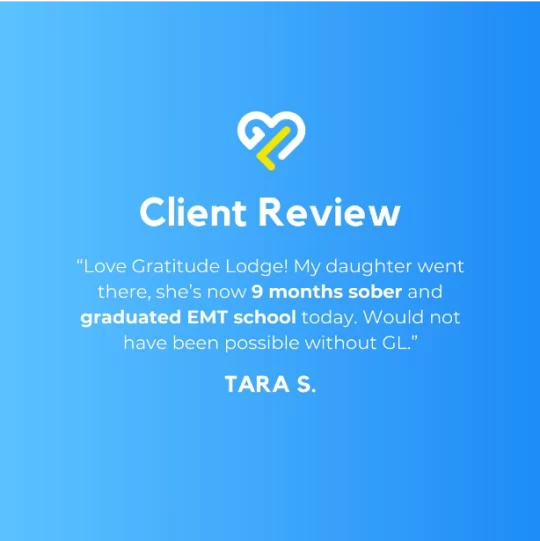
If youโre considering couples drug rehab near San Diego, view Gratitude Lodgeโs top-rated reviews for our addiction and mental health treatment programs, which offer journey guidance and comprehensive treatment options to help you move forward with care and understanding.
Real Stories from Clients in Our Inpatient Recovery Program
Location Overview
Our clean and modern facilities are located near beautiful beaches and a thriving sober community. Clients enjoy easy access to local hiking spots, beaches, restaurants & more nearby.
Close to The Beach
National Parks Nearby
Mild, Comfortable Weather
Strong Local Sober Community
Learn More About You or a Loved One Take a Quiz About Addiction
Am I Addicted To A Substance?
Am I an Alcoholic?
Gratitude Lodge Recovery Center Accreditations
JCO
2025 Registered
DHCS
2025 Registered
LegitScript
2025 Registered
LMFT
1
CADC II
3
RAC
2
RADT
1
AMFT
3
SUDRC
1
SUDCC
1
APCC
1
Evaluating Access, Coverage, and Program Quality
Sometimes itโs not about whether a couple wants to go to couples therapy, itโs whether they think they can. Concerns about affordability, insurance, or whether couplesโ rehab will be able to treat relationship rifts alongside addiction can make choosing the right program feel impossible during an already stressful time.ย
If financial uncertainty or concern about choosing the right program is slowing your decision, youโre not alone.
Support options expanded as more couples needed care that fits real-life responsibilities. Within 20 of San Diego, at least 30 couples drug rehab programs accept private insurance, helping reduce financial strain during treatment planning. Quality indicators can also offer reassurance, with 18 highly rated couples drug rehab programs operating within 20 of San Diego, each maintaining ratings of 4 stars or higher with a minimum of 10 reviews.
If youโre considering couples drug rehab near San Diego[, view Gratitude Lodgeโs top-rated reviews for our addiction and mental health treatment programs, which offer journey guidance and comprehensive treatment options to help you move forward with care and understanding.
Combines FDA-approved medications with counseling to reduce cravings and withdrawal symptoms.
Programs and Services
Close To The Beach
Safe Medical Detox
Inpatient/Residential
Partial Hospitalization Program (PHP Day Treatment)
Intensive Outpatient
Program (IOP)
Outpatient Therapy (OP)
Mental Health Treatment
Therapies
Individual Therapy (CBT, DBT, EMDR, etc.)
Medication-Assisted Treatment (MAT)
Family Therapy
Holistic Therapy
Group Therapy
12-Step/SMART Recovery Facilitation
Accreditations
JCO
DHCS
LegitScript
LMFT
SUDRC
RADT
CADC
RAC
AMFT
Post Treatment
Sober Housing Available
Alumni Groups
Career placement
Aftercare
Navigating San Diego Inpatient Residential Detox Rehab Options: Distance vs. Insurance Access
Finding the right rehab can be stressful, especially when considering distance, local treatment options, and insurance coverage.
Many people face transportation issues, few nearby programs, or uncertainty about what their insurance will cover. Itโs a frustrating process when youโre ready to start getting help.
Reinforce Your Support System Through Local Activities in Orange County
Building and maintaining strong relationships is a vital part of outpatient recovery. Luckily, Orange County and the surrounding area offer plenty of beautiful and engaging spaces to help you relax, connect with others, and reinforce your support network. From beachside parks to nature trails, these local spots make it easier to stay emotionally grounded and socially involved during your healing journey
ust steps from the beach, this scenic park features picnic areas, sports courts, and ocean viewsโperfect for peaceful reflection or spending quality time with others. 100 Main St, Newport Beach, CA 92661
Environmental Nature Center
A tranquil space with walking trails, native plant gardens, and educational exhibitsโideal for quiet moments and mindful walks. 1601 E 16th St, Newport Beach, CA 92663
Fashion Island
While known for shopping, this open-air center also offers a welcoming atmosphere for casual strolls, people-watching, or enjoying a meal with loved ones. 401 Newport Center Dr, Newport Beach, CA 92660
Whether you're reconnecting with family or building new friendships in recovery, San Diego's community spaces offer peaceful, uplifting environments to help you grow stronger through shared experiences.
Understanding the Effectiveness of Connection-Focused Treatment Centers in San Diego
Partnership-centered recovery approaches demonstrate success through acknowledging that substance use disorders impact both individuals within a relationship, rather than affecting only the person with addiction. Shared healing processes build the groundwork for improved trust, emotional growth, and sustainable recovery.
Joint participation in treatment allows partners to foster accountability while reinforcing positive transformations as a team. Research indicates that couples engaging in recovery programs collectively exhibit increased rates of maintained sobriety, program completion, and relapse prevention. Specialized treatment centers near San Diego address frequently overlooked relationship dynamics such as codependent patterns, unresolved trauma, or compromised trust that remain essential for successful long-term recovery results. Such holistic methodology establishes a more robust, enduring foundation that supports both relationship wellness and personal healing.
CBT helps individuals identify and change negative thought patterns and behaviors that contribute to addiction and mental health challenges. By learning practical coping strategies, clients gain healthier ways to manage stress and triggers in daily life.
Dialectical Behavior Therapy (DBT)
DBT focuses on building emotional regulation, mindfulness, and interpersonal effectiveness skills. It is especially effective for those dealing with intense emotions, self-destructive behaviors, or co-occurring mental health conditions.
Medication-Assisted Treatment (MAT)
MAT combines FDA-approved medications with counseling and behavioral therapies to treat substance use disorders. This approach reduces cravings and withdrawal symptoms, helping clients stay engaged in recovery.
Group & Family Therapy
These sessions create a supportive environment where clients can share experiences, build communication skills, and strengthen relationships. Family involvement helps repair trust, improve understanding, and create a healthier foundation for recovery.
Couples Rehab
These sessions create a supportive environment where clients can share experiences, build communication skills, and strengthen relationships. Family involvement helps repair trust, improve understanding, and create a healthier foundation for recovery.
Levels of Care in Addiction Treatment
Starting your journey toward recovery at Gratitude Lodge is simple, fast, and fully supported. We offer same-day and next-day admissions, because when youโre ready to get help, there shouldnโt be any delays. Walk-ins are also welcomeโweโre here when youโre ready to take that first step. From the moment you reach out, our compassionate admissions team will guide you through every part of the process, from insurance verification to creating a personalized treatment plan tailored to your needs. Our goal is to make the process stress-free, so you can focus on what matters most: your healing and recovery.
A supervised medical process that manages withdrawal symptoms to prepare individuals for ongoing treatment.
Inpatient Residential Addiction & Mental Health Treatment
A live-in program that delivers intensive, round-the-clock care and therapy to address substance use or mental health disorders in a structured setting.
Ongoing support and resources that help individuals maintain long-term sobriety and stability after completing formal treatment.
Gratitude Lodge Admissions
Starting your journey toward recovery at Gratitude Lodge is simple, fast, and fully supported. We offer same-day and next-day admissions, because when youโre ready to get help, there shouldnโt be any delays. Walk-ins are also welcomeโweโre here when youโre ready to take that first step. From the moment you reach out, our compassionate admissions team will guide you through every part of the process, from insurance verification to creating a personalized treatment plan tailored to your needs. Our goal is to make the process stress-free, so you can focus on what matters most: your healing and recovery.
Detox is the first step of the withdrawal treatment process. Clients will be medically monitored under 24/7 supervision as they go through withdrawal symptoms.
Must couples be married to access partner recovery programs near San Diego?
Not at all. Partner recovery programs near San Diego embrace all committed couples regardless of marital status โ whether married, engaged, cohabitating, or in long-term relationships. The key factor is both partnersโ sincere dedication to healing and mutual support during the recovery process.
Can couples with different substance use disorders still participate in joint treatment?
Yes, absolutely. Many couples entering treatment near San Diego face different types of addiction challenges. Clinical teams create personalized treatment plans addressing each personโs specific needs while integrating couples therapy sessions when appropriate.
How do partner rehab programs near San Diego address relationship conflicts during treatment?
Healthy conflict resolution serves as a fundamental component of partner rehabilitation. Skilled therapists near San Diego guide couples through proven communication techniques, helping them rebuild trust and navigate difficult conversations within a supportive therapeutic setting.
Will all therapy sessions be conducted jointly during partner rehab near San Diego?
Treatment incorporates both joint and individual approaches. Couples participate in shared counseling sessions while also receiving separate individual therapy to address personal recovery needs and strengthen their relationship as a cohesive unit.
What happens if one partner decides to leave treatment early?
If one person chooses to discontinue treatment before completion, clinical teams near San Diego will support the remaining partner in continuing their recovery with appropriate therapeutic and emotional assistance. Care plans are modified based on individual progress and circumstances.
Can partner rehab programs near San Diego help establish healthy boundaries after treatment ends?
Yes, definitely. Aftercare services include boundary-setting strategies and relapse prevention techniques specifically tailored for couples. These resources support partners as they reintegrate into daily life with clear expectations and mutual accountability.
Must couples meet specific relationship length requirements for partner rehab near San Diego?
No minimum duration requirements exist, although couples must demonstrate genuine commitment and relationship stability. Clinical assessments help determine if joint treatment represents the most beneficial and effective option for both individuals.
Will couples work with the same therapist throughout partner rehab near San Diego?
Shared sessions may utilize one therapist, while individual partners often work with different counselors. This structure ensures personalized care for each person while maintaining focused relationship therapy components.
Are couples with past treatment experiences eligible for partner rehab?
Definitely. Partners with previous treatment attempts or relapse history are fully welcomed. Treatment programs near San Diego provide fresh opportunities with strengthened support networks and refined approaches for lasting recovery success.
Can partner rehab programs near San Diego include spiritual or faith-based elements?
Some programs near San Diego provide optional faith-based counseling along with holistic practices like meditation and mindfulness training. Treatment remains personalized, incorporating spiritual elements according to individual preferences and needs.
Can couples continue working or attending school during partner rehab near San Diego?
Residential programs typically require full-time participation, while outpatient partner treatment may allow more flexible scheduling. Treatment teams help identify appropriate care levels that balance recovery priorities with existing responsibilities.
How should I bring up partner rehab near San Diego in conversation with my partner?
Start discussions from a place of love and genuine concern, avoiding blame or criticism. Emphasize your shared dedication to positive transformation and present partner rehabilitation as a chance to strengthen your relationship together. Intake coordinators can offer additional support for these crucial conversations.
At Gratitude Lodge, weโre committed to helping individuals reach their full potential and build brighter futures. Ourย $1,000 scholarshipsย are one way we give back, empowering students to achieve their goals. With a 500-word essay, you can apply for 2025. Click below to learn more, hear from past winners, and apply today!