
 About Us
 Meet Our Team
 Our Facilities
 Videos
 Newsroom
 FAQ
FAQ Blog
Blog
 Newport Beach

 Long Beach


 Meth Rehab
 Outpatient Rehab
 IOP Rehab
 Virtual IOP
 PHP Rehab
 LGBTQ Friendly Rehab
 Device Friendly Rehab
 Pet Friendly Rehab
 Couples Drug Rehab
 Reiki Therapy
 Holistic Addiction Therapy
 Addiction Therapy
 Group Addiction Therapy
 EMDR Therapy
 CBT Therapy
 Mood Disorder Treatment
 Panic Disorders/Drinking Problems Treatment
 Addictive Personality Disorder Treatment
 Hyperfixation Treatments
 Hyper Independence Treatment
 Check My Insurance
 Rehab Insurance Coverage
 Financing Options
 Cigna
Cigna












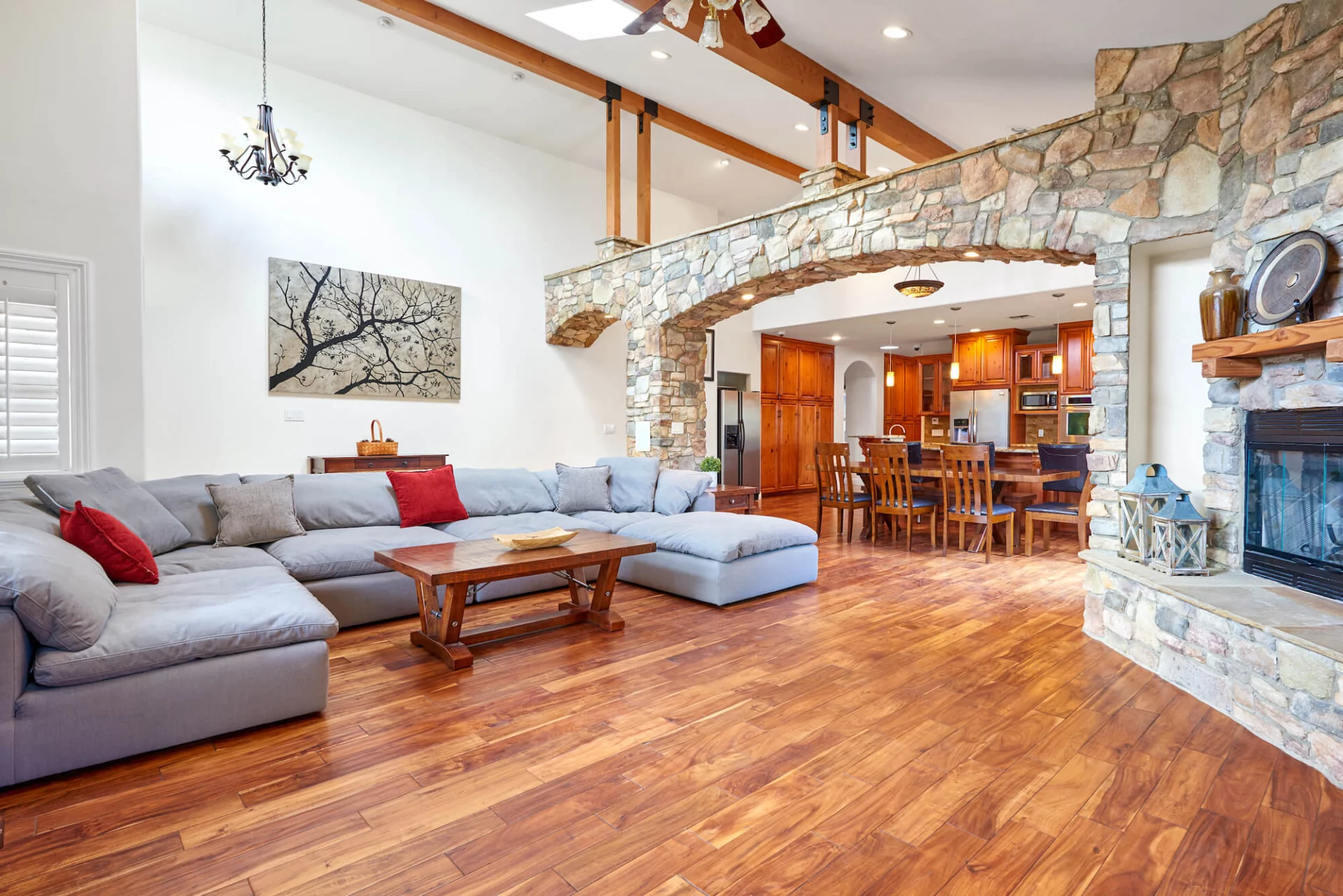







ust steps from the beach, this scenic park features picnic areas, sports courts, and ocean views—perfect for peaceful reflection or spending quality time with others. 100 Main St, Newport Beach, CA 92661
Understanding Outpatient Rehabilitation Programs
Research from Treating addiction: a guide for professionals indicates that outpatient rehabilitation facilities for substance abuse deliver comparable treatment services found in residential programs. Notable differences exist, however, since outpatient settings cannot offer round-the-clock medical supervision or conduct certain medical procedures.
Should you wonder “what is outpatient rehab“, consider these primary outpatient rehabilitation categories:
Day Treatment Programs (Partial Hospitalization)
Day programs, also called PHPs, serve individuals who need comprehensive medical and clinical care without requiring overnight monitoring. Weekly therapy sessions reach up to 35 hours of intensive treatment. Between scheduled sessions, participants return to their homes or sober living arrangements. Among outpatient programming options, partial hospitalization represents the highest intensity level, positioned just below residential treatment on the American Society of Addiction Medicine’s continuum of care.
Structured Intensive Outpatient Care
IOPs provide enhanced programming with greater clinical and medical resources than standard outpatient services, yet less comprehensive than PHPs. Weekly therapy participation ranges from 12 to 15 hours for IOP participants. Access to intensive interventions mirrors inpatient rehabilitation benefits while avoiding associated costs and limitations. Among various outpatient rehabilitation formats, IOPs strike an optimal balance between comprehensive treatment and maintaining connections to daily responsibilities.
Standard Outpatient Services
Traditional outpatient programming focuses on helping individuals develop behavioral modifications necessary for substance use cessation. Minimal medical services characterize this care level, with connections to higher-intensity programs made when needed. Weekly therapy sessions comprise just a few hours of treatment time. Individuals transitioning from more intensive outpatient programs typically utilize standard outpatient services.

Alcohol Recovery Through Outpatient Care
Structured outpatient programming can provide significant benefits for individuals facing alcohol use disorder challenges.
Beyond medication-assisted treatment using FDA-approved medications (disulfiram, acamprosate, and naltrexone), alcoholism outpatient programs deliver:
- Training in relapse prevention strategies
- Management of relapse situations
- Evidence-based psychotherapies
- Individual and group counseling
- Hands-on experiential interventions
- Comprehensive holistic treatments
Severe alcohol use disorder cases or individuals requiring supervised medical detoxification should avoid outpatient programs.

Substance Abuse Outpatient Treatment
Individual experiences with substance addiction vary significantly, allowing outpatient programs to customize treatment approaches based on specific substances involved.
When appropriate, participants can access FDA-approved medications designed to reduce withdrawal symptom severity and substance cravings. Certain substance addictions currently lack approved pharmaceutical interventions, requiring treatment focus on psychotherapy and counseling approaches to combat addiction.
Provided your substance addiction doesn’t require supervised medical detoxification and inpatient care, outpatient programming delivers residential rehabilitation benefits through more affordable and flexible treatment options.

Residential vs. Outpatient Treatment Comparison
Examining inpatient vs. outpatient rehab reveals distinct advantages and limitations for each approach, with optimal selection depending on individual circumstances and requirements.
Residential rehabilitation, alternatively termed inpatient care, requires staying at treatment facilities for predetermined timeframes. Typical inpatient program durations span 30, 60, or 90 days, delivering continuous medical and emotional assistance. Highly structured and supportive environments characterize inpatient rehabilitation, designed specifically to help individuals overcome addiction or mental health challenges. Complete focus on recovery becomes possible without daily life distractions interfering.
Conversely, outpatient rehabilitation involves attending treatment sessions at facilities while maintaining home residence. Weekly outpatient programming can range from several hours to multiple daily hours, depending on individual requirements. Enhanced flexibility defines outpatient rehabilitation, enabling individuals to continue employment or education while receiving treatment.
Several factors influence the choice between inpatient and outpatient rehabilitation:
- Addiction or mental health condition severity
- Required support intensity
- Personal and professional obligations and commitments
Generally, severe addictions or mental health conditions warrant inpatient rehabilitation recommendations, while mild to moderate conditions or strong home support networks may benefit from outpatient rehabilitation.
How exactly do outpatient rehabilitation programs function?
Experiencing Outpatient Rehabilitation Programs
Participation in outpatient programming at substance abuse rehabilitation centers provides access to these evidence-based treatment approaches:
- Medication-Assisted Treatment: Most medically-assisted interventions available in inpatient settings can be prescribed for outpatient participants. Alcohol use disorder and opioid use disorder cases often benefit significantly from medication-assisted treatment. Psychosocial interventions like CBT and counseling always accompany medication-assisted treatment delivery.
- Comprehensive psychosocial interventions: All psychotherapy options available in residential rehabilitation extend to outpatient participants. Evidence-based treatments alongside alternative and complementary approaches vary between treatment facilities.
- Educational psychosocial services: Psychoeducational resources extending beyond standard therapy and intervention can be delivered through outpatient programming as effectively as residential settings.
- Comprehensive support services: Transportation to and from rehabilitation centers, educational programs, and mentoring services represent available options in most outpatient programming.
Beyond direct intervention benefits – medications and therapy – powerful peer support opportunities emerge through group-based outpatient addiction programming engagement.

Southern California Outpatient Rehabilitation
Although Gratitude Lodge doesn’t provide these services directly, we collaborate with Southern California area treatment centers to assist anyone requiring help. After completing treatment at our inpatient rehab facilities, clients can transition to lower care levels including intensive outpatient programming and outpatient rehabilitation.
Should you require assistance locating outpatient programming, contact our team today for personalized recommendations based on your unique circumstances.
Contact our team today and we can provide some recommendations based on your specific situation.
Frequently Asked Questions About Outpatient Rehabilitation
Does insurance cover outpatient rehabilitation services?
Addressing the substantial treatment gap nationwide, the ACA (Affordable Care Act) implementation in 2010 established three primary objectives:
- Expanding access to Medicaid program benefits.
- Improving accessibility to affordable and effective health insurance options.
- Supporting innovative treatment delivery approaches like virtual rehabilitation to reduce healthcare costs further.
Ten essential health benefits now require coverage by all insurance plans, whether individual or group policies. Substance use disorder (addiction) treatment and mental health disorder care qualify as essential services.
Equivalent coverage to surgical care or general medical care must be provided by health insurance providers under ACA mandates.
Complete coverage for supervised clinical detoxification followed by 30-day inpatient treatment may be provided by some insurance plans. Partial coverage for outpatient therapy may be the limit for other plans. Coverage extent depends on numerous variables, including addiction severity and specific health insurance plan details.
What are the costs associated with outpatient rehabilitation?
Various factors influence outpatient rehabilitation costs, including facility location, treatment program type, program duration, and available services.
Typically, outpatient rehabilitation programs range from $2,500 to $10,000 in cost.
Lower costs generally characterize outpatient rehabilitation compared to inpatient programs since room and board expenses are eliminated. Some facilities may provide sliding scale fees or financial assistance to improve affordability for those requiring support.
How do outpatient rehabilitation programs operate?
Outpatient rehabilitation engagement involves attending sessions at various locations:
- Specialized addiction treatment centers
- Hospital-based programs
- Mental health clinics
- Behavioral counselor offices
Regular scheduling occurs at specific weekday hours for sessions. Evening or weekend therapy sessions are occasionally offered by outpatient rehabilitation programs, facilitating treatment engagement around professional obligations.
What is the typical duration of outpatient rehabilitation?
Various factors determine outpatient rehabilitation program length, including addiction or mental health condition severity, individual treatment needs and goals, and specific outpatient rehabilitation center program structure.
Generally, outpatient rehabilitation programs span from several weeks to multiple months. Flexible design characterizes most programs, offering treatment for whatever duration needed to achieve individual goals.