About Us
 Meet Our Team
 Our Facilities
 Videos
 Newsroom
 FAQ
FAQ Blog
Blog
 Newport Beach

 Long Beach


 Meth Rehab
 Outpatient Rehab
 IOP Rehab
 Virtual IOP
 PHP Rehab
 LGBTQ Friendly Rehab
 Device Friendly Rehab
 Pet Friendly Rehab
 Couples Drug Rehab
 Reiki Therapy
 Holistic Addiction Therapy
 Addiction Therapy
 Group Addiction Therapy
 EMDR Therapy
 CBT Therapy
 Mood Disorder Treatment
 Panic Disorders/Drinking Problems Treatment
 Addictive Personality Disorder Treatment
 Hyperfixation Treatments
 Hyper Independence Treatment
 Check My Insurance
 Rehab Insurance Coverage
 Financing Options
 Cigna
Cigna















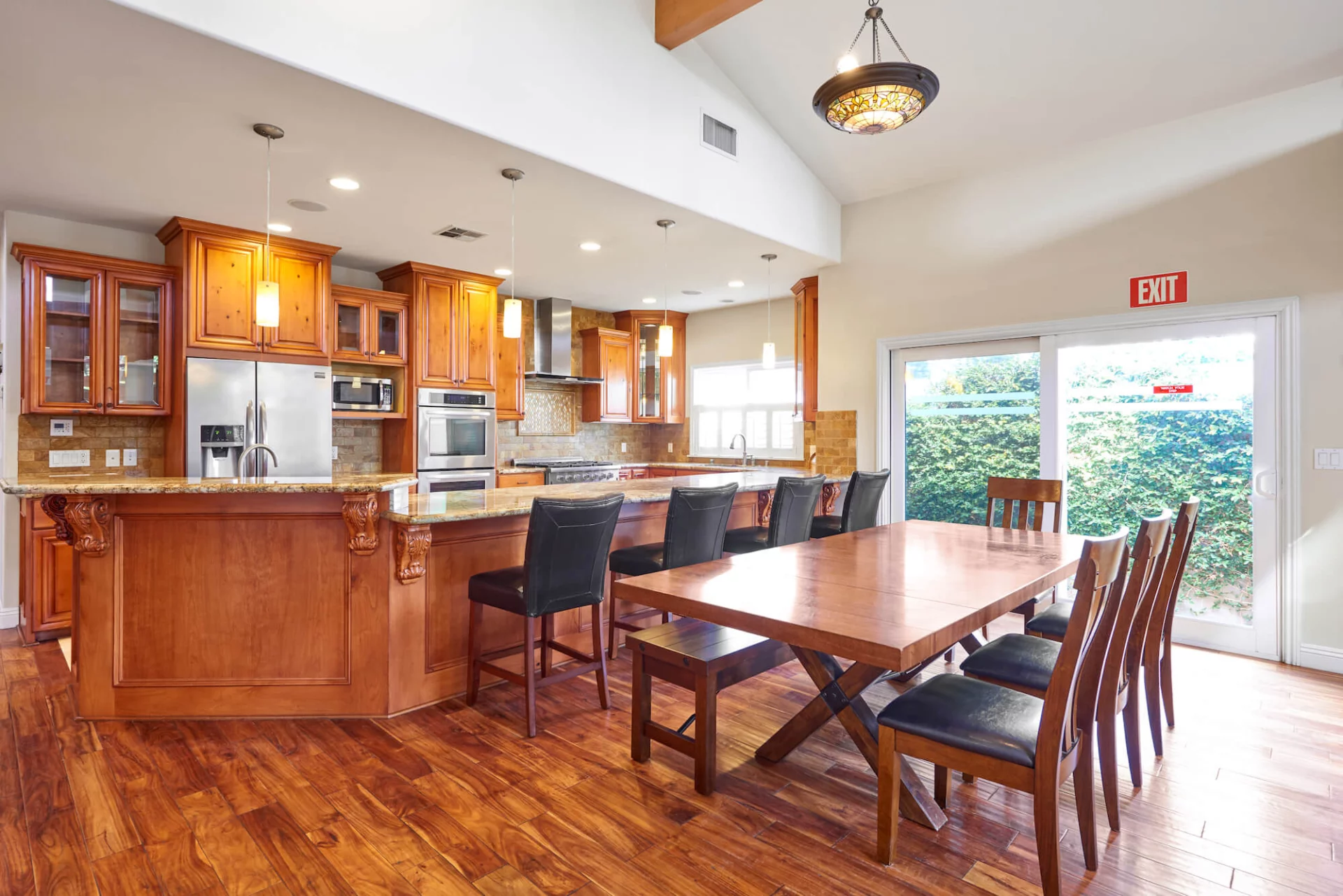







ust steps from the beach, this scenic park features picnic areas, sports courts, and ocean views—perfect for peaceful reflection or spending quality time with others. 100 Main St, Newport Beach, CA 92661
Practical Applications and Therapeutic Uses of Dialectical Behavior Therapy
Those struggling with emotional dysregulation and unhealthy emotional processing patterns discover dialectical behavior therapy serves as a highly effective treatment modality.
Exceptional therapeutic outcomes have emerged from DBT implementation across diverse mental health diagnoses, including borderline personality disorder (BPD), self-harm behaviors, suicidal thoughts, post-traumatic stress disorder (PTSD), substance use disorders (addictions), binge eating disorder, bulimia, depression, and anxiety conditions.
Core characteristics of DBT emphasize addressing underlying factors associated with these disorders, which commonly stem from maladaptive emotional regulation attempts. Healthier emotional coping mechanisms emerge through DBT training, allowing people to lead more fulfilling lives while reducing destructive behavioral patterns.
Establishing appropriate treatment intensity holds paramount significance, and comprehensive clinical evaluations help people understand their individual needs according to addiction severity levels. These assessments determine whether residential or outpatient rehabilitation programs better match recovery requirements, as each approach offers distinct therapeutic methods and intervention strategies.
Day-treatment services and therapeutic support define outpatient care, allowing clients to return home after each appointment. Twenty-four-hour residential placement until program graduation characterizes inpatient rehabilitation programs, by comparison. Positive outcomes demonstrate that both outpatient and residential clients benefit significantly from addiction therapies, ensuring people receive vital support and recovery resources during their healing process.
Keep reading to learn more about the most common types of addiction therapy.

Common Questions About Dialectical Behavior Therapy
Listed below are several important ways therapy supports addiction treatment through substance abuse treatment or alcohol treatment programs:
What distinguishes CBT from DBT approaches?
What does emotional regulation mean in DBT?
What are the six core principles of DBT?
What are the four key modules in DBT?
What are the five goals DBT addresses?
What is the four miss rule in DBT?
What are the three basic mind states in DBT?
Benefits and Positive Outcomes of DBT Treatment
Numerous advantages result from DBT for people seeking therapeutic assistance and personal growth:
Enhanced emotional regulation
Improved relationship dynamics
Emergency management and stress tolerance
Cognitive pattern modification
Mindful awareness and self-knowledge
Complete and integrated approaches to personal development and emotional health are delivered through DBT, supplying people with essential skills and methods for managing life’s difficulties more effectively.
Mental Health Conditions Treated with DBT
Adaptable therapeutic capabilities allow DBT to effectively address multiple mental health disorders. Various conditions that benefit from DBT treatment include:
Borderline Personality Disorder
Initially developed for treating people with BPD, DBT has shown outstanding success in decreasing self-harmful behaviors, improving emotional control, and enhancing overall life satisfaction for those with this diagnosis.
Depressive and Anxiety Conditions
Positive results for people with mood conditions like depression and anxiety are achievable through DBT. Emotion control, stress tolerance, and cognitive restructuring resources help people create more effective symptom management and coping strategies.
Self-Harm and Suicidal Behaviors
Demonstrated effectiveness in helping people who participate in self-injury or have backgrounds of suicidal ideation or attempts has been established through DBT. Crucial skills for handling emotional distress, improving coping abilities, and decreasing self-destructive actions are taught.
Substance Use and Addiction
Modified versions of DBT successfully treat people battling substance abuse or addiction issues. Root emotional and cognitive elements contributing to substance use are targeted, while techniques for managing urges, controlling emotions, and creating balanced lifestyles are offered.
Eating Disorders: Binge Eating and Bulimia
Therapeutic methods for specific eating disorders, especially binge eating disorder and bulimia, have incorporated DBT. Better emotional coping approaches, body image issue management, and self-worth enhancement are cultivated through this method.
Post-Traumatic Stress Disorder
Supplementary treatment for people with PTSD can include DBT successfully. Intense emotion control, effective coping skill creation for trauma-related triggers, and general emotional wellness enhancement are supported through this therapy.
Complete Mood Disorder Care at Gratitude Lodge
Expert treatment for people facing mood disorders is delivered at Gratitude Lodge in Southern California. Thorough programs created to treat mood disorders and support sustainable recovery are available at our Newport Beach and Long Beach treatment facilities.
Skilled team members at our center comprehend mood disorder complexities and their impact on daily functioning completely. Evidence-based treatments customized to individual requirements are provided, ensuring effective care for conditions such as depression, anxiety, bipolar disorder, and other mood-related difficulties.
Nurturing and therapeutic settings for overcoming mood disorders are established at Gratitude Lodge. Integrated therapy methods are featured in our programs, combining medication management, DBT, CBT, and other evidence-based therapeutic approaches.
Comprehensive approaches to mood disorder care are highlighted in our treatment philosophy, targeting symptoms along with root causes and contributing elements. Mindfulness techniques, stress management methods, lifestyle changes, and healthy coping mechanisms may be included in our programs to improve overall wellness.
Additionally, continuing care and relapse prevention receive primary attention in our treatment services. Ongoing therapy, support groups, and resources are provided to help maintain therapeutic gains and successfully reintegrate into daily life with effective mood disorder management techniques and strategies.
If you or someone you care about is ready to pursue comprehensive mood disorder treatment, reaching out to Gratitude Lodge at 844-576-0144 is recommended. Caring admissions counselors are ready to offer guidance and support as you start the path toward achieving lasting recovery and enhanced emotional wellness.