About Us
 Meet Our Team
 Our Facilities
 Videos
 Newsroom
 FAQ
FAQ Blog
Blog
 Newport Beach

 Long Beach


 Meth Rehab
 Outpatient Rehab
 IOP Rehab
 Virtual IOP
 PHP Rehab
 LGBTQ Friendly Rehab
 Device Friendly Rehab
 Pet Friendly Rehab
 Couples Drug Rehab
 Reiki Therapy
 Holistic Addiction Therapy
 Addiction Therapy
 Group Addiction Therapy
 EMDR Therapy
 CBT Therapy
 Mood Disorder Treatment
 Panic Disorders/Drinking Problems Treatment
 Addictive Personality Disorder Treatment
 Hyperfixation Treatments
 Hyper Independence Treatment
 Check My Insurance
 Rehab Insurance Coverage
 Financing Options
 Cigna
Cigna


















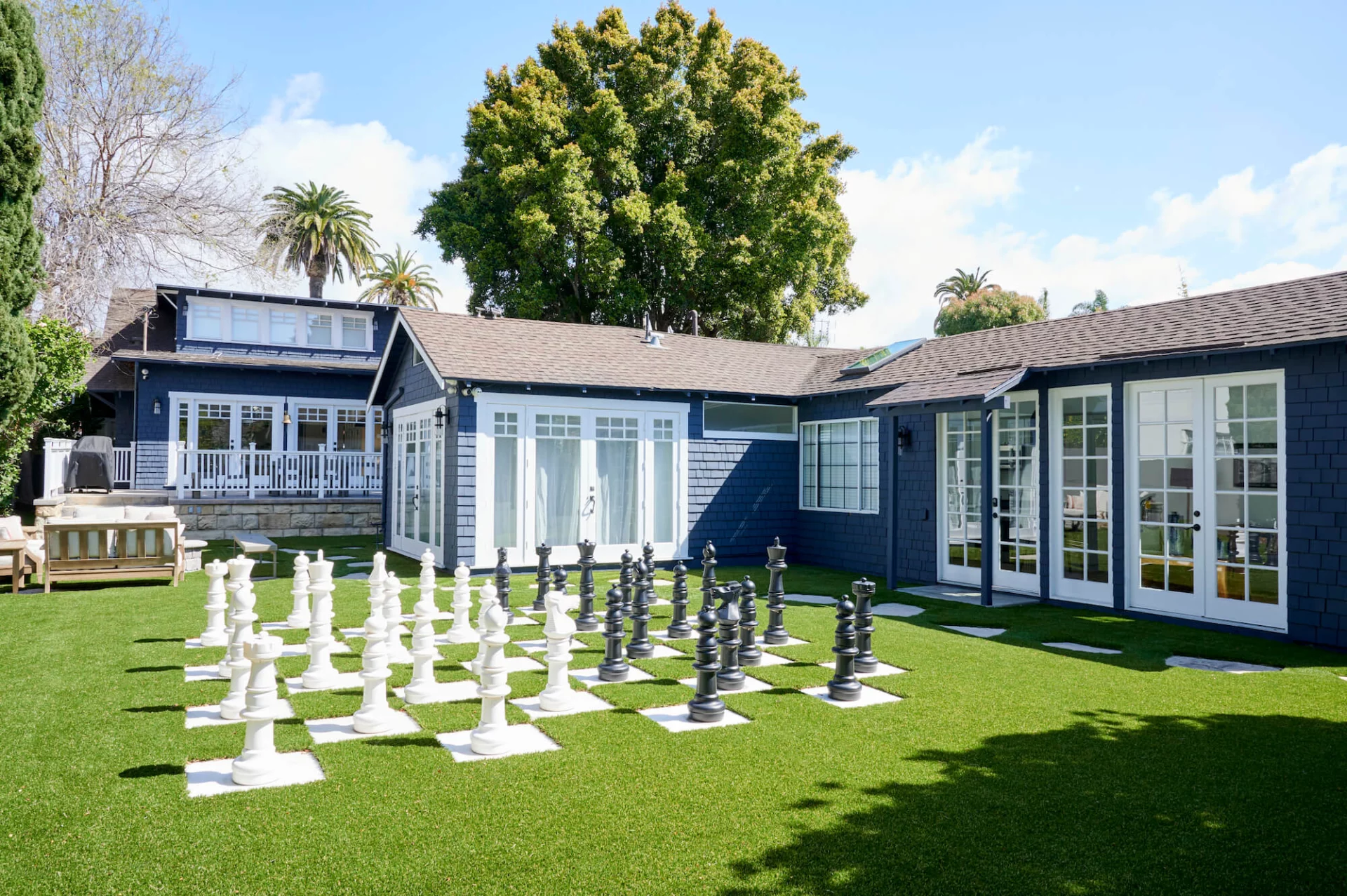



ust steps from the beach, this scenic park features picnic areas, sports courts, and ocean views—perfect for peaceful reflection or spending quality time with others. 100 Main St, Newport Beach, CA 92661
Understanding Cognitive Behavioral Therapy (CBT) Fundamentals
Therapeutic intervention through cognitive behavioral therapy represents a structured form of talk therapy designed to assist people in transforming destructive thought patterns and behaviors. Goal-focused collaboration defines this approach, emphasizing present-moment awareness while addressing immediate challenges and personal objectives.
Interconnected relationships between thoughts, emotions, and actions form CBT’s foundational principle, recognizing how destructive thinking patterns generate harmful emotional responses and problematic behaviors. Through systematic identification and modification of these negative cognitive cycles, people can enhance their emotional well-being and behavioral responses, creating pathways toward more meaningful lives.
Therapeutic Applications of CBT Treatment
Research demonstrates CBT’s effectiveness across numerous mental health challenges, including:
- Anxiety-related conditions
- Major depressive episodes
- Post-traumatic stress responses
- Disordered eating patterns
- Substance dependency issues

Frequently Asked Questions About CBT
Does cognitive behavioral therapy produce results?
Which conditions respond to cognitive therapy?
What components comprise cognitive behavioral therapy?
Which individuals benefit from CBT intervention?
What mechanisms drive cognitive behavioral therapy?
Core Components of CBT Implementation
Substance use disorders and cognitive behavioral therapy share strong therapeutic connections, with CBT serving as the primary behavioral intervention for addressing addiction challenges.
Essential goals of substance abuse CBT include developing awareness of destructive behavioral cycles, strengthening change motivation, and building robust coping mechanisms.
Relapse prevention benefits significantly from CBT interventions that target both cognitive patterns and environmental substance use triggers while emphasizing development and application of healthy coping strategies.
Addiction-focused CBT combines skill development, educational components, and trigger avoidance strategies. Effective coping approaches encompass:
- Strategic Goal Development
- Support Network Engagement
- Communication Skill Enhancement
- Physical Activity Integration
Primary Objectives of CBT Treatment
Sustainable transformation in thinking patterns and behavioral responses represents CBT’s fundamental purpose. Recognition, challenge, and modification of dysfunctional behaviors that perpetuate personal difficulties form the therapeutic foundation. Psychological distress reduction through adaptive coping skill development defines CBT’s approach to improving mental wellness and daily functioning.
Therapeutic benefits extend beyond session boundaries when people utilize CBT within substance abuse treatment, providing practical tools for managing stressful situations more effectively. Self-empowerment through enhanced awareness becomes central to helping individuals achieve healthier, more satisfying lifestyles.
Access CBT for Addiction Recovery at Gratitude Lodge
Essential therapeutic programming at Gratitude Lodge in Newport Beach and Long Beach, California incorporates CBT as a foundational element of comprehensive addiction treatment programs. Personal trigger identification and customized coping strategy development replace destructive substance use patterns.
Recovery begins through medically supervised drug and alcohol detox at our luxury coastal facilities. FDA-approved medications and continuous monitoring facilitate comfortable withdrawal while preventing complications. Comprehensive care continues through our intensive 30-day inpatient program addressing addiction’s psychological components.
Evidence-based and holistic interventions define all Gratitude Lodge programming:
- CBT (Cognitive Behavioral Therapy)
- DBT (Dialectical Behavioral Therapy)
- Motivational Enhancement
- MAT (Medication-Assisted Treatment)
- Individual Counseling Sessions
- Group Therapeutic Support
- Family Intervention Programs
- Holistic Healing Approaches
- Continuing Care Coordination
Begin comprehensive addiction treatment incorporating CBT by contacting Gratitude Lodge at 844-576-0144.