

 About Us
 Meet Our Team
 Our Facilities
 Testimonials
 Videos
 Newsroom
 Scholarship
 FAQ
FAQ Blog
Blog
 Newport Beach

 Long Beach


 Meth Rehab
 Outpatient Rehab
 IOP Rehab
 Virtual IOP
 PHP Rehab
 LGBTQ Friendly Rehab
 Device Friendly Rehab
 Pet Friendly Rehab
 Couples Drug Rehab
 Reiki Therapy
 Holistic Addiction Therapy
 Addiction Therapy
 Group Addiction Therapy
 EMDR Therapy
 CBT Therapy
 Mood Disorder Treatment
 Panic Disorders/Drinking Problems Treatment
 Addictive Personality Disorder Treatment
 Hyperfixation Treatments
 Hyper Independence Treatment
 Admissions Process
 Check My Insurance
 Rehab Insurance Coverage
 Financing Options
 What To Bring to Rehab
 Cigna
Cigna


“Can you drink alcohol on Zoloft?” is one of the most common questions asked by those prescribed this antidepressant.
It is not advised to drink while on Zoloft due to similar effects that both alcohol and Zoloft have on the body. This combination can create dangerous and even life-threatening complications such as over-sedation, risk of suicidal behaviors, and more.
If you or a loved one is struggling with alcohol addiction or a mental health disorder, it’s important that you reach out to get the help you need right away.
This guide highlights the primary Zoloft and alcohol side effects. You will also learn about the following issues related to alcohol and Zoloft:
- Can you drink alcohol while taking Zoloft?
- Can you drink on Zoloft on a special occasion?
- What are the adverse effects of Zoloft and drinking?
- How to engage with alcohol addiction treatment.


How Does Zoloft Work?
Zoloft (sertraline) is a prescription drug categorized as an SSRI (selective serotonin reuptake inhibitors), a class of antidepressants. Much like other SSRIs, Zoloft works by altering the reabsorption of the neurotransmitter serotonin within the brain. This effectively blocks serotonin from getting absorbed back into nerve cells, allowing this mood-boosting chemical to remain available for the brain for longer.
On average, this process can take several weeks as serotonin levels build up before showing a positive effect.
By balancing the serotonin levels in the brain, Zoloft can effectively counteract chronic serotonin depletion , which is a factor in many mental health disorders.
Zoloft is prescribed by physicians to treat depression and other mental health issues such as:
- Major Depressive Disorder (MMD)
- Post-traumatic stress disorder (PTSD)
- Obsessive-compulsive disorder (OCD)
- Premenstrual Dysphoric Disorder (PMDD)
Can I Drink When Taking Zoloft?
No, you should not drink alcohol while taking Zoloft, as it can lead to adverse side effects that range from moderate to life-threatening.
While some people who take Zoloft find that they can consume small amounts of alcohol with little effect, studies show that the combination causes memory issues, impulsive behavior, and even violence in some individuals.
The negative effects of mixing alcohol and Zoloft include:
- Oversedation: Both alcohol and Zoloft can cause drowsiness and sedation. When combined, they may lead to extreme drowsiness, impaired motor skills, slow reaction times, and an increased risk of accidents, making activities like driving particularly hazardous.
- Suicidality: Alcohol is a depressant and can worsen mood disorders, potentially increasing suicidal thoughts or behaviors in individuals taking Zoloft . Combining alcohol and Zoloft can intensify feelings of hopelessness, impulsivity, and poor judgment, heightening the risk of self-harm.
- Toxin overload: Mixing alcohol and Zoloft can put additional strain on the liver, which processes both substances. This can increase the risk of liver damage or toxin buildup in the body, potentially leading to serious health complications over time.
Zoloft and Alcohol Interactions
The interaction between Zoloft and alcohol is a topic that warrants careful consideration and awareness. Here are some key points to consider about the Zoloft alcohol interaction:
Amplification of side effects
Both Zoloft and alcohol can independently lead to drowsiness, dizziness, and impaired coordination. When you drink on Zoloft, these effects are often intensified, significantly increasing the risk of accidents and falls.
Reduced medication efficacy
Alcohol can compromise the effectiveness of Zoloft in treating depression and anxiety. When alcohol is present in the system, it may hinder the medication’s ability to regulate serotonin levels in the brain, potentially limiting the therapeutic benefits.
Risk of increased depressive symptoms
Alcohol is a central nervous system depressant. Its consumption can worsen depressive symptoms like sadness, hopelessness, and lethargy. This counteracts the positive effects of Zoloft and can lead to a worsening of the person’s mental health condition.



Individual variability
The impact of the Zoloft-alcohol interaction can vary among individuals. Factors such as the dosage of Zoloft, the quantity and frequency of alcohol consumption, and individual differences in metabolism can all influence the severity of the interaction.
Risk of alcohol dependency
Individuals with depression may be more vulnerable to alcohol misuse as a way of self-medicating their symptoms. The combination of Zoloft and alcohol can increase the risk of developing alcohol dependency, leading to further complications.
Potential for increased sedation
Alcohol can amplify Zoloft’s sedative effects. This may result in excessive drowsiness and difficulty staying awake, especially when engaging in activities that require alertness, such as driving.
In light of these considerations, healthcare providers generally advise people taking Zoloft to avoid alcohol altogether. Prioritizing mental health and adhering to the prescribed treatment plan is crucial. If individuals have concerns about alcohol use and its impact on their depression, they should discuss these concerns openly with their healthcare provider. Together, they can explore alternative coping strategies and treatment options that do not involve alcohol.
Alcohol’s Effects on Depression
Alcohol and depression have a complex relationship. While alcohol is sometimes used as a means of self-medication to alleviate depressive symptoms temporarily, its overall impact on depression can be detrimental. Here are some key points to consider:
- Temporary relief: Alcohol can provide a temporary sense of relief from the emotional pain associated with depression. It may initially produce feelings of relaxation and euphoria, which can seem like a welcome escape from depressive thoughts and emotions.
- Depressive cycle: Unfortunately, the relief offered by alcohol is short-lived. As the effects wear off, depressive symptoms often return, and they can intensify. This can create a vicious cycle where individuals may turn to alcohol repeatedly in an attempt to alleviate their depression, leading to a harmful pattern of substance abuse.
- Alcohol as a depressant: Alcohol is a CNS depressant. It slows down brain activity and can exacerbate symptoms of depression, such as sadness, lethargy, and impaired cognitive function.
- Sleep disruption: Alcohol can disrupt sleep patterns, leading to poor sleep quality. Sleep problems are closely linked to depression, and the combination of alcohol and sleep disturbances can worsen depressive symptoms.
- Increased risk: For individuals with depression, alcohol use can increase the risk of suicidal thoughts and behaviors . The impaired judgment and impulsivity associated with alcohol can lead to risky behaviors.
- Interaction with medications: Alcohol can interact with antidepressant medications, including drugs like Zoloft. This interaction may reduce the effectiveness of the medication and potentially lead to adverse side effects .
FAQs
What happens if you drink on Zoloft?
Drinking alcohol while taking Zoloft can increase the risk of side effects like dizziness, drowsiness, and impaired coordination. It can also diminish the effectiveness of Zoloft in treating your condition. Consult your healthcare provider before combining Zoloft and alcohol.
Can I mix sertraline and alcohol?
It is generally recommended to avoid drinking alcohol while taking sertraline (Zoloft). Alcohol can interact with the medication, potentially intensifying side effects and reducing its effectiveness in treating depression or anxiety. Consult your healthcare provider for personalized guidance.
Can Zoloft and alcohol kill you if they’re mixed?
Zoloft and alcohol death may occur if they’re mixed, but it is uncommon. Even so, combining these substances can trigger severe side effects and health risks. Drinking alcohol while on Zoloft may increase the likelihood of accidents, worsen depressive symptoms, and impact your overall well-being.
Does combining Zoloft and alcohol cause serotonin syndrome?
One of the more serious side effects of Zoloft is the risk of developing serotonin syndrome. This rare but serious condition can manifest with symptoms like confusion, agitation, rapid heart rate, high blood pressure, fever, and even seizures . While combining alcohol with Zoloft does not necessarily increase the risk of serotonin syndrome, it is still a dangerous combination and not recommended for safe use.
Get Treatment for Alcohol Addiction and Depression at Gratitude Lodge
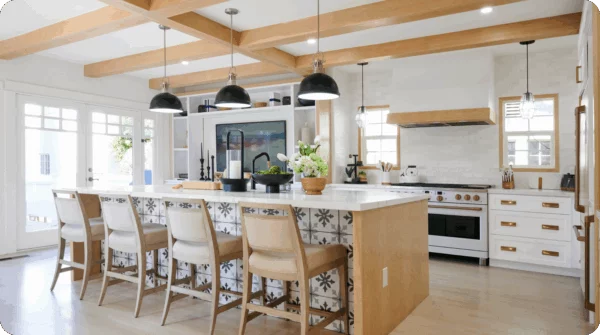
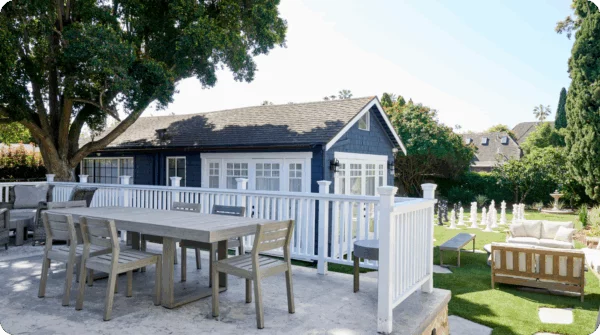
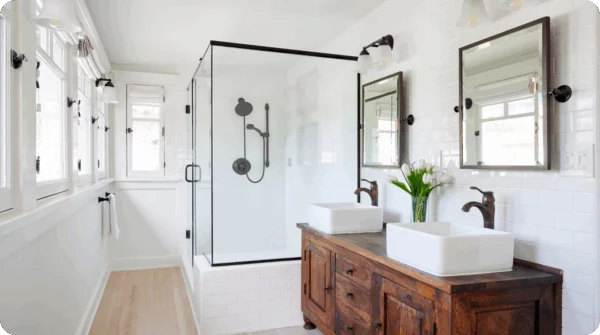
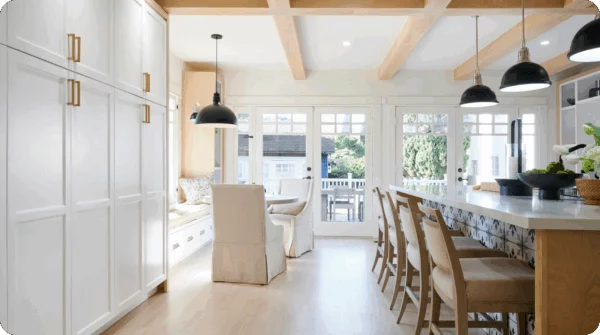
Alcohol addiction and depression frequently co-occur, with each condition affecting the other. At Gratitude Lodge in Southern California, we specialize in inpatient dual diagnosis treatment, providing the most structured and supportive route to sustained recovery and sound mental health.
Engage with our supervised medical detox program for the safest and most comfortable pathway to ongoing recovery. After a week or so of detoxification, you can move straight into residential rehab at our treatment facilities located in Long Beach and Newport Beach, CA.
All treatment programs at Gratitude Lodge involve a personalized blend of holistic and science-backed interventions like:
- Medication-assisted treatment
- Psychotherapy (CBT or DBT)
- Family therapy
- Group therapy
- Individual therapy
- Holistic therapies
- Aftercare support
Take the first step toward sustained sobriety by calling 844-576-0144 today.
Sources
- https://www.ncbi.nlm.nih.gov/pmc/articles/PMC4012703/
- https://dailymed.nlm.nih.gov/dailymed/drugInfo.cfm?setid=fda754f6-d0f3-4dce-a17a-927d64f912f7
- https://medlineplus.gov/ency/article/003208.htm
- https://www.ncbi.nlm.nih.gov/mesh?Db=mesh&Cmd=DetailsSearch&Term=C23.888.592.604.444%5BAll+Fields%5D
