

 About Us
 Meet Our Team
 Our Facilities
 Videos
 Newsroom
 FAQ
FAQ Blog
Blog
 Newport Beach

 Long Beach


 Meth Rehab
 Outpatient Rehab
 IOP Rehab
 Virtual IOP
 PHP Rehab
 LGBTQ Friendly Rehab
 Device Friendly Rehab
 Pet Friendly Rehab
 Couples Drug Rehab
 Reiki Therapy
 Holistic Addiction Therapy
 Addiction Therapy
 Group Addiction Therapy
 EMDR Therapy
 CBT Therapy
 Mood Disorder Treatment
 Panic Disorders/Drinking Problems Treatment
 Addictive Personality Disorder Treatment
 Hyperfixation Treatments
 Hyper Independence Treatment
 Check My Insurance
 Rehab Insurance Coverage
 Financing Options
 Cigna
Cigna


Alcoholic face is a non-clinical term used to describe facial redness associated with alcohol use. Our facial appearance often provides insights into our overall health, serving as a kind of reflection of our well-being. With the right knowledge, it can offer clues about a person’s self-care and lifestyle choices. This brief guide to alcoholic face shows you how to determine whether someone may be drinking too much alcohol and how to connect them with professional help.
Alcohol can cause facial bloating and puffiness by dehydrating the body and dilating blood vessels, leading to increased fluid retention. This bloating can be particularly evident in the mornings after heavy drinking.
6 Ways to Spot an Alcoholic Face
If you’re wondering how to spot an alcoholic face, it can be challenging, as facial appearance is not a foolproof indicator of alcoholism. That said, there are some physical signs that may suggest chronic alcohol consumption. Keep in mind that the signs of alcohol face may vary from person to person, and their presence does not necessarily mean that someone is an alcoholic.
What does an alcoholic face look like, then?
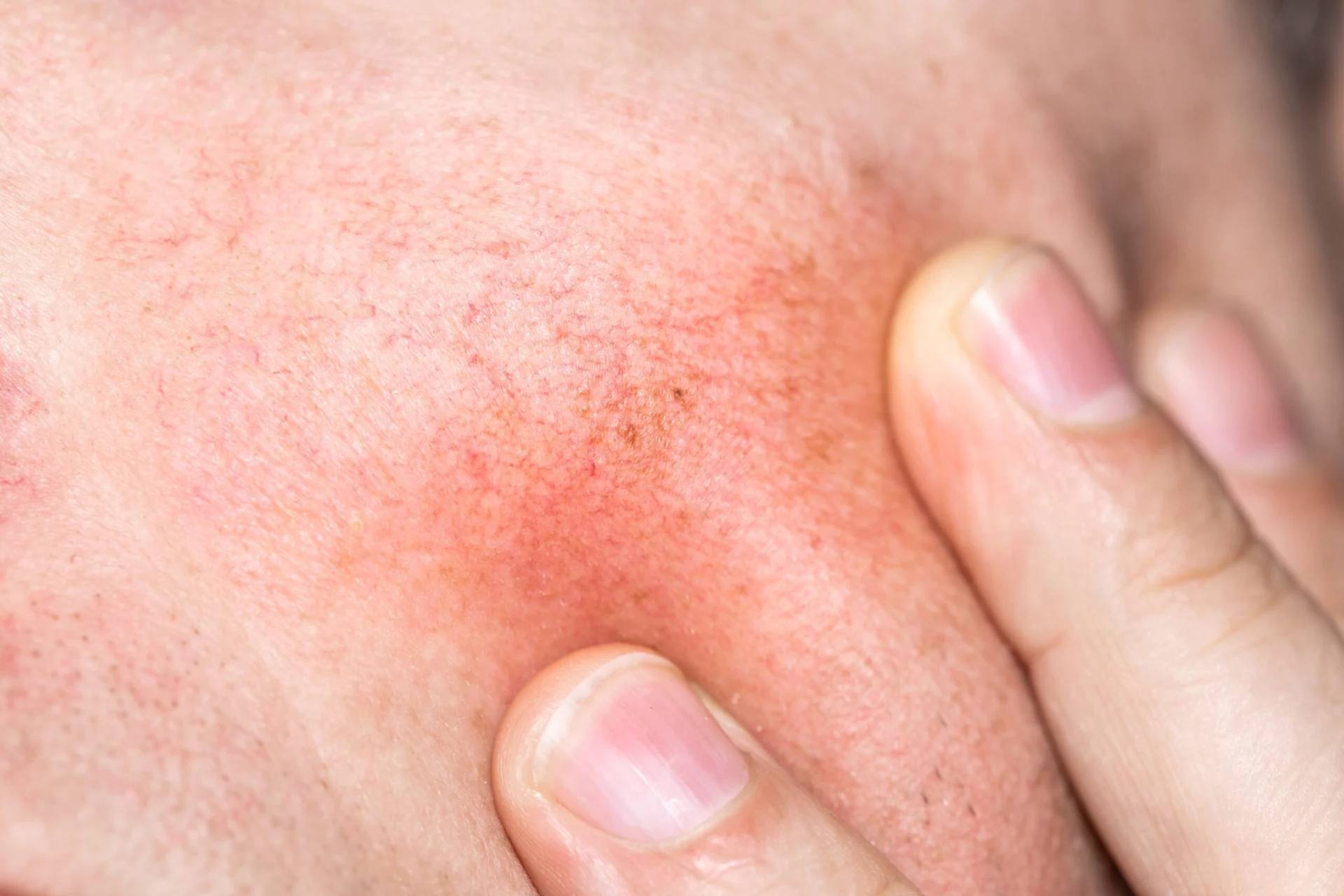
- Facial Redness: One of the most common signs is facial redness, often referred to as alcohol flush reaction [1]. This can result from dilated blood vessels near the skin’s surface and is more common in some Asian populations. However, not everyone with facial redness is an alcoholic.
- Broken Blood Vessels: Chronic alcohol abuse can lead to the development of visible spider veins or broken blood vessels, especially around the nose and cheeks.
- Puffy Face: Excessive alcohol consumption can cause fluid retention, leading to a puffy or bloated appearance.
- Paleness or Jaundice: Long-term alcohol abuse can damage the liver, causing yellowing of the skin and eyes.
- Premature Aging: Drinking alcohol accelerates the development of wrinkles, fine lines, and sagging skin.
- Neglected Grooming: Alcoholism may lead to neglected hygiene or grooming.
Approach physical signs like face swelling or redness with sensitivity and avoid making assumptions. Alcoholism is a complex condition, and if you suspect someone is struggling, encourage them to seek professional help.
Effects of Alcohol on the Face
Alcoholic face changes may be short-term or long-term. Here are some common effects:
Facial Redness
Alcohol intake can cause redness due to dilated blood vessels and broken capillaries near the skin’s surface, creating a flushed appearance

Dehydration
Alcohol increases urine production, leading to chronic dehydration and dull-looking skin [2].
Puffy Face
Excessive alcohol consumption can cause inflammation and fluid retention.
Dark Circles
Another effect is having dark circles under the eyes, which is caused by excessive drinking of alcohol, disrupting normal sleep cycles, and causing the drinker to lose sleep.
Broken Blood Vessels
Chronic alcohol use can cause spider veins or broken blood vessels.
Premature Aging
Alcohol accelerates aging by depleting essential nutrients.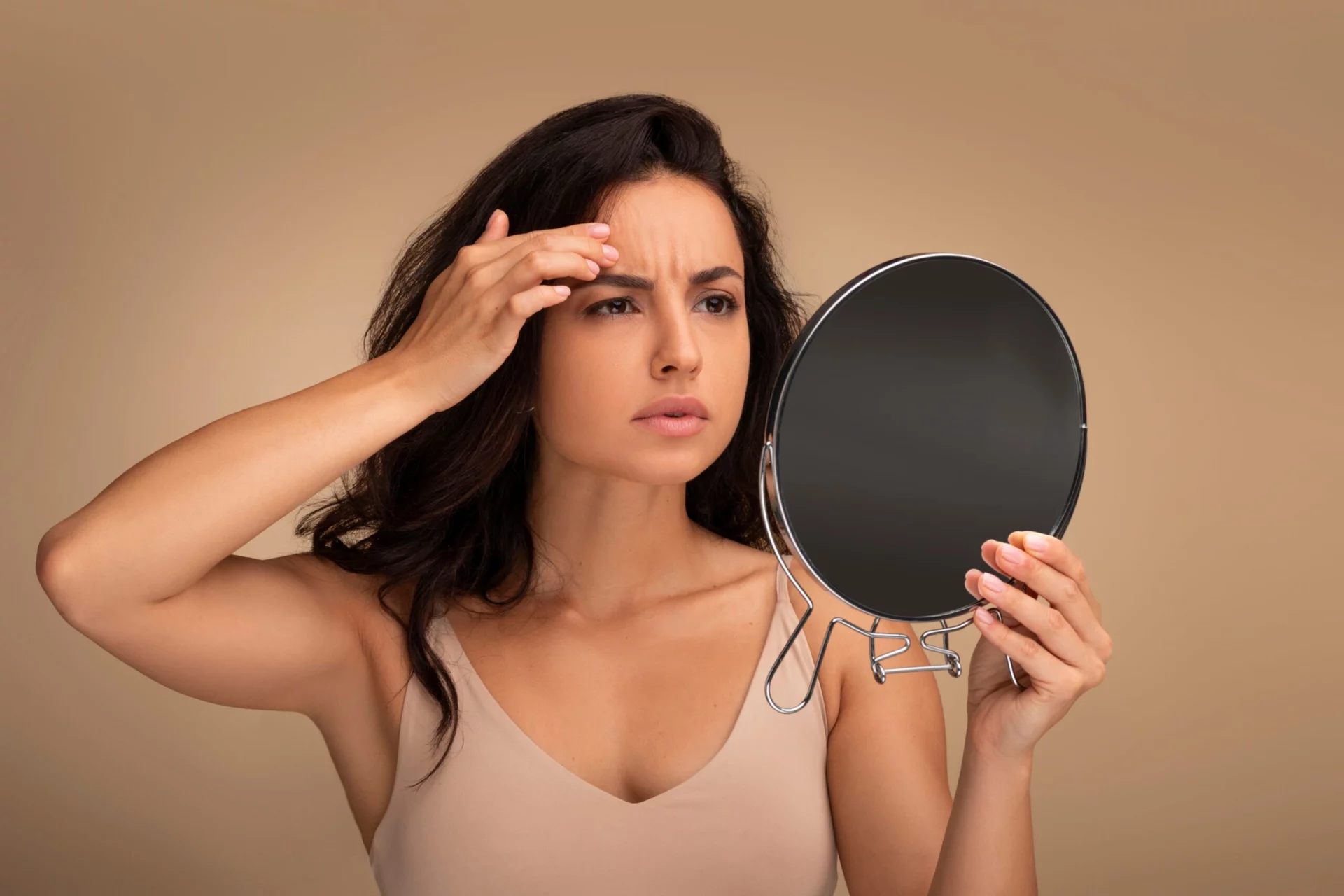
Skin Conditions
Alcohol can worsen rosacea, eczema, and psoriasis.

Jaundice
Alcohol-related liver damage can lead to a yellowish skin tone or jaundice [3].
These effects vary by individual depending on genetics, health, and lifestyle and can become permanent without medical treatment.
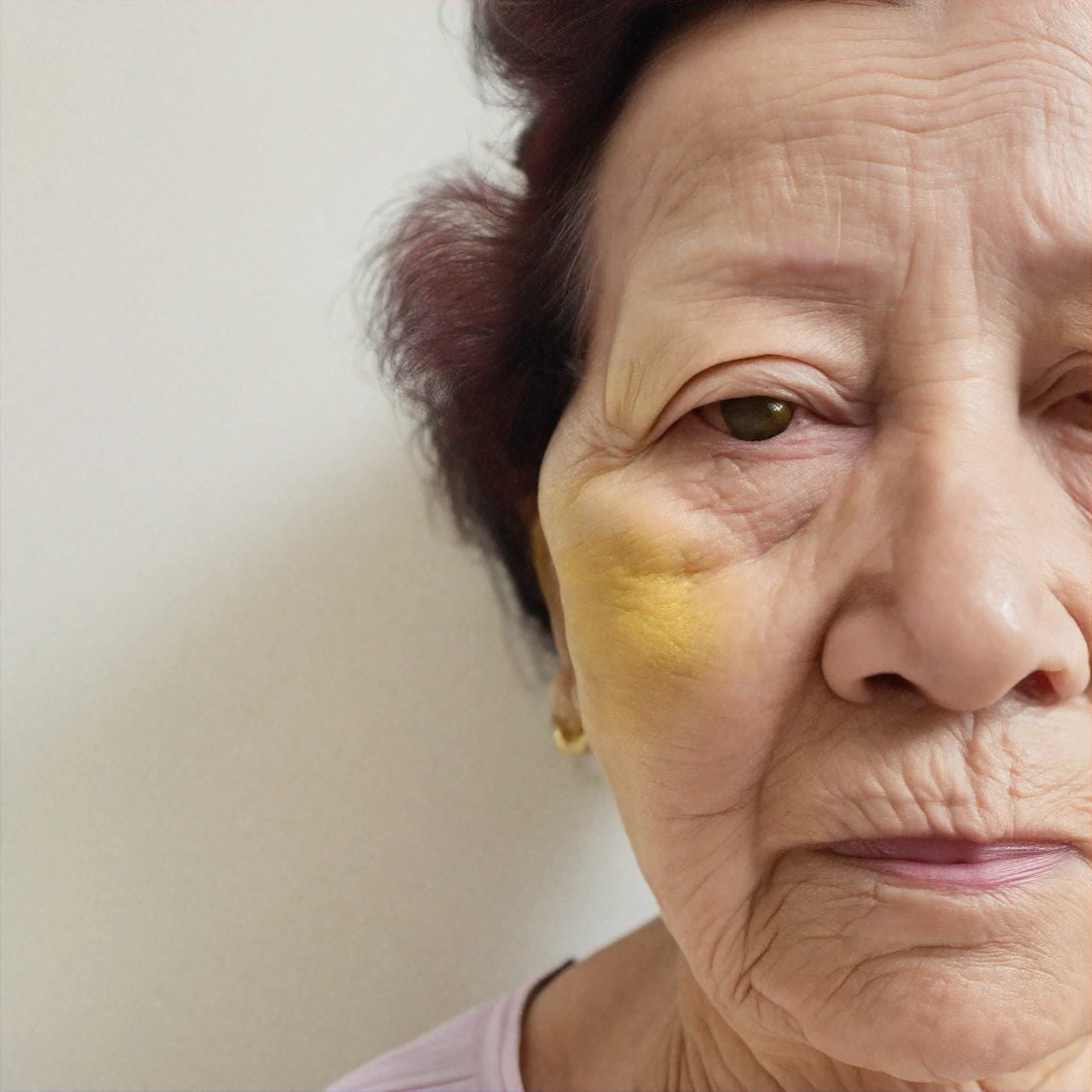
These effects vary by individual depending on genetics, health, and lifestyle.
How Does Long-Term Alcoholism Affect The Face?
Long-term alcoholism can intensify facial symptoms such as jaundice, inflammation, puffiness, and acne due to immune suppression.
Recognizing Alcoholism Outside of the Face
Alcoholism impacts the entire body and there are many long-term health risks associated with chronic drinking. This may point to deeper signs of underlying health issues. Common signs include:
- Weight Changes: Weight gain or loss depending on nutrition and organ function.
- Liver Disease: Fatty liver, hepatitis, or cirrhosis.
- Hair and Nails: Brittle hair and weakened nails from malnutrition.
- Hands and Feet: Swelling or nerve damage.
- Teeth and Gums: Tooth decay, gum disease, and enamel erosion.
- Heart Disease: High blood pressure, enlarged heart, heart failure, or stroke.
- Immune System: Weakened barrier function, allowing bacteria and toxins to slip through and enter the bloodstream directly.
Alcoholic Face FAQs
What Does a Drinker’s Face Look Like?
A drinker’s face may show redness or broken blood vessels, but these are not definitive indicators of alcoholism.
Can You Tell If Someone Is an Alcoholic Just By Looking?
Physical appearance alone is not enough. Alcoholism involves behavioral and psychological components.
How Can I Help a Loved One Who May Be an Alcoholic?
Communicate with compassion and encourage professional help or support groups.

Get Effective Treatment for Alcohol Addiction at Gratitude Lodge
Whether you are dealing with skin issues caused by alcohol, facial bloating, or need medical detox and ongoing treatment, Gratitude Lodge can help.
Our pet-friendly treatment centers in Long Beach and Newport Beach offer supervised detox and evidence-based therapies to prevent relapse, including:
- Psychotherapies
- MAT (medication-assisted treatment)
- Family therapy
- Group therapy
- Individual therapy
- Holistic therapies
- Aftercare
Call 844-576-0144 today to get insurance-covered treatment for alcohol addiction.
Sources
- https://www.niaaa.nih.gov/publications/alcohol-flush-reaction
- https://www.ncbi.nlm.nih.gov/pmc/articles/PMC5537780/
- https://www.ncbi.nlm.nih.gov/books/NBK544252/
