About Us
 Meet Our Team
 Our Facilities
 Videos
 Newsroom
 Scholarship
 FAQ
FAQ Blog
Blog
 Meth Rehab
 Outpatient Rehab
 IOP Rehab
 Virtual IOP
 PHP Rehab
 LGBTQ Friendly Rehab
 Device Friendly Rehab
 Pet Friendly Rehab
 Couples Drug Rehab
 Reiki Therapy
 Holistic Addiction Therapy
 Addiction Therapy
 Group Addiction Therapy
 EMDR Therapy
 CBT Therapy
 Mood Disorder Treatment
 Panic Disorders/Drinking Problems Treatment
 Addictive Personality Disorder Treatment
 Hyperfixation Treatments
 Hyper Independence Treatment
 Check My Insurance
 Rehab Insurance Coverage
 Financing Options
 Cigna
Cigna





















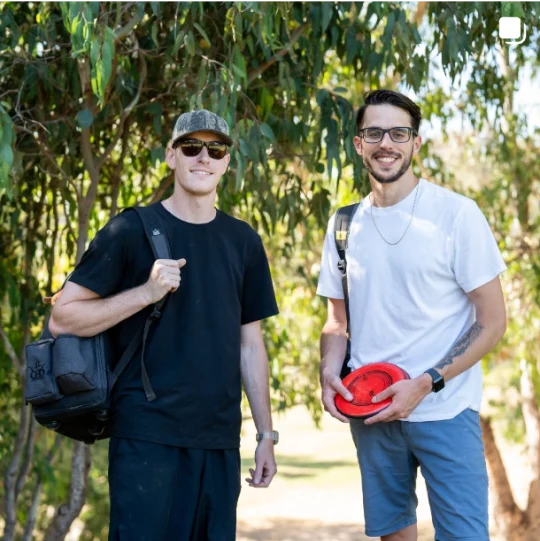
ust steps from the beach, this scenic park features picnic areas, sports courts, and ocean views—perfect for peaceful reflection or spending quality time with others. 100 Main St, Newport Beach, CA 92661
Benefits of Intensive Outpatient Programming
Numerous life-changing benefits emerge from intensive outpatient drug rehabilitation for individuals pursuing recovery. Recovery from addiction involves considerable obstacles, yet sustainable healing remains within reach when proper treatment methods, caring specialists, and dependable sobriety networks combine effectively. Primary benefits of intensive outpatient addiction treatment include:
Flexible Scheduling Options
Participants in IOP maintain their work commitments, academic goals, family duties, or other essential responsibilities while accessing vital treatment services. Daily programming sessions generally last 3-5 hours on weekdays, permitting individuals to return to regular activities after treatment hours end.
Financial Accessibility
Budget-friendly treatment solutions characterize intensive outpatient programming, requiring substantially lower investment than residential facilities since 24-hour accommodations aren’t necessary. Insurance coverage combined with reasonable costs allows most people to obtain critical care without overwhelming financial burden.
Evidence-Based Recovery Approaches
Research-validated addiction recovery techniques provide IOP participants with vital resources and therapeutic strategies needed for achieving successful long-term sobriety. Standard treatment approaches typically include individual and group counseling, holistic methods, peer support groups, career guidance, alumni networks, and supplementary services.
Real-World Application Integration
Flexible programming structure within IOP allows individuals to apply treatment principles in daily situations, supporting their ability to successfully manage triggers and other obstacles that previously led to substance use behaviors.
Strong Community Support Systems
Robust support networks develop through intensive outpatient programs via clinical staff, care managers, and peer participants sharing the treatment journey together. Supportive environments often become the most crucial factor in helping individuals maintain enduring sobriety.
Therapeutic Approaches in Intensive Outpatient Programs
Quality, evidence-based interventions must be provided to participants throughout intensive outpatient addiction programming. Standard IOP treatment approaches generally include:
- Individual counseling sessions
- Group therapeutic sessions
- Family-focused therapy
- Behavioral interventions (CBT, DTB, EMDR, etc.)
- Medication-assisted treatment (MAT)
- Holistic approaches (breathwork, yoga, art & music therapy, etc.)
- Dual diagnosis mental health treatment
- Graduate & continuing care programming
Customized treatment approaches must address each individual’s unique needs and circumstances. Blending personalized care with evidence-based therapeutic techniques creates ideal environments for achieving successful recovery results.
Choosing the Right IOP Program
Finding appropriate intensive outpatient drug rehabilitation becomes essential for quality care and positive treatment outcomes when you or a loved one needs help addressing substance abuse issues.
Important considerations for identifying an excellent intensive outpatient addiction treatment program include:
- Professional Certifications: Confirm the facility maintains state licensing and accreditation from reputable organizations such as the Joint Commission or CARF to guarantee high-quality care standards. Additional credentials including DHCS and LegitScript provide further program validation.
- Licensed Professionals: Quality centers employ qualified staff including therapists, addiction counselors, and medical professionals with extensive addiction treatment backgrounds. Staff qualifications are usually accessible via facility websites or direct inquiry.
- Individualized Treatment Planning: Established rehabilitation programs develop customized treatment plans through thorough client assessments, addressing substance abuse and co-occurring mental health issues.
- Research-Supported Interventions: Look for programs offering proven treatments including individual, group, and family counseling, especially CBT methodologies.
- Relapse Prevention Strategies: Quality programs provide thorough approaches for handling triggers and preventing recovery setbacks.
- Continuing Support: Ongoing assistance through alumni programs, sober living options, and continued therapy remains essential for sustaining long-term recovery achievements.
Understanding the IOP Process
Beginning phases of intensive outpatient addiction treatment programming, intensive outpatient cocaine rehabilitation, or intensive outpatient opioid treatment require consultation with addiction specialists to assess individual needs. Comprehensive evaluation allows counselors to develop customized treatment plans for each participant while setting specific recovery goals.
Daily group and individual therapy sessions begin once intensive outpatient drug treatment starts, providing participants with crucial coping mechanisms, exploring root causes of addiction, and establishing healing environments for addressing encountered challenges.
Transition to Outpatient Programming (OP) becomes available after IOP completion, offering a reduced-intensity alternative to intensive outpatient drug rehabilitation facilities. Aftercare services and alumni groups help people maintain connections with accountable, supportive recovery communities, encouraging sustained long-term sobriety.
Qualifying for IOP Services
Optimal candidates for Intensive Outpatient Drug Rehabilitation include individuals who have completed detoxification, residential treatment (when required), and Partial Hospitalization Programming (PHP). This level of care also serves those struggling to succeed in standard Outpatient Programming (OP) and needing increased support intensity for better results.
Questions about IOP suitability for yourself or family members should prompt immediate contact with our recovery specialists for expert assessment and guidance.