

 About Us
 Meet Our Team
 Our Facilities
 Videos
 Newsroom
 Scholarship
 FAQ
FAQ Blog
Blog
 Meth Rehab
 Outpatient Rehab
 IOP Rehab
 Virtual IOP
 PHP Rehab
 LGBTQ Friendly Rehab
 Device Friendly Rehab
 Pet Friendly Rehab
 Couples Drug Rehab
 Reiki Therapy
 Holistic Addiction Therapy
 Addiction Therapy
 Group Addiction Therapy
 EMDR Therapy
 CBT Therapy
 Mood Disorder Treatment
 Panic Disorders/Drinking Problems Treatment
 Addictive Personality Disorder Treatment
 Hyperfixation Treatments
 Hyper Independence Treatment
 Check My Insurance
 Rehab Insurance Coverage
 Financing Options
 Cigna
Cigna


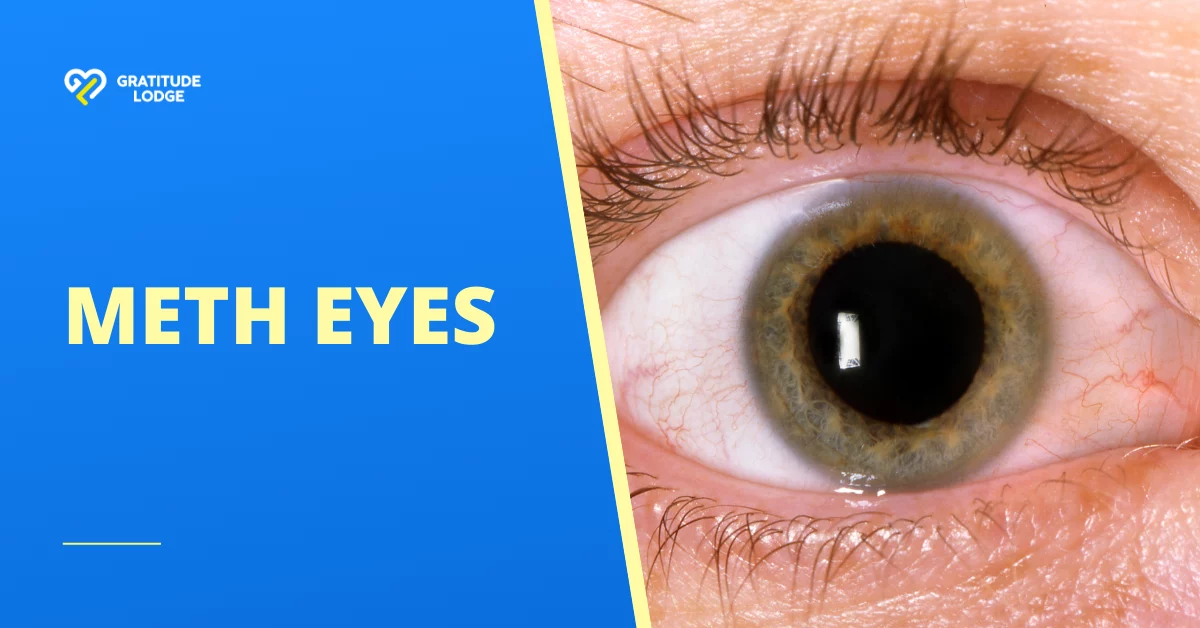


Meth eyes, also known as methamphetamine eyes, is a term used for the physical indications commonly linked with the use of meth. Meth is a potent and habit-forming illicit stimulant that affects the CNS (central nervous system). Its usage can result in a spectrum of physical and psychological manifestations, including enlarged pupils, rapid eye movements, and a distinct alteration in the eyes known as meth eyes.
Methamphetamine is a highly addictive substance that can cause severe long-term health repercussions. The prolonged use of meth is associated with physical symptoms like weight loss, dental issues (meth mouth), and skin lesions, as well as a battery of psychological issues.
If you or someone that you care about is struggling with stimulant use disorder, read on to discover how to connect with the help you need.
What Do Meth Eyes Look Like?
Meth eyes may exhibit various noticeable changes, including dilated pupils, rapid eye movements, and a glassy or glossy appearance, which can make the whites of the eyes appear bloodshot. These changes cause the distinctive “meth eyes” that are associated with methamphetamine use.

Meth Dilated Pupils
The primary indicator of eyes affected by meth is dilated pupils. Pupils on meth can retain their dilated form for several hours. This often imparts a glassy or shiny appearance to the eyes and may cause the whites of the eyes to appear bloodshot. Meth use may also trigger swift eye movements, contributing to a generally agitated or restless look in the eyes of those using this powerful drug.
Meth Eye Discharge
In addition to triggering the development of meth pupils, stimulant use can lead to eye-related complications like excessive dryness or the production of unusual discharge. These symptoms, often associated with chronic meth abuse, may indicate underlying eye health issues that require medical attention.
Meth Fast Eye Movements
The consumption of methamphetamine can lead to rapid, erratic eye movements, resulting in a jittery or twitchy appearance. These fast eye movements are associated with the stimulant effects of the drug and can contribute to the characteristic restlessness shown in those with meth eyes.
Glassy Meth Eyes
A distinct characteristic of meth eyes is the glassy or glossy appearance that affects the overall look of the eyes. This appearance is attributed to the heightened stimulation caused by meth, which can lead to a shiny or reflective quality in the eyes.
Bloodshot Meth Eyes
Methamphetamine use can result in the blood vessels in the eyes becoming dilated, leading to a reddening of the whites of the eyes. The presence of bloodshot eyes is a common indicator of meth use and can be an easily recognizable sign of recent or ongoing stimulant abuse.

What Does Meth Do To Your Eyes?
So what exactly does meth do to your eyes? Any use of meth can result in short-term and long-term effects on the eyes. Also referred to as “crystal meth eyes” and “meth pupils,” meth can cause noticeable physical damage to users’ eyes. There are also visual effects that, while not outwardly noticeable, can still impact a meth user’s behavior.
Prolonged meth use can lead to damage to the blood vessels, giving rise to a host of eye-related issues like glaucoma, cataracts, and blindness. The effects of meth use can extend beyond ocular complications, impacting the overall health of the body and contributing to the development of various eye problems.
Short-term Effects of Meth on the Eyes
- Blurred vision
- Dilated (enlarged) pupils
- Light sensitivity
- & Visual hallucinations
Many meth users also tend to hyper-fixate on foreign objects in their eyes due to the nature of the drug. This can cause users to repeatedly rub or pick at their eyes, which can cause external damage.
Long-term Effects of Meth on the Eyes
- Retinal vasculitis: This inflammation of the retinal blood vessels can lead to vision loss, floaters, or blurred vision due to restricted blood flow and potential damage to retinal tissues.
- Episcleritis: A mild, inflammatory condition affecting the episclera (the thin layer of tissue between the sclera and conjunctiva). Episcleritis causes eye redness, irritation, and discomfort, often linked to drug-induced immune responses.
- Panophthalmitis: A severe, sight-threatening infection involving all layers of the eye, which can result in intense pain, swelling, and vision loss if not treated promptly.
- Endophthalmitis: An inflammation or infection inside the eye, typically affecting the aqueous and vitreous humor (eye fluids). Endophthalmitis can lead to severe vision impairment or blindness without urgent medical intervention.
- Scleritis: A painful, chronic inflammation of the sclera (the white outer layer of the eye). Scleritis can cause redness, severe pain, and potential damage to vision due to the thinning of the sclera.
- Retinopathy: This damage to the retina’s blood vessels can cause visual disturbances, including blurry vision or blind spots, and may lead to permanent vision loss if the damage becomes extensive.
- Retinal vascular occlusive disease: A blockage of the retinal blood vessels that restricts blood flow to the retina, increasing the risk of sudden vision loss or permanent blindness.
- Corneal ulceration: Open sores on the cornea. These ulcers can cause pain, light sensitivity, and blurry vision, often resulting from drug-induced damage or infection.
- Transient visual losses: A temporary loss of vision can occur due to drug-induced vascular changes or optic nerve dysfunction, often resolving once the effects of meth wear off.
- Keratoconus: Chronic meth use may precipitate damage to the retina, the light-sensitive tissue situated at the back of the eye. This can lead to the emergence of MAR (methamphetamine-associated retinopathy), characterized by impairment to the small blood vessels within the retina. MAR can reduce visual clarity, distort colors, and create blind spots in vision. In severe cases, corneal transplant surgery is required.
The effects of meth on the eyes are a visible manifestation of the broader implications of methamphetamine use on overall health. Prolonged meth use can lead to a host of detrimental consequences, including severe dental issues, skin problems, and unhealthy weight loss. Seeking prompt intervention and support for individuals struggling with methamphetamine use can help prevent long-term complications and promote overall well-being.
If you or someone you care about is experiencing the effects of methamphetamine use, seeking professional help and support services is imperative to initiate the path toward recovery and long-term health.
What Does Methamphetamine Do To Your Vision?
Meth can make it more difficult for the user to see, as the sudden dump of chemicals from the substance creates physical responses in the eyes, body, and mind.
For most meth users, eyesight can be affected immediately after consuming the substance. Vision obstructions can include:
- Light sensitivity
- Blurred vision (double vision)
- Dry/irritated eyes
- Uncontrollable twitching/rapid eye movements
- & Even hallucinations
While these short-term visual impairments typically go away once the meth is out of someone’s system, chronic meth use often leads to more serious eye disease and/or more permanent sight impairment.
Meth Eyes FAQs
What Are “Meth Eyes”?
“Meth eyes” is a term commonly used to describe the dilated pupils, bloodshot stare, and dark circles around the eyes often associated with methamphetamine use. Prolonged meth use can cause physical changes in the appearance of the eyes and surrounding areas, giving users a gaunt or hollow look.
Why Do Meth Users Have Dilated Pupils?
Methamphetamine is a powerful stimulant that activates the body’s “fight or flight” response. Pupil dilation is a common response, as the body tries to take in more light to enhance focus and awareness. This dilation can make the eyes appear wide and bulging.
Can Meth Use Cause Eye Damage?
Yes, meth use can lead to various eye issues, including dry eyes, blurred vision, and involuntary eye movement (nystagmus). Over time, users may develop long-term vision problems due to the strain placed on their eyes during periods of heightened stimulation.
What Is “Tweaking,” and How Does It Affect the Eyes?
“Tweaking” is a term used to describe the period of intense focus and hyperactivity after a meth binge. During this phase, users may experience rapid eye movements, an inability to close their eyes, and extreme sensitivity to light, often leading to bloodshot or irritated eyes.
Does Meth Make Your Pupils Small?
No, meth does not make your pupils look small. Meth causes dilation of the pupils, meaning that the black part of your eye grows much larger than normal. Dilated pupils are a prominent sign of drug use, particularly with stimulants like meth.
Does Meth Dilate Pupils?
Yes, meth typically causes the pupils to dilate (grow larger) due to the rush of dopamine that the brain receives when the drug is taken. Stimulants affect the central nervous system (CNS) and can trigger the body’s “fight or flight” response. This chemical surge activates various physical reactions, including pupil enlargement.
What Do Pupils on Meth Look Like?
Pupils on meth often look significantly dilated, meaning that the black spot in the center is enlarged. This enlargement of the pupils can sometimes almost completely overshadow the irises (colored part of the eye), giving the user the appearance of having black eyes.

Get Treatment for Meth Addiction at Gratitude Lodge
If you have issues with crystal meth eyes, meth sores, or addiction to stimulants like methamphetamine, we can help you at Gratitude Lodge. Our welcoming and inclusive treatment centers are pet-friendly and located in Newport Beach and Long Beach, California.
Although there are no FDA-approved medications indicated for the treatment of meth withdrawal, supervised medical detoxification provides the safest environment in which you can withdraw from methamphetamine under close medical supervision. After about a week, you can move into ongoing inpatient treatment.
Our residential meth addiction treatment programs draw from therapies like counseling, psychotherapy, family therapy, group therapy, and holistic interventions. These interventions address the psychological side of addiction, including mental illness, which often coexists with substance use disorders, ensuring a comprehensive approach for lasting recovery. All Gratitude Lodge treatment programs also include a thorough aftercare component to minimize the chance of relapse.
Call 844-576-0144 and begin your recovery from drug abuse right away.
Sources
- https://www.ncbi.nlm.nih.gov/books/NBK542179
- https://www.ncbi.nlm.nih.gov/pmc/articles/PMC6886135/
- https://www.ncbi.nlm.nih.gov/pmc/articles/PMC10031494/
- https://pubmed.ncbi.nlm.nih.gov/19384581/
- https://www.ncbi.nlm.nih.gov/pmc/articles/PMC6551529/
- https://pubmed.ncbi.nlm.nih.gov/19384581/
